

Whether you call it a moon garden, a night-blooming garden, or something else equally poetic, there’s romance in the idea of a green space designed to thrill in the dark. There’s plenty of practical magic that arrives after dusk, too, as the North Carolina garden designer Chip Callaway can confirm. “Southern heat and sun exposure are not recommended for a man of my age,” he says. “So evening gardening is my favorite.” And, he adds, a moon garden is made for gatherings: “Cocktails are much more appropriate after the sun goes down.” Here’s how to conjure a garden of your own that even the stars will envy.

1. Visit shining examples for inspiration.

A meditative reflecting pool sits at the center of the 1920s-built Moonlight Garden at the Edison & Ford Winter Estates in Fort Myers, Florida. And at the Graylyn Estate’s White Garden in Winston-Salem, North Carolina, a series of creamy flowers debut with the seasons—tulips, hydrangeas, violas. But the mother ship for aspiring moon gardeners is Sissinghurst Castle Garden, in England. Silvery delights lead to a central gazebo that’s drenched in the petals of rambling white roses.
2. Create a Dark Framework.
“Evergreens serve as the pillars of any garden,” says the Southern topiary artist Michael P. Gibson. Any set needs a good backdrop, and the dark greens of magnolias, camellia leaves, pine, and yew—or a richly painted fence or outbuilding—give grounding for light-colored flowers to pop. “Evergreens also serve a bigger purpose,” Gibson adds, “providing shelter and much-needed nutrition to small insects and animals,” such as evening serenaders like whippoorwills, frogs, and owls.
3. Layer in perennials with plenty of verve.
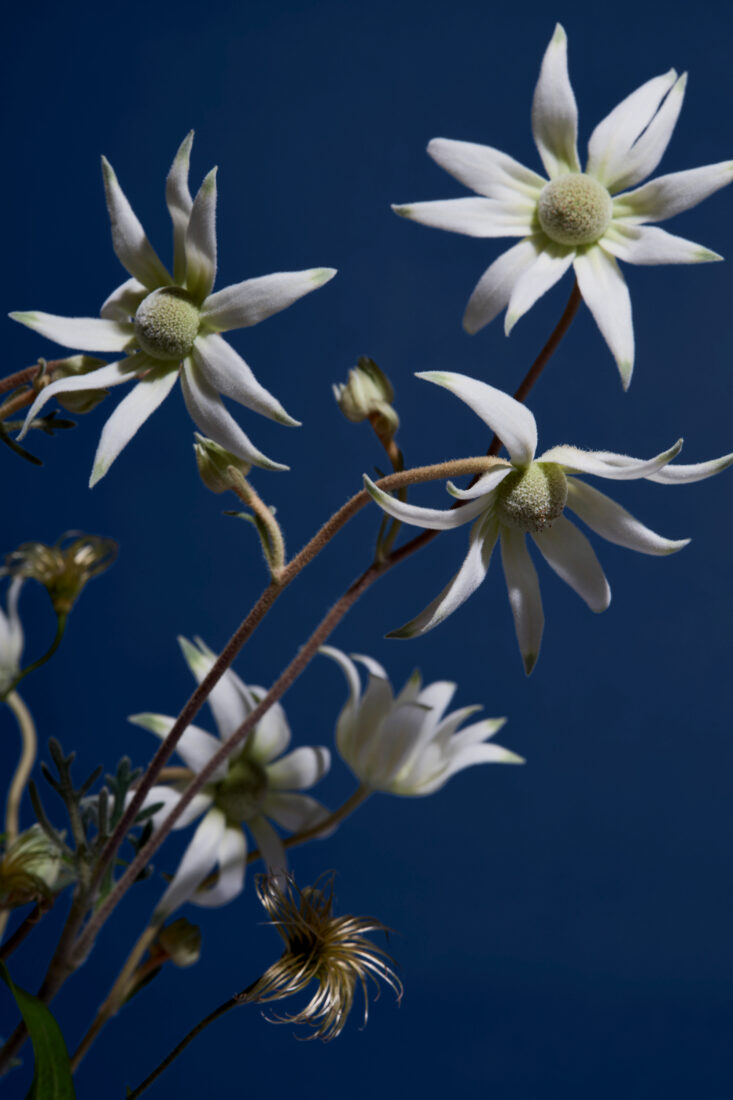
Lilies will return year after year and draw sundown action, as the plantsman Jenks Farmer knows well. In Beech Island, South Carolina, he grows an acre of crinum lilies, which open on warm evenings to the moths that have evolved to burrow deep inside the petals. In many warm locales, blooming vines return annually, including saucer-sized moonflowers and twirly passionflowers. The velvety texture of flannelflowers and the Seussian seed heads of clematis (look for a variety called Amazing Kibo) offer intrigue, too.

4. Pump up the drama.
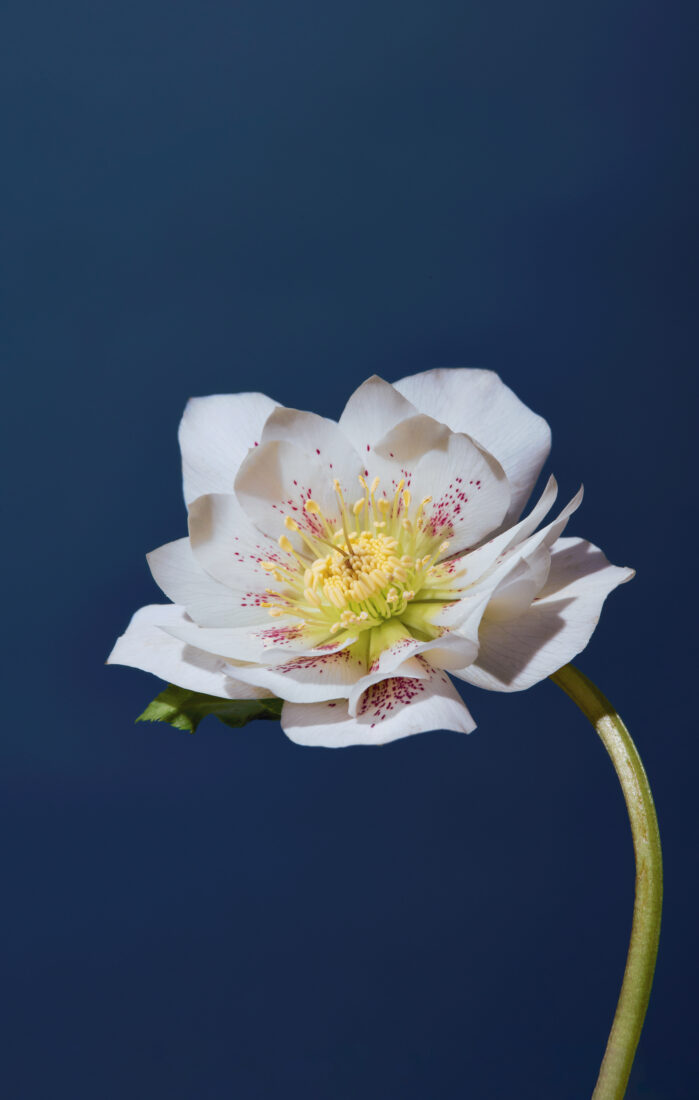
Experiment with white and light-colored flowers of all sorts: creamy zinnias, sweet pea blossoms, and bold hellebores, sometimes called lenten roses. “And flowering tobacco (nicotiana) offers handsome flowers all day,” Farmer says, “but saves its spicy, jasmine perfume for nightfall.”

5. Go for the silver.
“Don’t forget about foliage,” advises Katie Tamony, a plant expert and trendspotter at the wholesale plant nursery Monrovia. “Silvery foliage adds a shimmering look that is especially striking in the evening garden.”
6. Dive deeper with southern experts.
Farmer’s latest book, Secrets of Southern Gardening, includes a chapter on night gardens with such helpful tips as this: “Transplanting tender seedlings in the evening reduces shock and conserves moisture.” And 1993’sThe Evening Garden: Flowers and Fragrance from Dusk Till Dawn, by the now-ninety-two-year-old Asheville writer and illustrator Peter Loewer, remains the printed authority on the subject.
7. Get on solid footing
During evening parties at her garden in Camden, South Carolina, the landscape architect Mary Palmer Dargan hands guests small flashlights to wander on their own. “For safe footing, stepping stones are very useful,” she says, “and I minimize grade changes in a garden explored at night.”
8. Infuse (and drink in) scent.
“Sit with your back against a magnolia,” Dargan says. “It wraps its arms around you and marinates you in fragrance.” With the lights low, notice how a garden’s floral perfume becomes undeniable.
9. Ease up on the artificial lighting.

“Though moonlight is always the best, subtle down-lighting is lovely,” Callaway says of path lights. “And on calm nights, big candles and lanterns are a magical flickering touch.”
10. Plan a fete around a flower.

“In the cool of the evening, there is less pressure to prune, weed, or tidy up,” Tamony says. But any warm, breezy evening offers a chance to unwind outdoors. Perhaps do as Eudora Welty did in Jackson, Mississippi, and throw a celebration to wait for and gasp at the night-blooming cereus, a cactus that unfolds its white-petaled flowers for only one evening per year. And at his South Carolina crinum lily patch, Farmer hosts an annual Moth Ball featuring shadow puppet performances and walks guided by bug experts to welcome the pollinators that dance under the moonlight.
Floral design by Max Diego for Gathering Events
CJ Lotz Diego is a Garden & Gun deputy editor. A staffer since 2013, she wrote G&G’s bestselling Bless Your Heart trivia game, edits the Due South travel section, and covers gardens, books, and art. Originally from Eureka, Missouri, she graduated from Indiana University and now lives in Charleston, South Carolina, where she tends a downtown pocket garden with her florist husband, Max.
Garden & Gun has affiliate partnerships and may receive a portion of sales when a reader clicks to buy a product. All products are independently selected by the G&G editorial team.