Sponsored Content

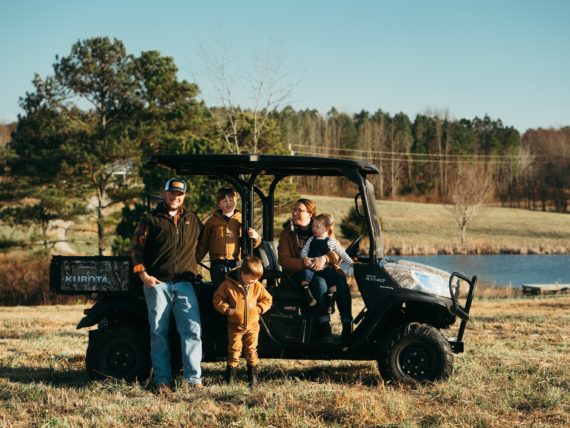
In Northeast Alabama, the Clark family chases a simpler way of life

Illustration by John Burgoyne

Illustration by John Burgoyne
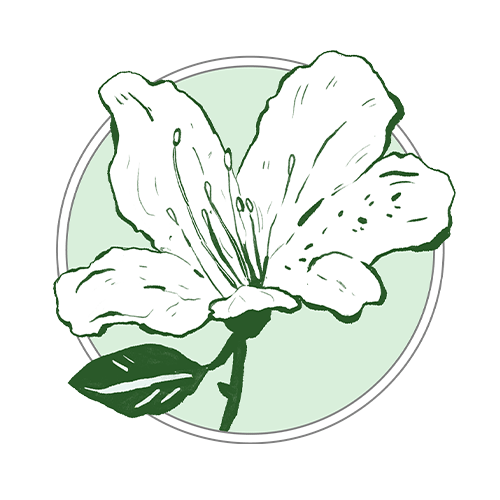
Their appearance at Augusta National during the Masters makes these shrubs famous worldwide.
Where it grows: Woodlands across the South, and especially near the Appalachian mountains.
How to identify: Look for a woody green shrub with flowers in pink, white, red, or purple. Azaleas can grow into giant sprawling bushes or gardeners can prune them into a hedge.
Fun fact: Azaleas always bloom in the spring but Encore varieties bloom again in the summer and fall.

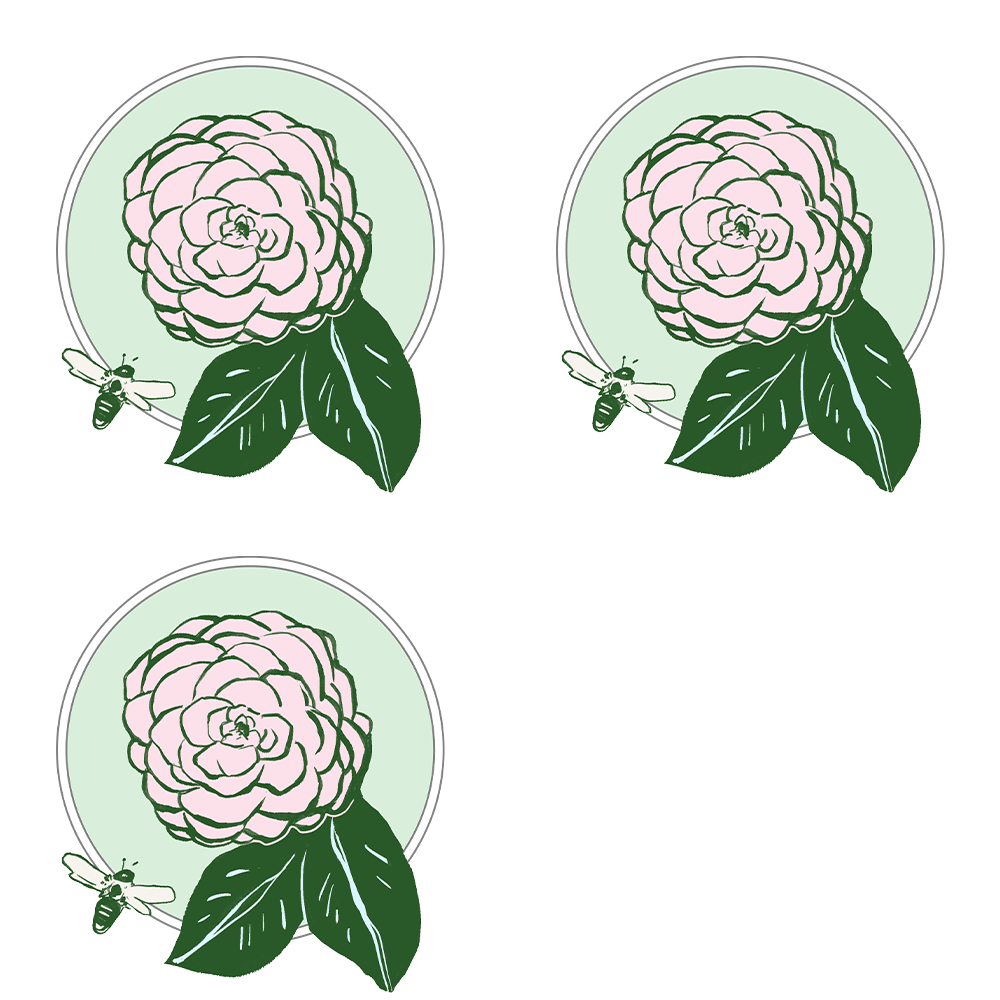
Elegant, often symmetrical beauties put on a pink, red, or white show come winter.
Where it grows: Native to Asia, botanists brought camellias to the coastal South in the 1700s.
How to identify: Leathery dark green evergreen leaves cover the shrubs year-round, but cool weather brings out the gorgeous symmetrical pink, red, or white blossoms.
Fun fact: When you see a plant covered in red blooms in December, you’ll understand why the camellia’s nickname is the “rose of winter.”

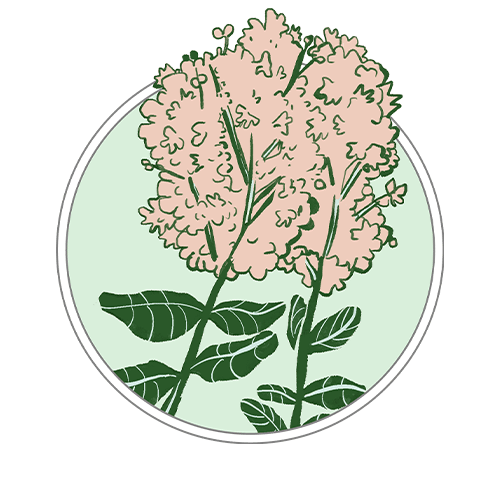
Layered pink, purple, or white petals wrinkle and wave like crepe paper.
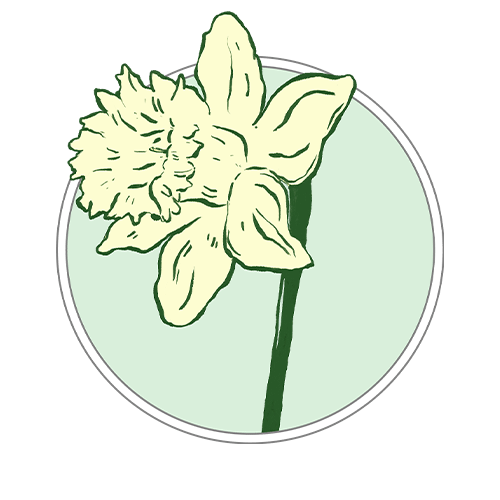
Where it grows: Humid, warm, sunny climates.
How to identify: Dark green leaves crown both the tree and bush types of crape myrtle, whose flowers are fluffy clusters of color that explode into a riot of color during the summer.
Fun fact: Even the bark of this tree is strikingly colorful.

The sunny trumpeters of springtime bloom golden every year.
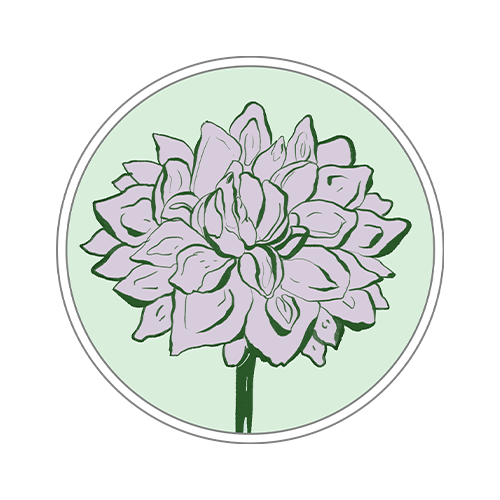
Where it grows: Most regions of North America, and in many places across the world—they’re quite hardy.
How to identify: Daffodils poke up their green stems and leaves in the spring and feature a recognizably cheery flower with a bell-shaped cup framed by yellow petals.
Fun fact: The genus narcissus includes daffodils, jonquils, and paperwhites.

This cool-air lover comes in every color imaginable and is fond of mountain gardens and fall weather.
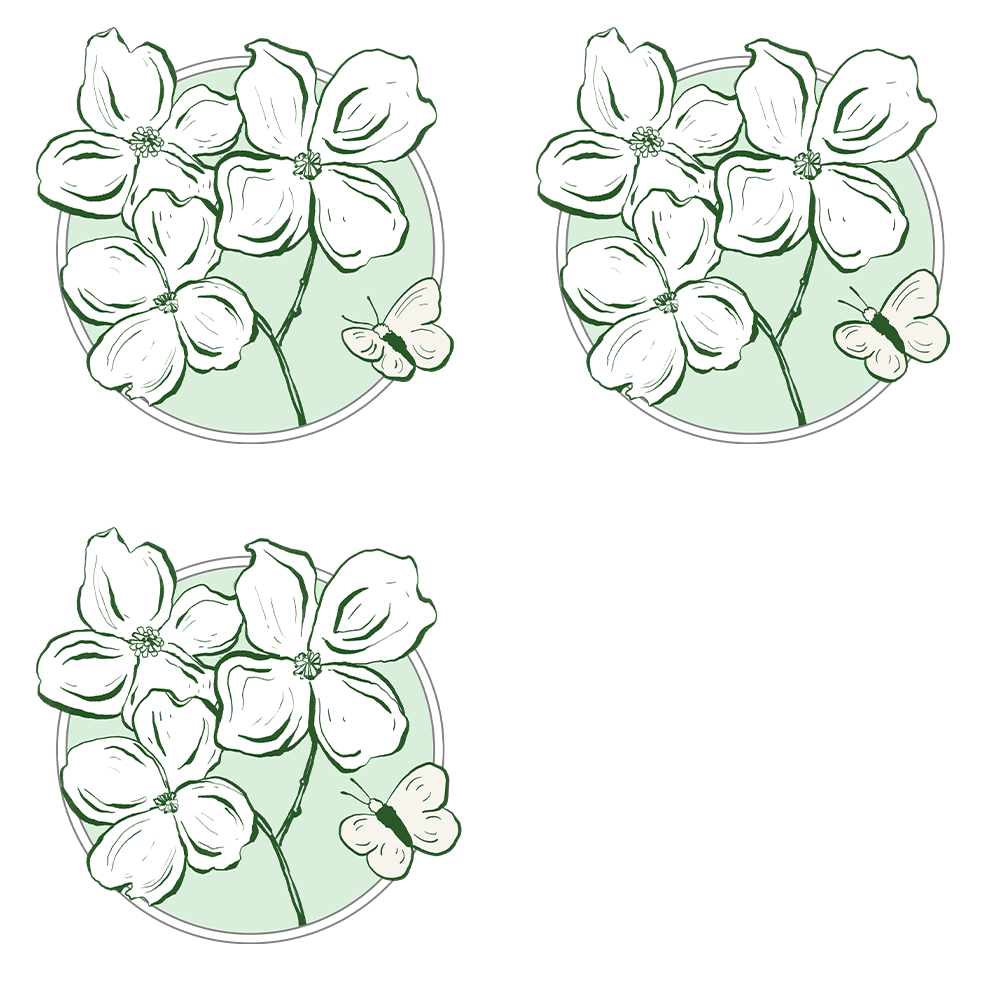
Where it grows: Moist, mild regions including the mountain South.
How to identify: Large flat or slightly cupped flowers come in all colors atop tall stems; the dinner plate varieties can span a foot.
Fun fact: Originally cultivated by the Aztecs, dahlias are perennial flowers that survive until frost. Gardeners often dig up their tubers between seasons and replant in spring.

Understated elegance blooms in the four white “petals” that are technically leaves.
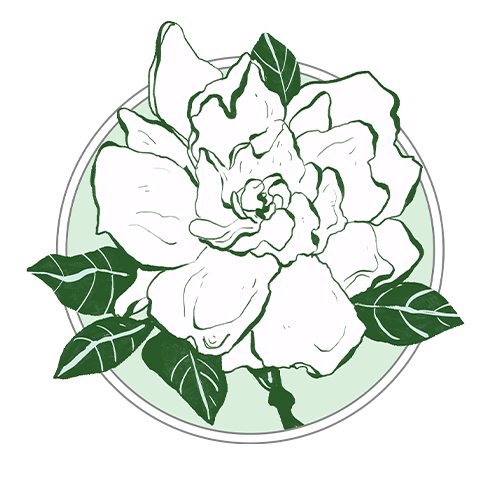
Where it grows: Along much of the Eastern United States, from Canada down to the Gulf Coast.
How to identify: Smooth, oval leaves and white flowers cover stately trees with grayish bark.
Fun fact: The flowering dogwood is the state flower of North Carolina; Virginia listed the dogwood as its flower in 1918, and as the state tree in 1956.

Delicate, waxy white gardenia flowers emit an intoxicating, complex perfume.
Where it grows: Native to the tropics and subtropics, fragrant gardenias grow in the warm South and are worthy candidates for container gardening.
How to identify: Atop dark green leaves, the flowers feature heavy white petals that spiral into a white or yellow center.
Fun fact: Gardeners often float blooms gently in a bowl of water as a striking display.

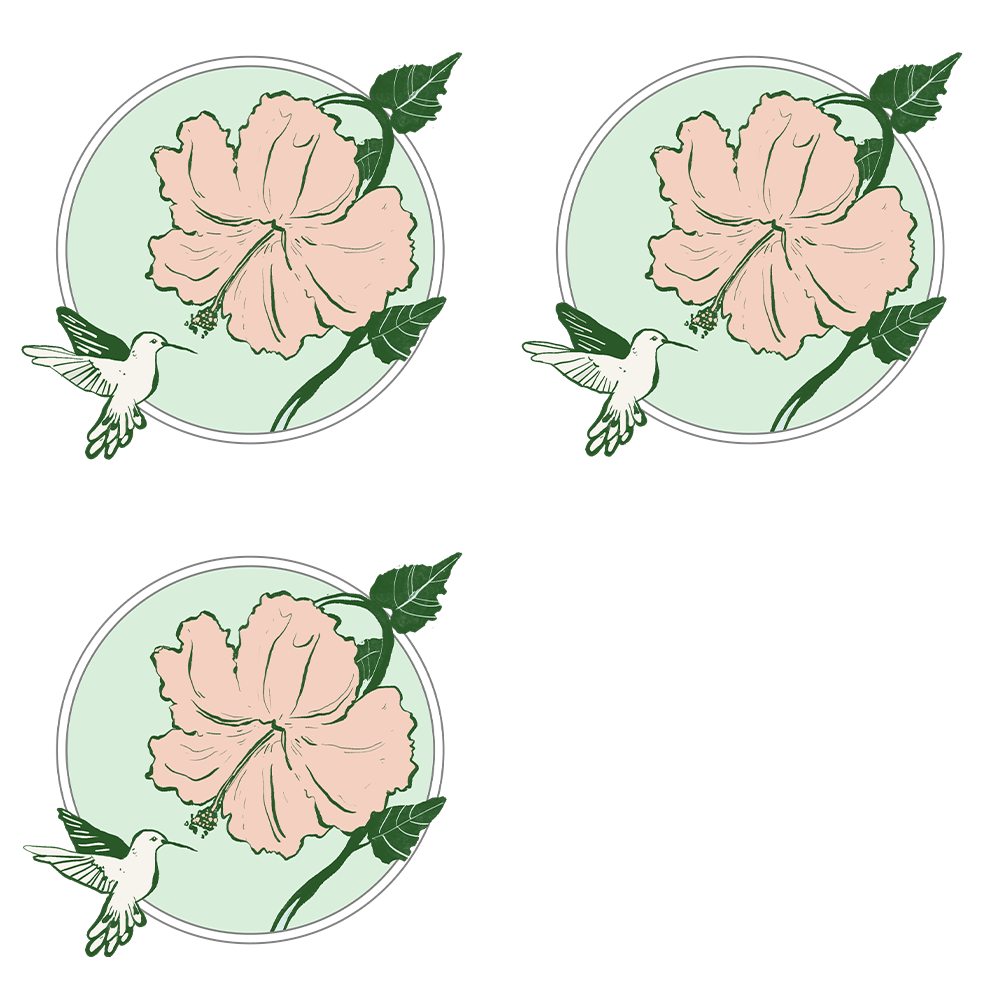
The tropical bloomer draws hummingbirds, butterflies, and cheer-seeking admirers.
Where it grows: Several hundred species are native to temperate, subtropical, and tropical areas.
How to identify: You’ve probably seen depictions of bright hibiscus flowers on tropical shirts and beach post cards, and the real thing is just as stunning—huge red, yellow, white, or orange blooms.
Fun fact: The scarlet rosemallow hibiscus is native to Florida and puts out striking, long red petals.

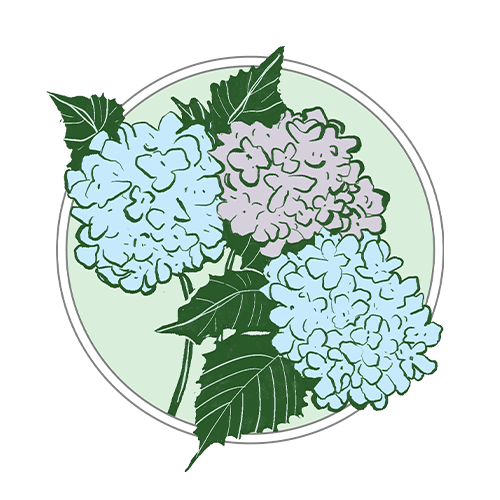
Blousy puffballs of petals burst out in shades of purple, blue, cream, and lime green.
Where it grows: Where there’s morning sun and partial shade (they love mild weather across the country).
How to identify: The most popular varieties show off large, round clusters of flowers, often in purple hues. Some feature white flowers or long cone-shaped blooms.
Fun fact: The beautiful Oakleaf hydrangea is known for both its flowers and striking leaves.

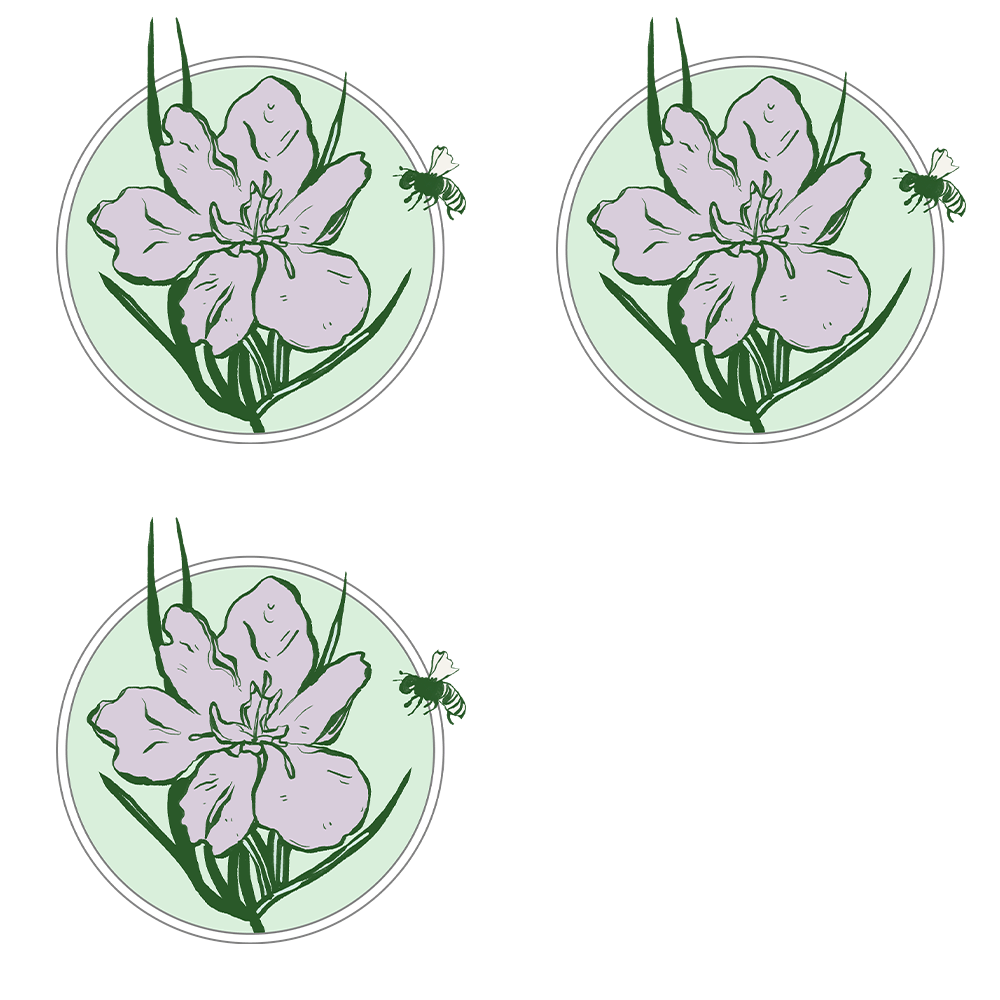
Blue, white, or purple Louisiana irises call Southern swamps and coastlines their native home.
Where it grows: Across a wide area of North America, especially in temperate zones, bogs, and riverbanks.
How to identify: Six “petals” (three true petals, called standards, stand upright and three sepals droop out and are called “falls”) form a sculptural flower.
Fun fact: Blue Louisiana irises are indigenous to the Gulf Coast and grow wild in swamps.

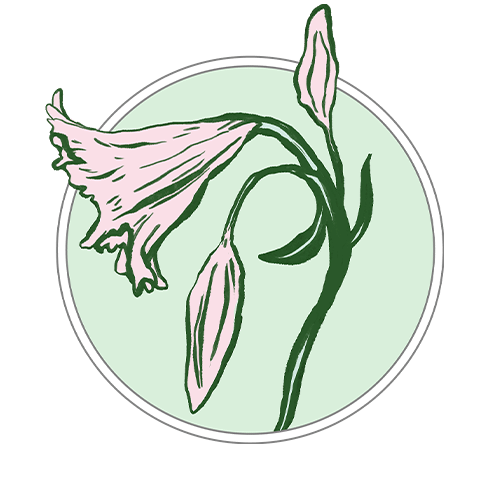
Lilies are one huge, happy family that includes the crinum, which hangs out all over the South.
Where it grows: Many Southern varieties bloom best in marshy areas like near the edge of a pond. The crinum lily is known for growing in cemeteries and along rivers.
How to identify: Sturdy, trumpet-like flowers in a huge variety of colors grow atop tall stems with long leaves.
Fun fact: Some night-blooming lilies attract evening pollinators such as moths to their fragrant white flowers.

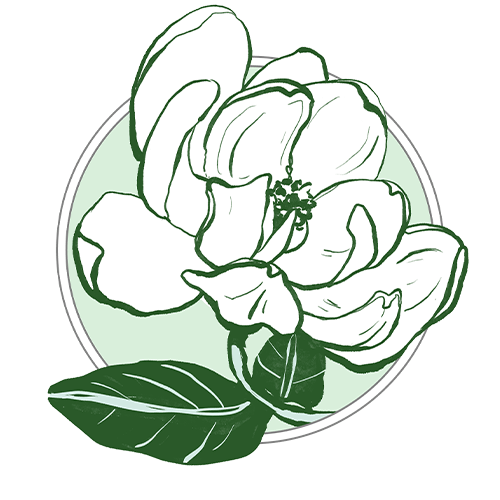
The queen of flowers, her petals unfurl to reveal a huge white bloom and wallop of a scent.
Where it grows: Natively in the southeast, from North Carolina to Florida and west to Texas.
How to identify: Stately trees bear huge shiny dark green leaves with a velvet brown underside; the elegant flowers bear thick white petals.
Fun fact: Magnolias can tower more than one hundred feet and they can live more than a century.

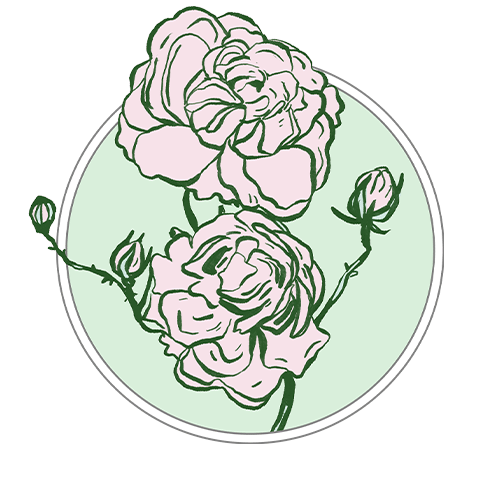
A classic, old roses grow for generations across gardens and parks the world over.
Where it grows: In gardens and parks across the world—see tons of varieties during the annual rose trials at Biltmore in Asheville.
How to identify: Roses can come atop long stems by the dozen, but they also grow as shrubs and climbers in the garden.
Fun fact: A rice farmer and a Frenchman in Charleston developed the light pink clustered roses called noisettes in the early 1800s.

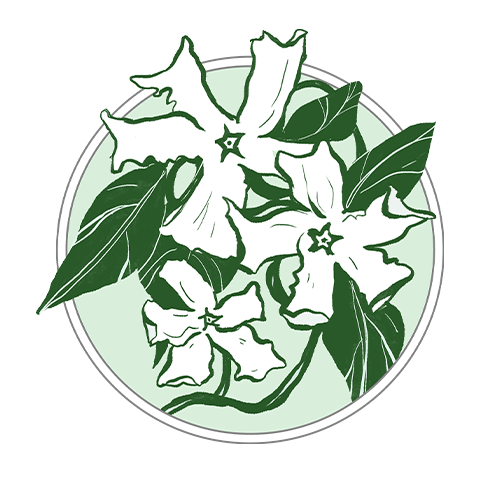
Tiny white flowers pinwheel in great numbers across mailboxes, fences, and arbors.
Where it grows: Throughout the Southeast, and as an evergreen in very warm areas.
How to identify: You can’t miss the swaths of tiny white flowers covering fences and archways in the South.
Fun fact: Although it’s not a true jasmine, the plant lets off a beautiful perfume.

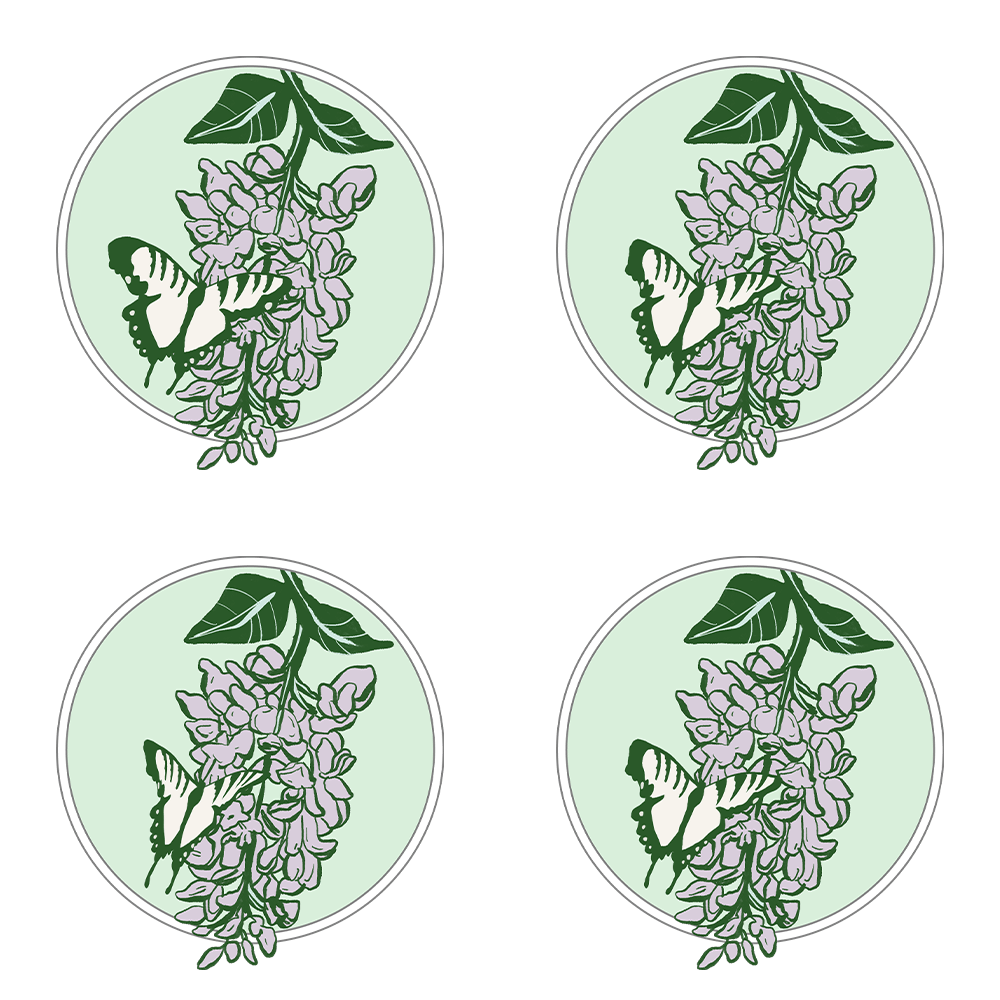
Grape-like clusters of purple flowers drape from vines, a stunning springtime spectacle.

Where it grows: Naturalists encourage gardeners to plant the native variety, American wisteria, which has a native range across almost the entire eastern part of the country.
How to identify: Woody vines climb and droop huge bunches of flowers that show off a lilac hue.
Fun fact: A cultivar of Kentucky wisteria called ‘Blue Moon’ sprouts grey-blue clusters.
Illustrations by Gabriela Gomez-Misserian
Sponsored Content

In Northeast Alabama, the Clark family chases a simpler way of life
Sponsored Content

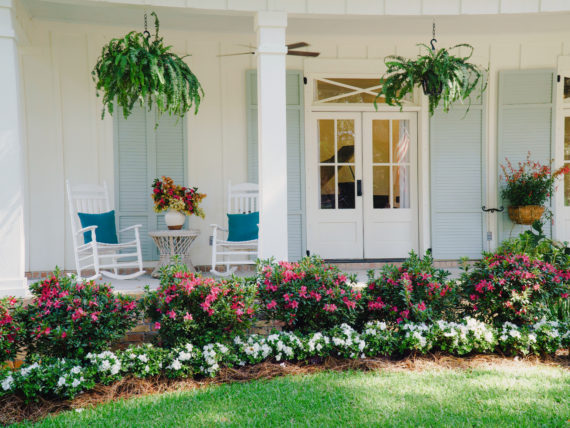
Season-defying wonders, Encore azaleas deliver vibrant color in spring, summer, and fall
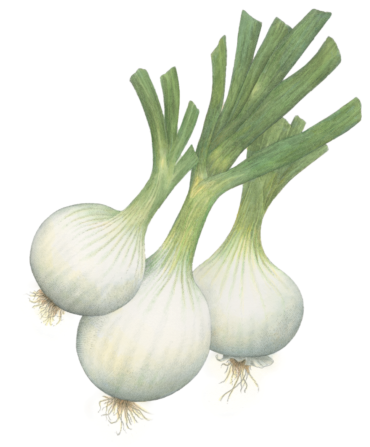
Add crunch and color to your springtime spread with these fresh-picked favorites
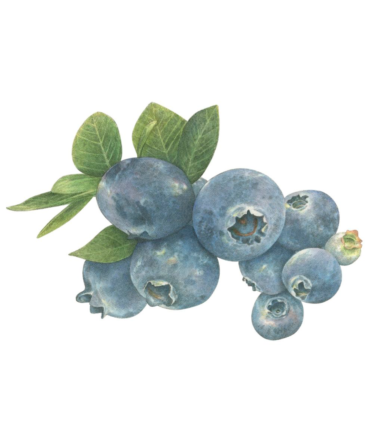
Harvest these summer staples for barbecues, baking, and beyond
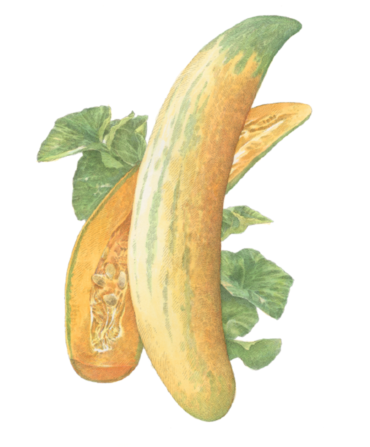
Use apples, pumpkins, and squash to inspire cozy autumn dishes
Brighten your winter plate with sweet citruses and hardy greens
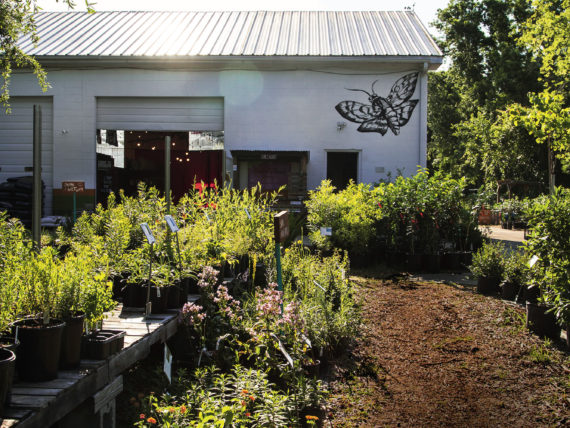
These standout Southern garden centers have the inventory and knowledge to assist any project

Editors and contributors share the trusty tools that help them become better green-thumbs
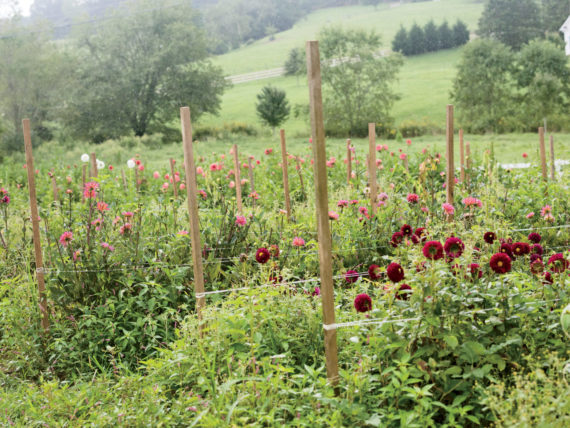
Private gardens and public greenspaces bring charm and beauty to Southern landscapes
Green-thumbs all over the South share their stories, tips, and tricks

Keep up with