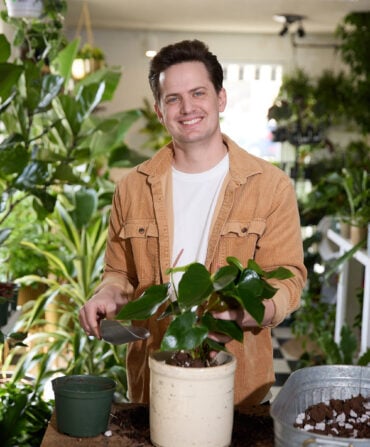
It’s a tomato jungle out there. Ever-evolving pests, blights, and myriad other growing challenges lurk between you and that perfect orb plucked fresh and glowing off the vine at the height of summer. That’s why Frank Hyman, the North Carolina–based horticulturist, garden educator, and all-around ’mater guru, has written Ripe Tomato Revolution, a comprehensive, compost-to-kitchen update to the classic tomato-cultivation library. The first question, naturally, is which of the zillion tomato varieties to grow, especially if you can plant only a few. Luckily, Hyman was happy to weigh in with his go-to favorites across several culinary categories.

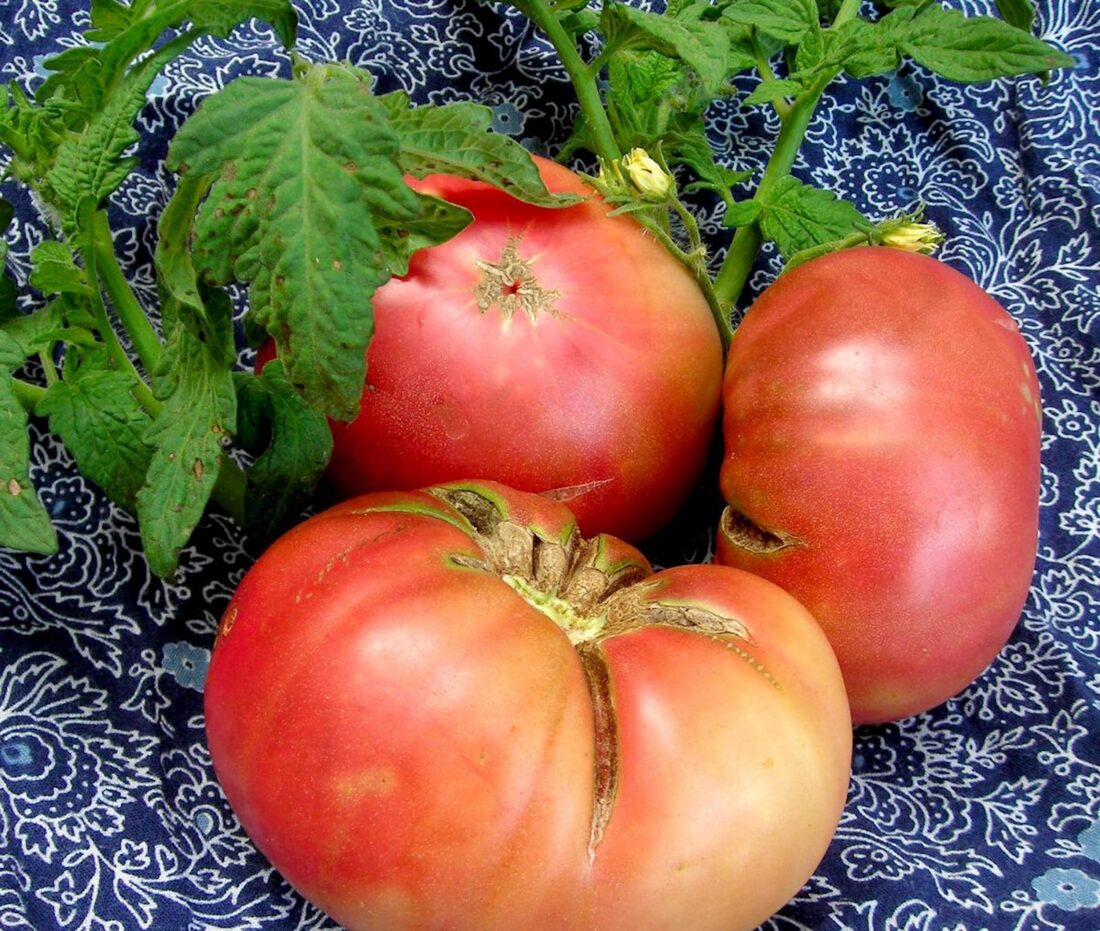
A big ol’ slicer: German Johnson
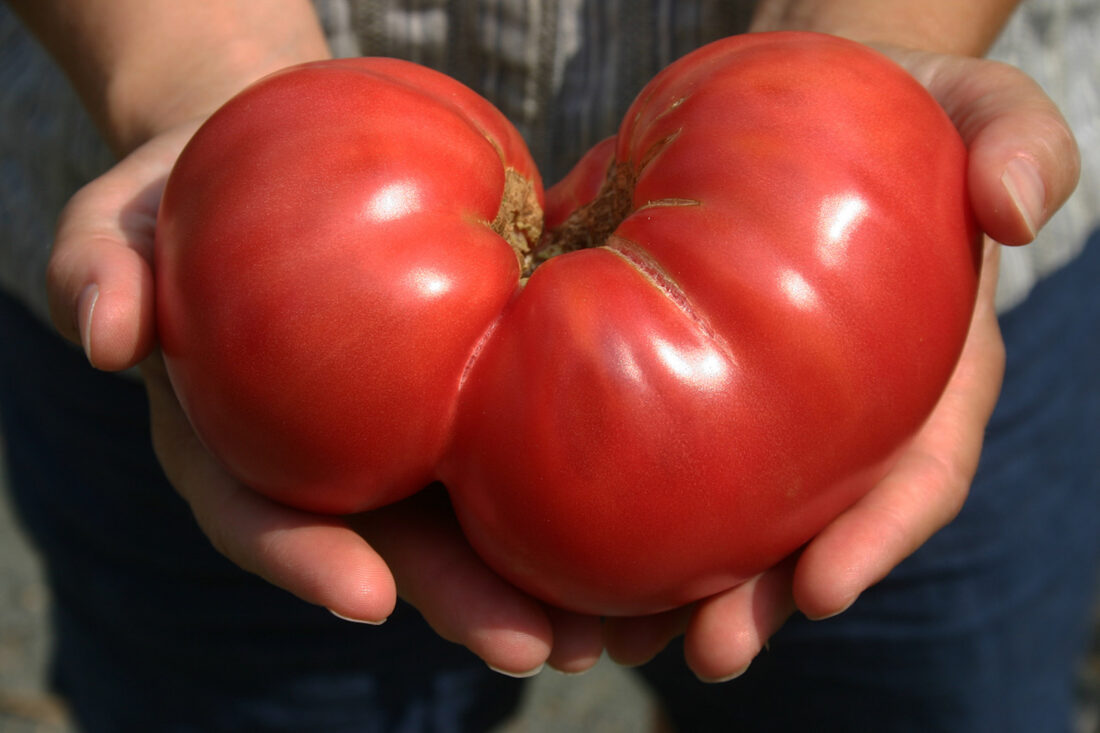
Hyman likes this pinkish, Brandywine-type heirloom variety for its disease resistance and full size, and loves it for its deep tomato flavor and firm flesh that withstands slicing intact. “I like slicing a tomato thin so that I can get the texture of several slices on a sandwich instead of one thick slice,” he says. “People say they like low-acid tomatoes, and German Johnson is sometimes described that way, but actually it just has a sugar level that offsets the acidity. The result is mild and quite tomato-y.”
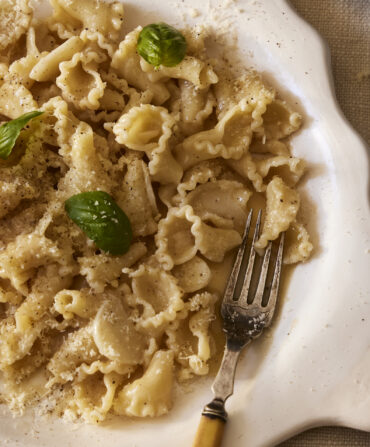
For making sauce: San Marzano
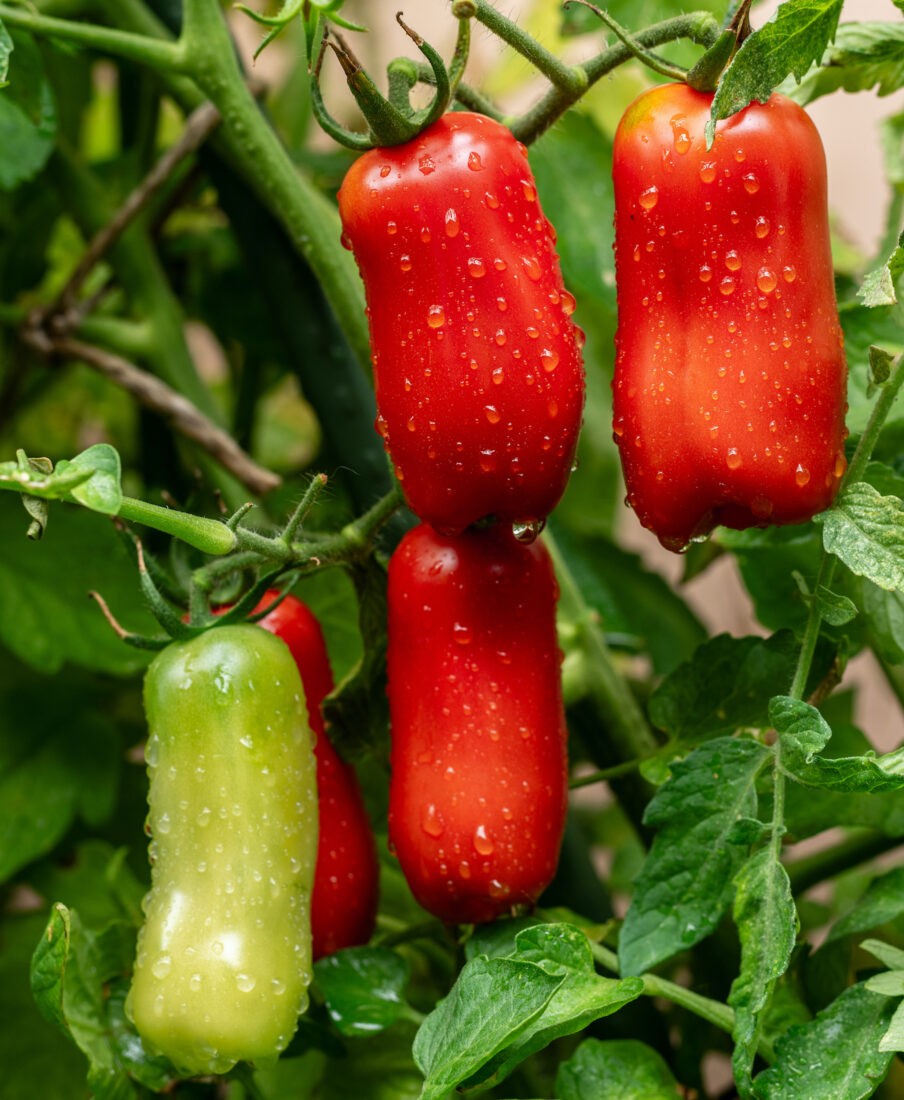
Hyman’s wife is among the legions who swear by this plum tomato even when it’s cultivated far from the volcanic soils of its native Southern Italy. “You can make sauce from any tomato, but paste tomatoes like San Marzano have less moisture, so you can cook less and preserve that concentrated flavor,” he says. “Also, it’s a determinate variety, so the plant grows about four feet high, stops, and produces a long season’s worth of fruit in about a six-week period. That’s good if you’re wanting to gather enough tomatoes to put up sauce.”
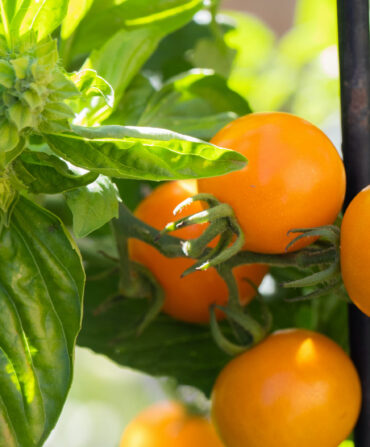
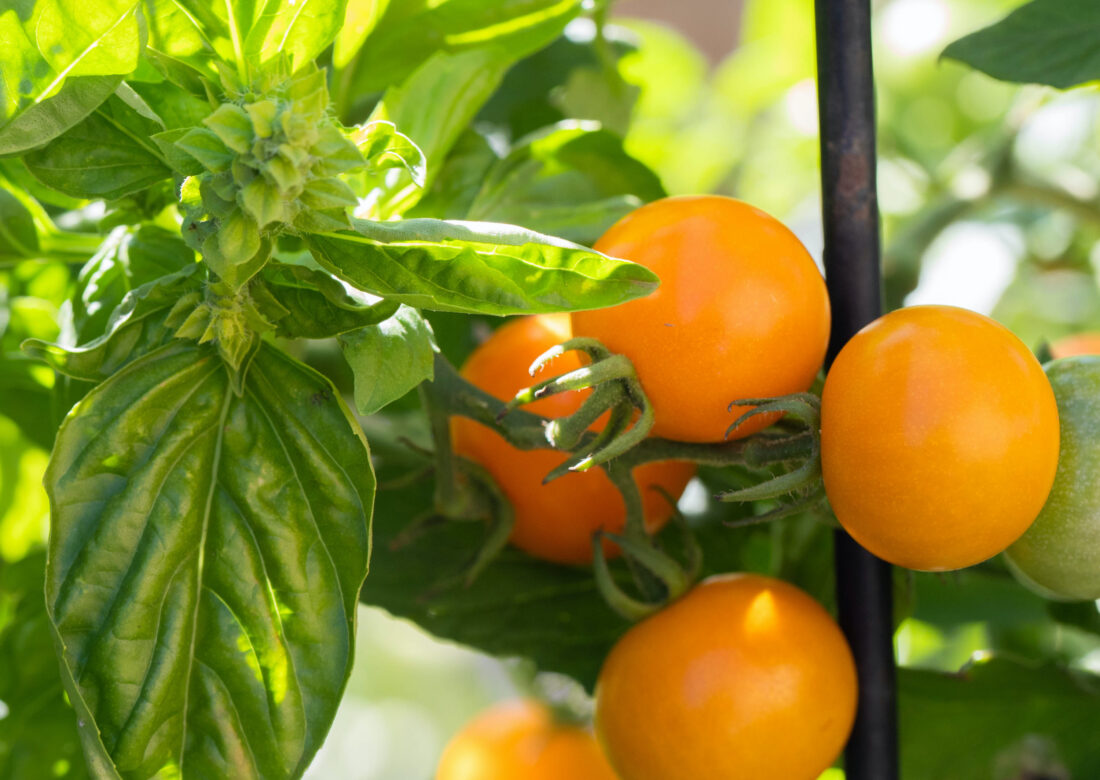
A sweet, sweet cherry: Sungold
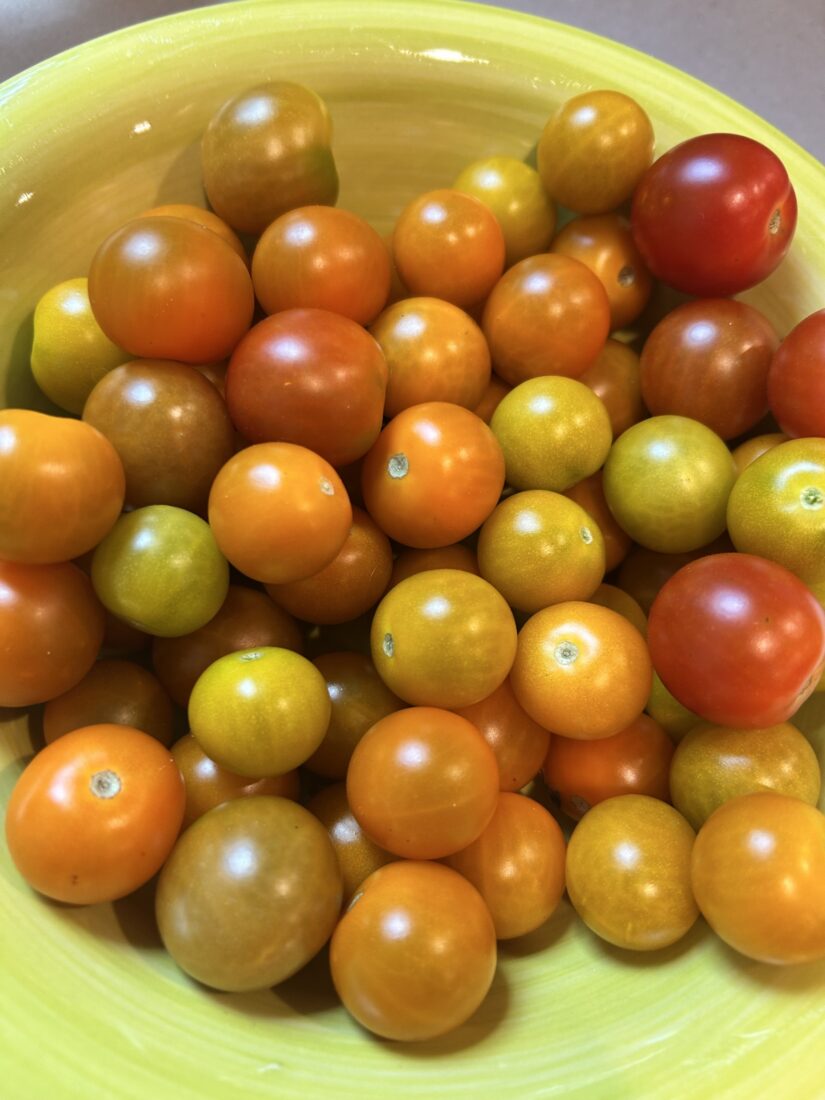
Sweet and fruity without sacrificing tomato taste, yellow-orange Sungolds really brighten up a salad—if you can resist popping them into your mouth straight off the vine. “Most people think cherry tomatoes were created by some plant breeder, but they’re actually the original tomatoes from the coast of Chile, and breeders created bigger tomatoes from them over generations,” Hyman says. “Cherry tomatoes tend to attract fewer bugs and diseases, so if you’re fed up with that, just grow all cherry tomatoes for less bother in the garden.”
A breakout container star: Rosella Purple
Though indeterminate, the Rosella Purple is a dwarf variety that grows to only three or four feet on a stout central stem, making it a good choice for raising in a small garden or at home in a patio pot. Maturing at about half a pound, the dusky purplish fruit is deemed by Hyman a “small-scale slicing tomato with a more acidic, snappy tomato flavor.” Many people liken its well-balanced taste to Cherokee Purple, with the benefit of being easier to grow.
Steve Russell is a Garden & Gun contributing editor who also has written for Men’s Journal, Life, Rolling Stone, and Playboy. Born in Mississippi and raised in Tennessee, he resided in New Orleans and New York City before settling down in Charlottesville, Virginia, because it’s far enough south that biscuits are an expected component of a good breakfast.
Garden & Gun has an affiliate partnership with Bookshop.org and may receive a portion of sales when a reader clicks to buy a book. All books are independently selected by the G&G editorial team.