
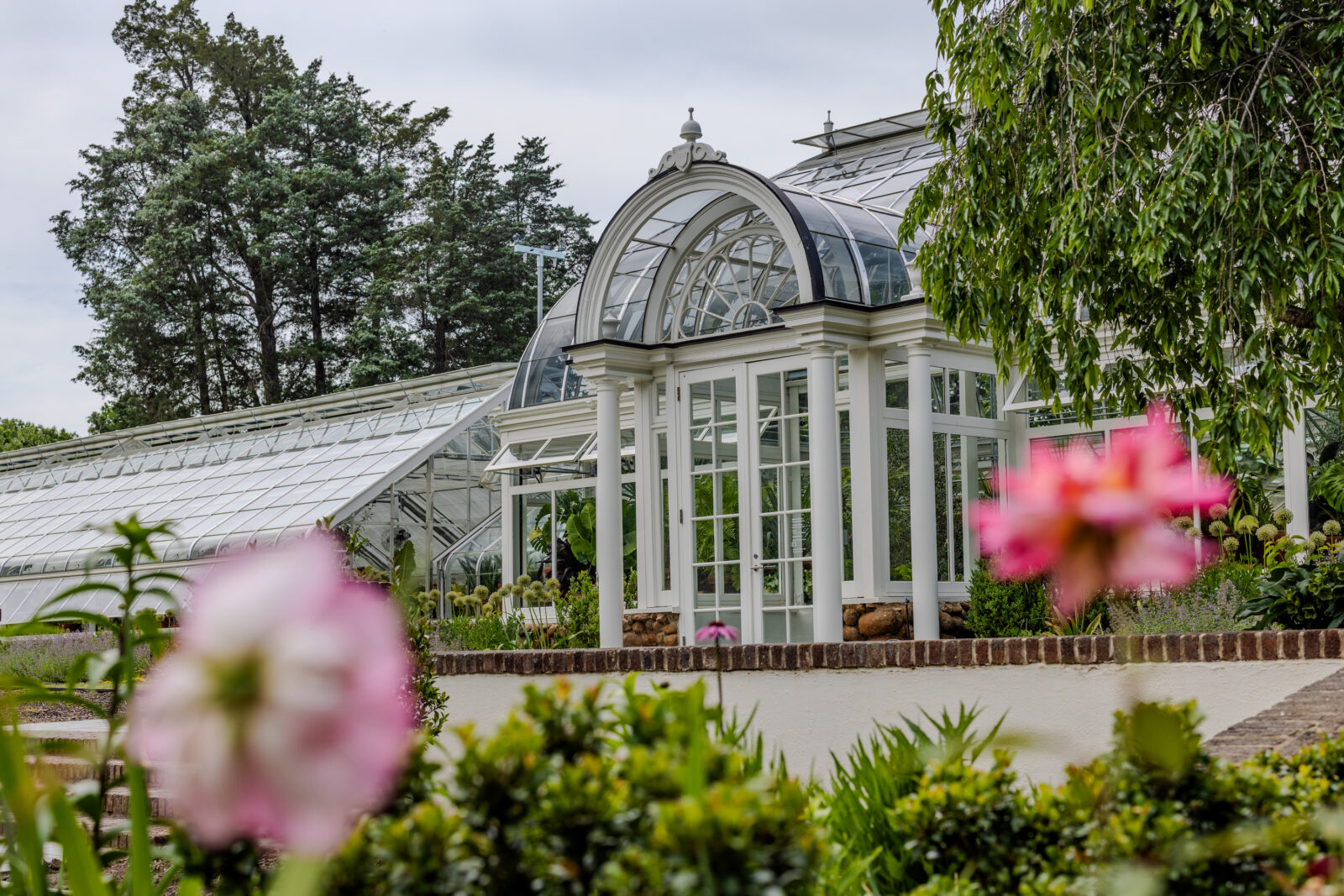
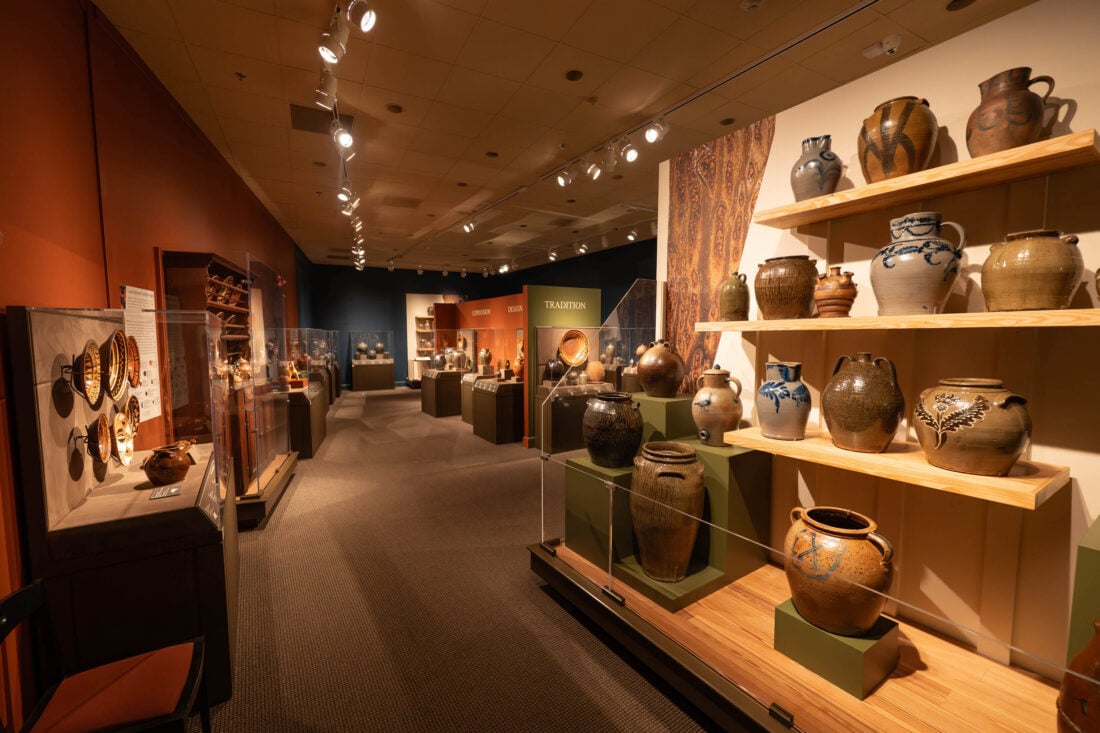
Birthdays and anniversaries are wonderful reminders to contemplate our heritage, but a city like Winston-Salem needs no occasion. History is palpable in this centuries-old North Carolina settlement: It smells like sugar cake fresh from the ovens at Winkler Bakery, the oldest operating bakery in the nation. It feels like a gentle breeze as you walk the trails of Reynolda Gardens, established 1917 as part of the grand Reynolda estate. It looks like the largest and most renowned collection of early-American decorative art objects at MESDA, aka the Museum of Early Southern Decorative Arts. While the nation marks its semiquincentennial this year, Winston-Salem carries on daily celebration of its Moravian roots even as it looks toward a vibrant future.
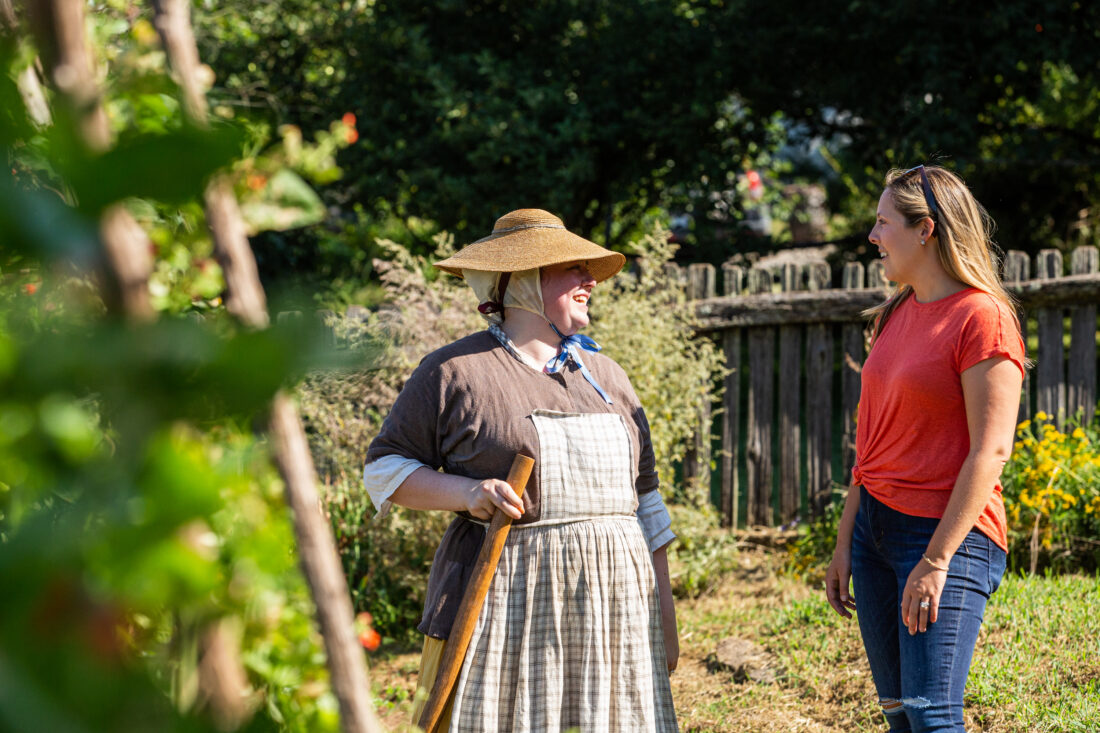
Centrally located in the state’s Piedmont region, Winston-Salem has long been a hub of industry, art, and education—all grounded in the Moravian ideals of egalitarianism and simplicity. Indeed, when the German-speaking Protestants from Central Europe arrived in what is now called Old Salem in 1766, they built a welcoming community guided by the principle “in all things, love.” It centered around Home Moravian Church and Salem Academy & College (the nation’s oldest still-operating all-female educational institution) and comprised more than one hundred picturesque buildings—twenty-two of which now serve as exhibition buildings with costumed interpreters demonstrating trades and illuminating history.
But you don’t have to venture far from Salem Square—site of the nation’s first documented Fourth of July celebration (1783)—to glimpse the city’s modern identity. Just a mile away, the UNC School of the Arts buzzes with creativity as some of the country’s most promising students in performing arts, visual arts, and filmmaking refine their craft and present year-round theatrical productions, film screenings, and gallery exhibitions. The influence of Wake Forest University also stretches across the city, from its stately Reynolda Campus to downtown’s Innovation Quarter, where the former home of the R.J. Reynolds Tobacco Company has transformed into one of the nation’s fastest-growing urban research parks, animated by outdoor amphitheaters and award-winning restaurants. In early fall, MUSE Winston-Salem will open downtown, just steps from Old Salem, with immersive and interactive exhibits designed to bring the city’s history to vivid life.
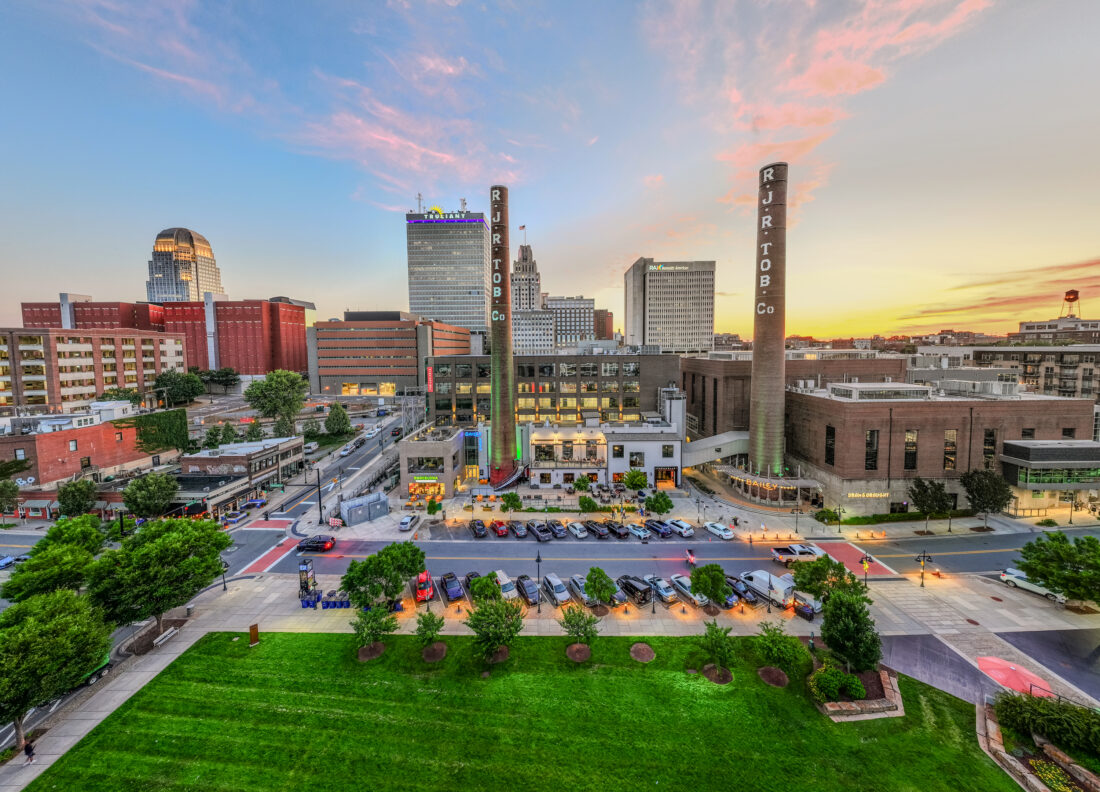
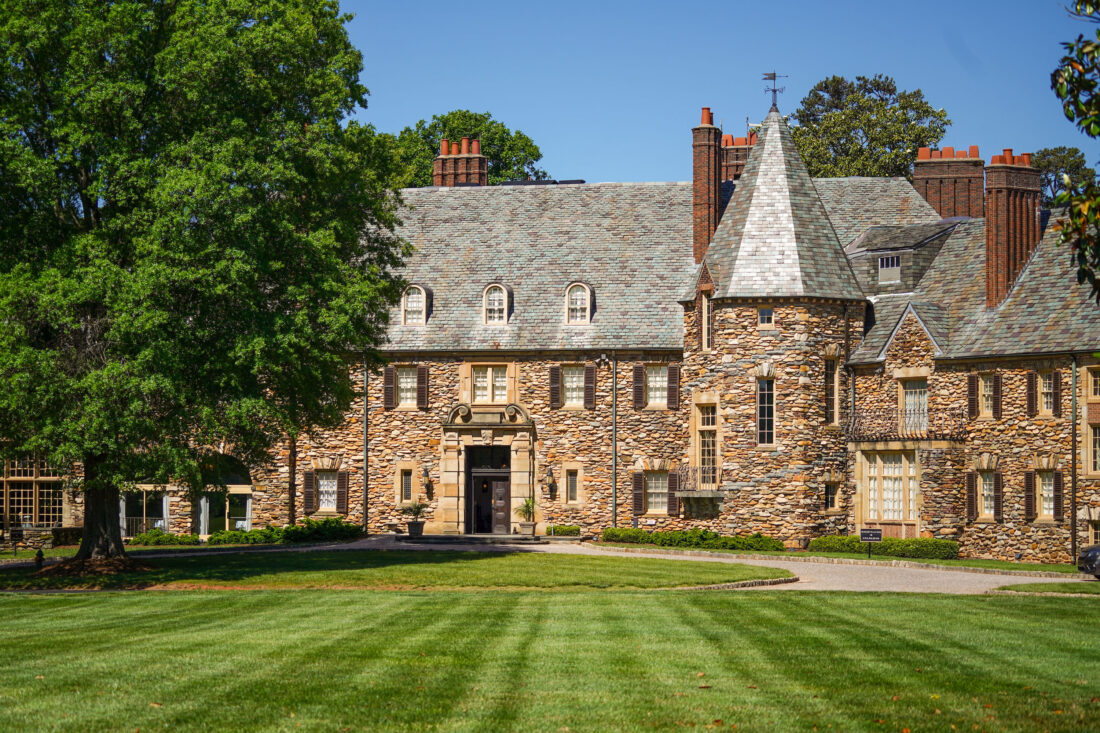
More proof that history is always evolving in this layered city: The circa-1929 R.J. Reynolds headquarters, once heralded as the Empire State Building of the South, is now the swanky Kimpton Cardinal Hotel—one of several historic properties to be converted to a hotel or inn. That list includes Graylyn Estate, the 1932-built home of former RJR executive and area philanthropist Bowman Gray, and the Brookstown Inn, built as a cotton mill in 1835. But whether you stay in a storied property or book a guided tour of Old Salem’s heirloom gardens, let Winston-Salem transport you to a place where community, craftsmanship, and creativity are trademarks, then as now.
Plan your Winston-Salem Trip at visitwinstonsalem.com