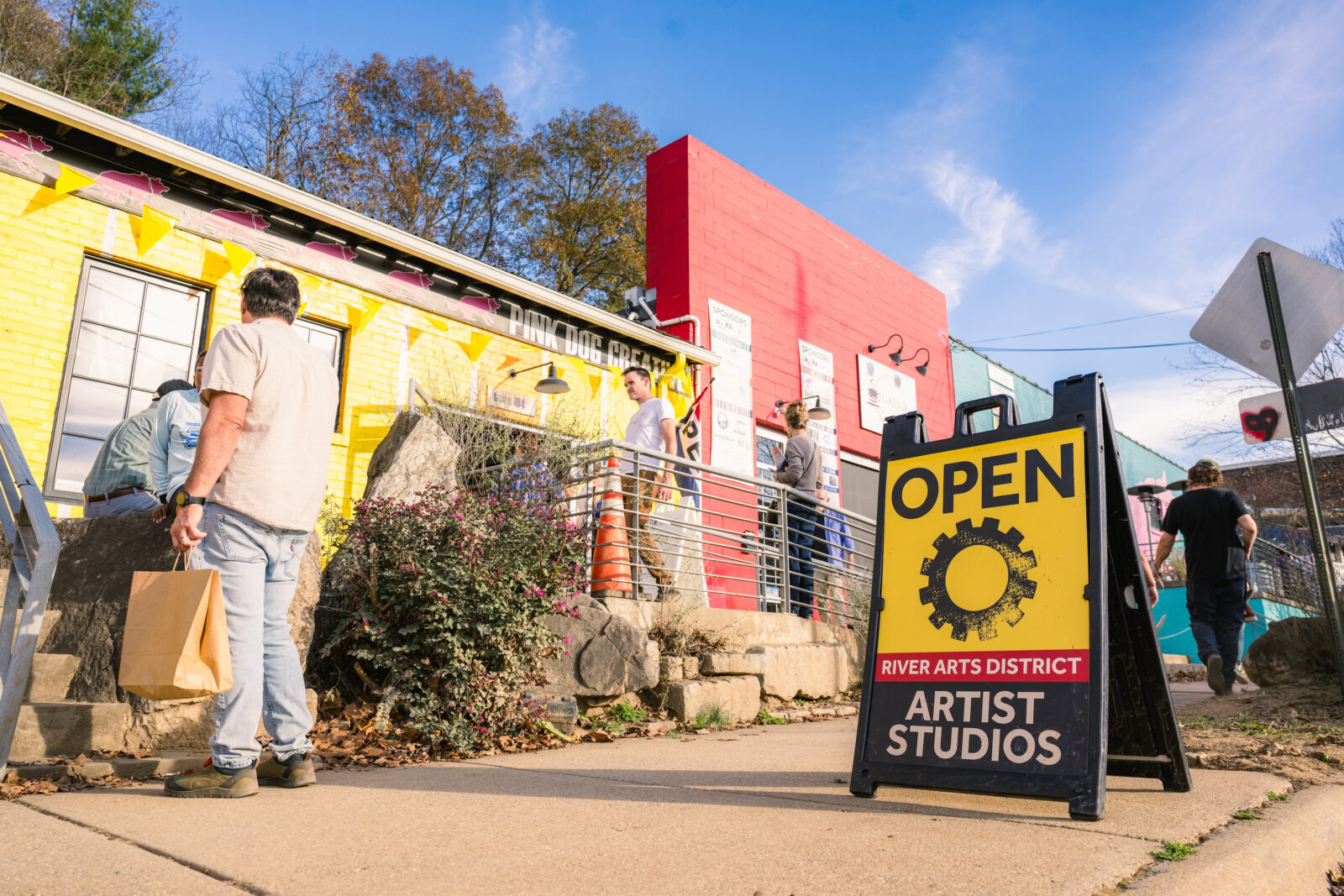
One year ago, Hurricane Helene poured an estimated forty trillion gallons of rain on Asheville and surrounding Western North Carolina. The devastation was unprecedented. Entire towns washed away, hundreds of people lost their lives, and thousands more lost their homes and businesses. In the direct aftermath of the storm and in the following months, G&G reported numerous stories—of daring rescues, of businesses building back, of the impacts on native wildlife, of chefs feeding their communities.
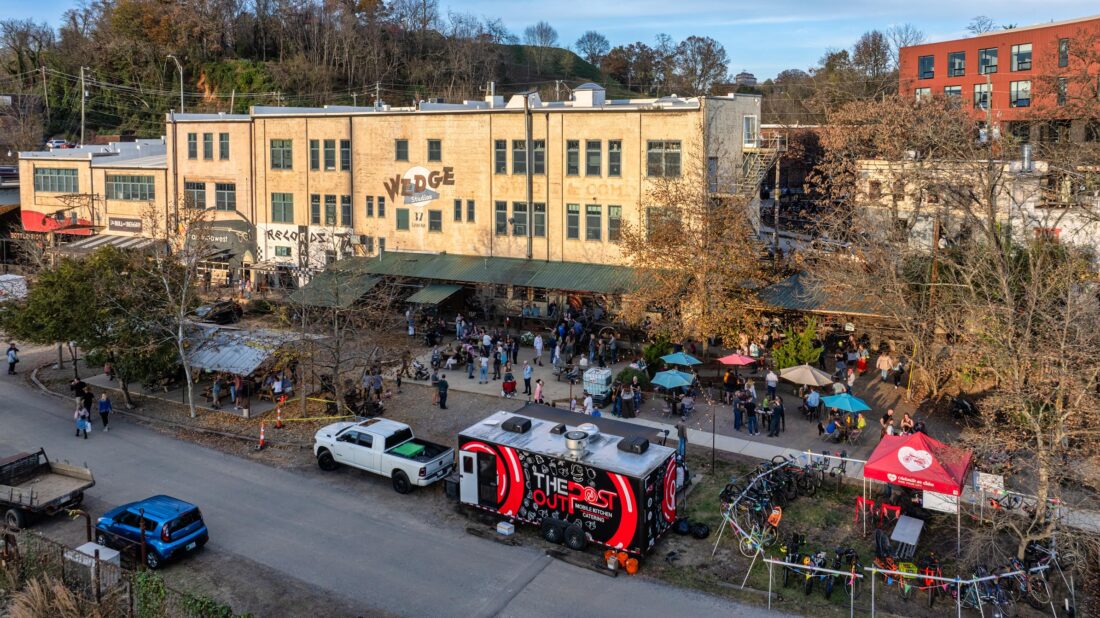
In honor of the progress that has been made and the long road still ahead, we asked community leaders—from biologists to business owners—to weigh in on what the last year has been like, and what gives them hope for the future. Read their answers below.
Carol Pritchett, mayor of Lake Lure
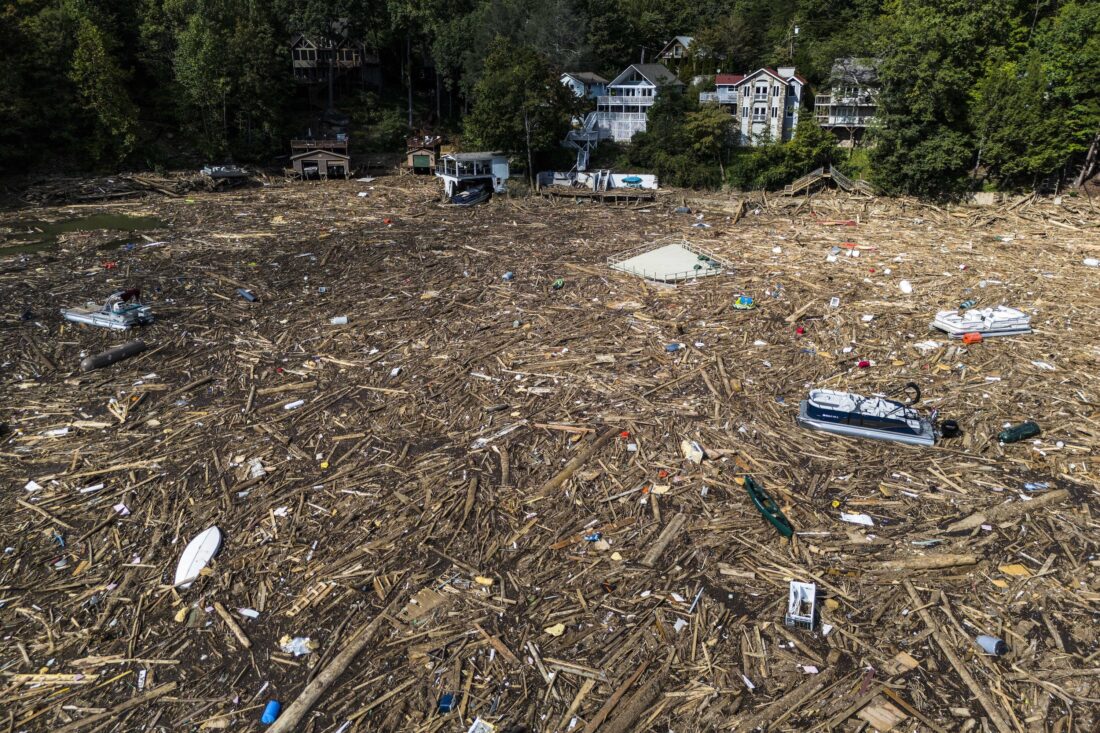
When I first viewed the devastation left behind by Hurricane Helene, my heart sank. It was like a part of our town’s soul had been torn away. The beauty of the lake—our infrastructure, roads, homes, businesses, our historic Flowering Bridge, our community overall—was battered beyond recognition.
Even in those first moments of heartbreak, what struck me most was the quiet courage of our residents and staff. Our firefighters and emergency responders risked their lives to save others without hesitation. Neighbors helped neighbors. Volunteers from all over the country came to Lake Lure to lend a hand, cook a meal, clear roads, and restore homes. Our town staff came together and worked countless hours to rise above the flood, the mud, and the devastation to help their community. That’s when I knew we would rebuild together—not just the structures, but the spirit of this town.
Alex Matisse, CEO and co-founder of East Fork Pottery
The thing about humans is that we really are stubbornly and beautifully resilient, and it’s in our nature to keep going. We pick up the pieces and the parts as best we can, and life keeps moving, and you move with it. That is what this last year has felt like. There are places that feel like they just dried out from the flood and will not return to any semblance of what they were before in our lifetimes, and then there are places that, through sheer force, will, and love, are alive again, buzzing with energy.
In the aftermath of the storm, East Fork chose to donate 5 percent of all gross sales to relief efforts and nonprofits working on the ground. We mobilized over $550,000 back into our community. Outside of our business, there were small things that were deeply moving, too, like the first time Connie, my wife, and I visited Marshall and saw some of our old friends and business owners, like Josh from Zadie’s and Joel from Zuma Coffee. Joel walked us over to a cafe table that had a beautiful painting on it under a coat of shellac and told us the story of someone finding it in a pile of debris miles and miles down the French Broad and bringing it back to him.
Shelton Steele, co-owner, Wrong Way River Lodge & Cabins
This last year has been a roller coaster emotionally and financially. I’ve learned to hold those things you cannot control a little more loosely. But month over month, I can feel the momentum of recovery building. All those little pieces coming back together to make Asheville and Western North Carolina whole again.
Two weeks after the flood, we gathered with a hundred of our surrounding neighbors to host a barbecue dinner at the local elementary school. Our friends from the Chop Shop Butchery anchored the barbecue with delicious pulled pork tacos, and it was an evening of big smiles and tears of gratitude—a moment of reprieve from the daily hardship. Fast forward a year, and we just hosted a fly fishing festival celebrating how the river brings us together, not apart.
JJ Apodaca, executive director of the Amphibian and Reptile Conservancy
We have all seen the images of Helene that made the news, but what you don’t realize in a disaster like this is that you recognize something new every day. Those little anchors that make where you live feel like home are gone—your favorite tree, a mural you loved, the person you always saw walking their dogs. For a while you are aware that your community is the center of the nation’s hearts and minds, which is weird. And then you are yesterday’s news as the real damage becomes clear.
If there have been floods of this magnitude in the deep past, which I doubt, these mountains had healthy waterways, heavily forested valleys, and abundant wetlands to act like sponges for heavy rains. We have spent the last few centuries preparing our ecosystems to collapse under the pressure of such an event. We drained millions of acres of wetlands, channelized streams and rivers, and deforested steep slopes. This was not exactly a “natural” disaster.
But I am extremely proud of the way our environmental community came together to fight for our ecosystems. The Amphibian and Reptile Conservancy helped rescue one of the rarest salamanders on earth, the Hickory Nut Gorge green salamander, and got them into a captive setting at the North Carolina Zoo so we can build a future for them. Our staff was also on the front lines of trying to save the integrity of our rivers during the cleanup. Out-of-state contractors stripped waterways of live plants and trees, incentivized by a broken model that paid them by the cubic ton. They left our rivers looking like drainage canals, and left us fighting for aquatic creatures like hellbenders that have no say in how we work to “repair” the rivers they depend on.
We talk about resiliency as something we plan for, but it’s not. It is something we develop when we learn from a tragedy. It is the reward for using that adversity as a catalyst for change. When we are hit with something like Helene, we have the choice to turn our backs or to fight like hell to make it better the next time. It gives me hope to see so many good people and organizations in Southern Appalachia coming together to do the latter, from floodplain policy reform and ecosystem restoration to supporting the economies of small communities. Right now, resiliency is being built. Does it make the pain of Helene go away? Absolutely not, but it also allows us not to be defined by it.
Meherwan and Molly Irani, founders of Chai Pani
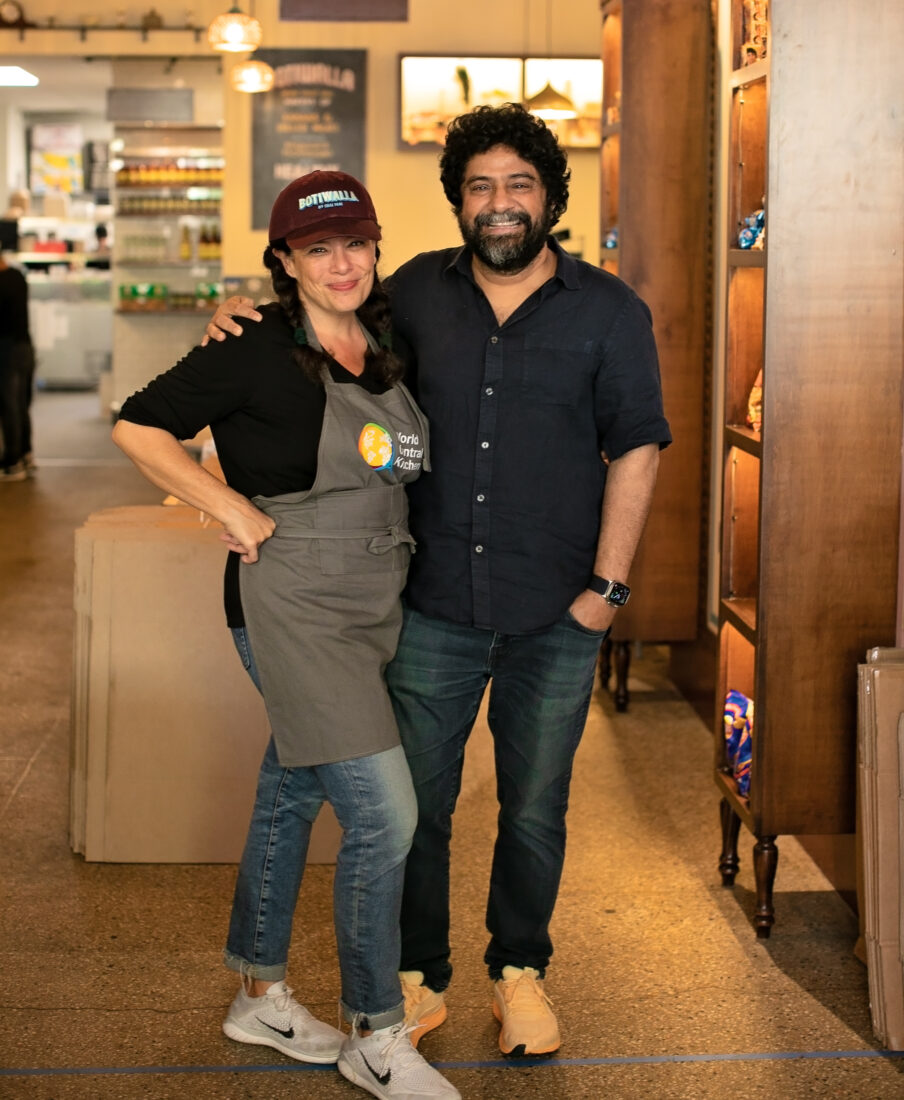
I think the one-two punch of the pandemic and then Helene has really exposed a sense of vulnerability and anxiety around structuring our business in a way we can survive. There’s a sense that crises are going to continue to happen, so we’ve shifted our focus to building a business that can adapt when structures we’ve taken for granted fail.
Restaurants have always responded in crisis and been able to mobilize quickly. We were recently a part of a call between Asheville restaurateurs and city planners of a coastal destination who wanted to learn from our experience. Asheville and Western North Carolina became a model for humanity on how to survive disasters. [After the storm] no one cared about anything other than that you were human, and that gives us hope for the true nature of the human spirit; it’s evidence of what people are capable of when we turn off the news and social media and proves there’s so much more that could unite us than ever divide us. Our community should get better prepared as a community, have better systems in place for natural disasters, but we hope people hold onto that spirit of unity that manifested so profoundly. Our most proud moment is definitely how our team showed up every day after the storm to make sandwiches and be of service to others even though they had their own deep needs.
There was a recent pivotal moment that was emotional: Corner Kitchen in Biltmore Village reopened after unbelievable destruction. That tenacious team is so invested in this community that they reopened mainly as a sign of hope for others in a neighborhood that is still rebuilding.
It’s easy to think of the hurricane as taking so much away from Asheville, but it didn’t actually take anything away from what makes Asheville Asheville. We would encourage folks to come to Asheville for the people—and stay for the beers, views, restaurants, and fun. The artisans, restaurateurs, and musicians are all still here, and we’re building our city back up again. That’s why we have so much faith in Asheville and have doubled down on building our business here and living here.
Jael Skeffington, co-founder of French Broad Chocolate
The day of the flood, I stood with my co-founder, Dan, and our son, Max, watching the water approach the top of our loading dock, knowing we couldn’t stop the river but we were going to try anyway. That moment will never leave me.
This last year has been humbling, to say the least. In the weeks after Helene, I felt both a deep grief for our community and a fierce gratitude that our own losses were not greater. But as the months went on, the realities set in—rebuilding after the flooding of our Chocolate Factory Cafe, navigating supply shortages and price increases, talking to our team about uncertainty, and trying to keep the business alive while also tending to my own family and health.
What touched me most was how our community showed up for us and for each other. Customers bought chocolate not just because they wanted a treat, but because they wanted to help us stay afloat. Friends cooked food for neighbors, volunteers shoveled mud and chainsawed fallen trees, and we all held each other up in small and big ways, without hesitation or expectation. One of the most pivotal things I realized is that resilience isn’t about toughness—it’s about allowing yourself to be vulnerable and letting others step in and help.
My hope for the future is in the people. In Asheville and across Western North Carolina, there’s a deep current of creativity and care. We’re a region of makers, farmers, dreamers, and doers, and I’ve seen how quickly that spirit can mobilize when we’re tested. I’d love to see our region emerge from this with stronger infrastructure, more thoughtful planning, and more resilience built into how we live, work, and play. Helene showed us what can be taken away overnight, but it also reminded us of what can never be washed away—our connection to this place, and to one another.
Justin James, founder of Opie Way
The past year has been one of the most difficult, but also one of the most rewarding years of my life. We’ve been through a series of emotions. First, losing everything that we built (and everything we own, honestly) and second, having so many people rooting for us.
In those two weeks where we had no power, no water, and no cell service, we had brands from all over the country come together to help us not give up.
The feeling of fixing flooded and destroyed machines and getting them working again was an experience that is hard to put into words. My wife and I and her grandfather put everything we had into these machines in the first place. My goal in Opie Way, aside from starting one of the only domestic sneaker factories in the country, was to be able to tell my kids that their passions and wildest dreams could come true if they were willing to bet on themselves and work hard. I can honestly show them that sentiment now.