

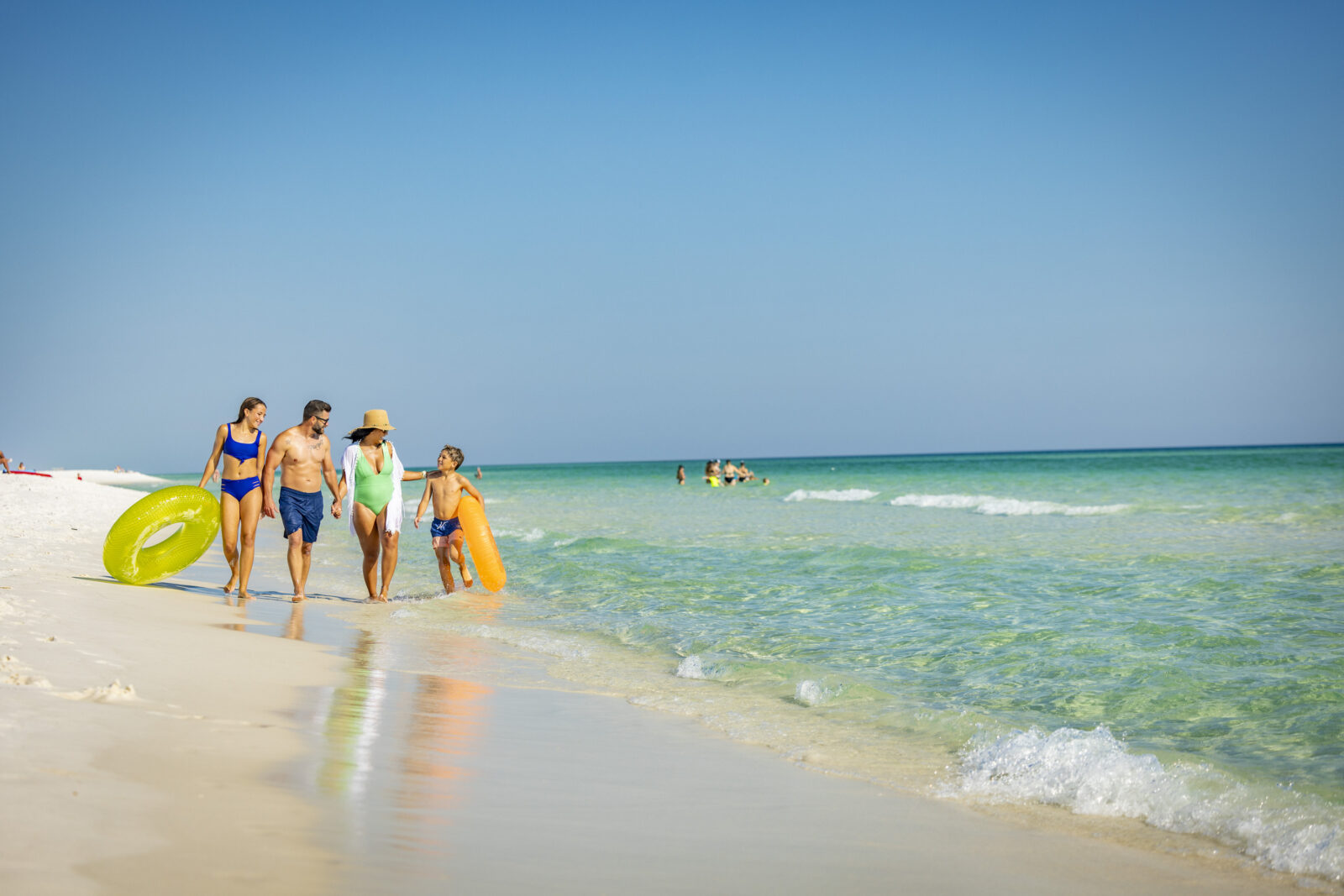
Most people come to Pensacola for the water. The shoreline is what matters. Sugar-white sand slopes into a calm, emerald tide, the kind that invites bare feet and long pauses. People arrive with chairs folded under their arms and sunshine-filled days already in mind. But stay long enough, and the line between beach and city starts to dissolve. Sand gives way to brick, history drifts into the present, and movement, unplanned at first, becomes the day’s organizing principle.
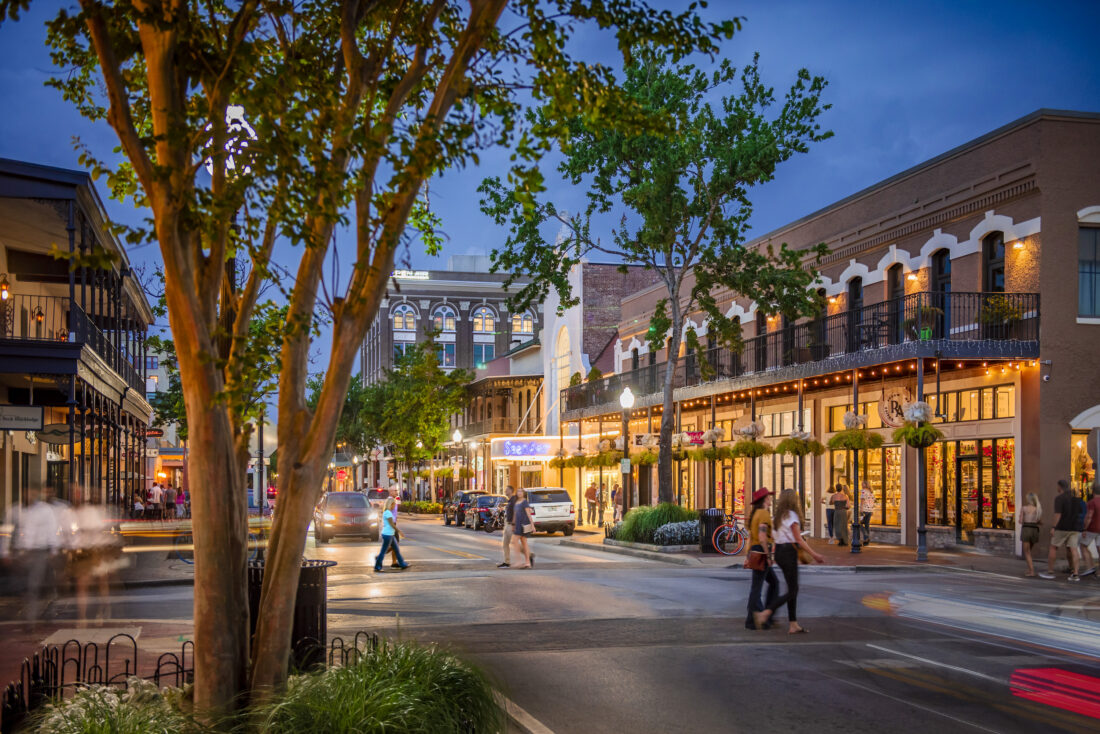
Pensacola’s story stretches back more than five hundred years, making it the oldest European settlement in what would become the United States. Spanish forts, brick streets, and waterfront battle- ments still stand, not as relics but as working parts of the landscape. History moves lightly here, something to explore in the morning, then set aside as sunset pulls you back toward the water.
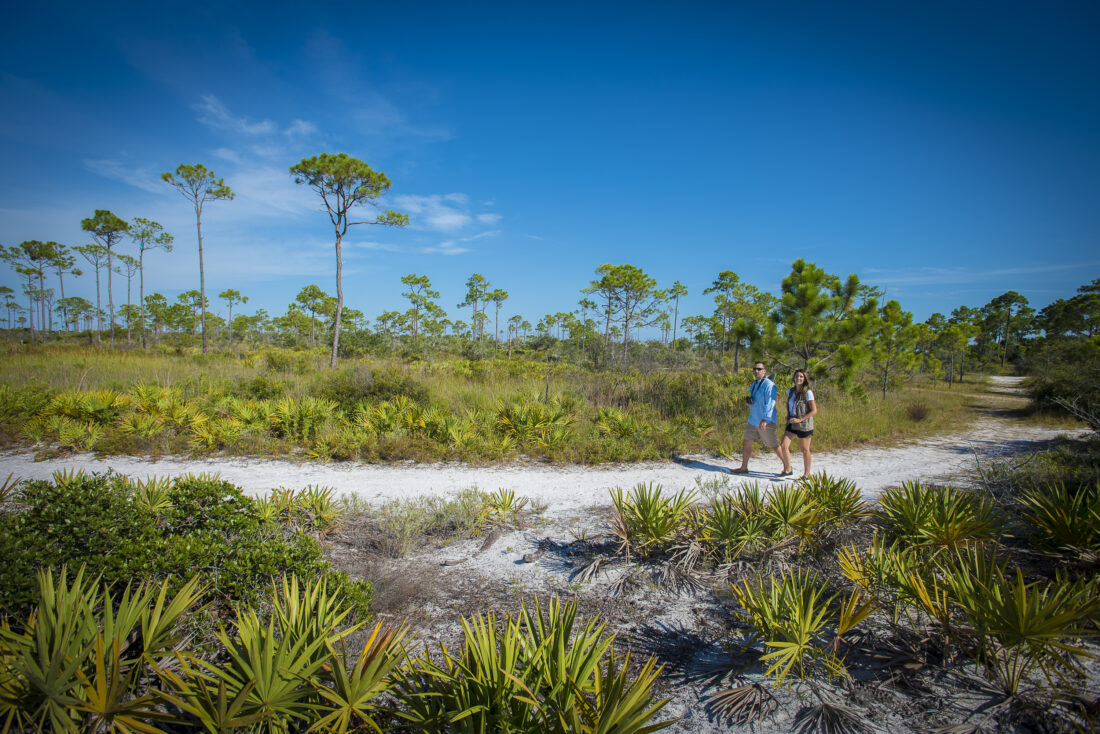
Space opens as you keep moving. Within the Gulf Islands National Seashore, Fort Barrancas layers military history into wooded trails and high bluffs. Fort Pickens stretches long and exposed, dune veering toward the water. Perdido Key welcomes visitors with mile of open shoreline and an endless Gulf horizon.
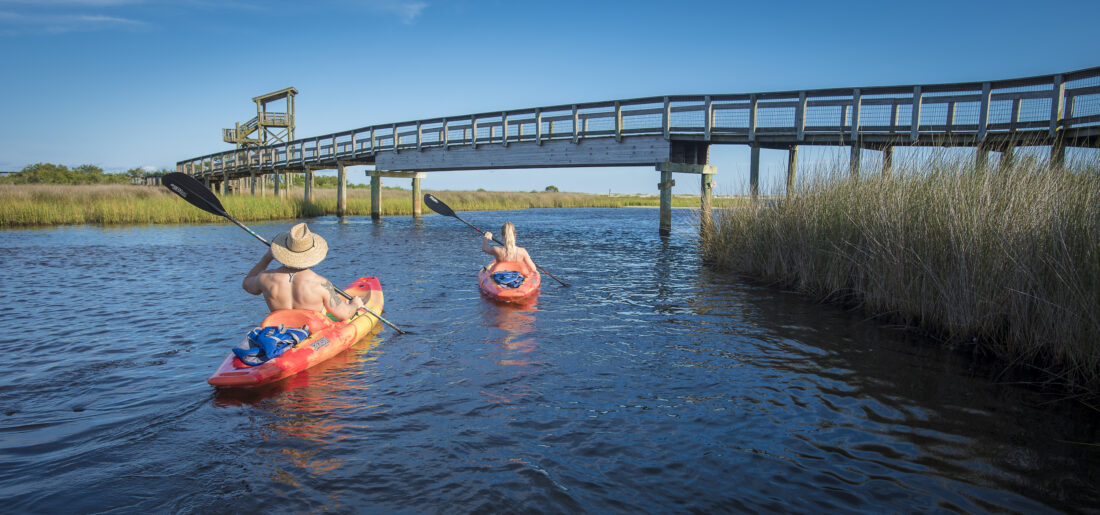
The roar of the U.S. Navy’s Blue Angels fills the air from spring through fall, their practice flights stitching the sky with sound and precision. Only here do they return twice each year for full air shows: a beach show in July and a Homecoming Show at Naval Air Station Pensacola in November. Pensacola introduces travelers to that same spirit of adventure: Kayak through quiet bayous, cycle along historic corridors, dive along the Florida Panhandle Shipwreck Trail, or fish from both shoreline and offshore charters. Here, outdoor exploration is all in a day’s visit.
Eventually, hunger interrupts. Pensacola’s tables reflect the cultures that have passed through its port. French, Spanish, and Cajun influences linger in the background, guiding menus where seafood pulled from the waters surrounding the city sets the tone. Some meals arrive to white tablecloths, others across weathered bars with salt in the air. The setting shifts; the ingredients stay close to home.
As daylight thins, downtown hums with music, theater, art, opera, ballet, symphony, and other live shows unfolding alongside pop-up galleries and street festivals. Gallery Nights spill into the streets, turning culture into something shared rather than observed. Pensacola has long been known as the Festival City of the South, where signature events like Mardi Gras, the legendary Flora-Bama Mullet Toss, the Pensacola Seafood Festival, and the Great Gulfcoast Arts Festival fill the calendar, bringing visitors and locals together in celebration year-round.
After a few days in Pensacola, you stop checking the time and start simply enjoying each moment—the sun dropping into the Gulf, jets passing overhead, a cold Bushwacker on a warm afternoon. That’s the idea behind “The Way to Beach”: Get in the water, then see what unfolds once you slow down and stay awhile.
Explore Pensacola at VisitPensacola.com