


Before he opened the plant shop Famous in Oregon in Prosper, Texas, and assumed the social media moniker Tanner the Planter, Tanner Mitchell was trying to figure out why his aloe vera plant was dying.
It was 2017, and his interest in houseplants had just been piqued. Mitchell grew up surrounded by greenery in Pilot Rock, Oregon—a far cry from the arid landscape of his adopted state. He set to work creating an indoor oasis with some of the plants he remembered from his childhood home, quickly becoming frustrated when they weren’t flourishing.
But the more he read online about how to help his plants, the more confused he became.

“Every article I would read contradicted the next one,” he recalls. One source advised watering his aloe plant every seven days, while another suggested once a month. Some recommended putting the plant in bright, direct light, while others said low light is preferred.
Fed up, he turned to Google Scholar for peer-reviewed articles. If he could understand how horticulturists are taught, he surmised, he could put an end to the guessing game. His plants began to thrive.
Since then, he’s grown his hobby into a full-time career. He and his wife, Erika, manage their brick-and-mortar shop, regularly post plant advice on social media, and host twice-weekly live plant sales on Facebook, typically selling over 1,200 plants in a seven-day stretch. Time and again, Mitchell meets plant owners struggling with the same confusion and frustration he once felt.
He’s packaged all of his learnings into a new book, For the Love of Houseplants: Caring for & Keeping Plants with Confidence, launching April 14, to shine a light on the essentials of plant care.
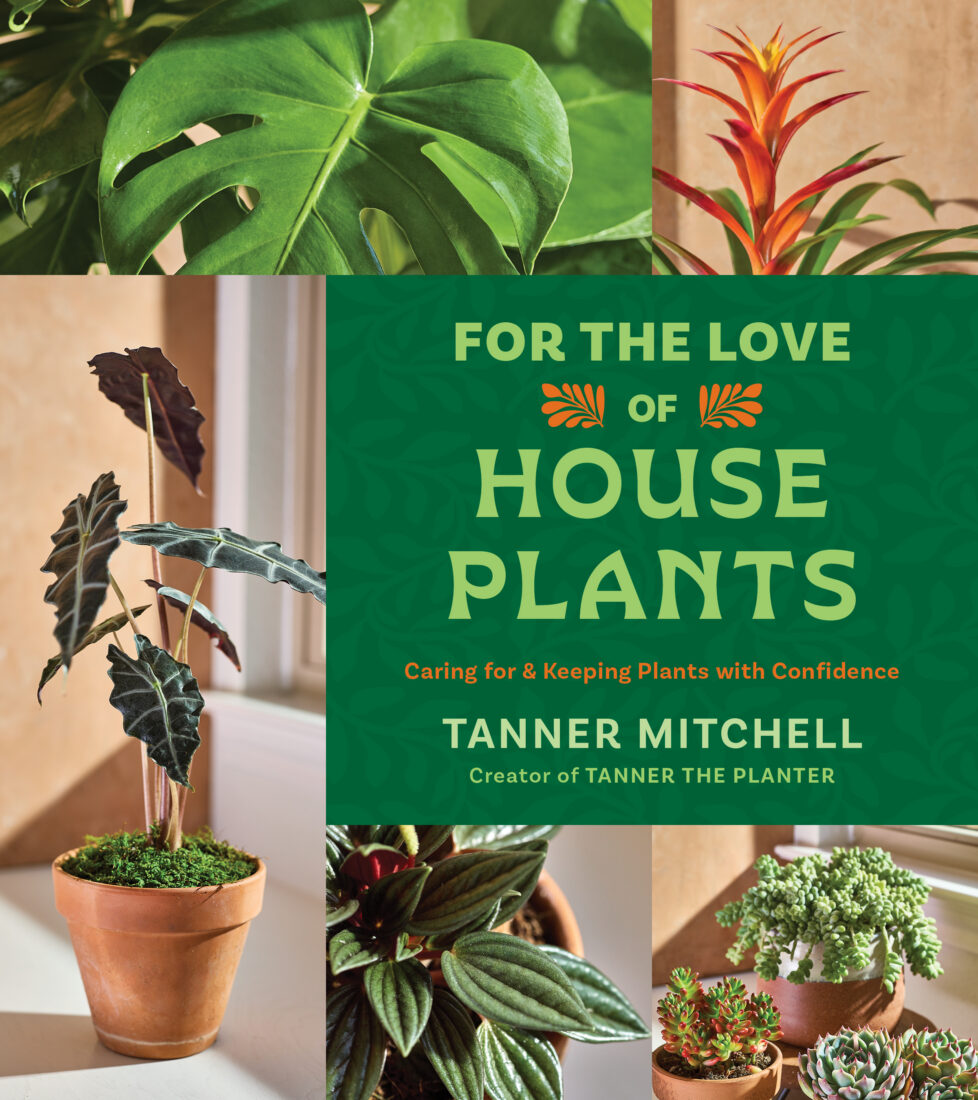
“This is a beginner-friendly guide for anyone,” Mitchell says, “making it understandable and translatable to people who just want to grow plants but don’t need to know the scientific words. It’s bridging that gap.”
Speaking of shining a light, Mitchell says there’s one thing every houseplant parent should do above all: Make sure your plant is getting the light it actually needs.
“Light is the most important aspect of plant care because it drives every function of a plant,” he explains. “Plants are more forgiving in watering and fertilizing and everything else once you get their light right.”
Part of the problem, Mitchell says, is that plant-care cards often give parameters like “bright light,” which is a subjective term. Hortoculturists, meanwhile, measure light in a unit called “foot candles,” or how bright it is one foot away from a lit candle.
An inexpensive light meter will give you a definitive answer as to whether your plant is actually in bright, medium, or low light. In his book, Mitchell details how to use one, as well as how many foot candles thirty common houseplants need to thrive. You’ll also find solutions for common problems associated with each plant, watering guidelines, and fertilizer recommendations.
“When I found out you could figure out the most important aspect of houseplant care with a little cheap tool and you didn’t have to guess anymore,” Mitchell says, “plants were easy after that.”
Garden & Gun has affiliate partnerships and may receive a portion of sales when a reader clicks to buy a product. All products are independently selected by the G&G editorial team.