

Travel
How to Experience Asheville Like a Local
All of the places our digital reporter loved during a monthlong stay in the Land of the Sky
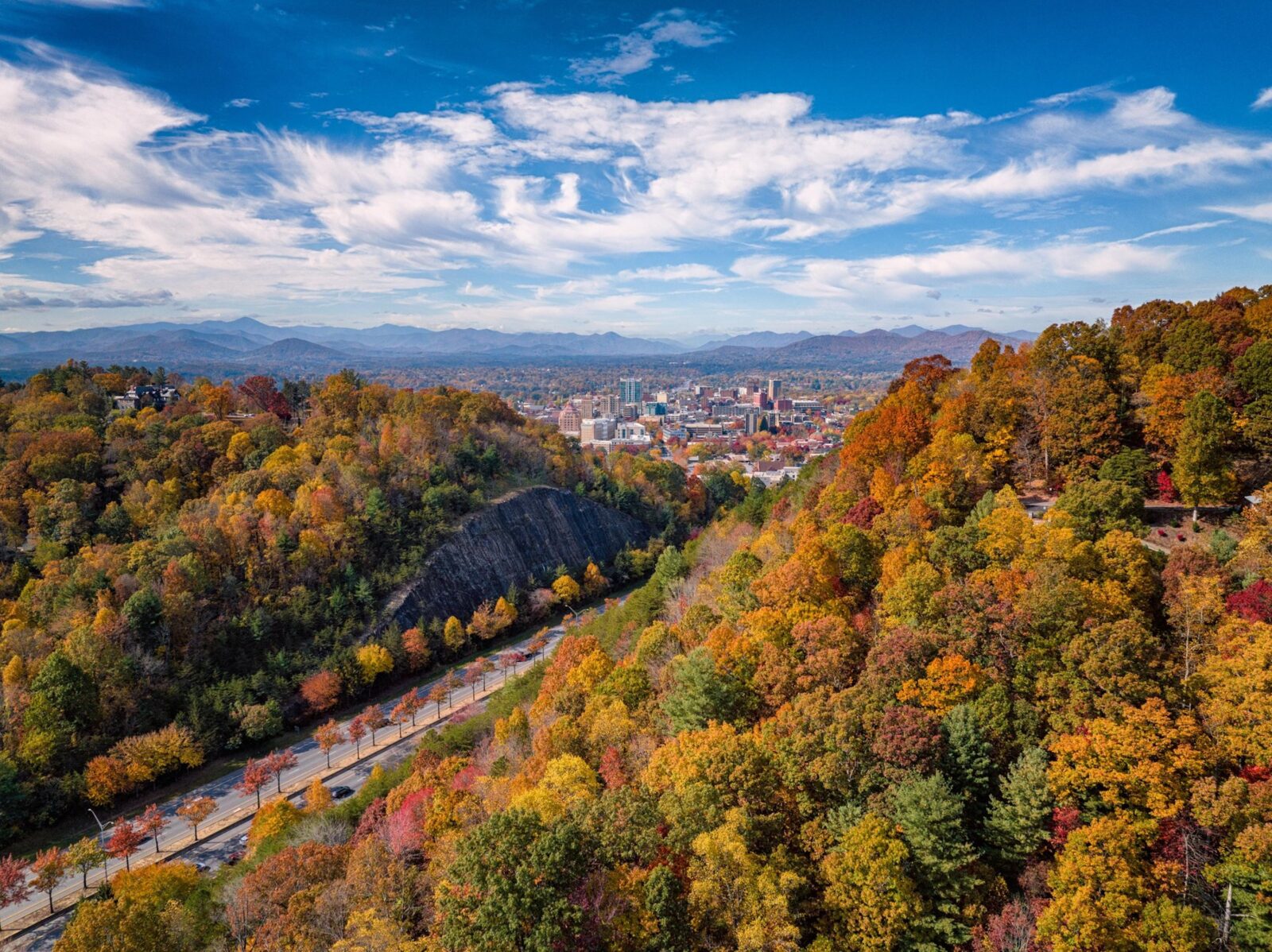
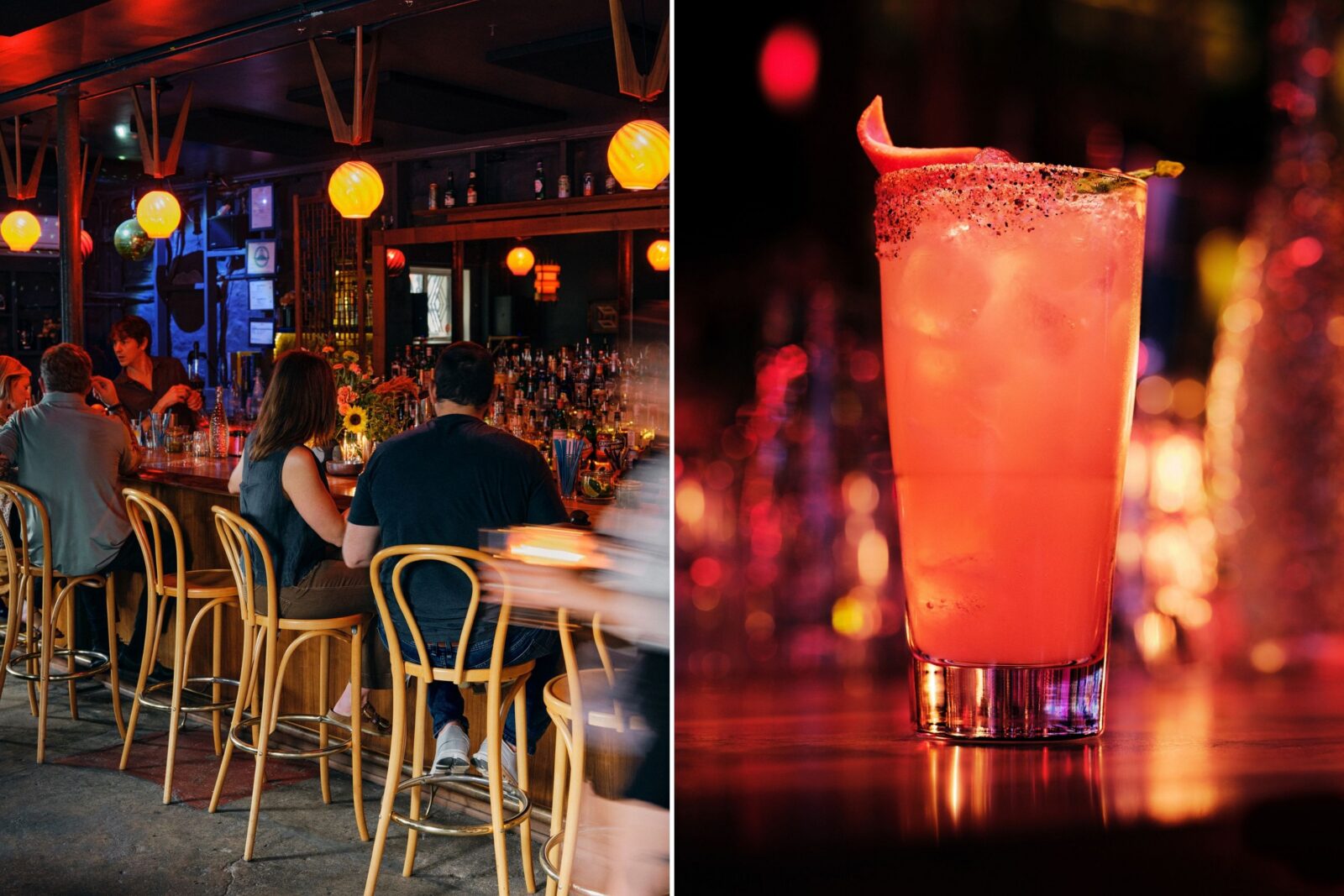
When it comes time for a vacation, residents of Charleston (myself included) and residents of Asheville are known to fly by one another going opposite ways on I-26, swapping coast for mountains and mountains for coast. This summer, I wanted to devote more than a quick weekend to exploring the so-called Land of the Sky, so I booked myself a monthlong rental in quirky West Asheville. After a few weeks, I’d settled into a routine—mornings at Rowan, a spacious, airy roastery that serves great coffee and snacks (the loaded toasts were my favorite); happy hour sipping Spanish vermouth at Pink Moon, a candlelit, mostly open-air speakeasy; and, for dinner, a crunchy, refreshing salad bowl from Botiwalla, the more casual street-food version of beloved Chai Pani, or wood-fired pies from a food truck called Kenny’s Pizza (with homemade ranch for dipping and charred cabbage Caesar on the side).
Below is a breakdown of what I learned, from listening to locals and from my own wandering, starting with where to stay if you don’t have a whole month.
Settle
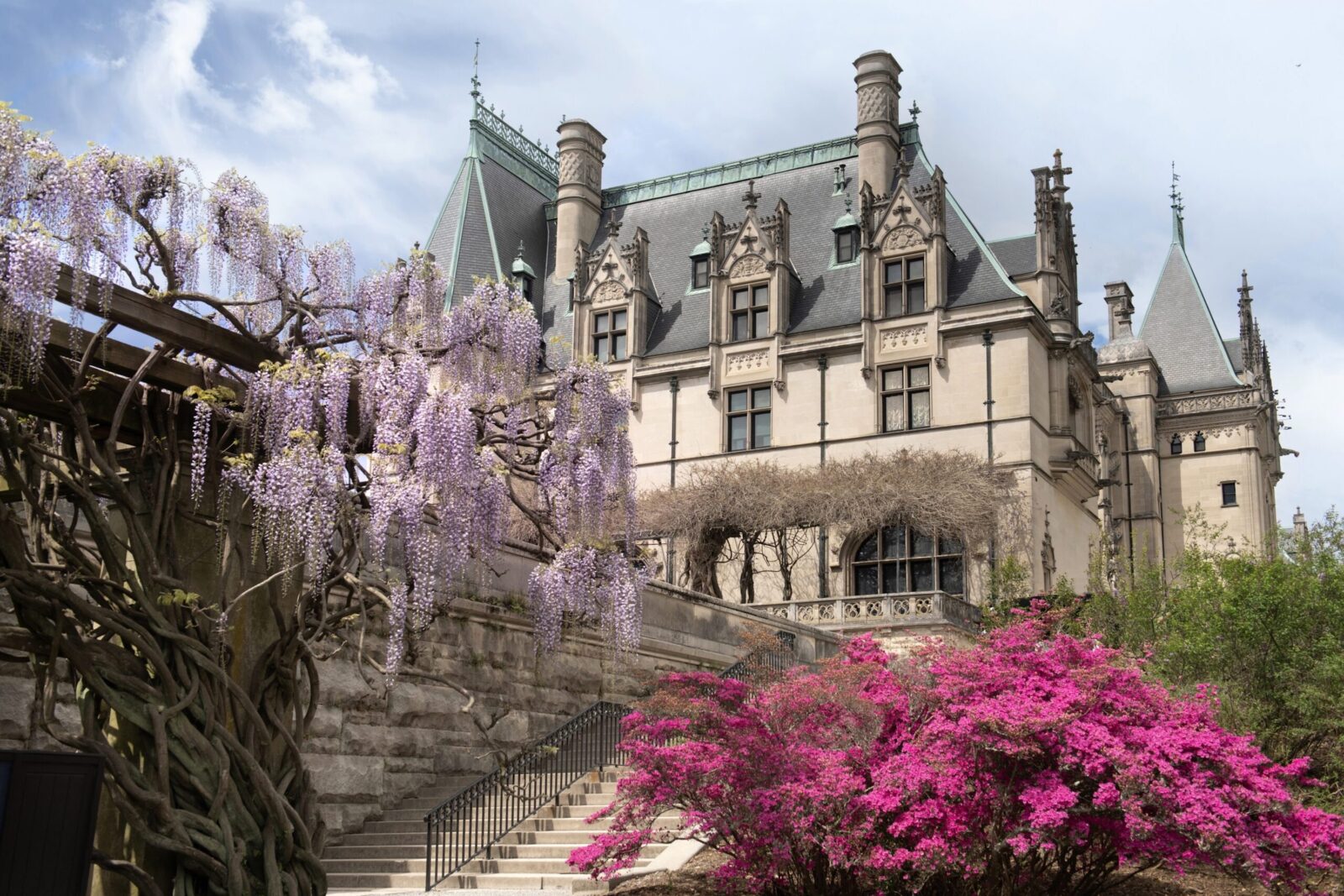
There are almost too many options: Of course, you will never go wrong with any offerings from the Biltmore Estate for luxury, spectacular garden strolls, and mountain views. If you dig something more historic and character-filled—and if you love a good spa—check into the Omni Grove Park Inn, where even the locals go for massages, and sit on the porch or in the great hall for a drink. If cozy and walkable is what you want, the Flat Iron Hotel is your ticket (to a good meal, also; Luminosa is inside, but more on that later).
A little farther afield from the center of downtown but still within easy walking distance is another of my personal favorites, Zelda Dearest. The whole place offers only twenty rooms, spread across four 19th-century buildings that were almost torn down completely, before being restored into a boutique love letter to the roaring twenties.
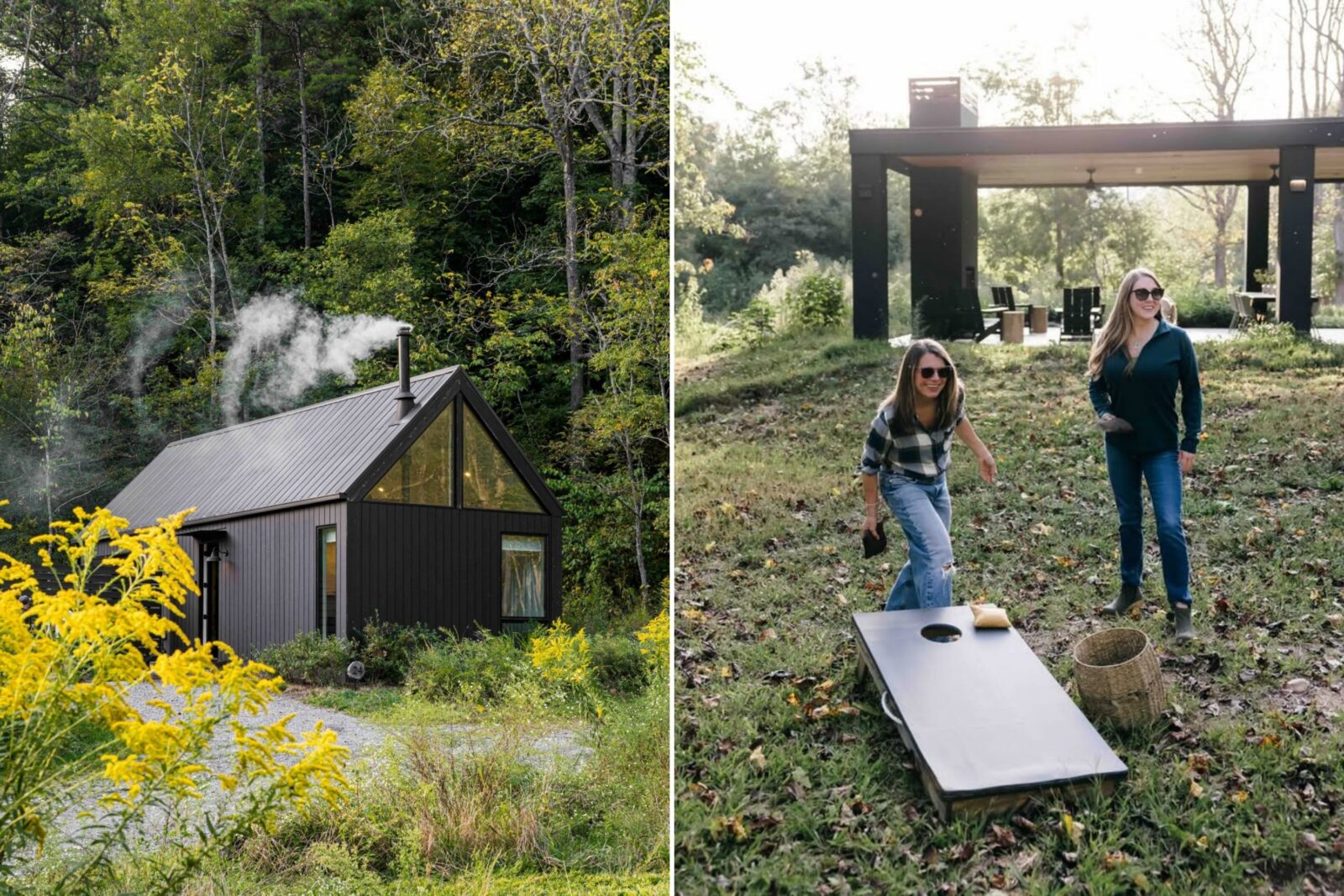
For a more nature-based experience, there’s Firelight at Shope Creek, twenty minutes from downtown and close to the Blue Ridge Parkway. There, eight cabins are settled over twenty-two acres, and guests can lounge by the creek, hike along private trails, gather by the communal firepit at night—and eat eggs from the on-site chickens and harvest fresh vegetables and herbs from the gardens.
Snack
One of my first dinners out came at the Market Place downtown, where I ate a mind-blowingly good trout dish with beetroot and strawberry and caviar. But don’t expect everything to stay the same on the menu there; William Dissen—who’s been running the restaurant for decades and has received all manner of James Beard nods—likes to go by the seasons (for summer, don’t miss the heirloom tomato pie). The same is true of Luminosa, just a few doors down, where sustainability and local sourcing come to life in dishes like smoked corn cannelloni and bone marrow Tater Tots. Piccolina, which opened about a year ago in the River Arts District after the reshuffling post-Helene, is creating buzz, too, for its piled-high Italian sandwiches and pizzas.(Read John T. Edge’s take on this bite-size gem of a restaurant.)
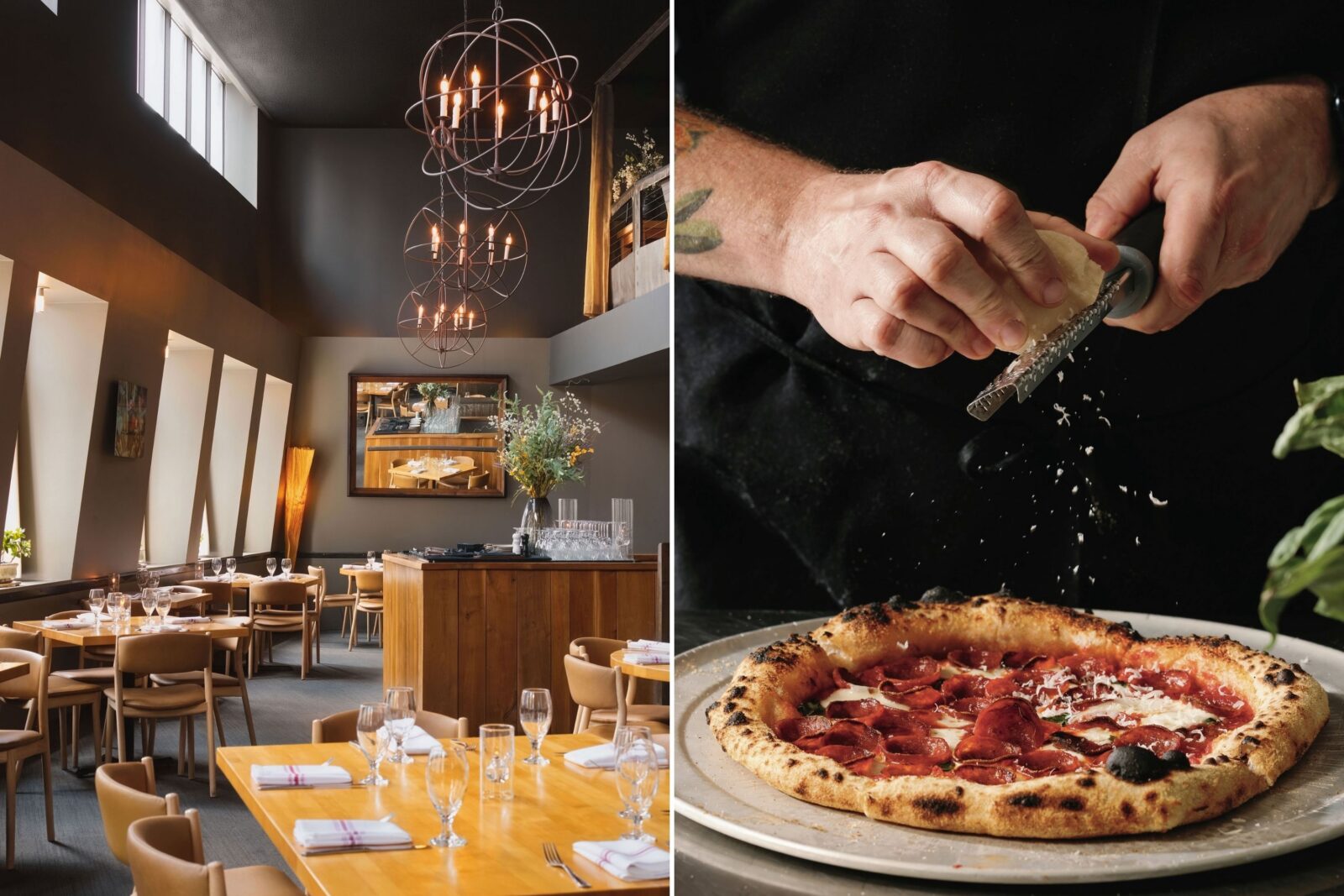
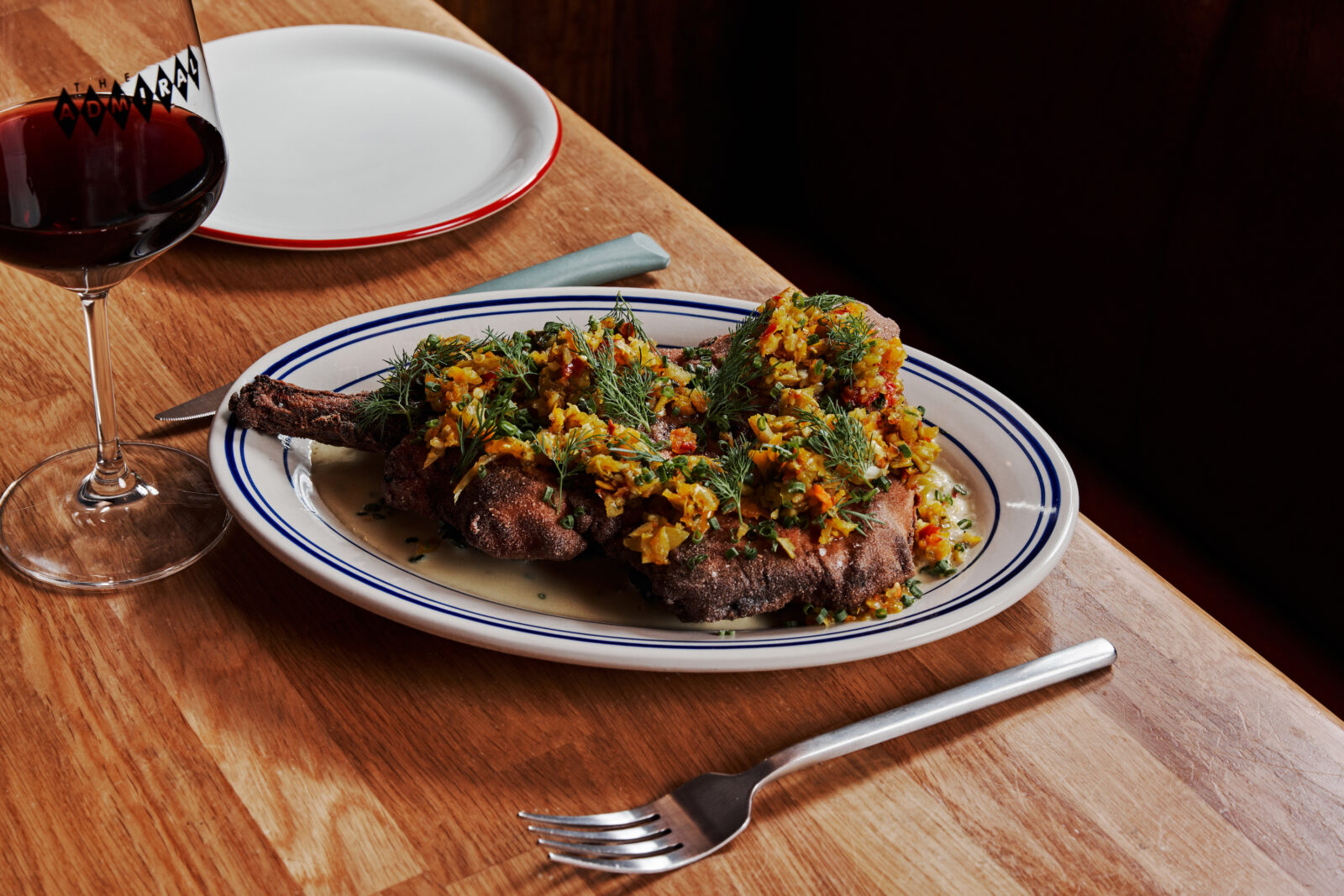
Back over where I started, in West Asheville, the same owner operates Leo’s House of Thirst and the Admiral, and both are excellent choices. Leo’s is all about the wine pairings—and has a standout Caesar salad and tuna carpaccio—and I ate the best grilled, buttery focaccia I’ve ever had at the Admiral, and used it to sop up everything I ordered. Then there’s Neng Jr’s—also in West Asheville—where chef Silver Iocovozzi celebrates Appalachian ingredients, Filipino style. Reserve a seat at the bar to watch the chefs in action, and order anything on the menu that has “adobo” in the description, starting with the oyster, a perfect welcome offering that comes with a quail egg tucked in the shell. Pair it with wine from the wood-paneled upstairs wine bar, Harmony.
Sip
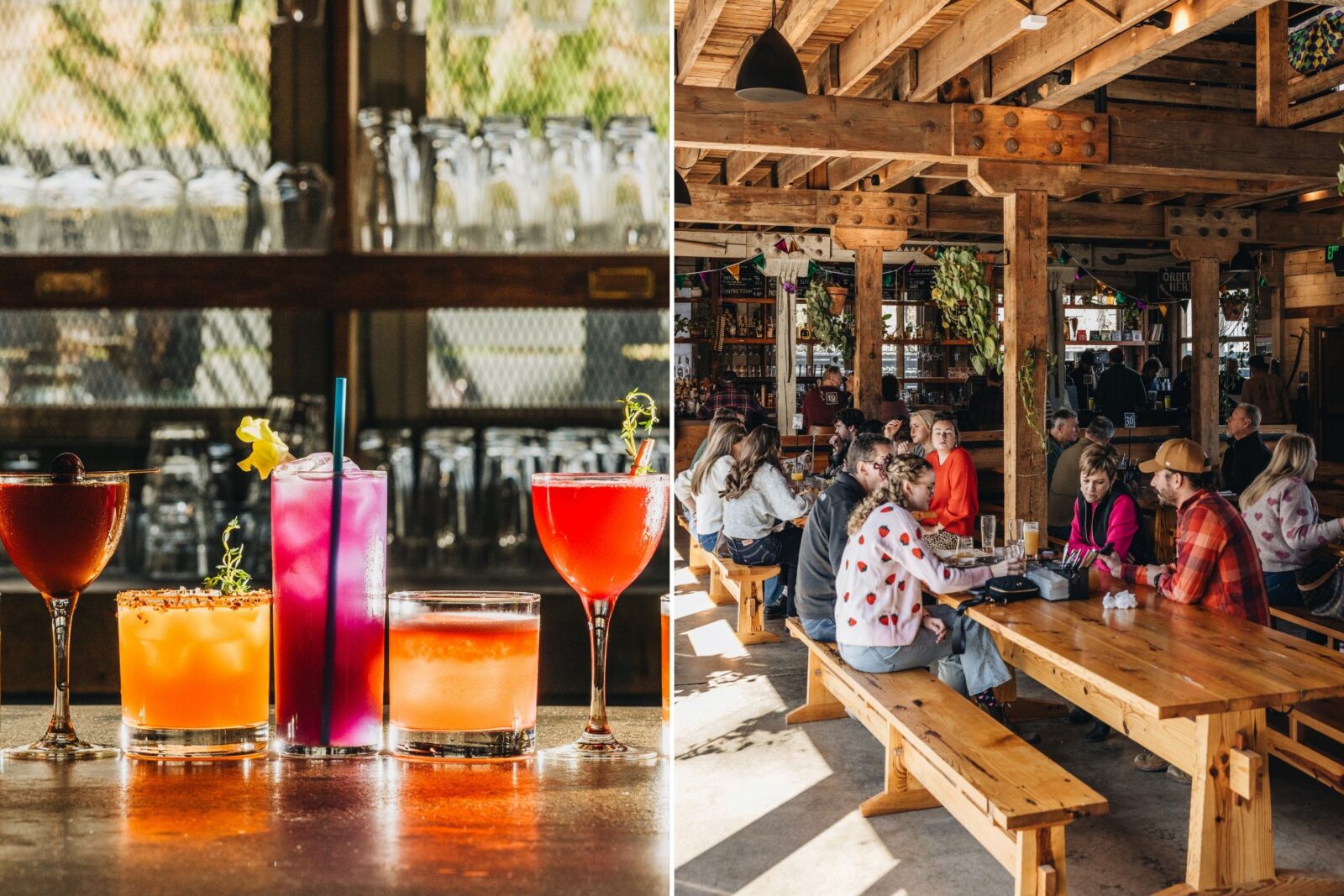
Drinks certainly merit attention during an Asheville jaunt. No matter what you’re after—including mocktails—there’s a lot to sample. For a fancy cocktail, head to moody Crucible in the River Arts District or the vintage-feeling Crow and Quill downtown. If you like tequila or mezcal, hit ANOCHE in the River Arts District (I didn’t have a cocktail I wouldn’t get again, but order a mezcal flight if you’re feeling serious). Asheville is also known for its brewery scene, which Highland Brewing Company kicked off three decades ago. My favorite today is Burial Beer Co.’s Forestry Camp, with its relaxed patio and where it’s worth grabbing a snack too, like cucumber gazpacho or watermelon salad.
And to circle back to the aforementioned Pink Moon, the former beverage director and wine buyer, Ethan Risinger, just opened his own Greek-inspired natural wine spot, called Ontos, with his wife, Mackenzie. I haven’t been yet—on my list for my next trip—but knowing Risinger and his taste in wine, it’s going to quickly join the list of Asheville go-tos.
Shop
Downtown has an expansive array of little shops—I especially like to browse the books at Battery Park Book Exchange & Champagne Bar, maybe with a glass of bubbly. But, also, don’t miss East Fork Pottery for a browse of earthy ceramics made just up the road.

For an aimless, art-filled wander, it’s hard to beat the River Arts District, where hundreds of local artists display their creations in a mile-long stretch along the French Broad River. I spent hours poking my head into gallery after gallery, admiring paintings, pottery, textiles, and sculptures. A good starting point is Marquee: Here, in a giant, 50,000-square-foot warehouse are stalls from all manner of artists and finders, offering antiques, jewelry, and crafts. For all things clay, browse another collective at Odyssey Center for Ceramic Arts. And go to French Broad Chocolate if you need a sugar rush pick-me-up.
Roam
The proximity to great hiking and to the incredible biodiversity of the Southern Appalachians was a major reason I wanted to spend the summer exploring. I found that the majority of hikes are forty-five minutes or more away, so factor that in. Catawba Falls, near Black Mountain, is a popular exception to that at half an hour.
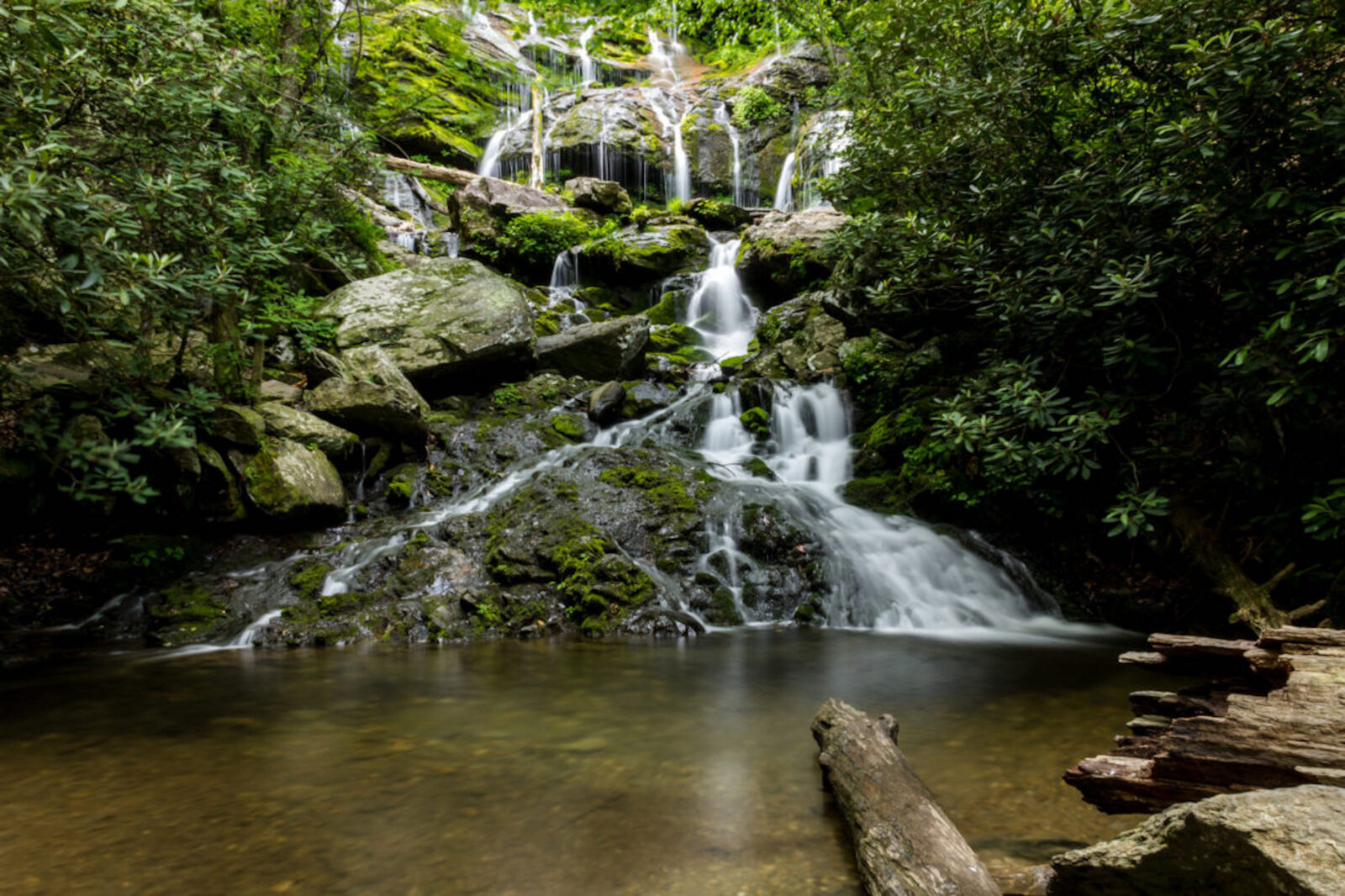
But I discovered that when I had a decent amount of time, I liked to head south on the Blue Ridge Parkway—the curving scenic highway feels as if it’s carrying you through the clouds and makes the time in the car melt away with the mileposts. In no time, you’re at Fryingpan Fire Lookout Tower, where you can dash up the 5,340-foot steel tower for panoramic views. Then comes Mount Pisgah, a lovely climb through Appalachian forests that pays off in a lookout from the mountaintop. A little farther south brings you to Graveyard Fields hike, named for huge moss-covered skeletons of ancient trees that you see on your way to a waterfall.
Beyond that, at milepost 420, is the Black Balsam Knob hike. The Art Loeb Trail winds through a fragrant forest of fir and spruce trees before you climb, climb, climb up to 6,214 feet. Near the end of my trip, a friend and I made the trek up to the rocky bald just before sunset. We watched cars snake along the parkway below as the sun sank down into the blue-tinged ridges, and I promised myself that this would not be the last time I blocked off a month to jump on I-26, bound for these mountains.
Lindsey Liles joined Garden & Gun in 2020 after completing a master’s in literature in Scotland and a Fulbright grant in Brazil. The Arkansas native is G&G’s digital reporter, covering all aspects of the South, and she especially enjoys putting her biology background to use by writing about wildlife and conservation. She lives on Johns Island, South Carolina.