
Travel
15 of the West’s Best Hunting and Fishing Lodges
An A-list of stays and outfitters for peak fly fishing and wing shooting in the Rocky Mountain region and beyond
Henry’s Fork Lodge
Island Park, Idaho
Many trout devotees consider the Henry’s Fork of the Snake River in Idaho the graduate school for dry-fly anglers. Epic hatches of insects such as brown drake mayflies and golden stone flies feed notoriously wily and hard-fighting rainbow trout that challenge even the most technically tuned fishermen. Perched over the water a short drift downstream from the legendary seven-mile-long “Railroad Ranch” section sits Henry’s Fork Lodge, an inviting, no-pretense landmark famous for hosting anglers who simply appreciate the finer aspects of the fly world. That starts, of course, with the fishing itself, and the lodge can connect you with the best guides in the region or point you toward DIY adventures on the Henry’s Fork and myriad other rivers, creeks, and lakes. But dinners that draw from local farms and ranches and the top-notch wine list don’t hurt, and everything is synced so that you are eating when the trout most likely are not.
Firehole Ranch
West Yellowstone, Montana
The luxurious and historic Firehole Ranch makes an ideal base for venturing into Yellowstone National Park (eighteen miles away), or simply enjoy the lodge’s five-star solitude nestled on the western shoreline of Hebgen Lake. Guests find plentiful fishing options, though they fluctuate during the sixteen-week season. You can day-trip from the 640-acre spread to the Lamar, Firehole, Gallatin, or Madison River, as well as to Earthquake Lake, created by a massive temblor that dammed the Madison in 1959. Float in a dory or walk/ wade; fish with a guide or with a buddy (it is bear country, after all). Hebgen itself offers some of the best dry-fly action to be had anywhere in the West: chasing “gulpers” (browns and rainbows audibly slurping bugs off the surface) with Callibaetis patterns in midsummer on the Madison Arm of the lake.
Alaska Sportsman’s Lodge
Igiugig, Alaska
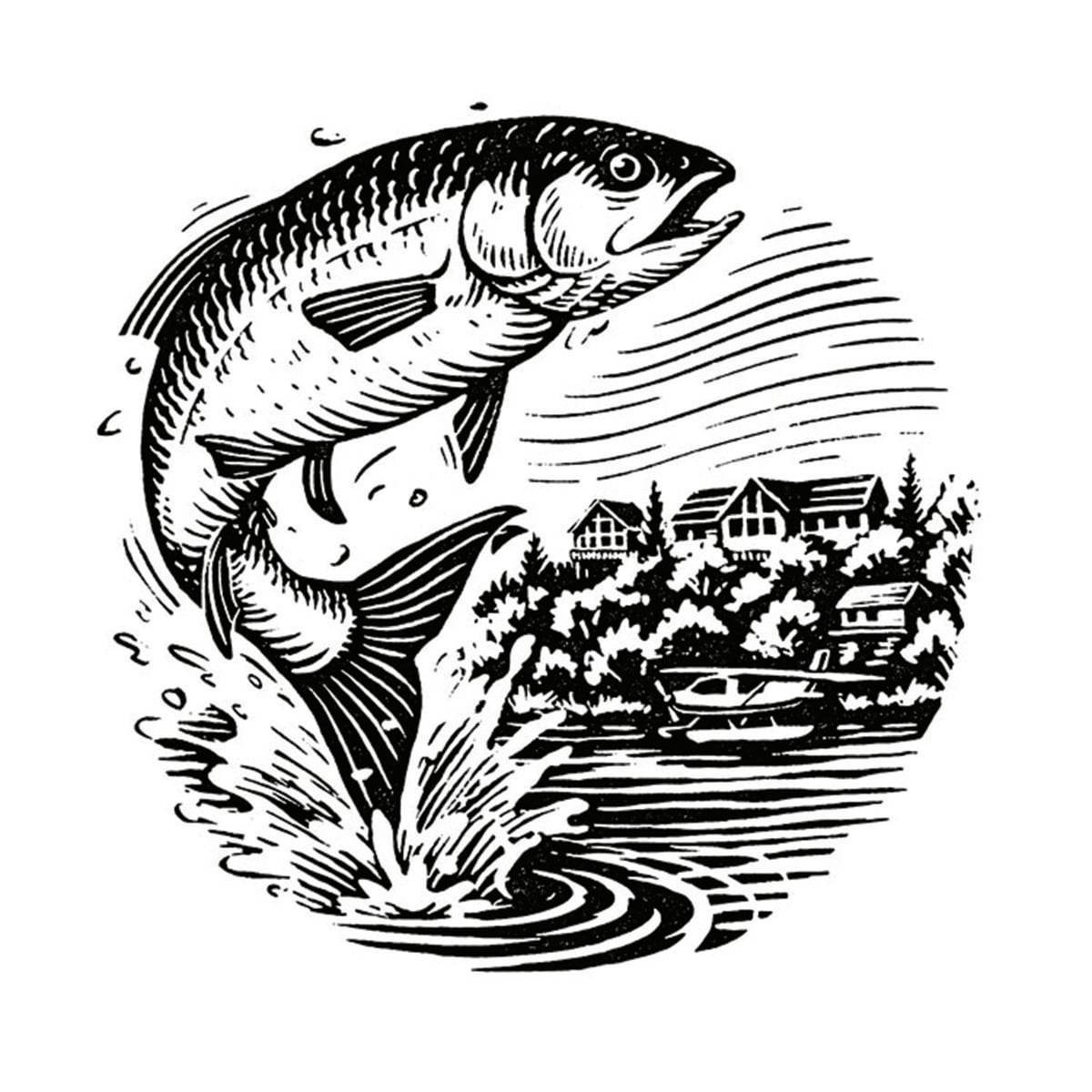
Through the window of a floatplane, a cluster of timber buildings appears, mirage-like, on the roadless tundra of Southwest Alaska. Seaplanes and skiffs line the dock at Alaska Sportsman’s Lodge, my favorite luxury outpost in Bristol Bay. From the sky, you can see the world’s largest sockeye run charge home up both sides of the Kvichak River. At peak run, some thirty thousand salmon, still chrome-bright, will pass the lodge every hour. This wild abundance gives me hope in a world of so much worry.
While in some Alaska rivers, fish are hidden by curtains of glacial sediment, making sight fishing nearly impossible, the Kvichak originates in Lake Iliamna, the state’s largest lake, and its upper regions run glass clear. These waters support all five of North America’s Pacific salmon species, plus Arctic grayling, northern pike, and trophy rainbow trout. Built in 1997, the lodge doesn’t skimp on modern comforts: Hotel-quality linens and luxurious showers await in the private cabins. The staff-to-guest ratio is almost 1:1, with pilots ready to fly guests and guides to remote stretches of pristine rivers.
My fly-outs were to King Camp on the Nushagak, known for king salmon runs, and Brooks Falls, where bears catch salmon mid-leap. But the moment that stays with me most—catching my first “keeper” sockeye—took place a five-minute boat ride from the lodge. The guides let me fillet my own catch, which the chef prepared. I enjoyed it with a view of the river where its life began and ended. —Kim Cross
Highland Hills Ranch
Condon, Oregon
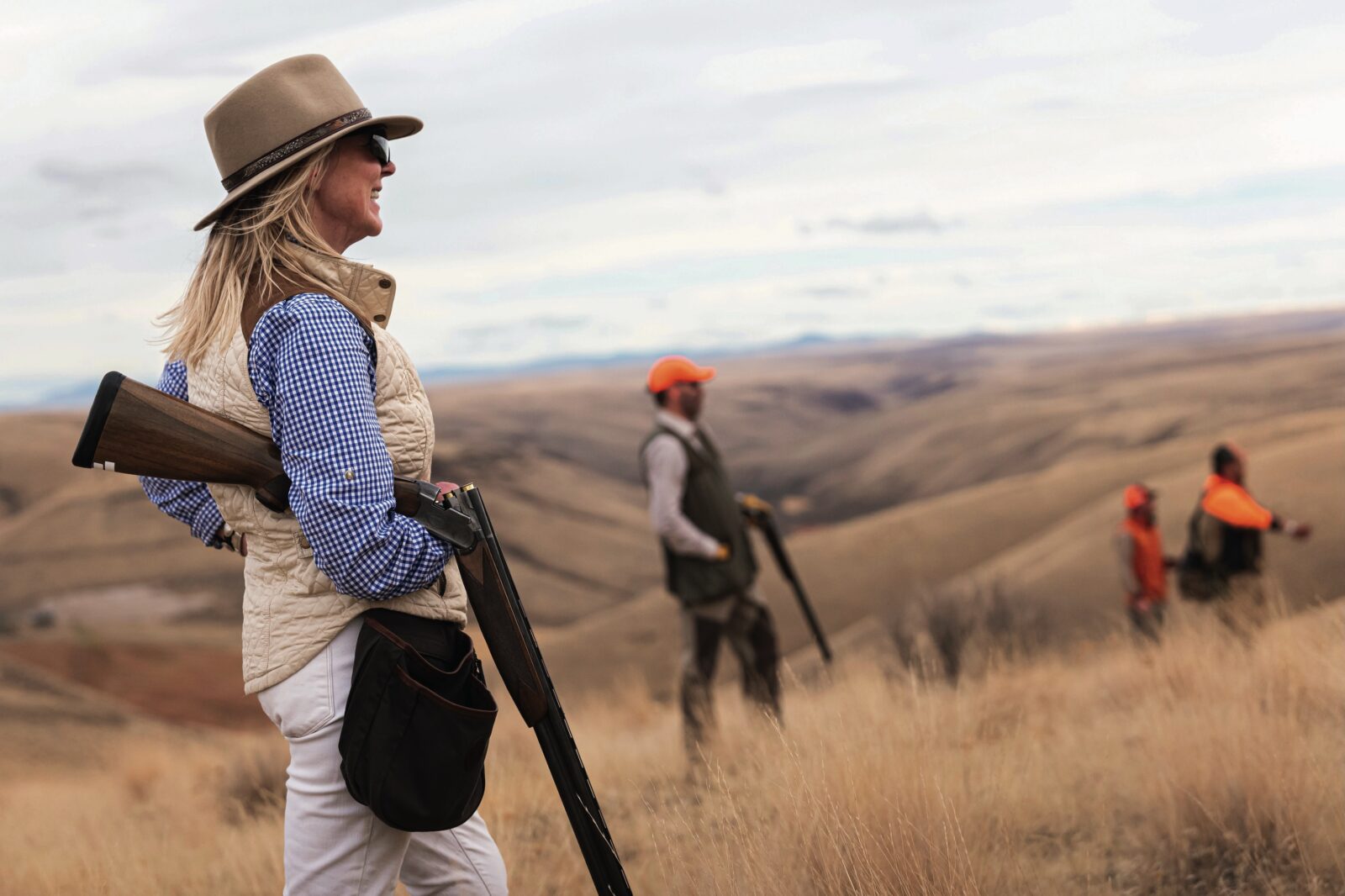
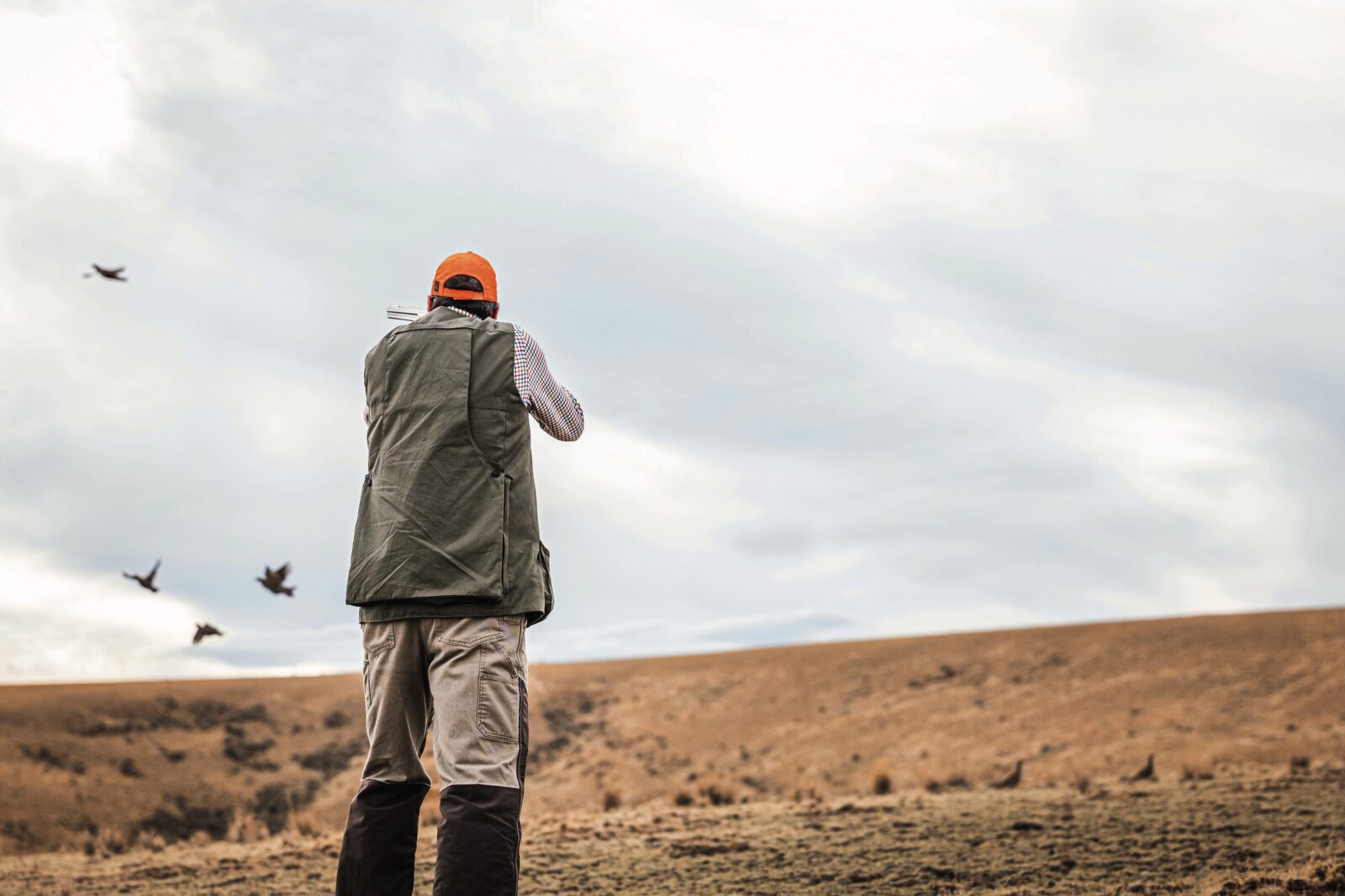
Named the Orvis Endorsed Wingshooting Lodge of the Year (for the third time) in 2024, the three-thousand-acre Highland Hills Ranch rests in a sleepy pocket of north-central Oregon where avid bird hunters have a legitimate chance at bagging the “grand slam of wing shooting”— chukar, ring-necked pheasant, valley quail, and Hungarian partridge—all in the same day. The appeal here is habitat, and Highland Hills has it all: plotted yet unharvested crop fields, native grasslands, creek-fed bottomland, rimrock canyons, and open range. The posh lodge serves three courses each at breakfast, lunch, and dinner, or you may prefer to bunk in one of the guest cabins with fireplaces. Either way, shoot a round of sporting clays to hone your aim upon arrival. After that, it’s full-on morning and afternoon hunts, with naps, billiards, and storytelling around the campfire mixed in for good measure.
Linehan Outfitting
Yaak, Montana
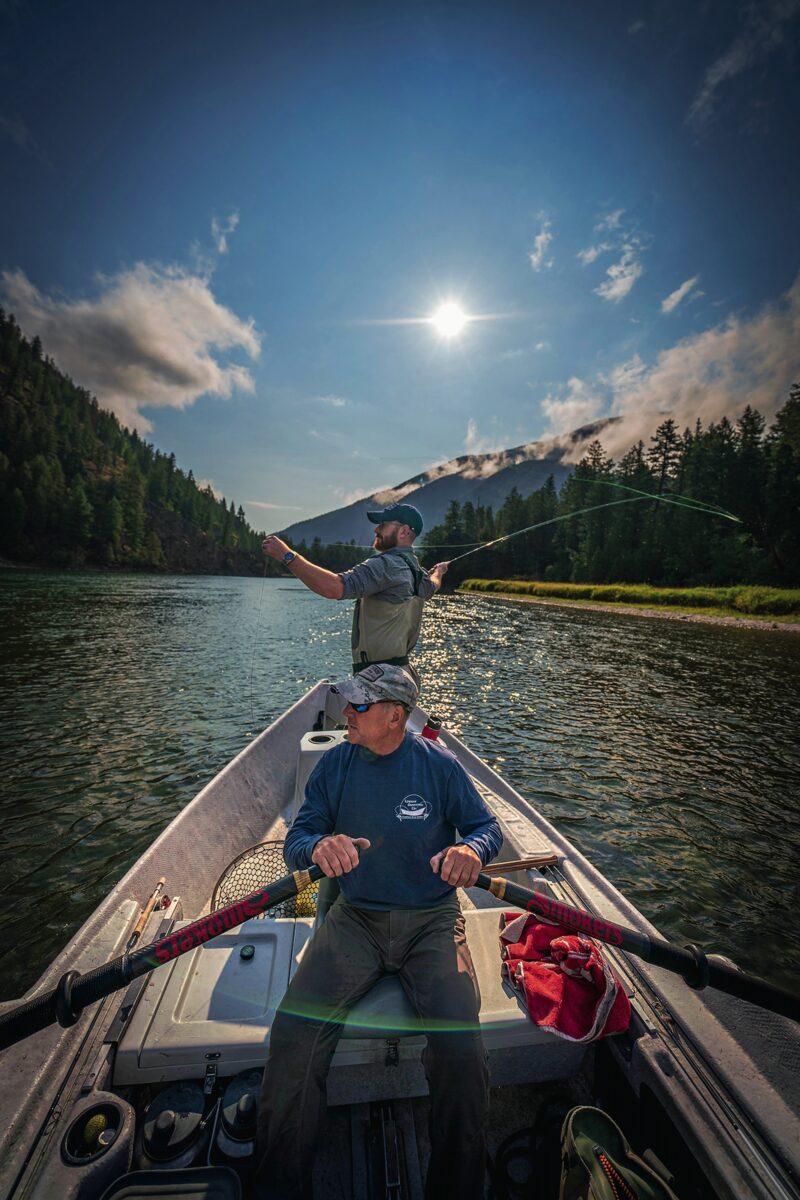
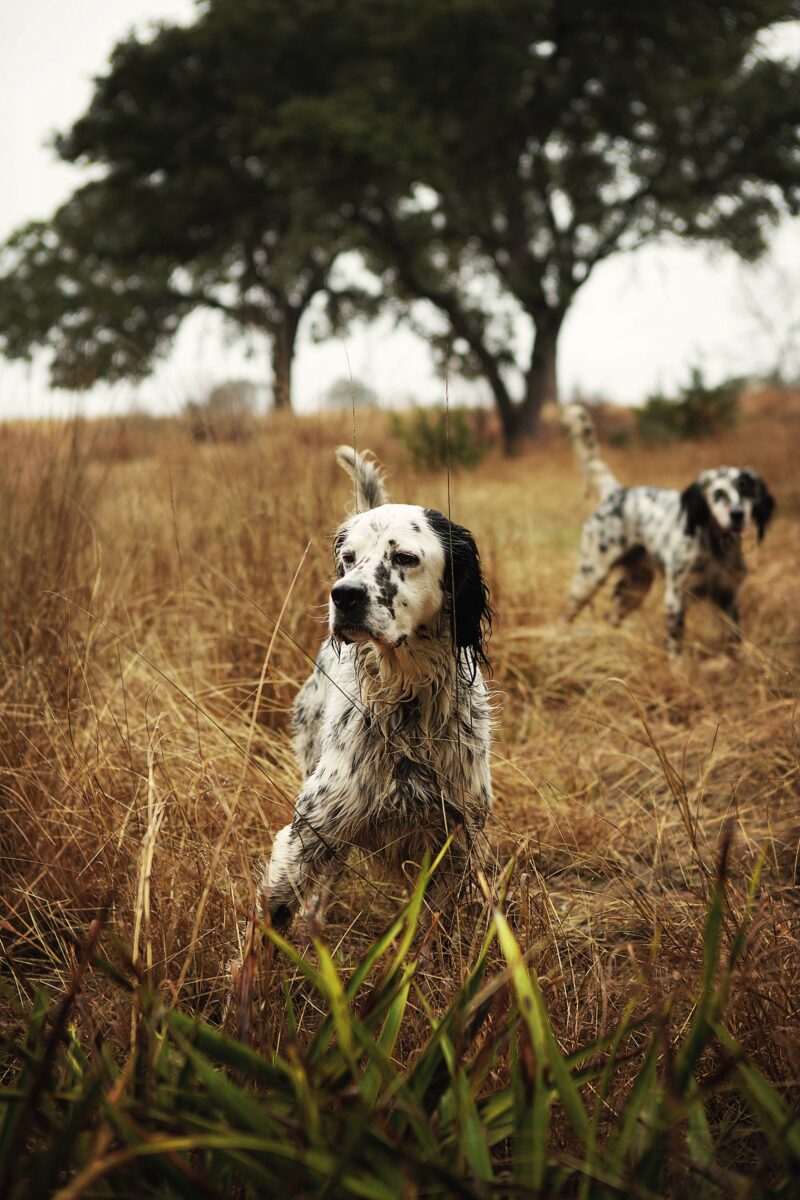
The stunningly beautiful Yaak River Valley is one of Montana’s most remote, unspoiled regions, perhaps more Pacific Northwest in character than what you’d think of as Big Sky Country. Tim and Joanne Linehan have been outfitting here—for grouse, big game, and trout— since 1992. Tim is, hands down, one of the finest fly-fishing and hunting guides in the country, while chef Joanne ensures guests are well fed and cared for at the lodge, keeping their small-but-mighty operation perennially ranked among the best in the West by Orvis and many others. “Sure, we take people hunting and fishing,” Tim says of their philosophy, “but we’re really more interested in helping guests learn something about themselves they may never have discovered on their own.” For upland bird aficionados, the region teems with ruffed, blue, and spruce grouse, and Tim runs a string of setters specially trained for the forest environment. Home base for fishing is the Kootenai River, where you can encounter rainbow trout and Westslope cutthroats that munch dry flies, or even bull trout that munch, well…other trout.
Brush Creek Ranch
Saratoga, Wyoming
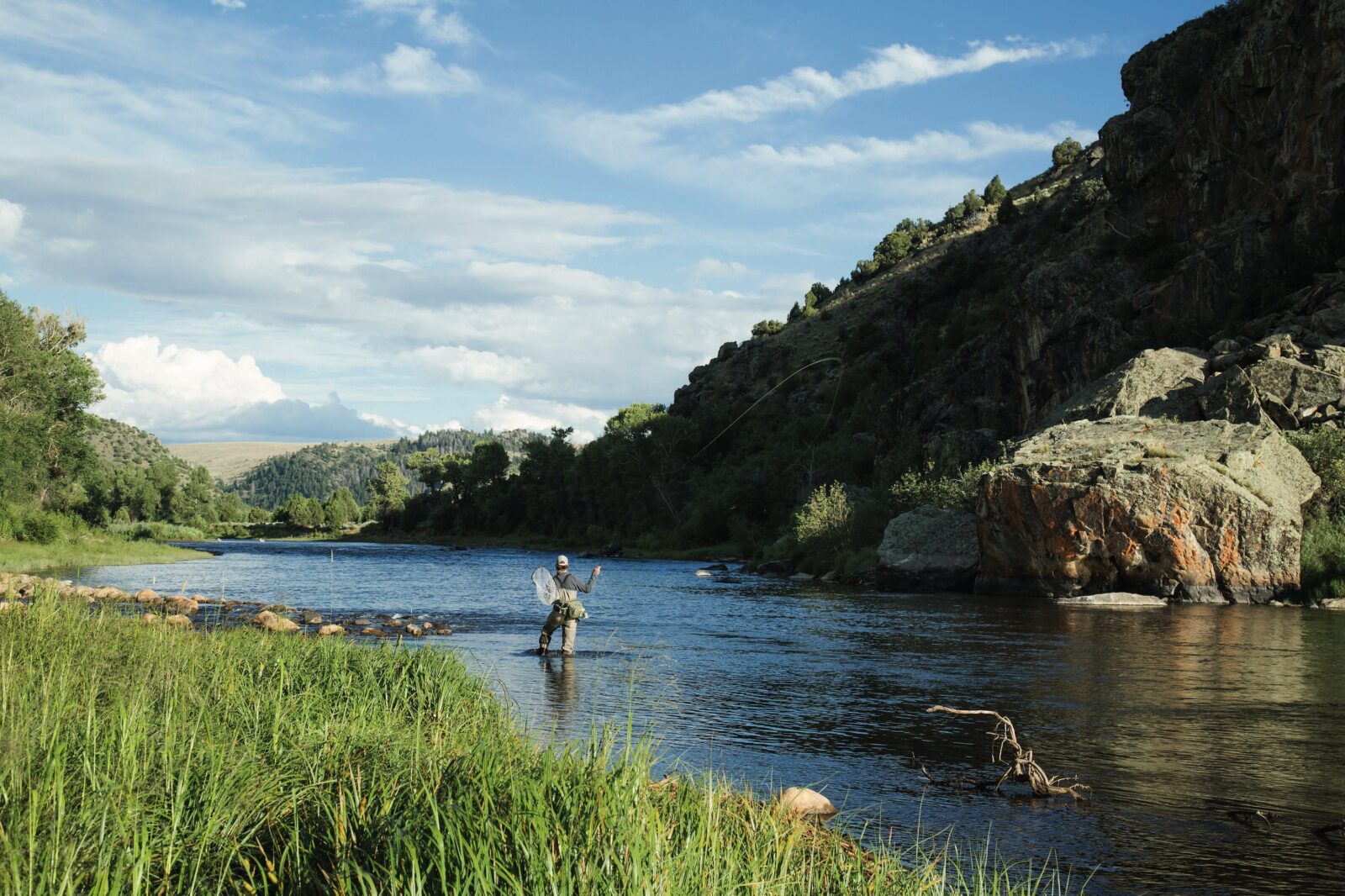
If you want to experience the raw essence these days, Saratoga is a darn good place to do it. And if you want to fish a little (or a lot) as you do so, Brush Creek Ranch makes a very solid choice. The sheer breadth of the place boggles the mind: thirty thousand acres, with another million acres of adjacent national forest, and twenty miles of private water frontage on the North Platte River watershed. This is real, working ranch country, not the “movie star” version found in, say, Jackson, but Brush Creek pampers guests with two spas and digs that include a gleaming lodge, private cabins, and even a riverfront glamping option.
Gravity Haus
Truckee, California
My wife, Laura, and I first stayed at Gravity Haus in Northern California on the recommendation of a local fly-fishing guide, Matt Koles, who also introduced us to the Sierra Nevada’s world-class trout streams. We were smitten immediately with the lodge’s rustic-meets-modern vibe, manifested in its striking mix of cedar and steel and architecture inspired by European alpine lodges. Nestled among pines and firs, the forty-two-room property provides convenient access to historic downtown Truckee and Lake Tahoe, a true natural wonder.
But for trout devotees, Gravity Haus sits mere minutes from the Truckee River, making it an ideal base camp for DIY anglers or those who want to enlist one of the area’s guide services. The Truckee flows out of Lake Tahoe, North America’s largest alpine lake, and is known for trophy brown trout but also holds many rainbows. The river winds into the high desert of neighboring Nevada, where it empties into Pyramid Lake, home to giant Lahontan cutthroat trout that get measured in pounds, not inches. (Anglers often cast from ladders, and ten-pound fish are not uncommon.) Located on Paiute tribal land, the vast saltwater lake draws fly fishers from around the world (make sure to purchase a permit), and at about a ninety-minute drive from Gravity Haus, it’s reachable in a day trip.
Laura and I each landed our personal best trout on fly in Pyramid Lake—mine a twenty-three-pounder that pulled like a bull redfish. We’ve also shared many memorable days fishing the Truckee in the rugged Sierra Nevada, a place that holds special meaning for us: I proposed on Lake Tahoe’s boulder-strewn shores. —Nick Roberts
Quickload Waterfowl Outfitters
Lloydminster, Saskatchewan, Canada
For waterfowl hunting unlike anything you’ve probably experienced, venture north of the border into far-western Saskatchewan to hunt with Quickload. Though the operation flies under the radar, it’s ideally situated within the first southerly stop on a key prairie flyway, so scads of “uneducated” Canada geese, snow geese, mallards, wood ducks, teal, wigeon, and other species pour into harvested barley, wheat, and pea fields—morning and afternoon. The local crew scouts locations daily, and you hunt from temporary ground blinds, so you’ll never even get your boots wet unless it rains. Owner Barcley Fisher has made this a true collective endeavor, earning hunting access from the area’s farming families, some of whom also dish up home-cooked meals back at the lodge. “Come once, and you get a different waterfowl experience,” Fisher says, “but those who come back year after year become part of a hunting community.”
Cliff Dwellers Lodge
Marble Canyon, Arizona
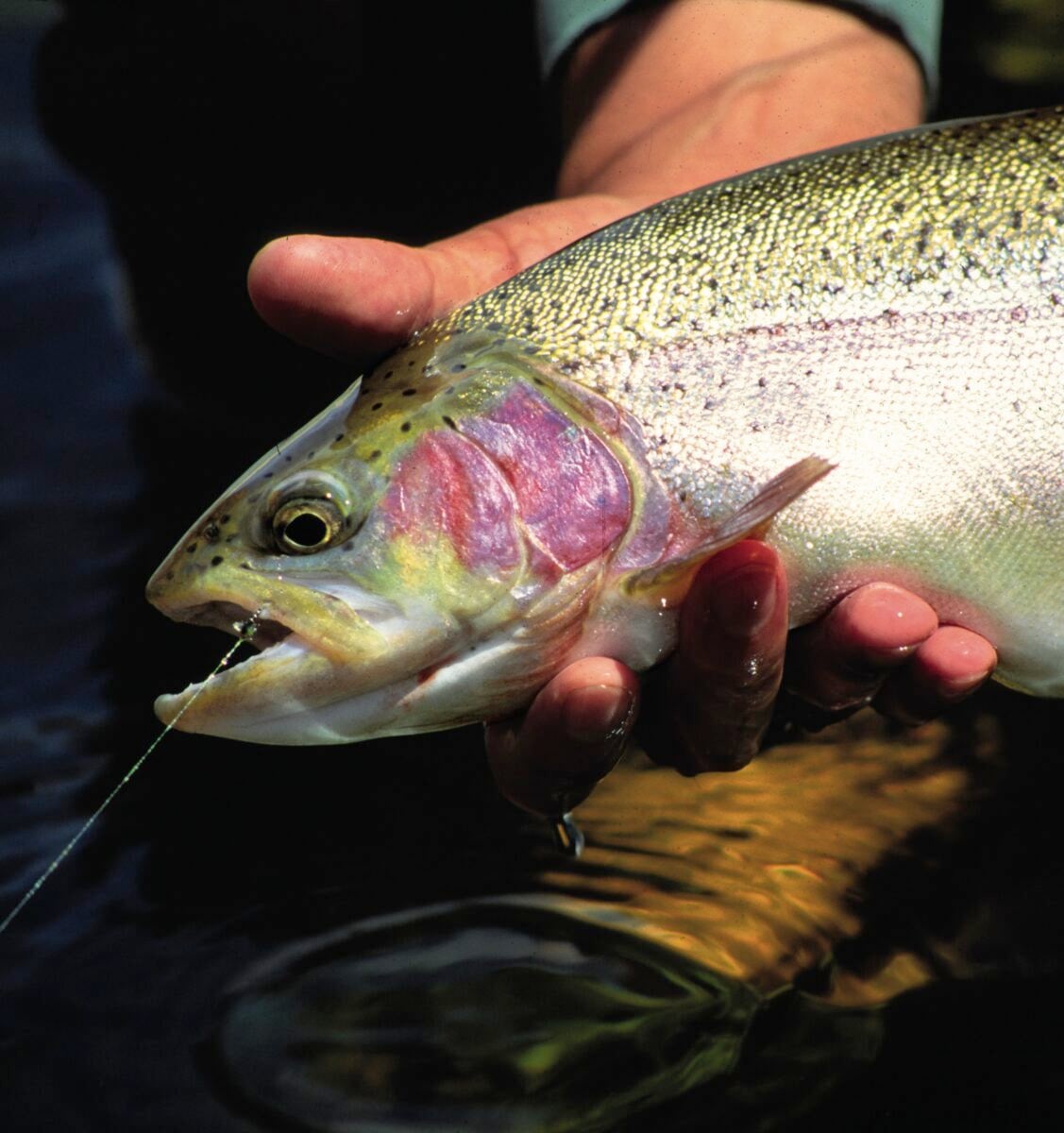
Lees Ferry is the spot on the Colorado River where raft trips put in to head downstream through the Grand Canyon. If you head upstream by jet boat toward the Glen Canyon Dam, however, you can experience one of the world’s most awe-inspiring trout fisheries. As you cast midge and scud fly patterns at rainbow trout (no mayflies exist in the canyon), you’re standing in the shadows of red rock cliffs with walls climbing nearly a thousand feet from the riverbed. As longtime local guide Terry Gunn puts it, “There are many beautiful places to fish, and there are many rivers filled with trout, but there is no place where so many trout swim in such an inspiring spot.” But you must focus, because the takes can be subtle and the trout fight above their weight. At the end of the day, Cliff Dwellers offers comfortable rooms, hearty meals at fair prices, and spectacular un-light-polluted views of the night sky.
Rawah Guest Ranch
Glendevey, Colorado
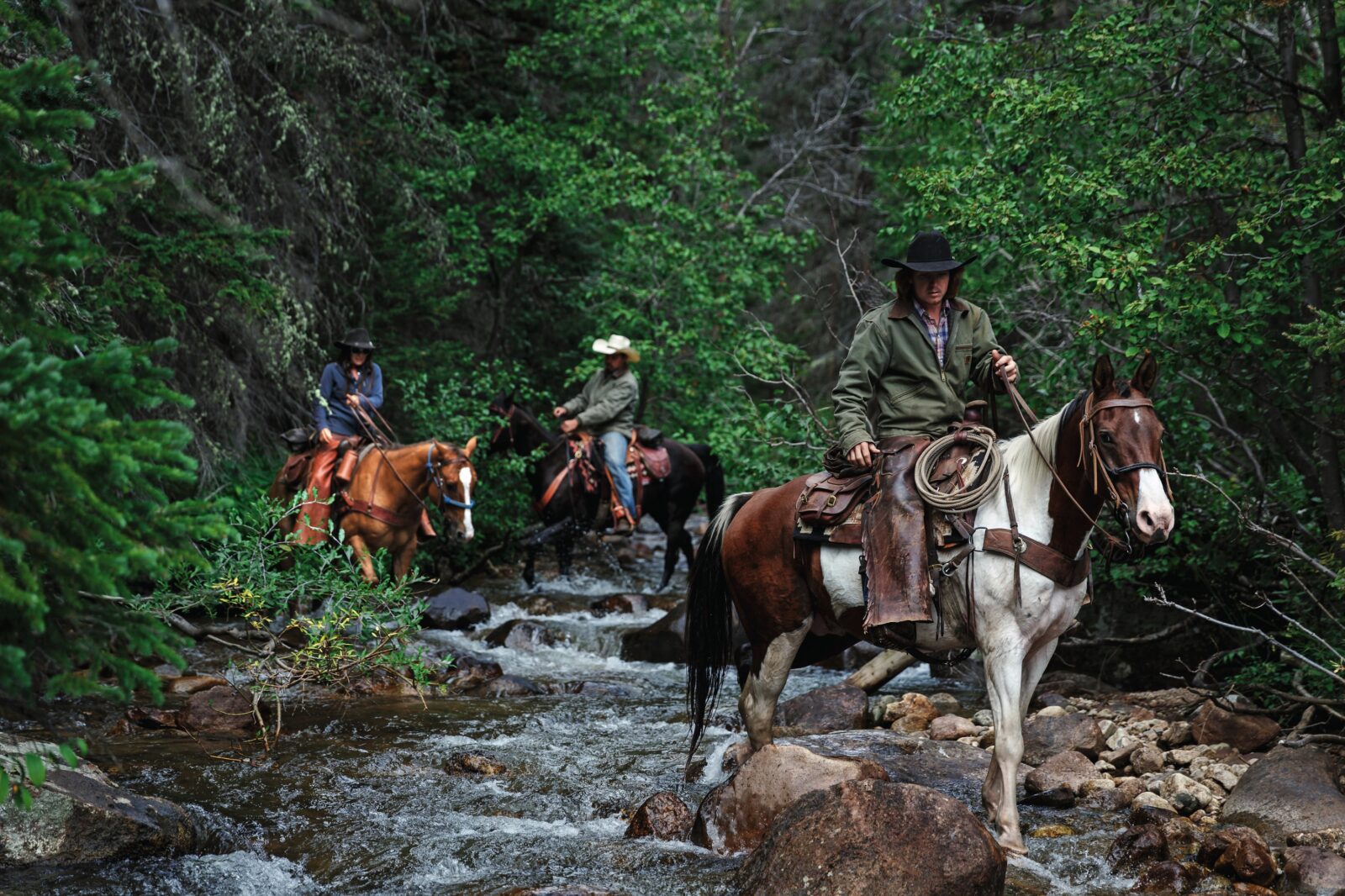
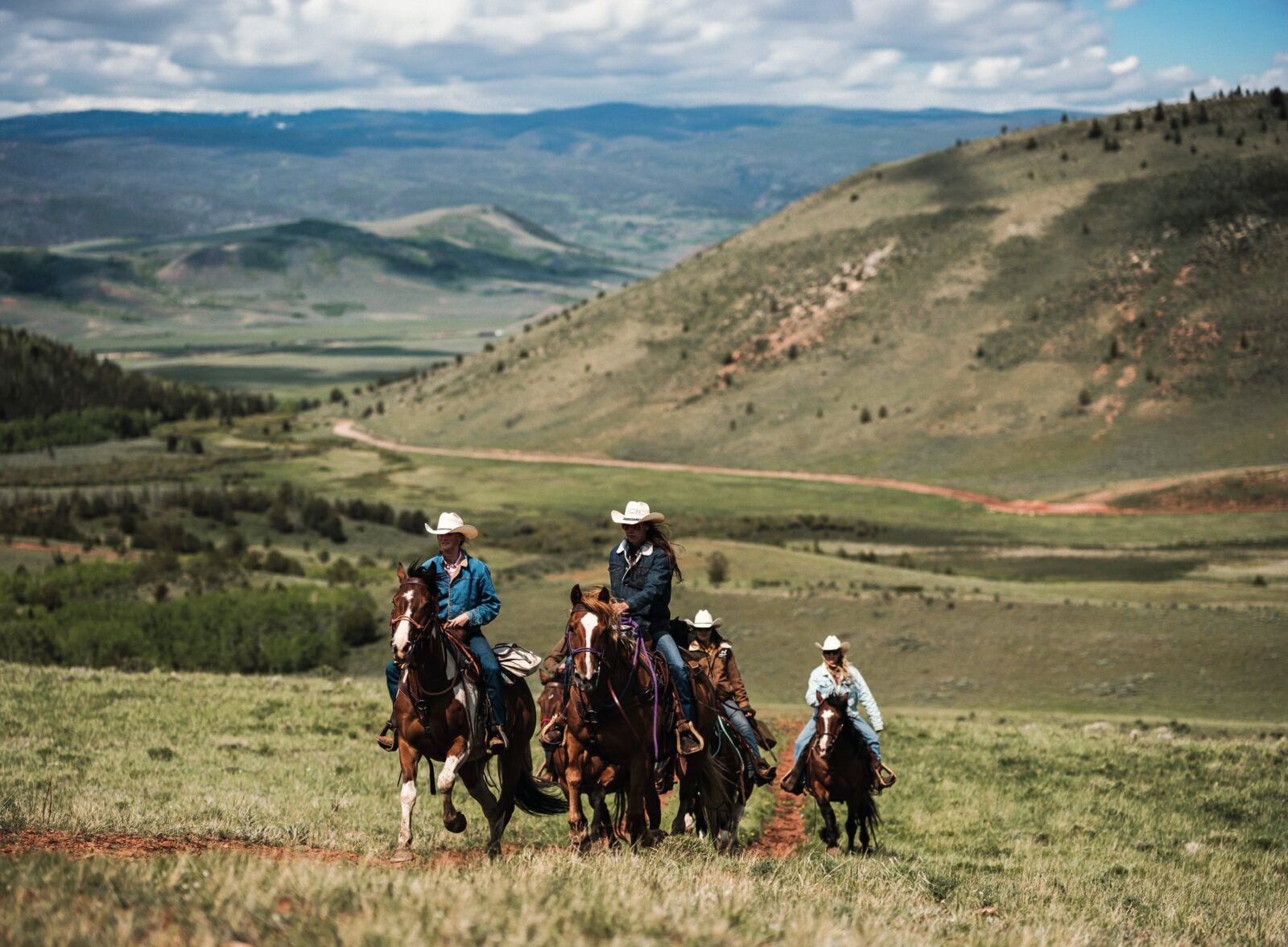
To stand out in the highly competitive Western dude ranch world, you need to check the boxes for everyone in the family. Rawah—an easy, scenic drive three hours from Denver—does that and then some. The fly fishing is unpressured on the ranch’s private stretch of the Laramie River, and the adjacent wilderness area holds numerous other streams and lakes to explore. Naturally, there are more horseback riding trails than anyone could discover in a single stay, along with archery, skeet shooting, cocktail hours, and elevated comfort food. And thanks to its location in a less “touristy” expanse of northern Colorado, blissfully devoid of mountainside condos and ski runs, there may be no prettier place in the state to witness the aspens turning gold in September.
The Complete Fly Fisher Lodge
Wise River, Montana
Smack-dab on the banks of the Big Hole River, Complete Fly Fisher exemplifies the quintessential Montana fly-fishing experience thanks to the river’s well-earned reputation for abundant insect hatches and massive, eager trout. But it’s the diversity of water options that keeps this lodge planted at the top of the traveling angler’s destination list. Day trips to the Beaverhead (legendary for Goliath brown trout); the Jefferson (an ultratechnical but sometimes surprisingly rewarding river); Rock Creek (stone-fly central); and even the Bitterroot, Clark Fork, and Missouri are all within range. In other words, if one river is too high, or another too hot, there’s no shortage of alternatives. Another standout experience: breakfast each day in the lodge’s River Room, where you dream up plans for the fishing ahead.
Joshua Creek Ranch
Boerne, Texas
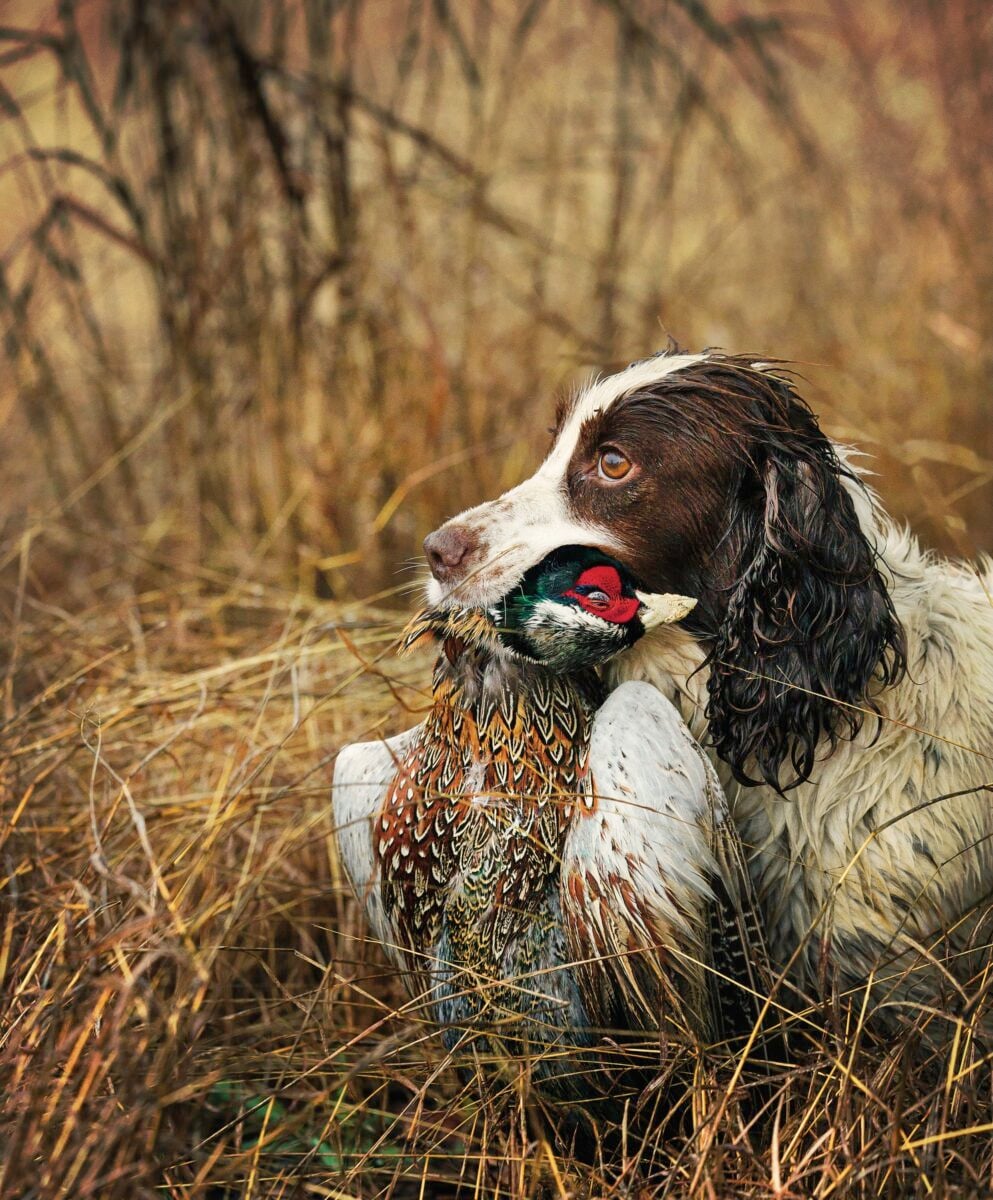
Joshua Creek has become a Hill Country landmark for wing shooting, fly fishing, and Lone Star hospitality. That means traditional upland bird hunts for quail, chukar, and pheasant, as well as European-style driven pheasant shoots. And the region’s cool, spring-fed creeks present chances to chase the vaunted Guadalupe bass, a bucket-list native species for serious fly anglers. Beyond that action, you can shoot a round of sporting clays, kayak, lounge in the pool and hot tub, and enjoy classic four-course dining with field-to-table appetizers like fried quail. And since you’re right in the thick of the Hill Country, why not mosey over to one of the dance halls up the road?
Ruby Springs Lodge
Sheridan, Montana
The first time I traveled to Ruby Springs, I met a guest everyone called “the General.” Three times a year, he and his wife made ten-day visits to the lodge—for eighteen years. The staff decorated his cabin with photos of his favorite catches. They set out his velvet slippers before dinner. The General always fished with the same guide, five-hundred-plus river days talking tippet, trout, and tales tall or true—colored with perfectly languid profanity whenever a slow hand allowed some kype-faced slab to escape a strike unscathed. Theirs was a relationship built on subtleties.
Relationships and subtleties set Ruby Springs apart. When he bought the property, owner Paul Moseley slept nights in the open field to understand where the cabins should sit in relation to the water. And what water! To the Big Hole, Beaverhead, Madison, and Jefferson Rivers add about a dozen winding, wadable miles of the Ruby and its tributaries, small-stream dreams where hooking a twenty-inch fish goes rodeo from the jump. Add, too, the eponymous springs—sparkling crystal rivulets lacing the valley floor, sprinkled with astute trout that remain unmoved by anything less than your very best efforts.
Because Ruby Springs retains its guides for decades, guests can rely on centuries of combined experience to make most fish situations solvable. That continuity also means, as the General understood early, that a guest can pretty quickly become a friend-from-far-away. —Jeff Hull
South Fork Lodge
Swan Valley, Idaho
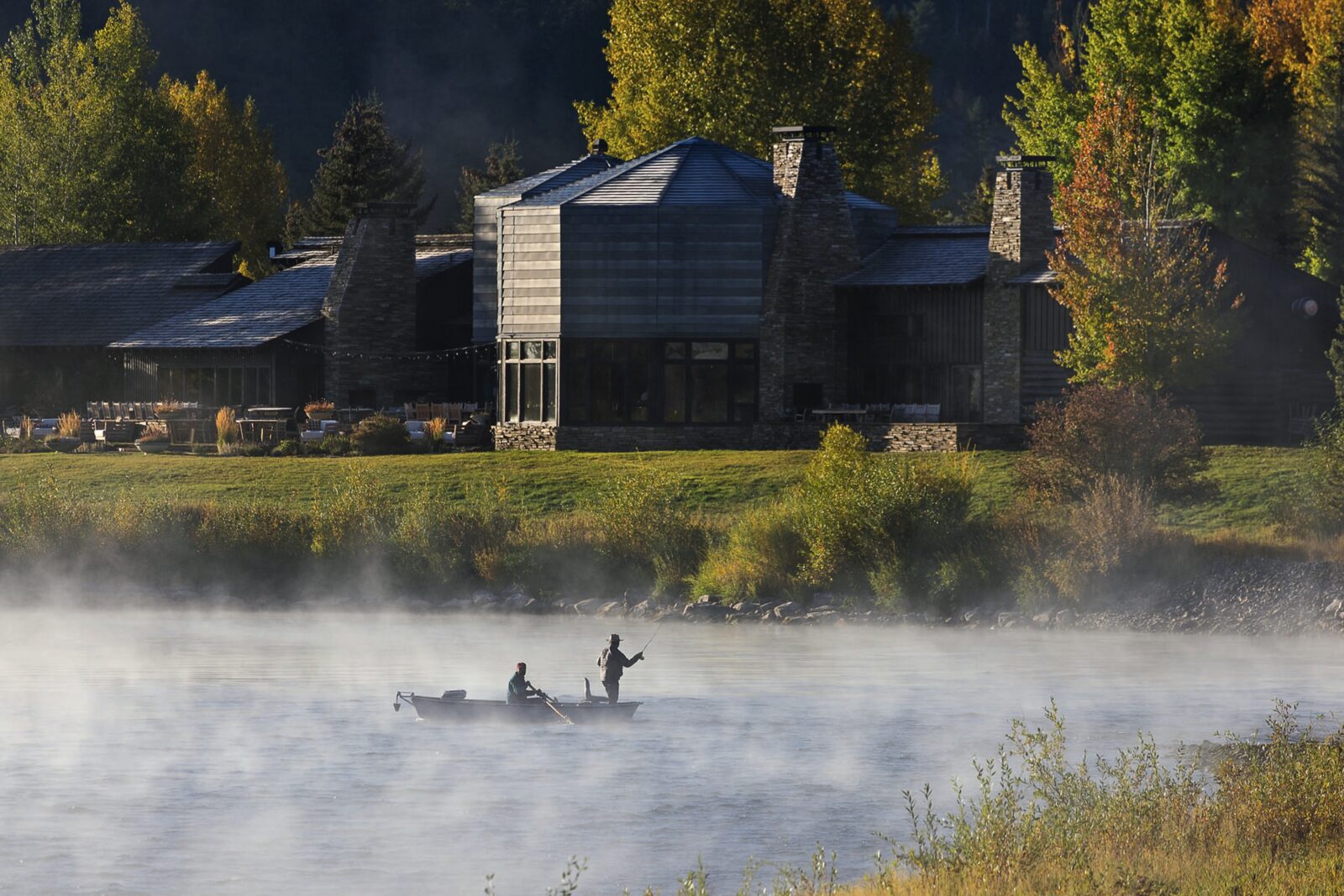
Owned by fly-fishing guru Oliver White and avid angler Jimmy Kimmel (yes, that Jimmy Kimmel), South Fork Lodge is the crème de la crème of fishing lodges, located on the banks of what is arguably the best dry-fly fishery on the planet—the South Fork of the Snake River in Idaho. Though part of the same river system as the Henry’s Fork nearly a hundred miles away, the South Fork is far more forgiving to anglers of all skill levels. Expect a waiting list at the lodge for prime days in certain months, but if you want to mix catching with learning, there’s no better place. Book far in advance, because there are bigguns to be had in these waters. To wit, Georgia angler Caroline Langdale caught a brown trout on a rubber-legged nymph fly with guide Ed Emory that taped out at thirty and a half inches this past spring. Emory called it a “megalodon.”
Forrester’s Bighorn River Resort
Fort Smith, Montana
The concept of the “cast and blast” didn’t originate on the Bighorn River in Montana, but that might be where the game has been perfected. Owners Nick Forrester, a wildlife biologist, and his wife, Francine, an executive chef, have created something truly special by bringing custom-tailored hunting-and-fishing itineraries and carefully crafted dishes—roasted leg of lamb with a curried lentil-vegetable stew; lavender-infused crème brûlée with a lemon-poppyseed madeleine—to this “out there” part of Big Sky Country. Offering steady cold, clean water and abundant insect hatches, the stretch of the Bighorn that flows from the Yellowtail Dam is a veritable trout factory, and anglers can walk from the lodge to one of the best boat launches. Meanwhile, the hunting rivals the fishing, with thousands of acres of open range and coulee country loaded with a naturally reproducing population of wild pheasant.