

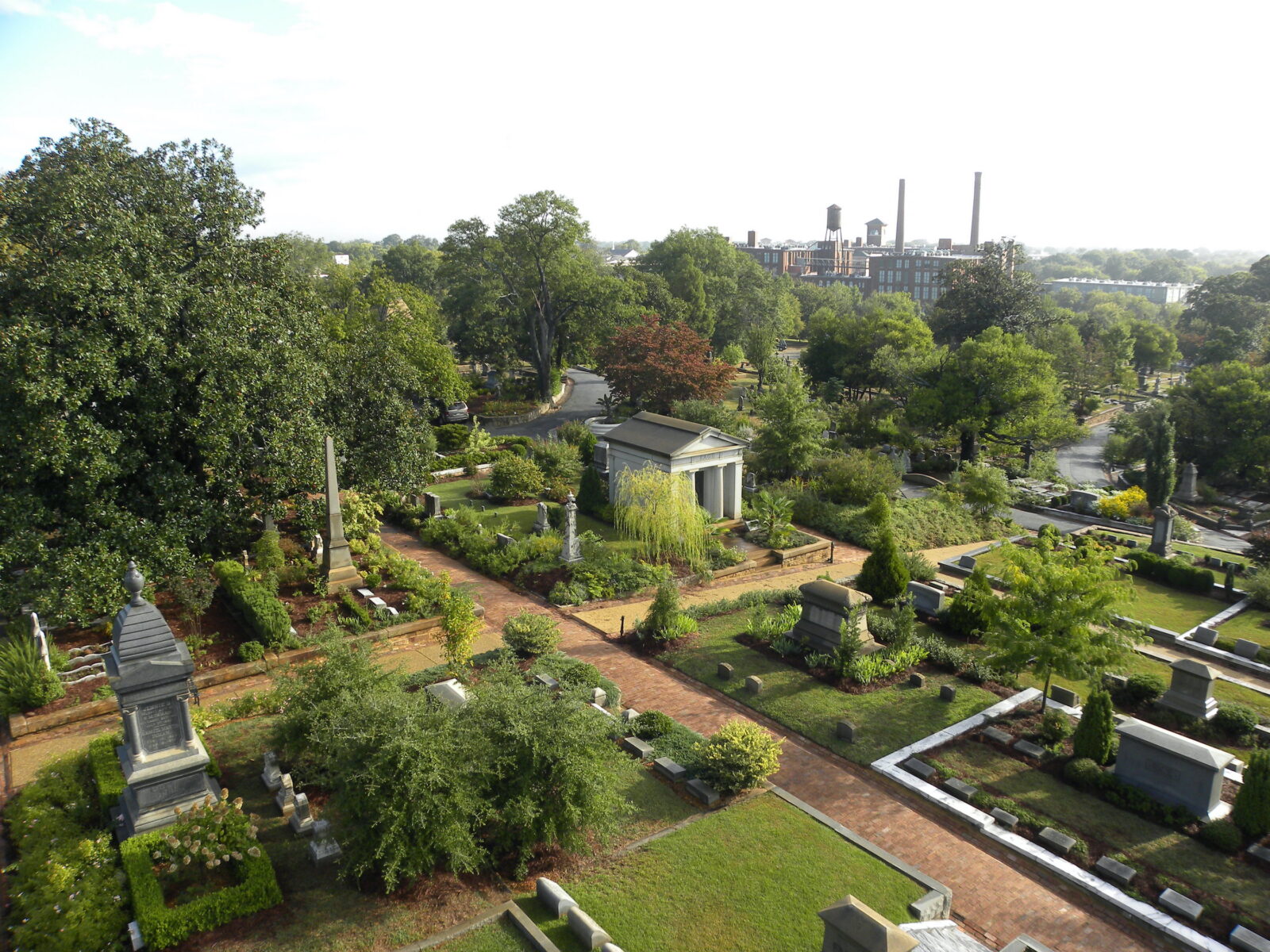
As the gardens manager of Oakland Cemetery in Atlanta, Janna Rhoden is comfortable with the presence of the dead. “Working here has been a spiritual awakening, and made me educate myself about the people that are buried here and what all their lives entailed,” she says. “I love getting my hands in the soil and connecting with them.” She loves helping visitors connect with them, too, as Oakland—which is open to the public as a park—gets ready for its twentieth annual Halloween celebration, Capturing the Spirit of Oakland, a series of nighttime tours of the gardens centered around the narratives of seven people buried there. There’s no shortage of honorees to choose from—after all, few places in Atlanta hold more stories. “It’s a huge museum,” Rhoden says.
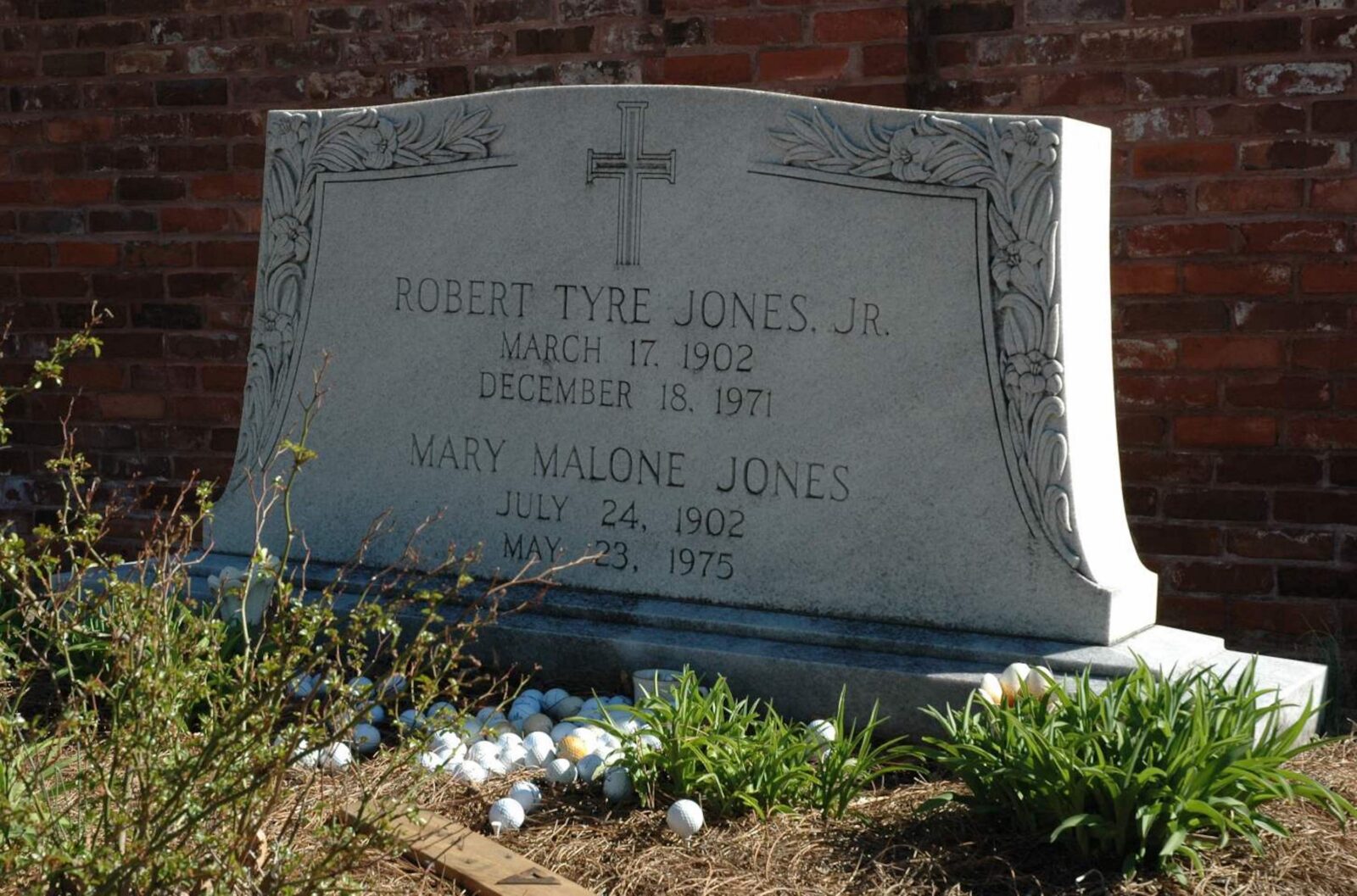
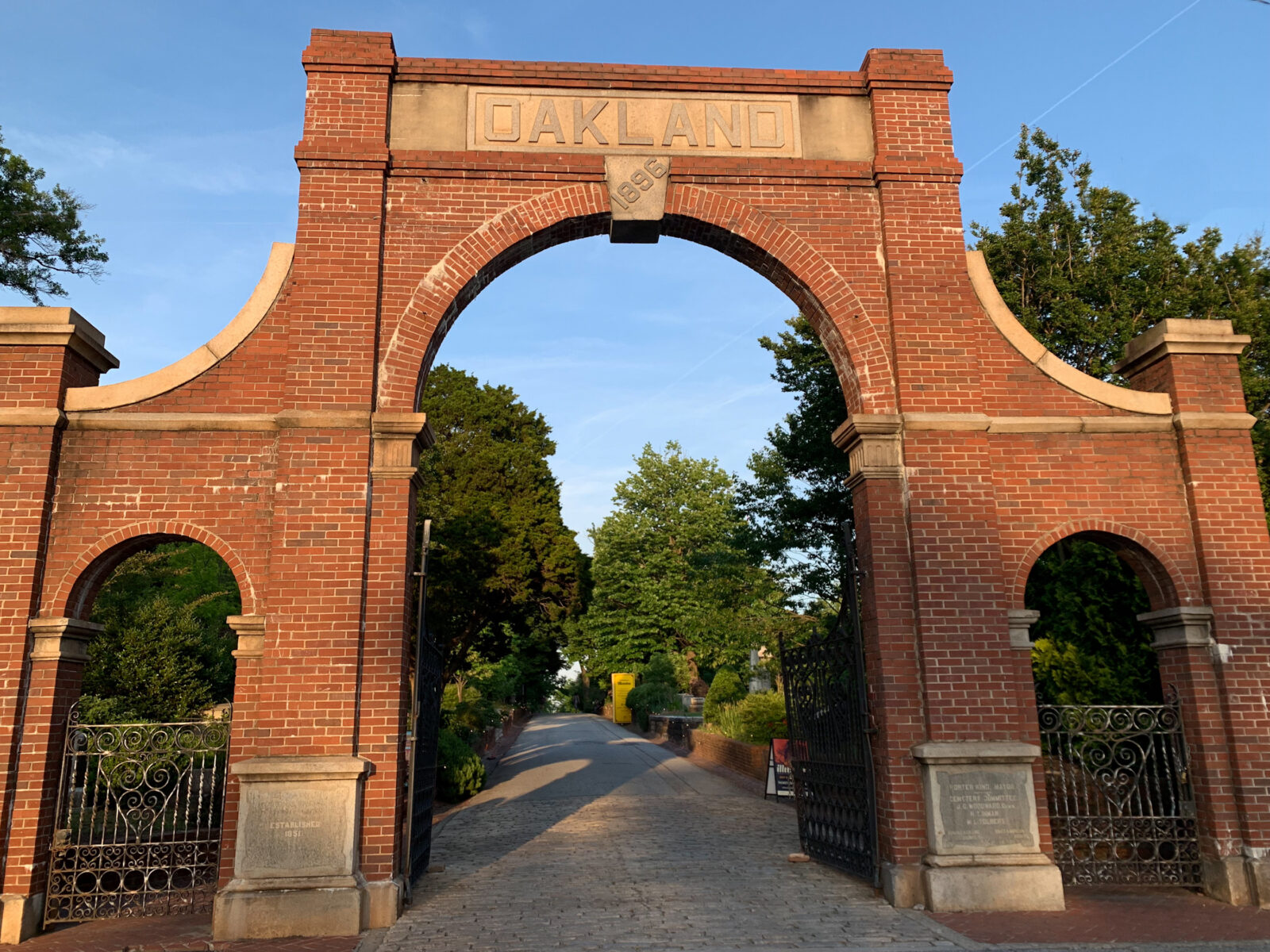
Oakland—orginally called Atlanta Graveyard or City Burial Place—began with just six acres, purchased by city leaders in 1850 to accommodate Atlanta’s growing population. The space was conceived as more than a graveyard—it was designed as a rural “garden cemetery,” a nineteenth-century idea meant to transform burial grounds into places of beauty and reflection, outfitted with winding paths, lawns, trees, and monuments. As Atlanta grew, so did the cemetery. Its landscape, divided into sections and dotted with elaborate mausoleums, tombstones, and monuments, came to reflect the city’s complicated history, including the divisions of race, class, and religion that shaped life—and death—throughout Atlanta’s history. Today, its forty-eight-acre grounds are the final resting place of more than seventy thousand people, spanning household names like Kenny Rogers, Margaret Mitchell, and Bobby Jones; prominent Atlantans like Maynard Jackson, Atlanta’s first Black mayor; as well as those whose names and stories remain unknown.
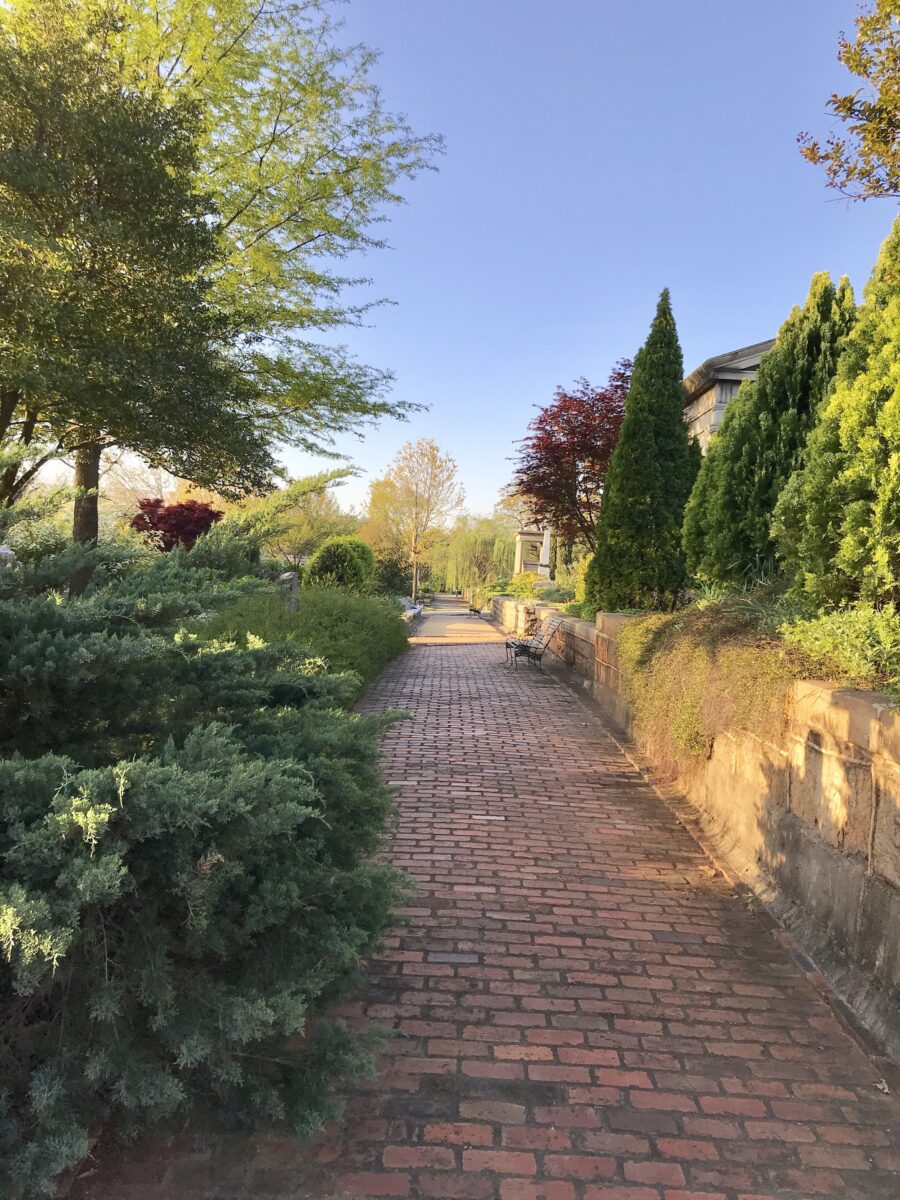
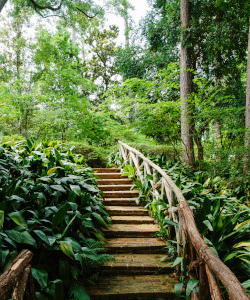
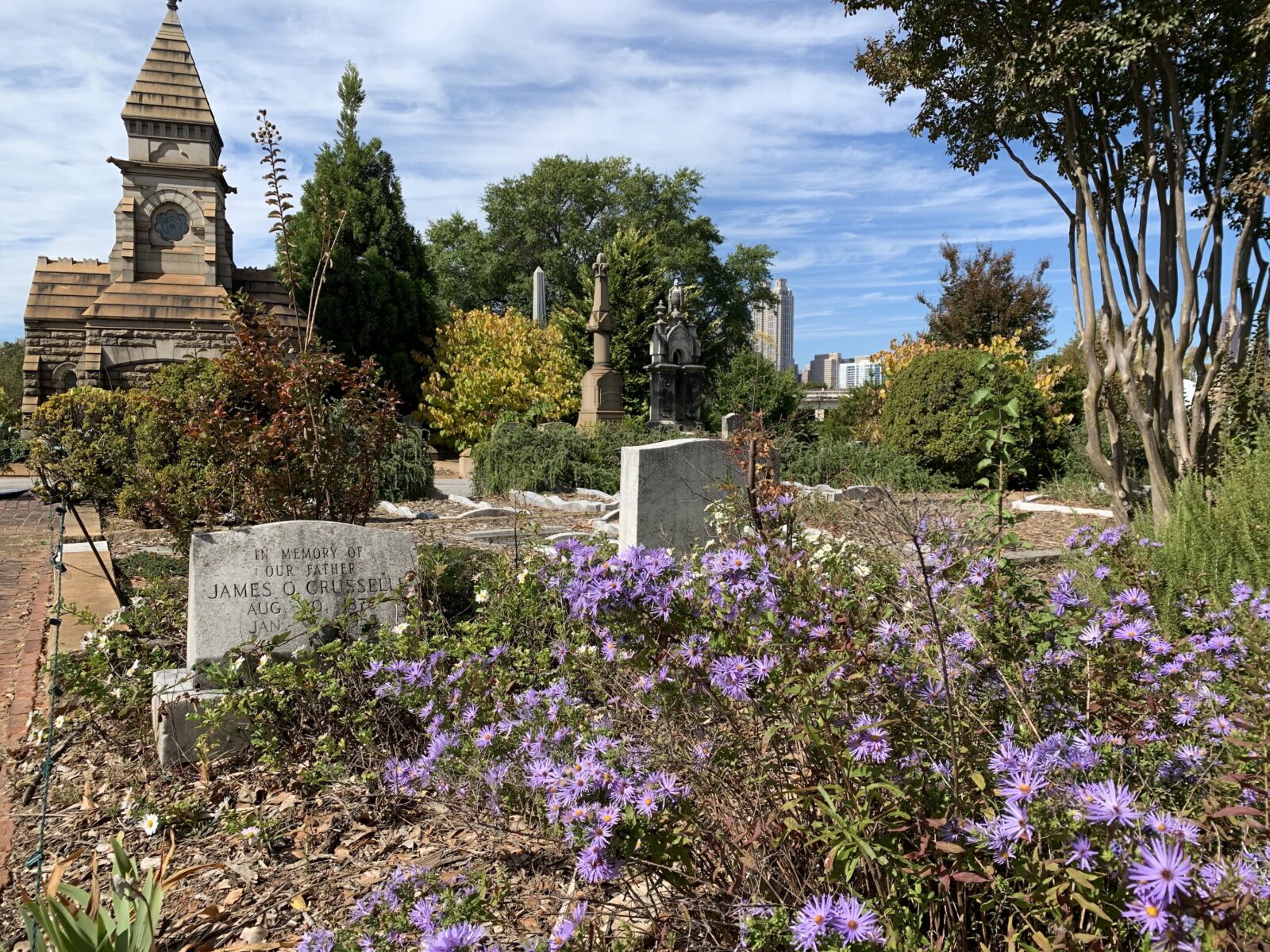
Throughout the grounds, the horticulture team strives to garden in a way that respects each area, planting native and heirloom varieties wherever they can and taking inspiration from those buried beneath. “We try to find as many clues as possible,” Rhoden says. “Those might come from botanical symbolism on headstones or going through historical catalogs.”
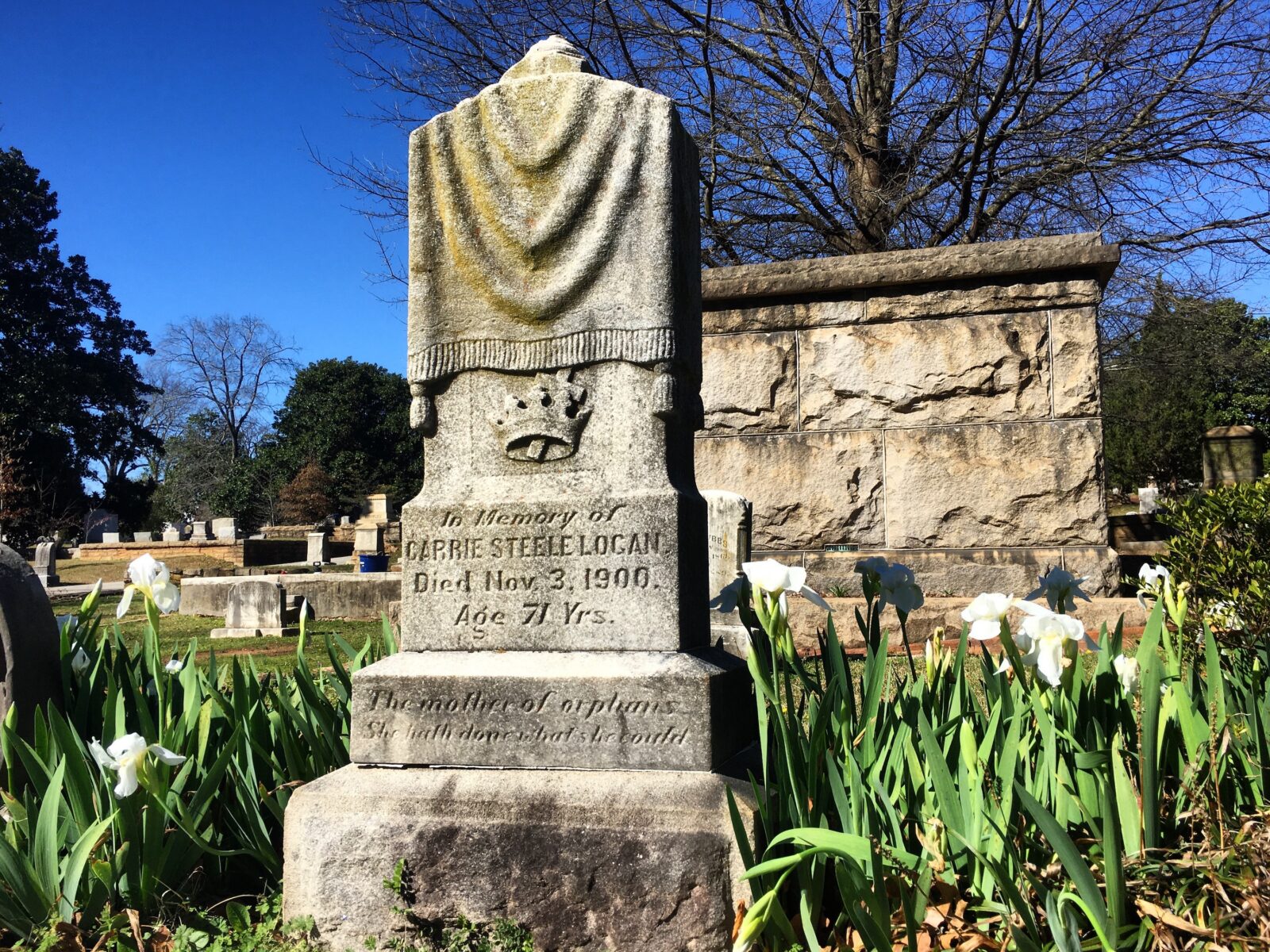
For example, around Bobby Jones’s grave, the team planted an homage to the eighteen holes of Augusta National, which Jones cofounded in the 1930s, using eighteen different plant species, including a stately Southern magnolia, camelias, azaleas, and chrysanthemums—all of which were grown at Fruitland, the nursery whose grounds eventually became the golf course. In the African American Burial Grounds, horticulture director Abra Lee and Rhoden added gladioli as a nod to prominent Harlem Renaissance writer Effie Lee Newsome (her most famous work is Gladiola Garden, a collection of children’s poems) and planted azaleas that originally grew at an African Methodist Episcopal Church. On Jewish Hill, mums and heirloom irises bloom in shades of blue, a significant color in Jewish teachings.
Meanwhile, Potter’s Field, a place for those who could not afford a more formal burial, is maintained as an expansive area of grass. “It might not look like there are 7,500 people beneath your feet, but there are,” Rhoden says—and as a popular gathering spot, it’s a reminder of how Oakland is as much a place for the living as it is for the dead. Beyond the small army of volunteers that Rhoden manages to help maintain the grounds, “people come here to clear their heads and reflect, to walk their dogs, or to have a picnic. And we have more weddings here than funerals,” Rhoden says. “Oakland is a place of joy, too, and people who visit are respectful of all the history. I think of it as beauty after death.”
Lindsey Liles joined Garden & Gun in 2020 after completing a master’s in literature in Scotland and a Fulbright grant in Brazil. The Arkansas native is G&G’s digital reporter, covering all aspects of the South, and she especially enjoys putting her biology background to use by writing about wildlife and conservation. She lives on Johns Island, South Carolina.