
Arts & Culture
Black Belt Artistry Lives on in a Revived Nineteenth-Century Alabama Cottage
At Aaron Sanders Head’s Sumac Cottage in Greensboro, indigo dyeing classes, film screenings, and photographic workshops capture regional traditions and the beauty of the land
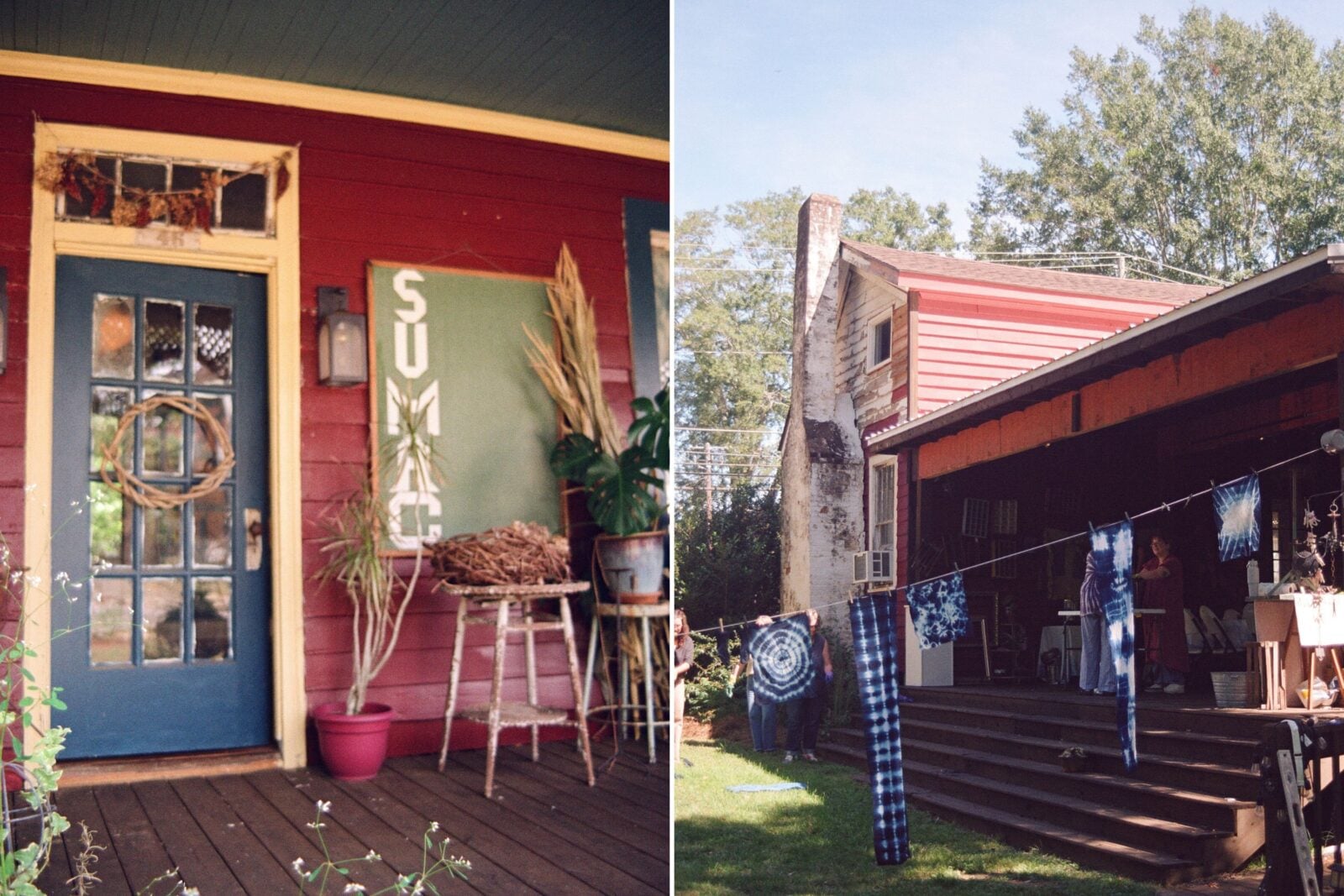
Deep burgundy, blue, and ocher yellow cover an ornate cottage on a sleepy, sunny road just off Main Street in Greensboro, Alabama. Artist Aaron Sanders Head and musician Tim Higgins, the owners and rehabilitators of Sumac Cottage, painted the exterior with hues inspired by the front yard’s dye garden and Head’s textile practice, where sumac, madder, indigo, and marigold plants are always close at hand. And while the early-nineteenth-century property’s moody, funky palette of primary colors might stand out from the classic white and green shuttered homes around it, it’s perfectly suited for the creative happenings inside: kudzu weaving and cyanotype classes, film and music shows, and botanical dyeing workshops led by Head and visiting artists.
“It was important for me to have a space here in Greensboro to share my work and share these experiences with people,” he says. “When people find new ways to engage with their surroundings, they leave with a different sense of themselves and the environment around them, and a respect and admiration.”
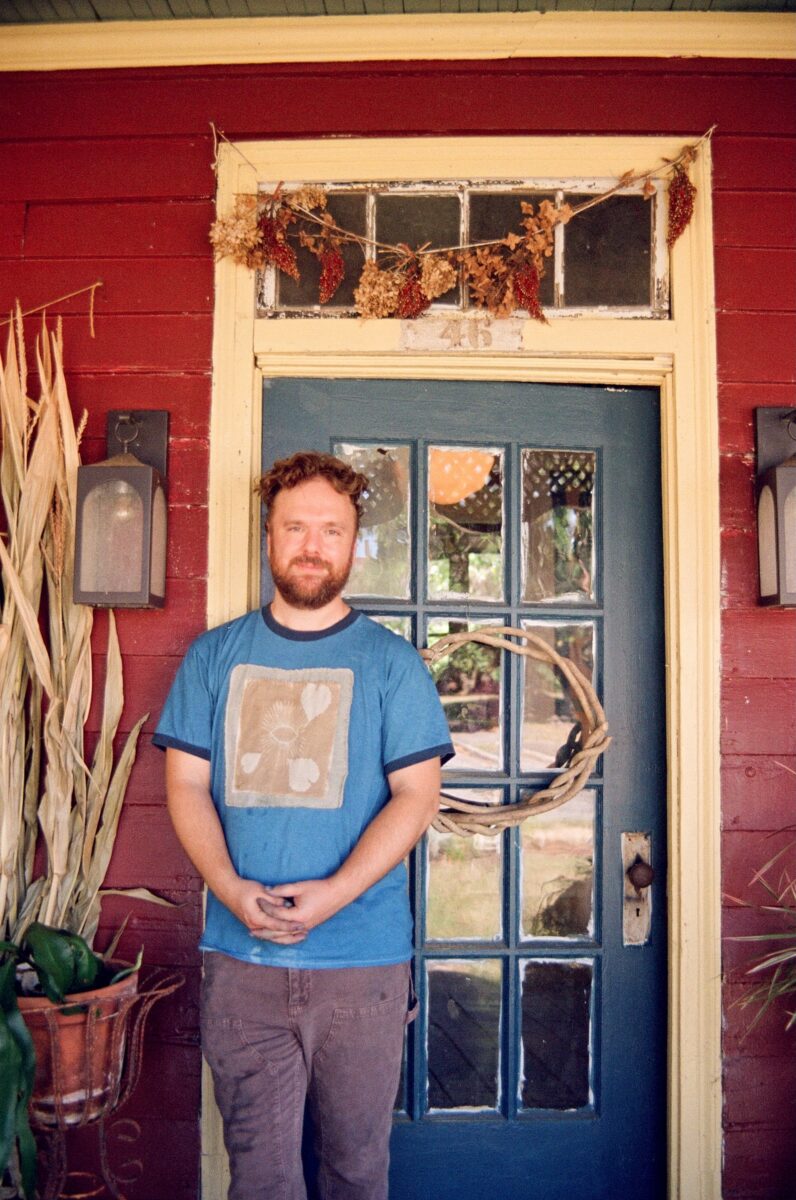
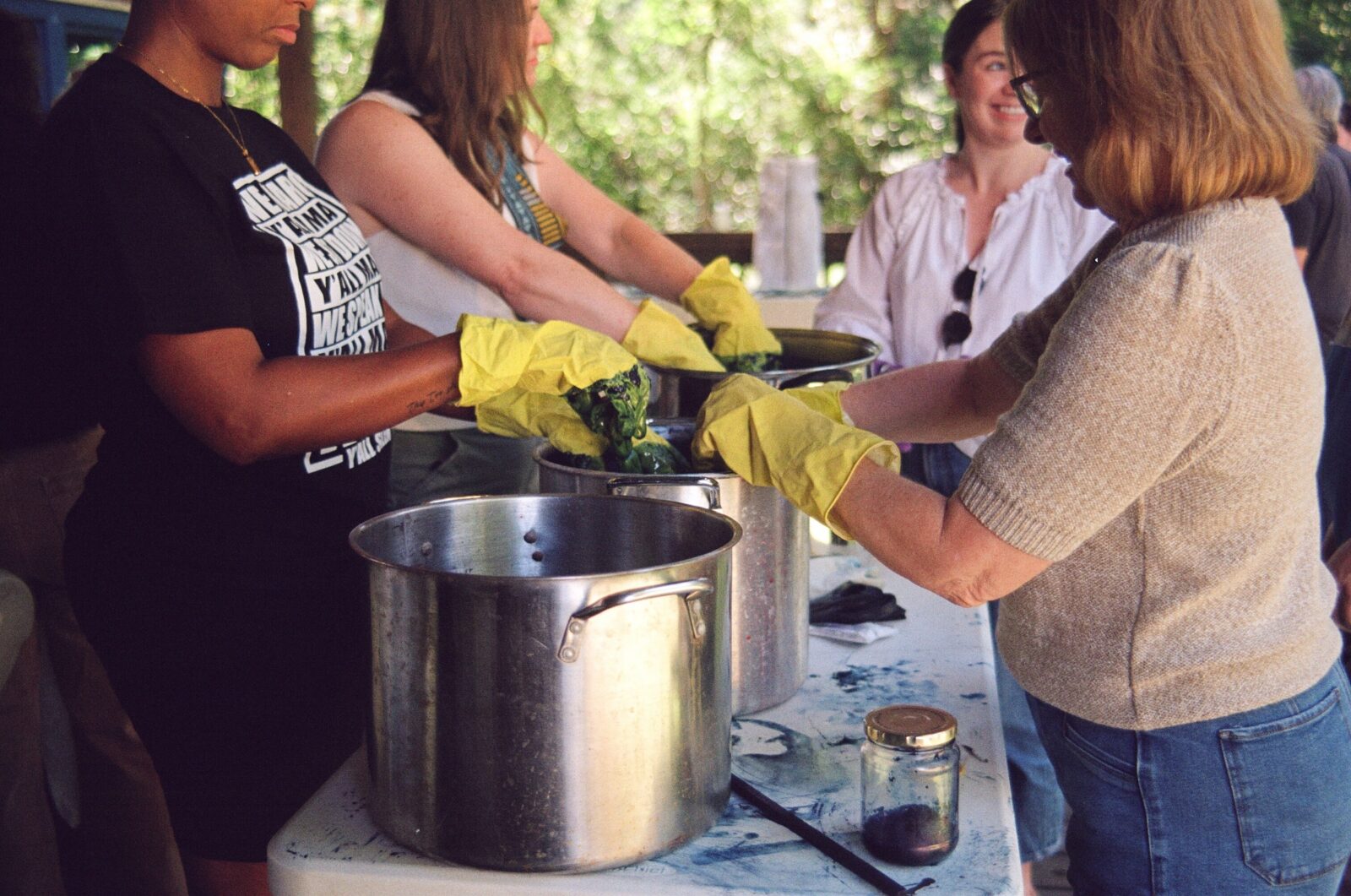
For Head, gathering material from the land is a way to connect with it and learn from it. His technique begins with foraging for plants like black walnut and goldenrod alongside country roads and his garden. Then, at the cottage, pots of simmering water coax an array of earthy pigments from the plant matter, producing dye baths for pieces of cotton retrieved from thrift stores and drawers from his family’s house. Inside the gallery space, giant quilts—like ain’t gonna study war no more—pieced together with dazzling indigo blue and siennas from black walnut, adorn the walls, echoing a regional fiber arts practice kept alive by makers like Alabama Chanin and quilters of Gee’s Bend.
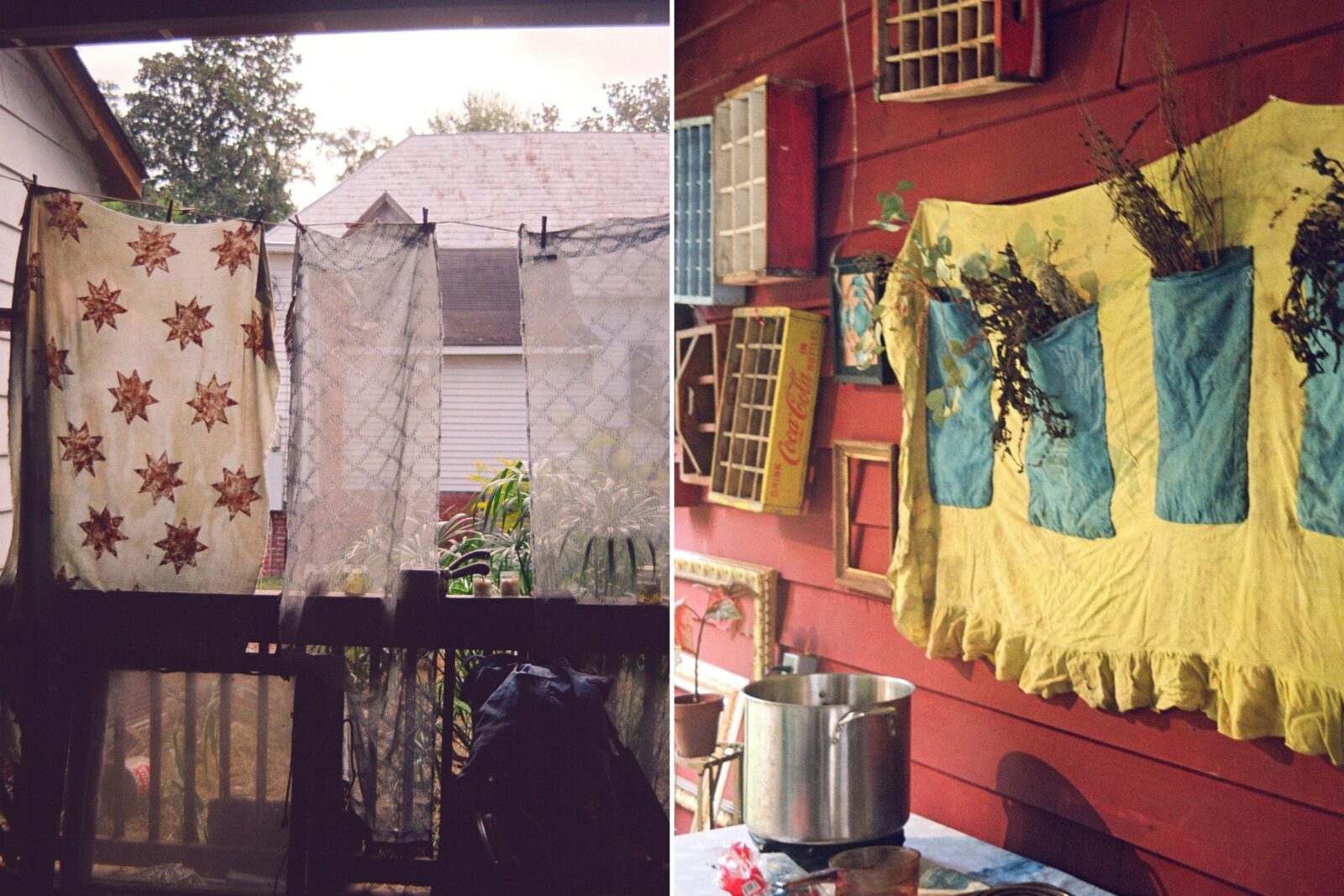
Smooth sumac, a shrub native to the fertile prairie soil of the region, is a favorite of Head’s. Every part of the plant—the bright red berries and tannin-rich leaves, branches, and galls—can be used for dyeing, imparting rich, earth-toned pigment on the secondhand and vintage cottons he uses for his pieces and classes. For Head, sumac is a giving tree, providing abundance in its own natural habitat as well as in the creative studio. And the cottage, emblazoned with its name in blocky, quilt-like letters, follows in its namesake’s stead, providing for those around it. Sumac Cottage opened in 2024 as a space for visitors from the state and far-flung places alike to gather and learn.
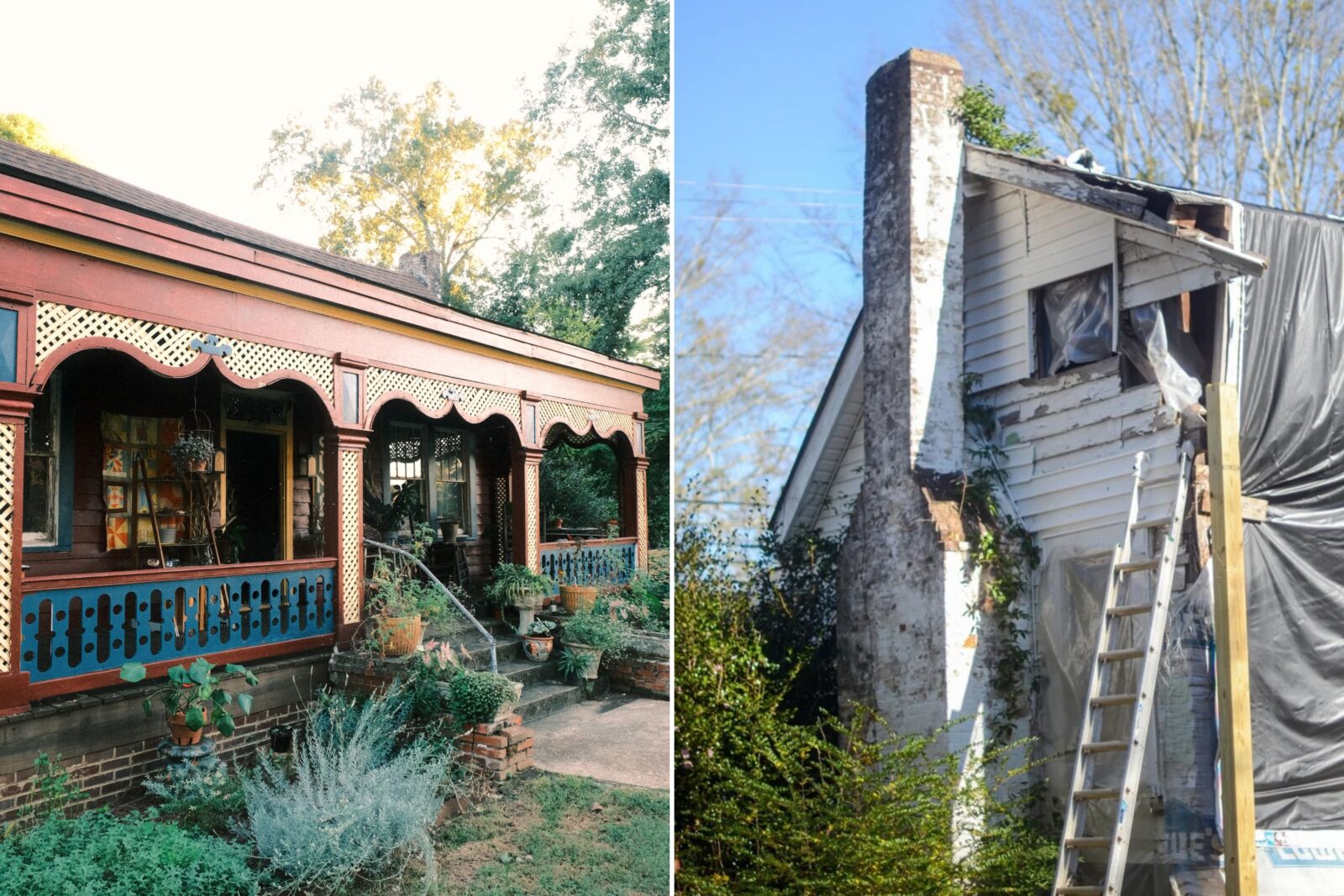
Before there was a flexible gallery space and an expansive open-air classroom, there wasn’t much at all. The cottage, with its lovely scalloped latticework and columns, was in complete disrepair by the time Higgins and Head bought it from a friend who rescued it from demolition. It had been abandoned for nearly a decade: The siding was open to the elements; the front porch had fallen; the entire back wall was missing, covered with an advertising tarp of a smiling girl with braces. But the two artists saw something worth saving.
For more than a year and a half, they rehabbed the single-room house, opening up and exposing the rafters and roofline, installing ornate balusters made with cypress from a local woodworker, replacing the porch floor, and adding a 1,000-square-foot covered back porch for workshops. Inside, the renovation included adding drywall to make a flexible interior space for group shows. The most recent exhibition, Plumage, began with a call for artists to celebrate Alabama’s annual Black Belt Birding Festival hosted by Alabama Audubon. The show spotlighted more than thirty artists, crafting an artistic aviary of beaded bluejays, marbled ornaments of scissor-tailed flycatchers, and wood thrushes made of stained glass.
“There’s a really interesting creative and sort of magic force around Greensboro and Hale Country,” Head says. For the Alabama native, who grew up in the rural towns of Hope Hull and Grady, creating a community hub felt like a natural extension of the artistic legacy of Greensboro, where twentieth-century photographers like Walker Evans and William Christenberry lived and worked, documenting the character and architecture of the surrounding Hale Country. “I find, oftentimes in my own work, whether quilting or dyeing, there’s often a basis in a traditional practice,” he says. “Sometimes people think of traditional as not so innovative, but there’s a lot of mastery of materials and inventiveness in those traditional techniques—I love finding ways of embodying those.”
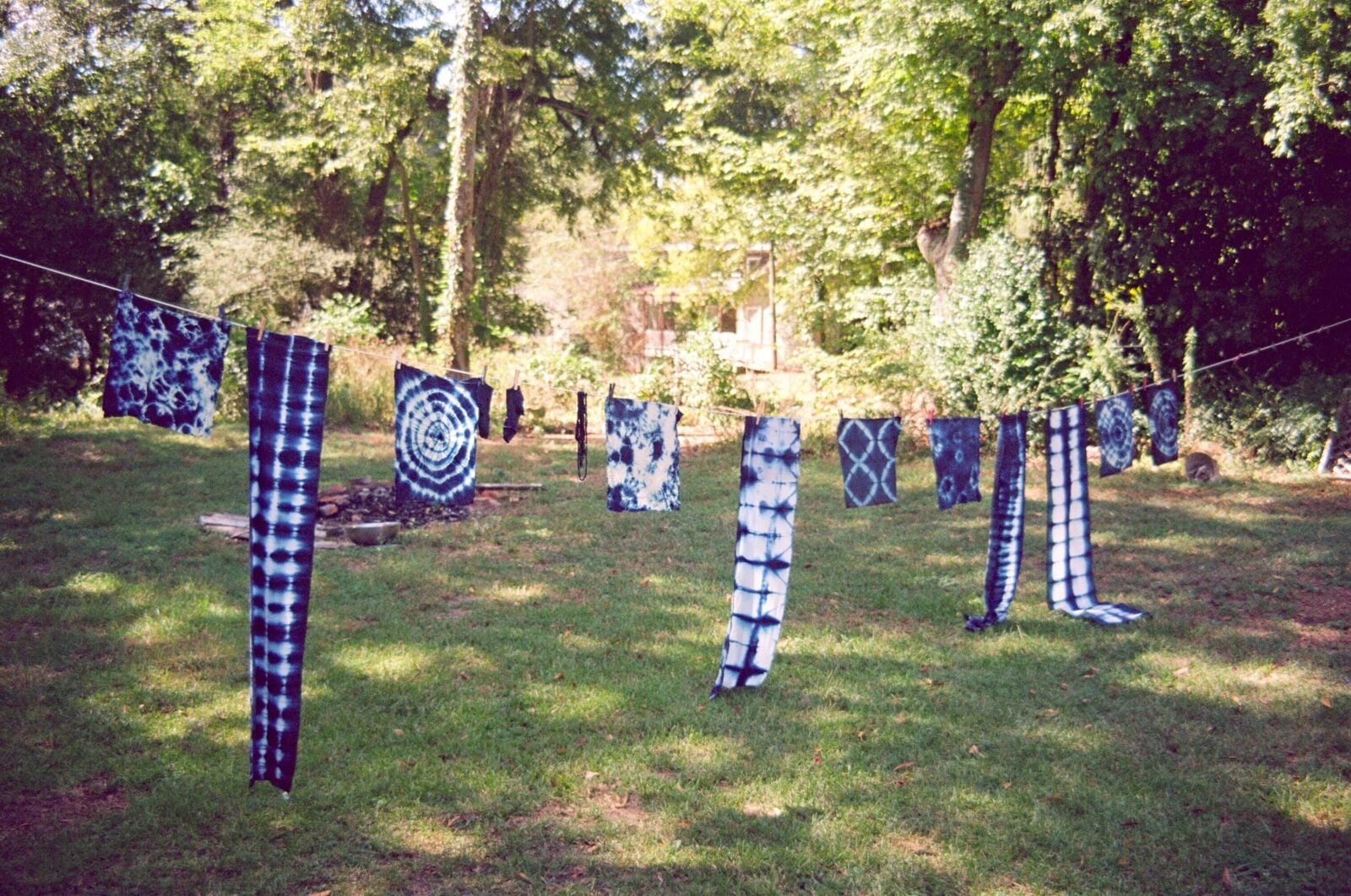
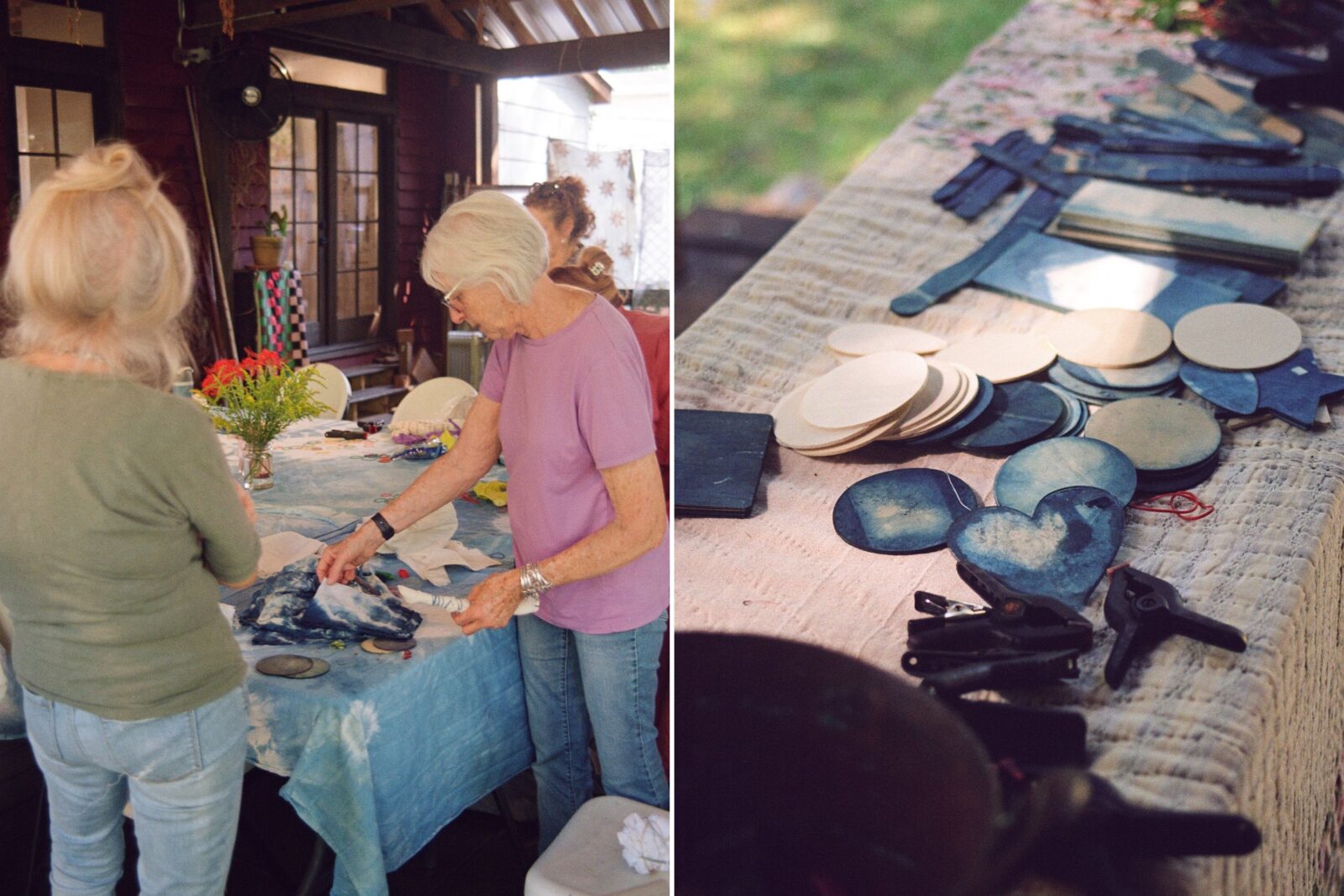
The classes at the cottage, ranging from indigo dyeing, anthotype and cyanotype photographic processes, hand-stitching techniques, pine burr quilting, and basket weaving, all nod to centuries-old traditions of artmaking in the region, bridging contemporary makers with a larger legacy of Black Belt artists who turned to the land for inspiration. “There’s something about the air here and the soil here that pulls you in,” Head says. “It makes you think a little bit more deeply about the world around you.”
Sumac Cottage is one of six stops on Alabama’s newest Maker’s Trail. Stay up to date on the cottage’s offerings and sign up to participate in workshops on their website.
Gabriela Gomez-Misserian, Garden & Gun’s digital producer, joined the magazine in 2021 after studying English and studio art in Virginia’s Shenandoah Valley. She is an oil painter and gardener, often uniting her interests to write about creatives—whether artists, naturalists, designers, or curators—across the South. Gabriela paints and lives in downtown Charleston with her golden retriever rescue, Clementine.