
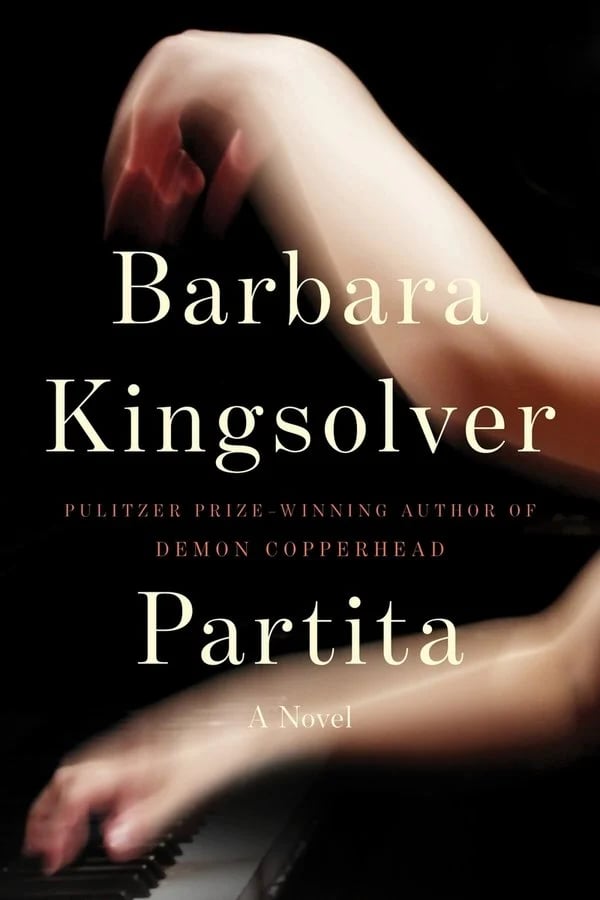
Partita, by Barbara Kingsolver
Few provide more searing insight into the South than Barbara Kingsolver, so even if her Pulitzer Prize–winning 2022 novel Demon Copperhead did leave me incapacitated for longer than I care to think about, I’ll be reading whatever she’s writing. Her newest project out in October is Partita: In it, Kingsolver again turns her eye to her home region of Appalachia, this time through the story of a gifted pianist on a dairy farm in East Tennessee. I’m buckling up.
—Lindsey Liles, digital reporter
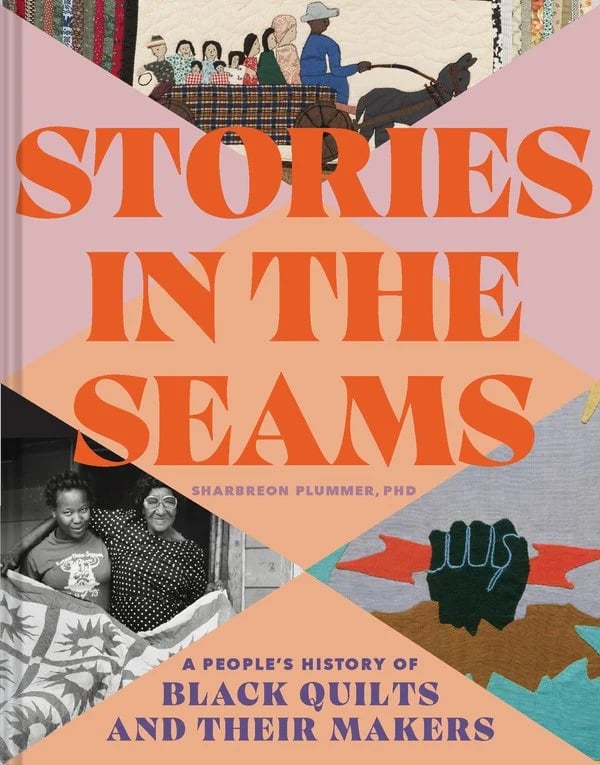
Stories in the Seams : A People’s History of Black Quilts and Their Makers, by Sharbreon Plummer
To me, quilts are some of the most amazing pieces of art to come out of the South. Some textiles can survive for centuries, but when we find them in museums, galleries, or antique stores, the names of the artists are often lost to history. I can’t wait to pick up Stories in the Seams, a survey of Black American quiltmaking with narratives and portraits of artists, including archival images of quiltmakers together at quilting bees. And with its full-page reproductions of gorgeous quilts, I’ll keep this on my studio table and reach for it when I need creative inspiration.
—Gabriela Gomez-Misserian, digital producer
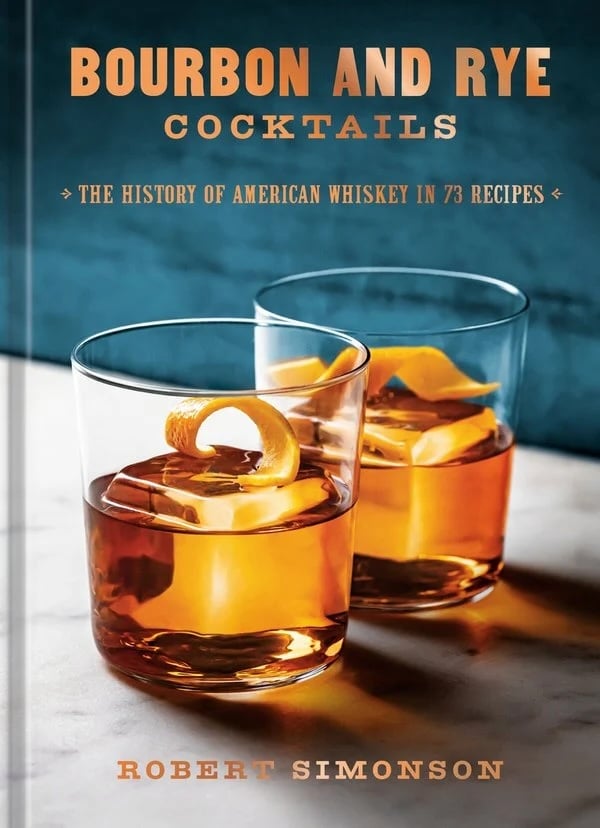
Bourbon and Rye Cocktails: The History of American Whiskey in 73 Recipes, by Robert Simonson
Simonson’s byline in The New York Times, where he mans the cocktail beat, always signals pleasures ahead: a mix of history, taste, and contagious thirst. In Bourbon and Rye Cocktails, he stirs these into a bosky primer on the nation’s whiskey with recipes old and new. I tilt toward the Dilemma, in which Washington, D.C., bartender Kapri Robinson harmonizes bourbon and bitters with coffee-coconut syrup. It’s richly bitter, tropically consoled.
The Battlefield Where the Moon Says I Love You, by Frank Stanford, and The Life and Poetry of Frank Stanford, by James McWilliams
There are only extremes when it comes to Frank Stanford (1948–1978). Either the Arkansas poet is entirely off your radar, or you are among the coterie of acolytes claiming his work merits full-blown canonization. James McWilliams’s whopping 686-page biography (and Pulitzer finalist), The Life and Poetry of Frank Stanford, makes a strong case for joining the cult (guilty here). But this year’s rerelease of The Battlefield Where the Moon Says I Love You, Stanford’s epic 15,283-line poem, cements the poet’s stature in the great pantheon of Southern literary lights: He should be read, he should be known.
—Jordan P. Hickey, contributing writer

Decoration, by Bunny Williams and Elizabeth Lawrence
It’s hard not to associate the Virginia native and iconic interior designer Bunny Williams with Elizabeth Lawrence, her longtime protégée and now partner at Williams Lawrence in New York City. Now there’s another milestone: the release of their first book together, Bunny Williams and Elizabeth Lawrence: Decoration. Published by Rizzoli, the substantial 406-page tome alternates between Williams’s and Lawrence’s points of view, allowing each distinct voice to guide readers through projects from Palm Beach to New York and beyond.
—Haskell Harris, style director, in her recent interview with the duo
When It Gets Cold in the South: Stories, by Exodus Oktavia Brownlow
I first encountered Brownlow’s work about four years ago, when one of her short stories was an Editors’ Choice Selection in the 2021 CRAFT Flash Fiction Contest. Her skilled handling of point of view reminded me of Brit Bennett’s debut novel, The Mothers. It seems Brownlow has only improved as a writer since then, and I’ve heard rumblings about her debut short story collection for a while now. The stories in When It Gets Cold in the South have garnered high praise from such literary virtuosos as Addie E. Citchens (sidenote: read her novel Dominion if you haven’t yet) and Deesha Philyaw, two writers whose work I love, so this book will zoom to the top of my list the minute it arrives. My opinion: Midwinter books don’t get enough love, and I’m eagerly anticipating this one; this book is one of the early offerings from the celebrated Southern writer Crystal Wilkinson’s Screen Door Press imprint at the University Press of Kentucky. Come. On. January!
—Latria Graham, contributing editor
Agate Head / Stone Soup, by Patricia Lockwood
Memoir, fiction, poetry, the back of a cereal box—if Patricia Lockwood’s writing it, I’m in. This fall she returns with her first book of poetry in more than a decade, her creativity finally unleashed following family illness, an internet break, and as the title hints, a newfound obsession with the art of cutting and polishing stones. Fitting, as her words typically cause my mind to bend, refracted as though through a prism.
—Amanda Heckert, executive editor
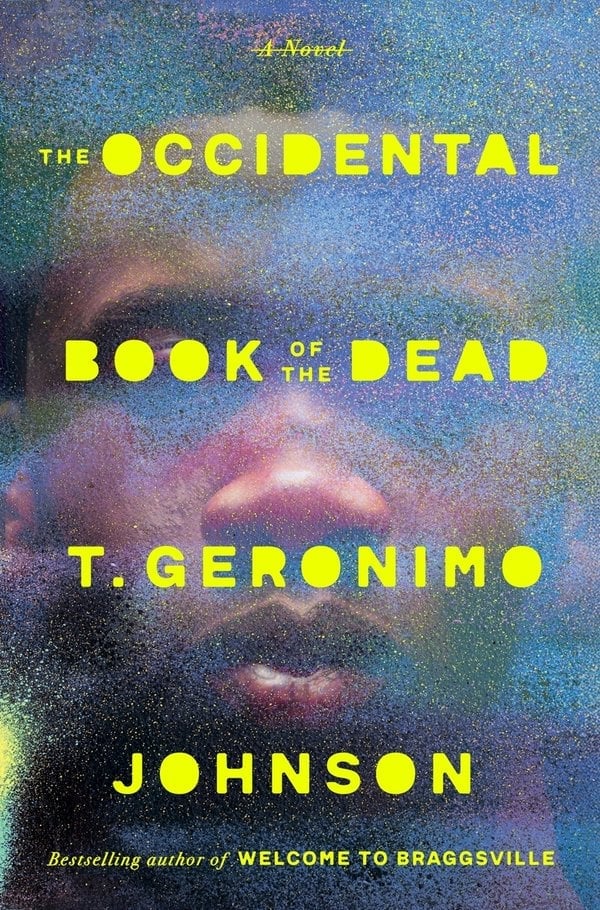
The Occidental Book of the Dead, by T. Geronimo Johnson
Kaleidoscopic, jarring, voluble, coruscating, frenetic, dense, caustic, volatile, horny, irreverent, exhortative, bonkers, brilliant: That’s the arsenal of adjectives I mustered to describe T. Geronimo Johnson’s The Occidental Book of the Dead. At 672 pages, many of which act as fun-house mirrors of others, it’s a novel that demands patience, stamina, forbearance. It repeatedly pokes its finger in your chest and sometimes pokes a couple in your eyes, Three Stooges–style. It’s a murder mystery, of sorts, but not a cozy one. Reading it is like cuddling a porcupine. More than once, from exasperation or exhaustion, I considered consigning it to my “did not finish” pile. Every time, however, the porcupine came crawling back onto my chest. If true art is that which refuses to be ignored, The Occidental Book of the Dead makes its case, one quill at a time.
—Jonathan Miles, in his October/November 2026 G&G review
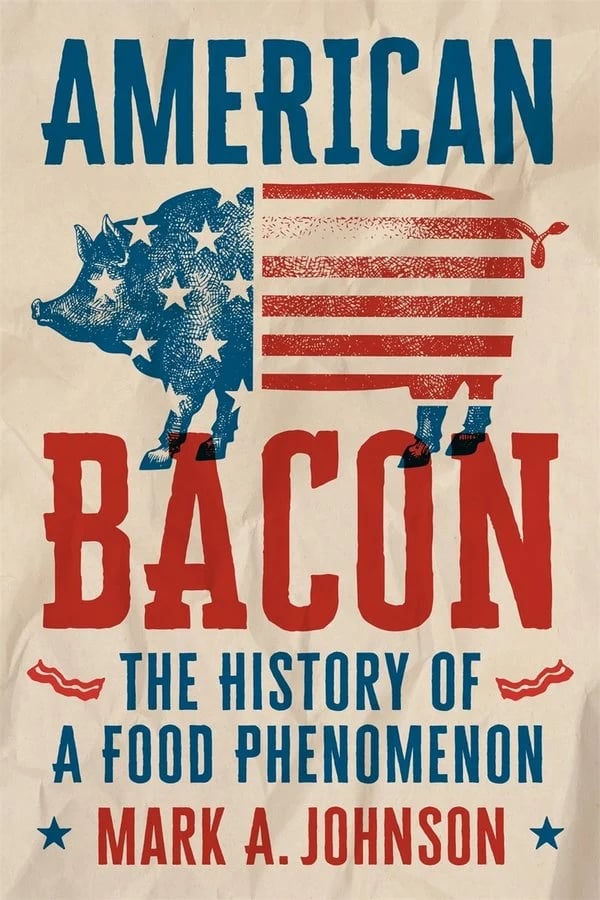
American Bacon: The History of a Food Phenomenon, by Mark A. Johnson
What does bacon have to do with gender, race, globalization, and other deep-seated cultural issues? Quite a lot, argues Mark A. Johnson in his recent book from the University of Georgia Press, American Bacon. It’s a deep dive into the history and modern ramifications of the beloved breakfast staple, from an author whose penchant for pork also led him to write a 2017 culinary history book on Alabama barbecue.
—Caroline Sanders Clements, senior editor
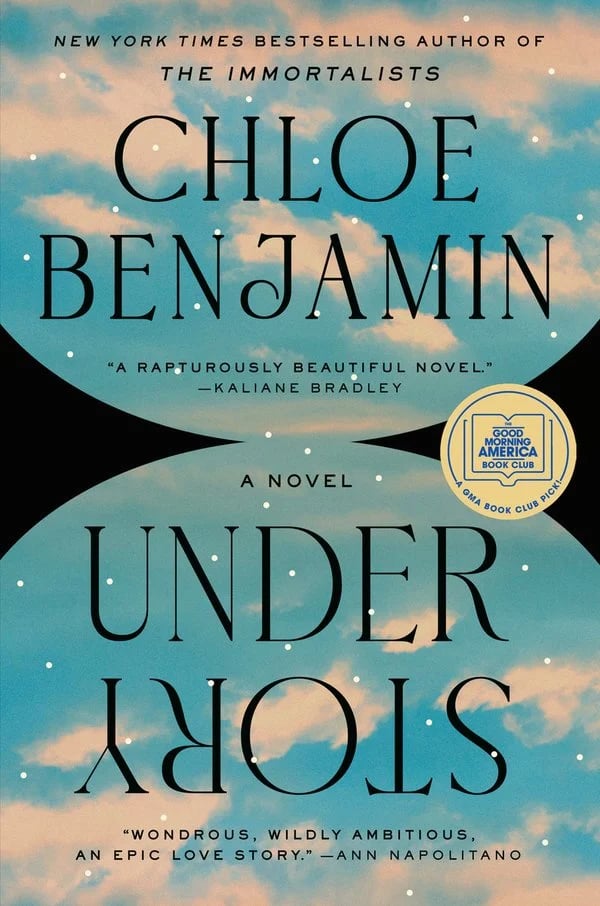
Under Story, by Chloe Benjamin
The less you know going in, the more Under Story dazzles—a fact that makes it difficult to recommend in specific terms without spoiling the experience. One scene had me sobbing in public. Another had me scrawling diagrams on an airport lounge napkin. At multiple points, I texted fellow writers so we could exclaim, “How did she DO this?” It’s a love story; it’s a grief story; it’s a motherhood story; it’s a masterpiece of speculative fiction that bends the mind with its premise yet somehow feels intimate and utterly plausible. I’ll never forget it.
—Mary Laura Philpott, contributing writer
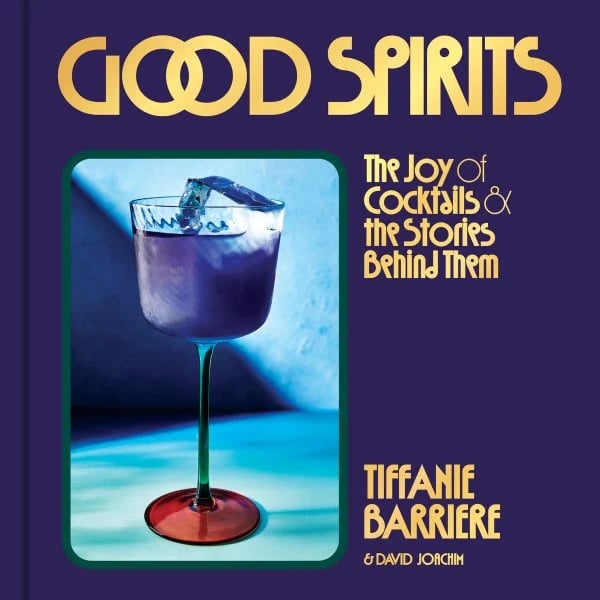
Good Spirits: The Joy of Cocktails and the Stories Behind Them, by Tiffanie Barriere
The Atlanta bartender Tiffanie Barriere pours a career’s worth of knowledge into Good Spirits, a colorful compendium of all things cocktails. More than 125 recipes range from old-fashioneds and daiquiris to savory sippers, tropical concoctions, and zero-proof creations, while Barriere dives into everything from bar tools and mixing techniques to homemade syrups and cocktail history. Equal parts reference book and recipe collection, it’s a handsome addition to any bar cart—and a perfect gift for the cocktail curious.
—Emily Daily, newsletter director
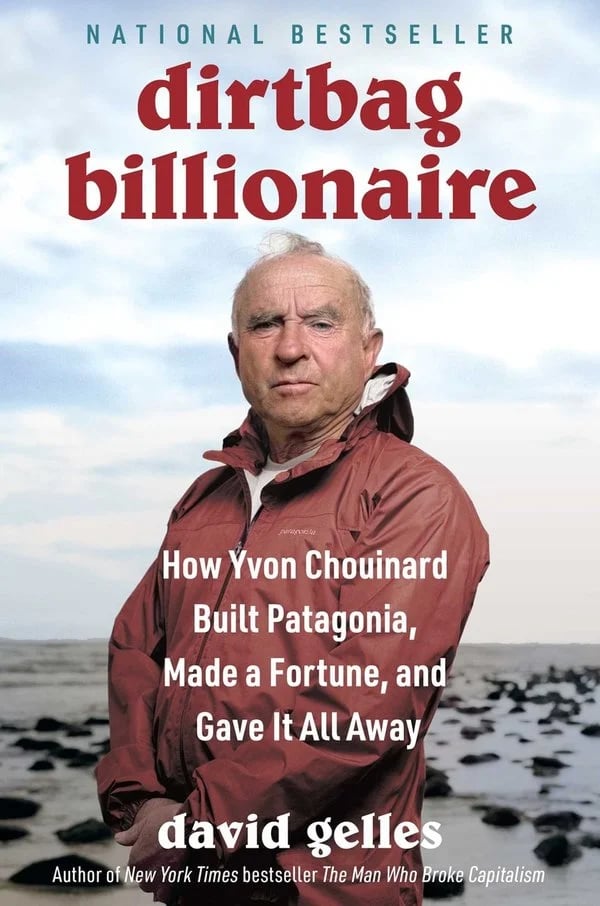
Dirtbag Billionaire: How Yvon Chouinard Built Patagonia, Made a Fortune, and Gave It All Away, by David Gelles
You’d be hard-pressed to spend five minutes around any Southern trail, cliff base, tech startup, football tailgate, or coffee shop without spotting somebody wearing some Patagonia garment. A longtime customer (my wife has referred to me as “a Patagonia freak”), I look forward to tracing this account by a New York Times reporter, just released in paperback, of Chouinard’s narrative arc: how a French Canadian loner kid who barely spoke English became, among other things, a big-wall Yosemite climber, a blacksmith, a trailblazing outdoorsman, and a curmudgeonly “reluctant businessman” whose company has pretty much redefined what socially responsible capitalism and eco-philanthropy look like.
—Mike Grudowski, contributing editor
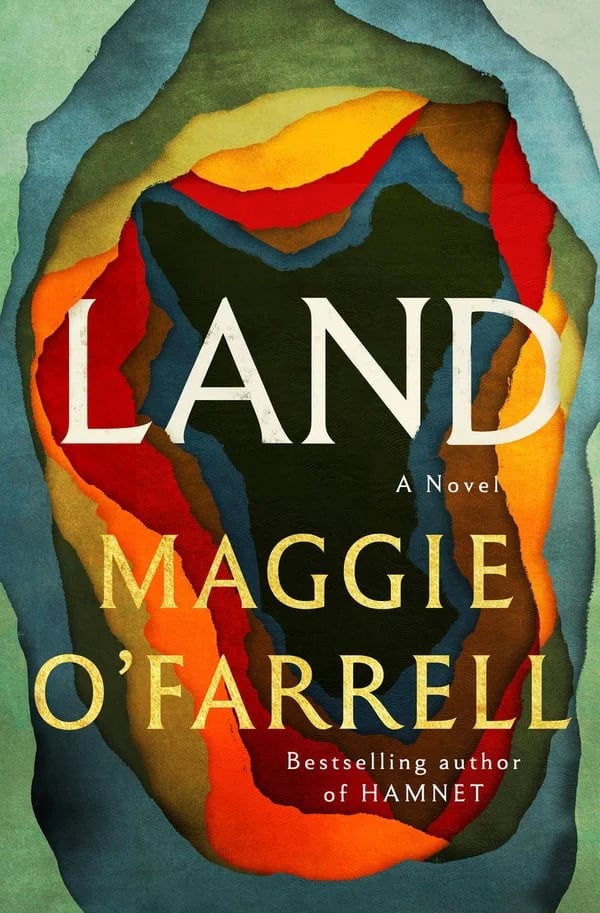
Land, by Maggie O’Farrell
It’s been four years since I read Maggie O’Farrell’s Hamnet, and I’ve barely recovered from its emotional evisceration. With incandescent writing, she excavates the human soul’s crevasses of grief and longing like no other contemporary author. With Land, she’s at it again. Set in Ireland in the 1860s, the novel centers on one family’s multigenerational saga during and after the Great Hunger. Time feels warped, folding back into itself like dense bog layers, as the story unwinds across continents and decades. O’Farrell’s central character, Tomàs, is a mapmaker, a metaphor she plumbs to explore how place anchors us and landscapes shape us, and how maps can convey or misconstrue history. It’s rich territory, with the topography of O’Farrell’s astonishingly contoured prose the book’s biggest pleasure.
—Stephanie Hunt, contributing writer
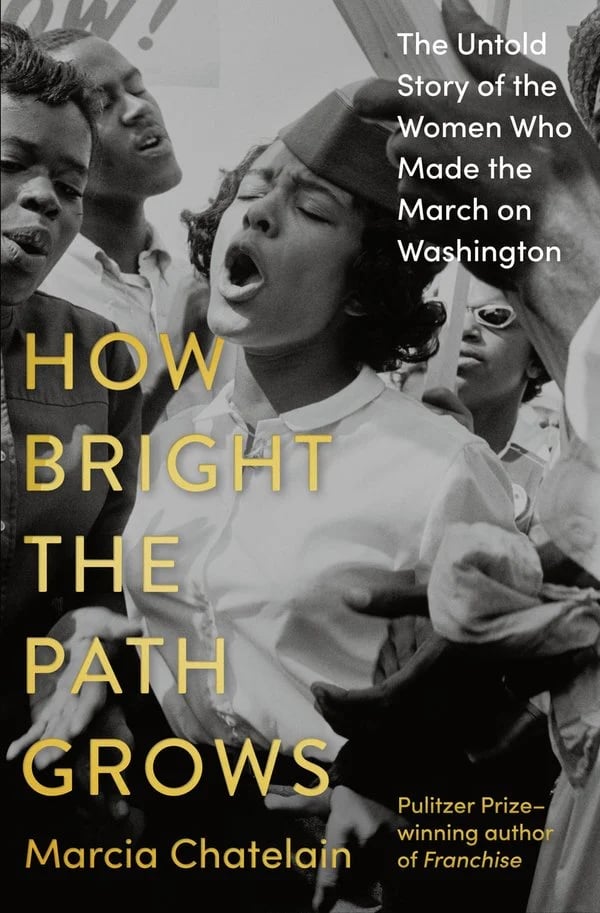
How Bright the Path Grows: The Untold Story of the Women Who Made the March on Washington, by Marcia Chatelain
Marcia Chatelain earned a Pulitzer Prize in history and a James Beard Award for her previous book Franchise: The Golden Arches in Black America, and now she turns her attention to the unacknowledged architects and trailblazers of the 1963 March on Washington for Jobs and Freedom. In my mind (and probably much of America’s) the iconography of that moment largely centers on the men of the Civil Rights Movement, such as the photographs of Martin Luther King Jr. speaking or the wider shots that attempt to capture the 250,000 attendees crowded around the Lincoln Memorial during his speech. Chatelain’s writing is engaging, and the book is a meticulously researched effort to correct the historical narrative while highlighting the women whose contributions were minimized or at times outright erased during the campaign for equal citizenship.
—Latria Graham
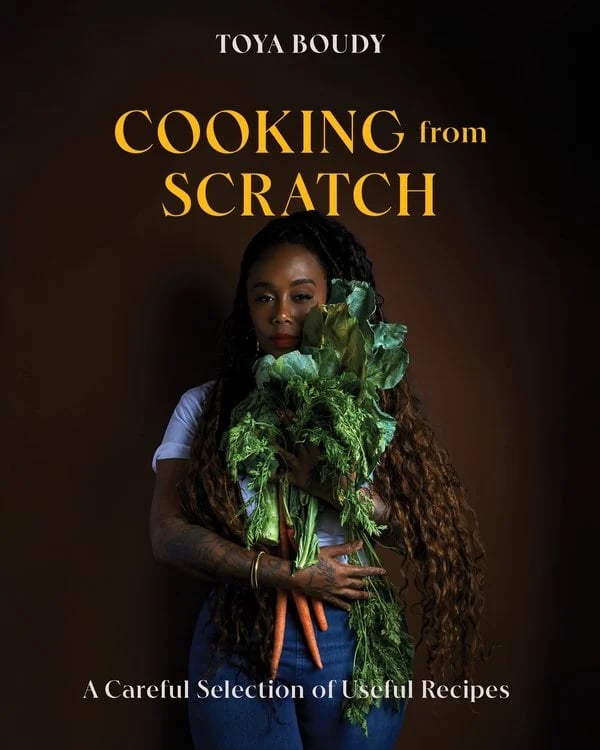
Cooking from Scratch: A Careful Selection of Useful Recipes, by Toya Boudy
“Food, remedies, and principles” lie at the heart of Toya Boudy’s Cooking from Scratch. Following life upheavals, the New Orleans native found purpose in A Domestic Cookbook (1866) by Malinda Russell, the first free Black woman to publish a cookbook. You’ll therefore see tinctures and tonics here, along with hard-won wisdom and down-home deliciousness. Case in point: Boudy’s oyster dip, in which chopped smoked oysters get folded into cream cheese and sour cream and spiked with Worcestershire, hot sauce, and green onions. “You need discipline when making this,” Boudy warns, “or you need to make double.” She ain’t wrong.
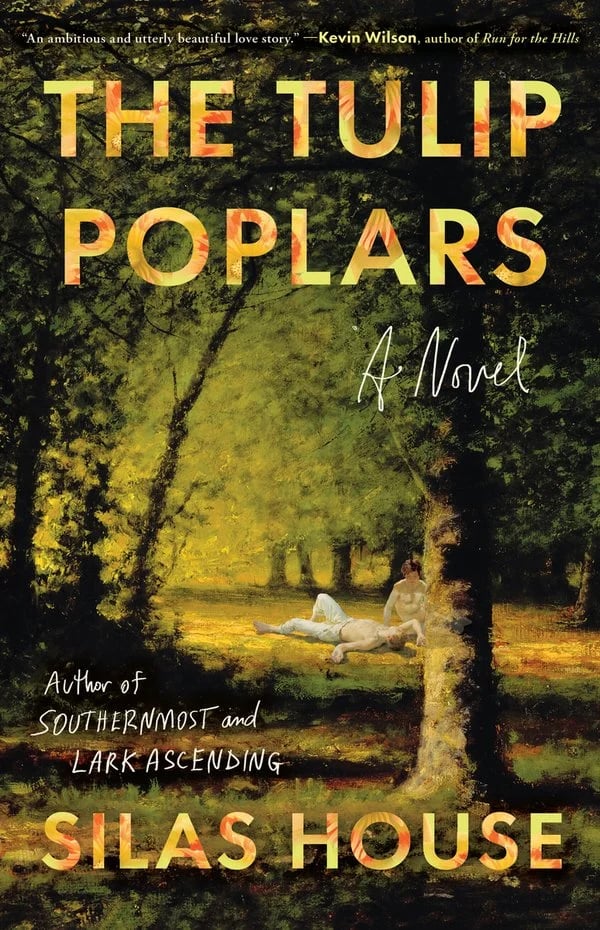
The Tulip Poplars, by Silas House
“Just walk with me a ways,” Amos says to Tom, an invitation that sparks the two-time Southern Book Prize winner (and G&G contributing editor) Silas House’s The Tulip Poplars. I couldn’t put down this heart-panging novel of forbidden love told from the shifting perspectives of four Eastern Kentuckians and inspired by one of House’s ancestors who was once committed to an asylum for “unnatural desire.”
—Amanda Heckert
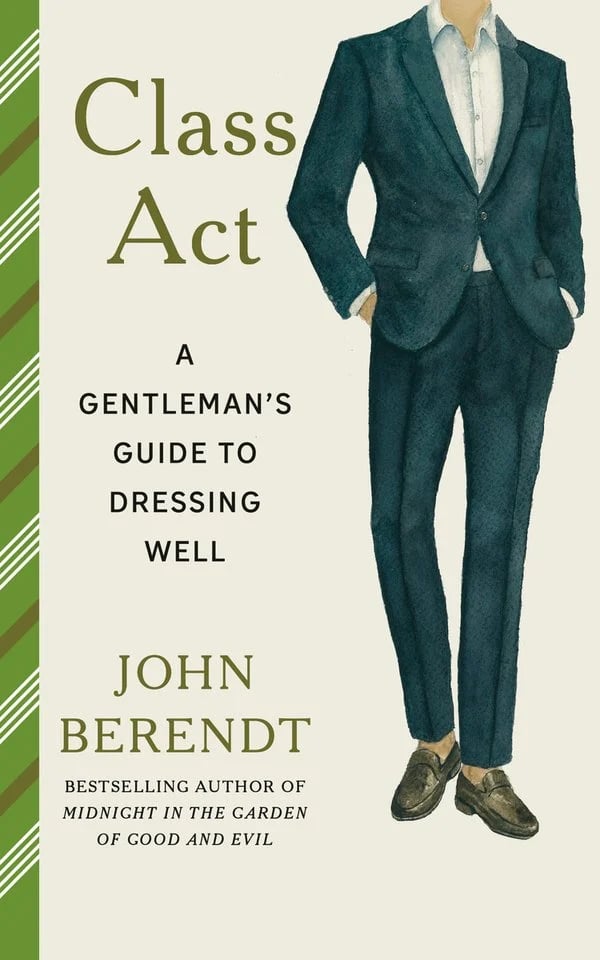
Class Act: A Gentleman’s Guide to Dressing Well, by John Berendt
This is Berendt’s first book for adult audiences in nearly two decades, and it’s on my gift list for the stylish men in my life. In the 1980s and ’90s, before he published the mega-bestseller Midnight in the Garden of Good and Evil, Berendt was a columnist for Esquire magazine, where he wrote a series of witty, enlightening essays on men’s fashion. The timelessness of the topics—duck boots, the seersucker suit, Bermuda shorts, and baseball caps, to name a few—make for a perennially relevant compilation, which Berendt has updated and supplemented in Class Act. After all, as Mark Twain said and Berendt quotes: “Clothes make the man. Naked people have little or no influence on society.”
—Elizabeth Florio, senior digital editor
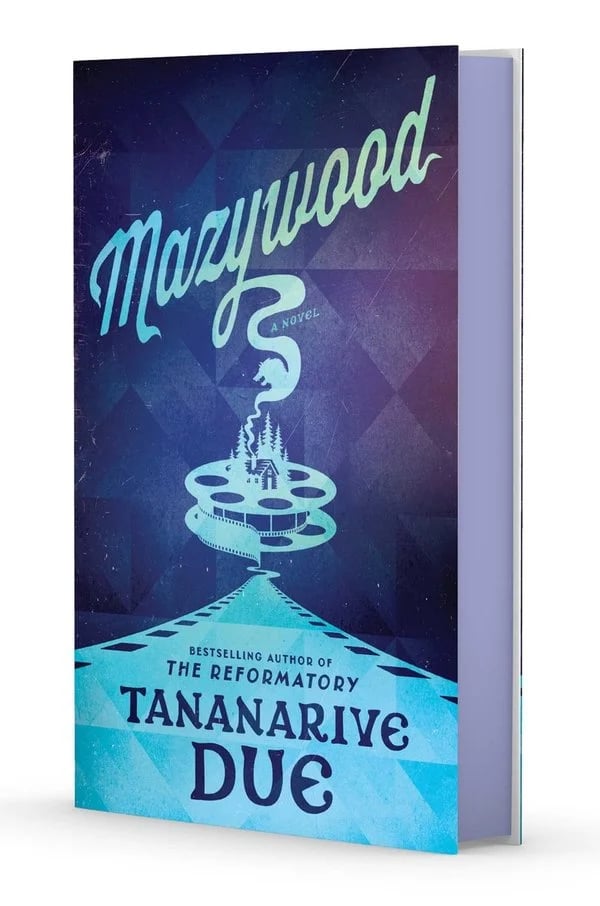
Mazywood, by Tananarive Due
Picking up a supernatural thriller by Tananarive Due is practically a requisite as we near the year’s scariest season, but even more so with the release of her newest book. In Mazywood, the author brings readers back to her fictional North Florida rural town of Gracetown—also the setting for her 2023 book The Reformatory—before plunging into a swirling world of paranormal and very real horror and history in the golden age of Hollywood.
—Helen Bradshaw, social media editor
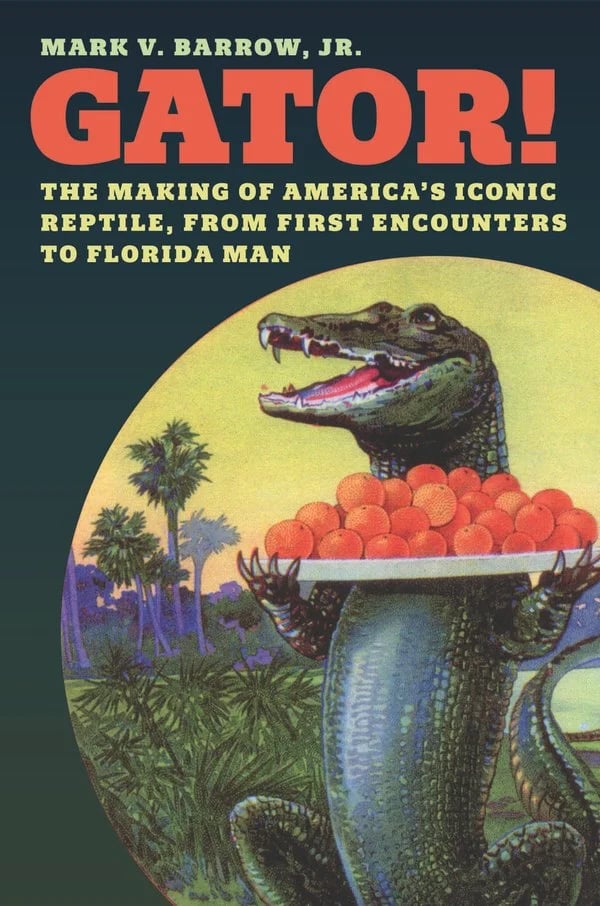
Gator!: The Making of America’s Iconic Reptile, from First Encounters to Florida Man, by Mark V. Barrow Jr.
During my near-daily walks, I like to check on the neighbors in our subdivision’s little facsimile of Walden Pond: herons, egrets, a thriving colony of yellow-bellied sliders, and, almost always in warm-weather months, at least one gator. Familiarity has bred curiosity, so I’m eager to learn more about these feared but fascinating predators (and sometime enforcers of ecological karma in Carl Hiaasen novels) living in close proximity to much of the Deep South. Barrow is a historian at Virginia Tech who, fittingly, grew up in Gainesville, Florida, and this new volume, out in late October, promises insights into both the natural and cultural history of Alligator mississippiensis, “one of North America’s most charismatic animals.”
—Mike Grudowski
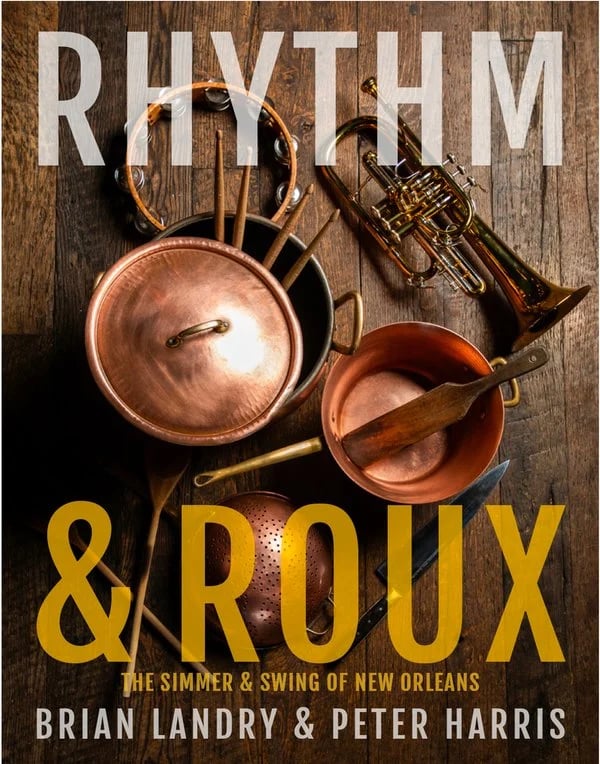
Rhythm and Roux: The Simmer and Swing of New Orleans, by Brian Landry and Peter Harris
We’re going to linger in New Orleans for our next appetizer. More precisely, in the Bayou Bar, where chef Brian Landry expands on South Louisiana cuisine. The riff we’re cooking—from Rhythm and Roux, cowritten with Bayou’s music director, Peter Harris—is Landry’s Gulf blue crab with cornflakes, a dish inspired by Indian street food. Imagine a sweet corn, cucumber, red onion, and tomato salad. Add fresh herbs, South Asian spices, citrus. Next add jumbo lump crabmeat and a crispy shower of unsweetened breakfast cereal. Now try not to smile.
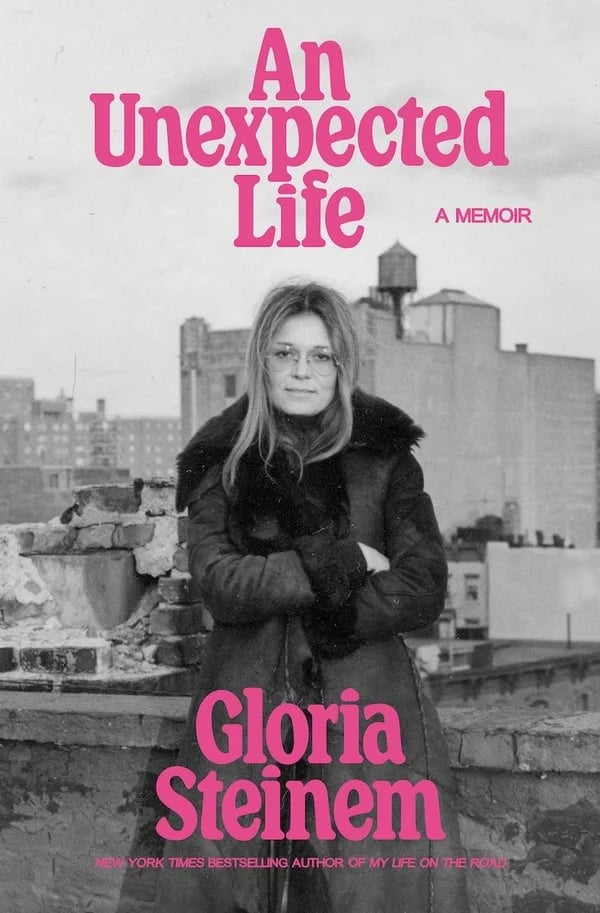
An Unexpected Life, by Gloria Steinem
An Unexpected Life published just three weeks after Steinem’s unexpected death, if a ninety-two-year-old’s death can be “unexpected.” Talk about timing—on the (high) heels of Dolly’s passing, no less. Like Parton, defying expectations was Steinem’s MO. This poignant memoir recounts a childhood of poverty and shame (her mother struggled with mental illness) and her journey from Smith College into journalism and activism, including pivotal years in India, culminating in her founding of Ms. magazine in 1971 and becoming the aviator- and hip-hugger-wearing goddess of feminism. In our post-Roe era of trad-wife gloss, this should be required reading, not only because Steinem was our North Star for women’s rights, but because she was our indefatigable, sexy sage for human rights. “We are all one human family, and we are responsible for one another,” she writes.
—Stephanie Hunt
Wounded Boarders: Stories, by George Singleton
When I need a good laugh—and who doesn’t these days?—I turn to the stories of South Carolinian Singleton, who populates his tales with recognizably outrageous rascals living their worst lives in the best ways. In the first story, a jobless eighteen-year-old hears his mother defend him to his father: “I’ve always seen Drew going to college, then working out in Hollywood, maybe as a gaffer, or grip, or best boy.” The father, meanwhile, a public defender, is drunk, having celebrated with a client after getting him off a DUI charge. By this point, we’re just a few paragraphs in. But you don’t have to worry with a Singleton story: There’s always more bad decisions—and crackling sentences—to come.
—Beth Ann Fennelly, contributing writer
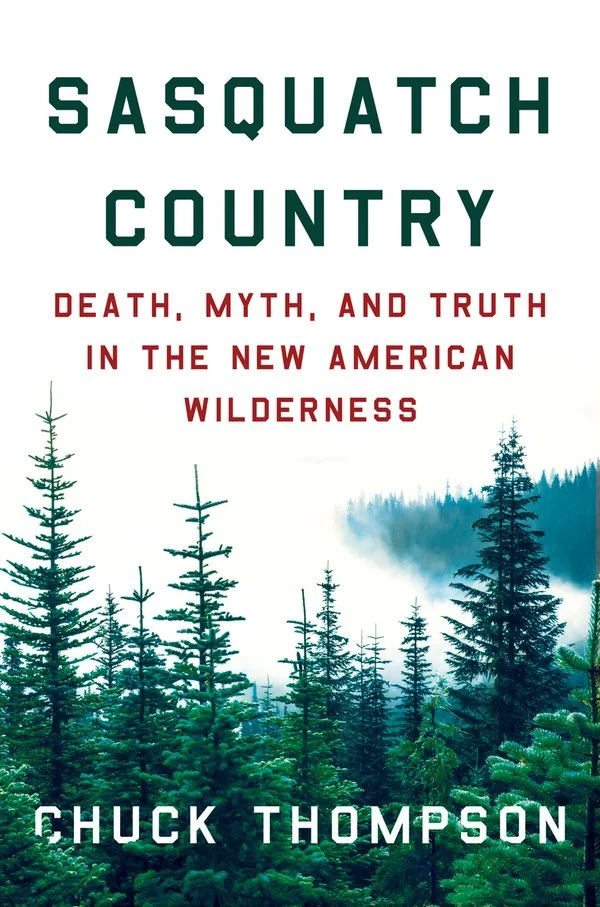
Sasquatch Country: Death, Myth, and Truth in the New American Wilderness, by Chuck Thompson
I’m a fan of true crime and cryptids, so I was happy to judge this investigation into the mysterious 2024 deaths of two hikers in Washington State’s Bigfoot-tourism backcountry by its moody cover. In the hands of veteran journalist Thompson, however, each turned page reveals a more textured tale. What begins as a white-knuckle account of a desperate rescue operation unfolds as a timely critique of media sensationalism, and, ultimately, meticulously recreates the tragedy of what really happened in those dark woods on Christmas Eve. The truth is in here.
—Steve Russell, contributing editor
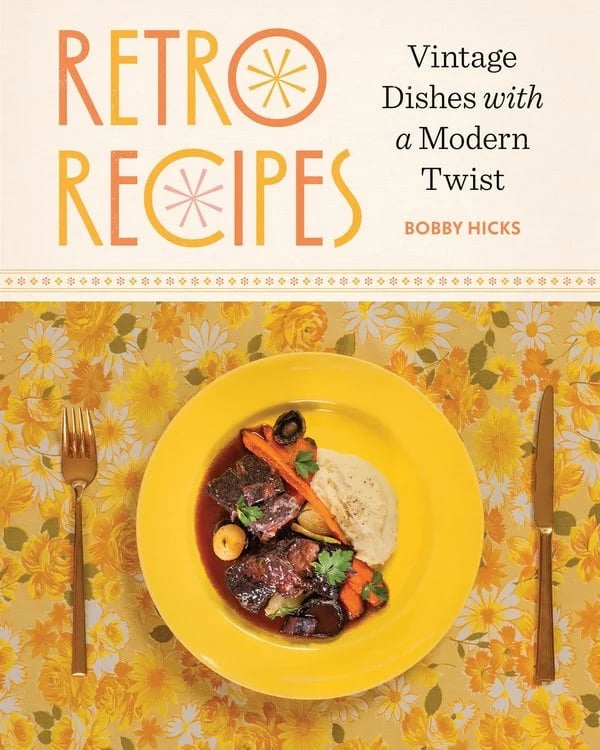
Retro Recipes: Vintage Dishes with a Modern Twist, by Bobby Hicks
Cornflakes make a cameo, crushed into applesauce meatballs, in Floridian Bobby Hicks’s Retro Recipes. A food influencer and erstwhile cooking show competitor, Hicks casts his eye to the oft-maligned fare of mid-century America: “the good, the bad, and the gelatin,” as he writes. Our entree, then, is chicken à la Maryland, and if the marriages of bourbon and coconut, gin and collards, and crab and cereal haven’t whetted your appetite, how about fried chicken topped with sliced fried bananas and bacon batons? (Add peanut butter, and Elvis rises from the grave.) Quash that side-eye; the dish once charmed Auguste Escoffier and made Titanic’s first-class menu.
—Jonathan Miles, in his G&G review
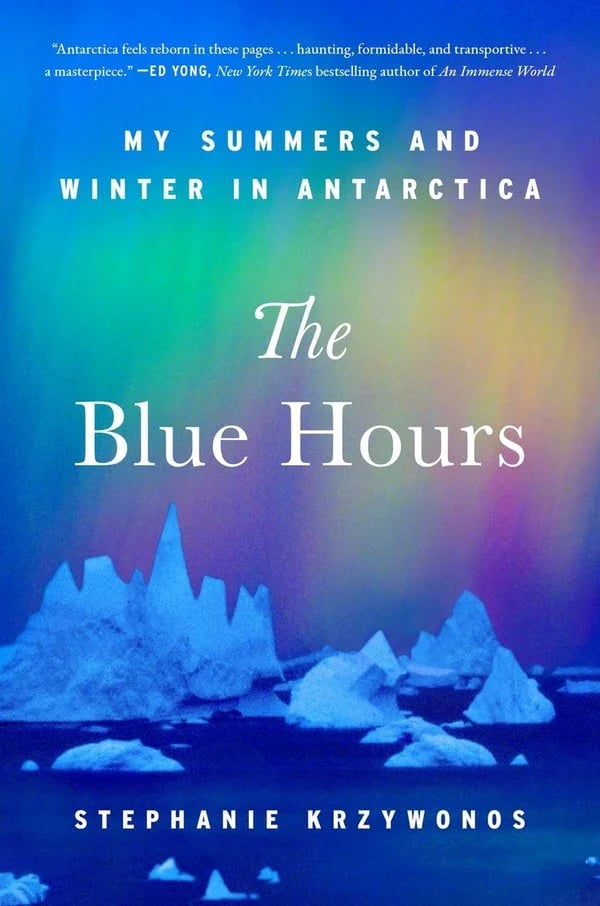
The Blue Hours: My Summers and Winter in Antarctica, by Stephanie Krzywonos
Another midwinter recommendation: On days when the darkness is long, I often enjoy an armchair adventure. I started reading Krzywonos’s observations about Antarctica several years ago, and her forthcoming memoir is my most anticipated nonfiction release of 2026. Grief sends Krzywonos to Antarctica, and she spends six polar summers and one winter on the continent, and her ability to observe a place over time is one of her strengths. She is a compelling and expert guide through unfamiliar landscapes, and her vivid language makes environments that seem dead or empty feel alive due to her keen observations. The writing is lyrical, and Krzywonos’s ability to project intimate thoughts on top of a vast extreme landscape illustrates that her emotional geography is just as complex as the physical ones she navigates. The result is great memoir-driven nature writing that sucked me into the emotional undercurrent of her time on “the Ice.”
—Latria Graham
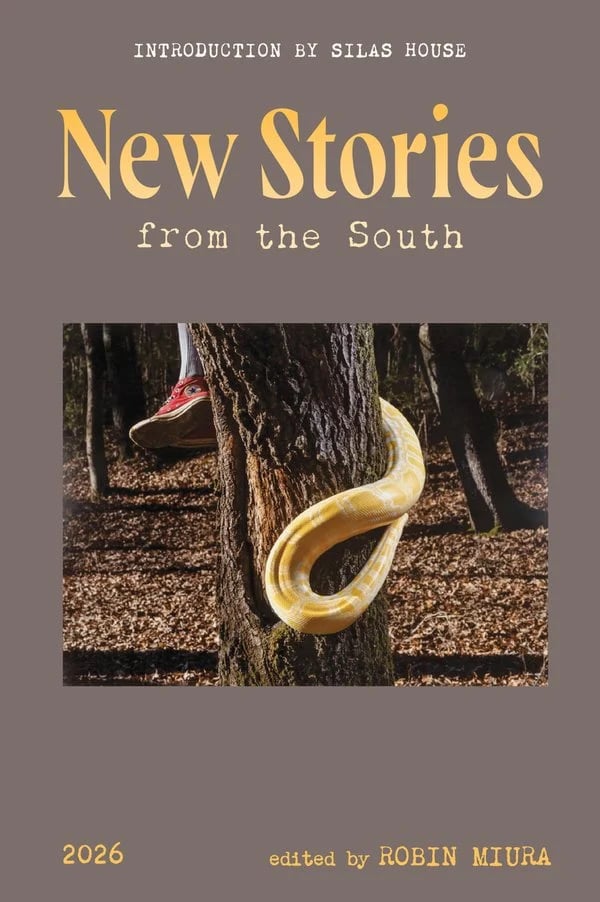
New Stories from the South 2026, edited by Robin Miura
I was thrilled to see the return this October of the much beloved annual anthology New Stories from the South, which had ceased publishing in 2010 and has now been revived by Blair, a nonprofit Durham, North Carolina, press. Teed up with an introduction by Silas House, the collection features spellbinding short fiction from up-and-comers (Ashleigh Bryant Phillips, Exodus Oktavia Brownlow) and luminaries (Ron Rash, Tony Earley) alike.
—Amanda Heckert
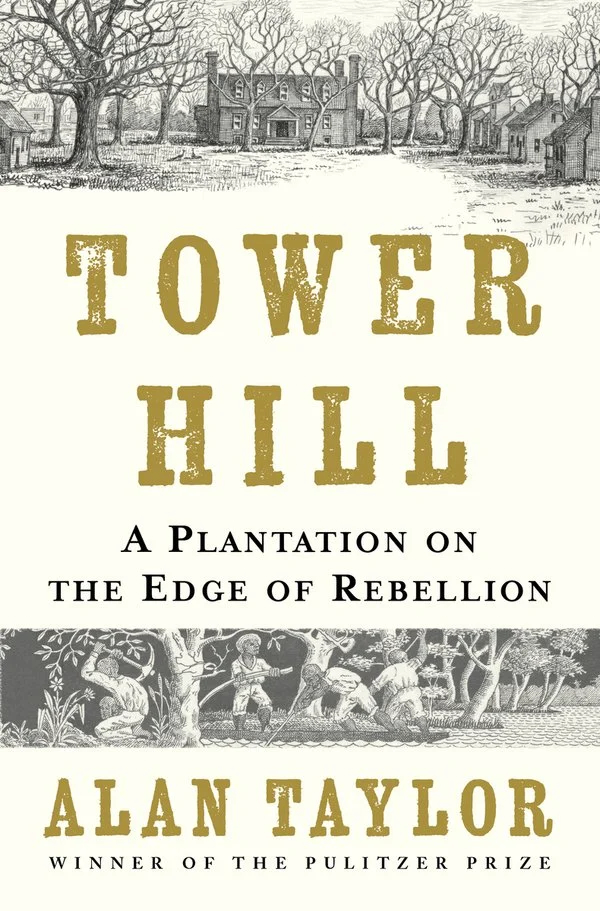
Tower Hill: A Plantation on the Edge of Rebellion, by Alan Taylor.
Mary Beard, historian and chair of the 2026 Booker Prize, recently said that if we relegate reading to the “well-being section of our lives, we’re really underestimating it.” Her argument is that books should teach us something, challenge us, even change how we understand the world. That’s how I plan to approach this new book. Nat Turner’s role in fomenting the sectional tensions that ultimately led to secession is familiar to even casual students of American history. But in Tower Hill, Alan Taylor digs deeper, examining how turmoil within a plantation family collided with an enslaved community increasingly drawn to Christianity and its promise of deliverance from earthly suffering—and how those forces helped create the conditions for Turner’s rebellion. Surely there are timely lessons to be learned from that.
—Kinsey Gidick, contributing writer
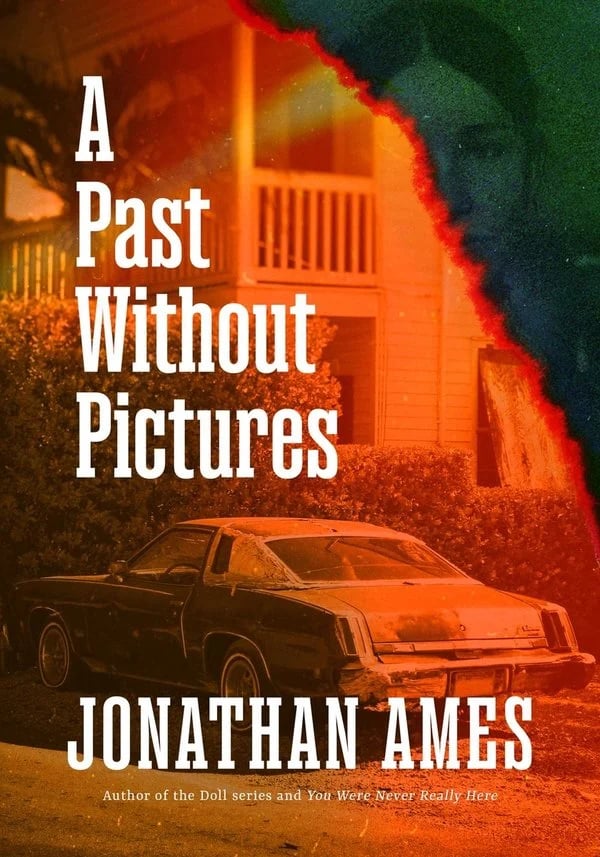
A Past Without Pictures, by Jonathan Ames
There might be nothing I get more excited about reading than a new Jonathan Ames novel. Pure pleasure, guaranteed. His voice is one-of-a-kind. He’s hilarious, erudite, neurotic, wildly empathetic, and—in his recent string of noirish crime novels—somehow able to combine all those attributes with a hefty dose of both violence and compassion. After a career largely spent writing stories set in New York or Los Angeles, this new one finds Ames sending his protagonist—an off-duty LAPD cop—down South, to sort out her estranged father’s murder in nowheresville Alabama. I can’t wait.
—Nic Brown, contributing writer
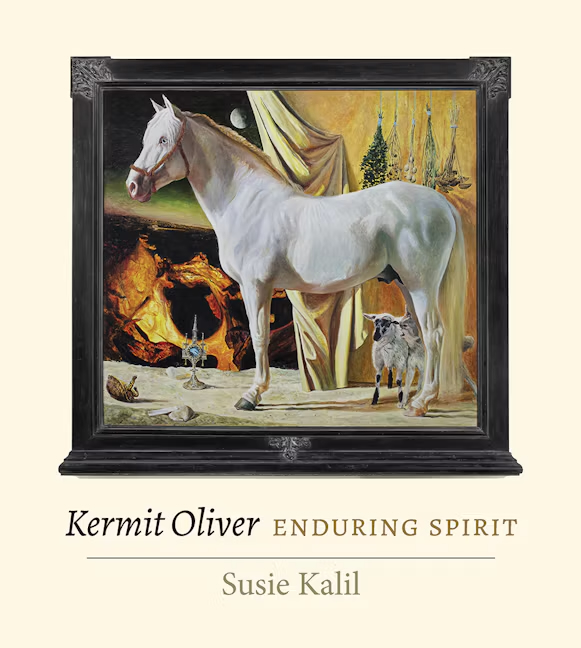
Kermit Oliver: Enduring Spirit, by Susie Kalil
Susie Kalil’s Kermit Oliver: Enduring Spirit, is a thick, lovingly produced, and visually stunning volume tracing Oliver’s art from its roots in Texas’s Coastal Bend to the present day. Kalil, a Houston-based art historian and curator, has spent decades championing overlooked Texas painters, most notably in her monographs on Alexandre Hogue and Dorothy Hood. She aims to elevate Oliver’s art, not interrogate it, and her admiration—and affection—suffuse every page. That said, hers isn’t a hard case to build. The 328 paintings and drawings reproduced here do the lifting for her.
—Jonathan Miles, in his forthcoming December 2026/January 2027 G&G review
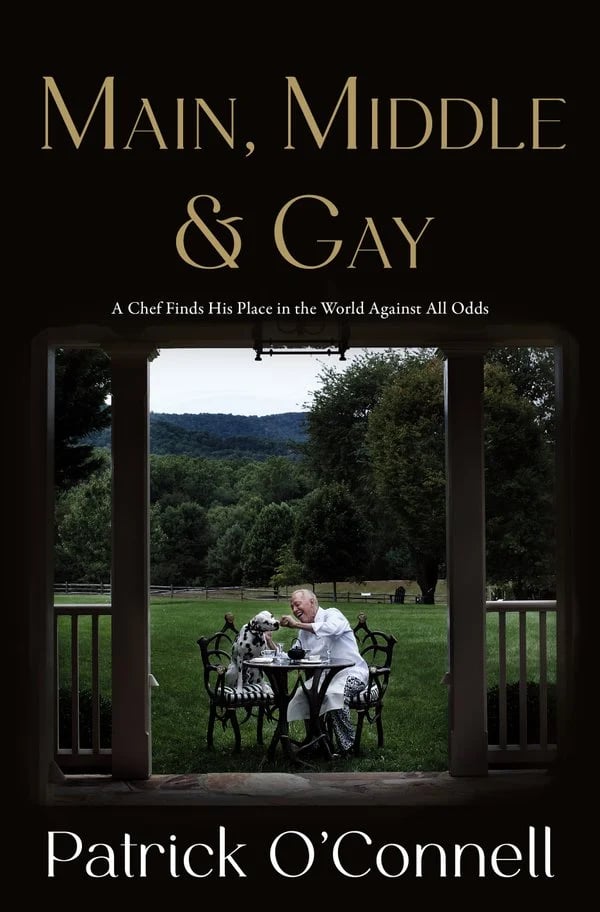
Main, Middle & Gay, by Patrick O’Connell
Patrick O’Connell’s Main, Middle & Gay is not a cookbook but a memoir, by the chef of Virginia’s Inn at Little Washington. Referencing the streets that border the two-Michelin-starred restaurant, the title does double duty: O’Connell also traces the story of his life as a gay man, from a troubled Irish Catholic boyhood in Washington, D.C., to rural self-invention on a Virginia farm, to the founding and ascent of the Inn, where his cooking fuses Southern cuisine with French luxury and idiosyncratic foothills flair. Take his classic grapefruit tart, in which a chocolate-lacquered pecan shell cradles a cool grapefruit custard, earthy richness and citric brightness in precise negotiation. Coffee, anyone?
—Jonathan Miles, in his G&G review
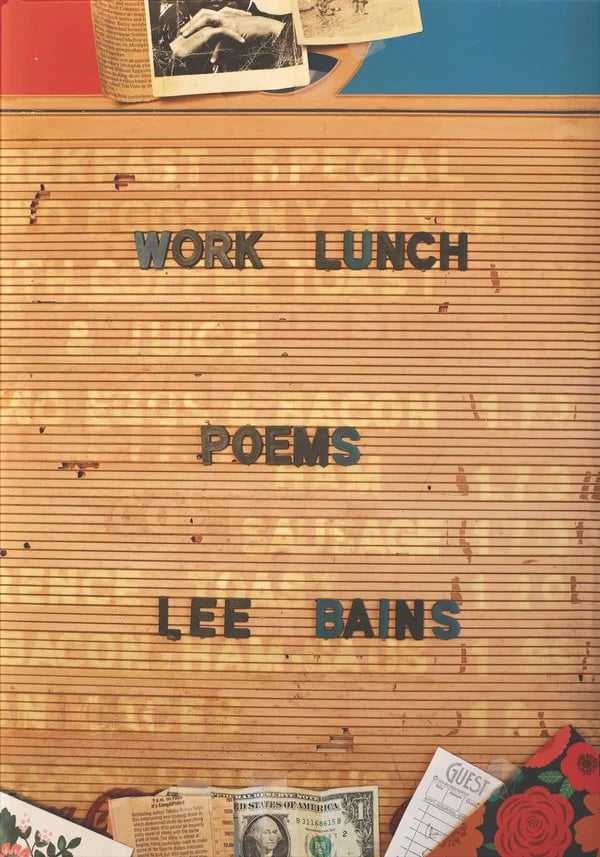
Work Lunch: Poems, by Lee Bains
G&G contributing editor John T. Edge says, “In Work Lunch, Lee Bains writes about the broken South he knows and loves, and the hard working people who are piecing it back together, patching sheet rock, nailing boards, sharing communion in gas station parking lots. ‘Jamaican Place,’ ‘Vietnamese Place,’ ‘Meat and Threes’—this is poetry for the people, sustenance for the beloved, wrought in Birmingham and Atlanta, told in the gaps between work and home, rich and poor.” Contributing writer Russell Worth Parker concurs: “When I first met Lee Bains at Tallahassee, Florida’s Word of South Literary and Music Festival, I already knew and loved his music, a sometimes whispered, sometimes roared, but always unflinchingly honest tour through Southern church revivals, punk shows, and honky-tonks, guided by a working man with a historian’s understanding, a deacon’s gentleness, and a revolutionary’s zeal. Thus, I am unsurprised to be equally enamored of Bains’s poetry. He lives what he writes, working as an Atlanta handyman when he’s not touring, “dog tired, and labor whipped.” Bains’s authentic vision gives insight into the diversity and complexity of the ever-changing South and her people; our culture and our lives; through food, our lingua franca. And like any good Southern table, Bains’s work will leave you both full and wanting more.”
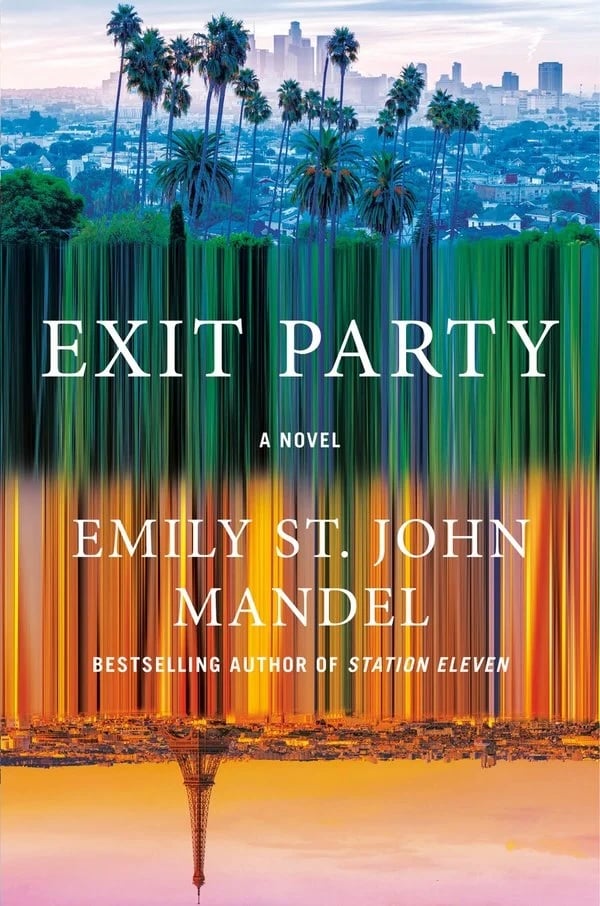
Exit Party, by Emily St. John Mandel
Her novels are filled with moody atmospheres and pacey narratives, and she excels at dystopia. Exit Party looks like it hits the sweet spot.
—Monte Burke, contributing editor
Catch the Devil, by Pamela Colloff
How can a man be stuck on death row for most of his adult life, with plenty of evidence that points to his innocence? With dozens of people over the course of the last thirty years trying, using various methods, to help him be spared? And why does our legal system have seemingly impenetrable recourse? This incredibly reported and rage-inducing book set largely in Florida is clear-eyed about injustice. Empathetic yet realistic, it’s mostly about the victim of a conman and the conman himself, a career police informant relied upon and granted clemencies for most of the awful stuff he did. A colorful personality who could talk his way out of pretty much anything. Also, did the Sunshine State really used to fry prisoners to death (for minutes at a time) in an electric chair dubbed Ol’ Sparky? Truth is harder to swallow than fiction, and that this is all true will leave you with a pretty big lump in your throat. And plenty of rhetorical questions.
—Justin Heckert, contributing writer
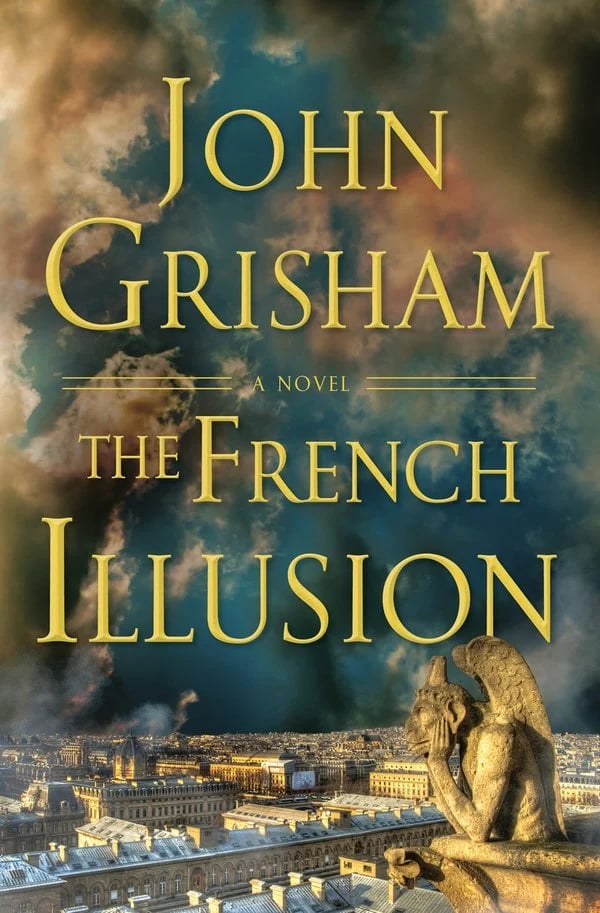
The French Illusion, by John Grisham
The latest page-turner from best-selling thriller icon John Grisham follows Paul and Chelsea, newlyweds who are kidnapped while honeymooning in Paris. The FBI, CIA, and France’s intelligence service are scrambling to find the young couple when they realize that this is not the first crime of its kind. Enter a young lawyer who’s hired to be the bait in a massive CIA operation. You simply can’t go wrong with a Grisham, and this one seems to have all the hallmarks of the stellar storytelling he’s known for: conspiracy, mystery, and a determined lawyer willing to risk it all to get to the truth.
—Danielle Wallace, editorial assistant
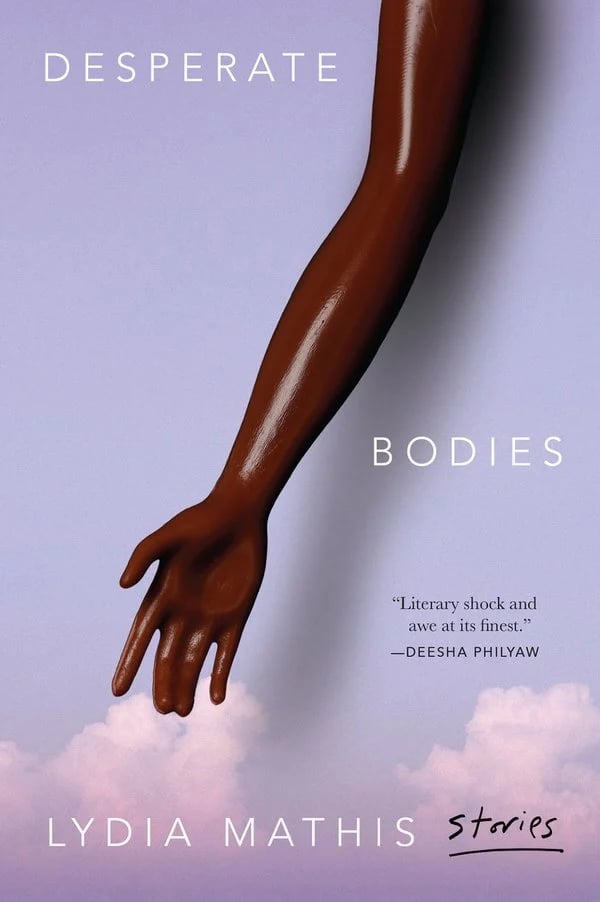
Desperate Bodies: Stories, by Lydia Mathis
I’m on something of a short story kick, and I’m glad to see more Southern short story writers getting published. The prose in Desperate Bodies is mesmerizing from the opening paragraph. By the time I got to the third page of the opening story—when the narrator says, “What I understood that night, though, after Mom got home and gave me twenty licks from the belt, was girls and boys received different kinds of treatment, maybe different kinds of love”—I cleared my calendar of obligations, because I knew I was going to need to read this sixteen-story collection in one sitting. Mathis’s command of narrative perspective is unmooring in the best way, and the voices emanating from the stories are at turns raw and compelling. The stories, often about girlhood and womanhood, examine all the labels and pressures hurled at girls who will soon become women and the choices the characters make in an attempt to secure some kind of agency and express their desires. Each narrator has spirit, and that essence creates an undercurrent of tenderness that runs throughout the book. The horror and power that comes with claiming ownership over a body sometimes flirt with something fantastical, and the overall effect is sublime.
—Latria Graham
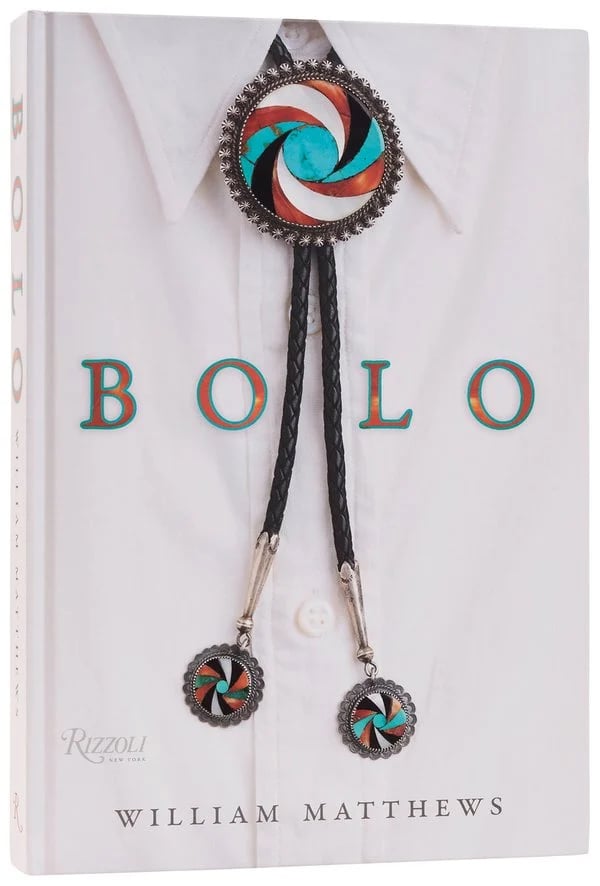
Bolo: Design, Style, Heritage, by William Matthews
Texans will (I hope) forgive me when I say I never really understood the point of bolo ties when they learn all I ever knew about them was that my South Carolinian father had one, with a mesmerizing center stone of glittery onyx, that chiefly served as a dusty talisman of the Urban Cowboy craze. But after leafing through a preview copy of this gorgeous new coffee-table book slam full of the intricate little works of wearable art by the craft’s most celebrated artisans, I’m thinking … do I need a bolo tie??? I’m certain the answer is yes.
—Amanda Heckert
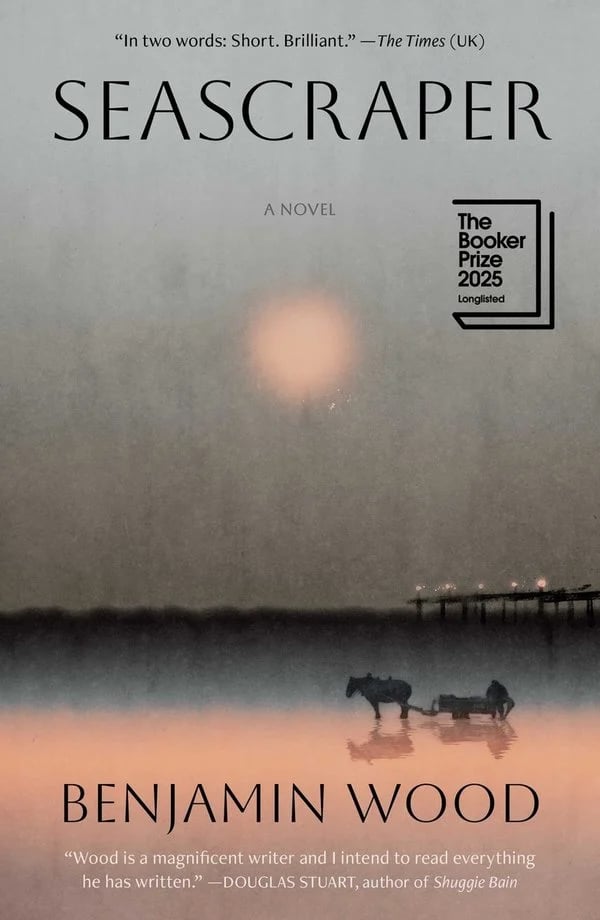
Seascraper, by Benjamin Wood
My husband says I’m an absolute sucker for an English or Irish book where nothing happens. On the surface, Benjamin Woods’s 2025 novel—long-listed for the Booker Prize and just out in paperback—may seem to fit the bill. The main character, Thomas Flett, spends long, lonely days on some undefined northern English coast trawling shrimp with only the aid of his old and trusted horse. The work is punishing. And boring. But Thomas reveals a rich interior life of music, love, and an obsession with a lost father. When an unexpected visitor from Hollywood asks to hire Thomas to share his knowledge of the local ways for the film he is directing, an unlikely friendship forms, and the longings of two men—one voluble, the other utterly interior—intersect and reveal all the ways that loneliness, desire, and the will to create are the gift and burden of the artist. (Spoiler alert: The book comes with a link to the song that Thomas is composing throughout the novel.)
—Keith Meacham, contributing writer
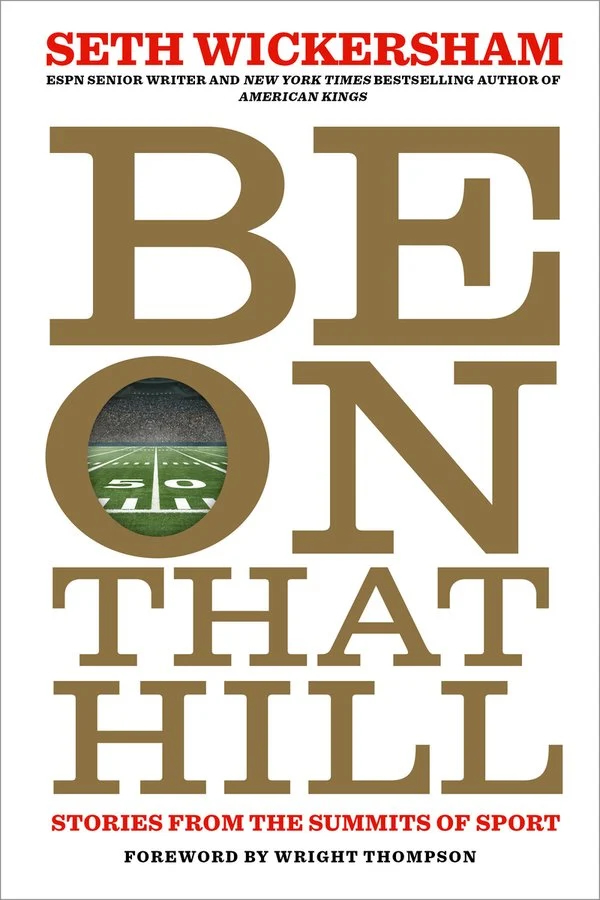
Be on That Hill: Stories from the Summits of Sport, by Seth Wickersham
Included within ESPN senior writer Seth Wickersham’s new collection of some of the best sports magazine feature stories of the last two decades (largely published in the late, great ESPN The Magazine) are a few Southern gems: one about Kurt Busch and a seeming NASCAR assassin; a dig into Arkansas football message-board hilarity, involving a user posting anonymously as SonofMud on a website called Oinkville and requesting a coach’s cell phone records through the Freedom of Information Act; and one on a recently unemployed middle-aged South Carolina basketball assistant trying to find his way in a really hard profession. If you’re a Saints fan, there are also two big stories about one of the best coaches in the game, Sean Payton, and his second life as coach of the Broncos.
—Justin Heckert
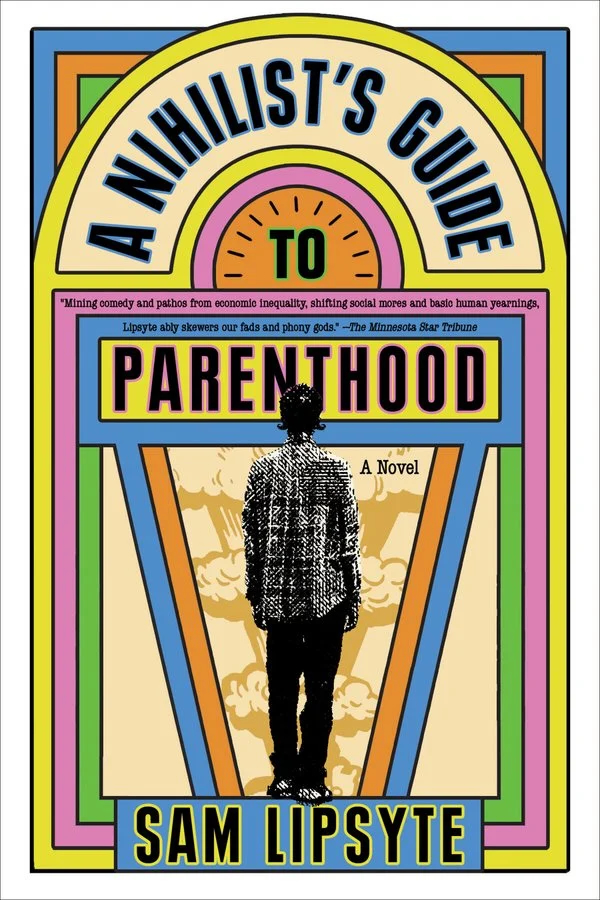
A Nihilist’s Guide to Parenthood, by Sam Lipsyte
Both hilarious and prescient, Lipsyte’s epistolary novel due early next year deftly navigates the hyperscaled confusion of this American moment.
The divorced father turned fugitive explains his unwitting path towards rebellion against the digital overlords, with the hope that his children will benefit from his many mistakes—and not forget his signature recipes. Lipsyte’s mastery of the achingly awkward is only matched by the subtlety of his comic timing. This confession is all the proof you’ll need that surviving the minefield of spectacular failure and smaller humiliations strewn across adulthood borders on heroic.
—Hunter Kennedy, contributing editor
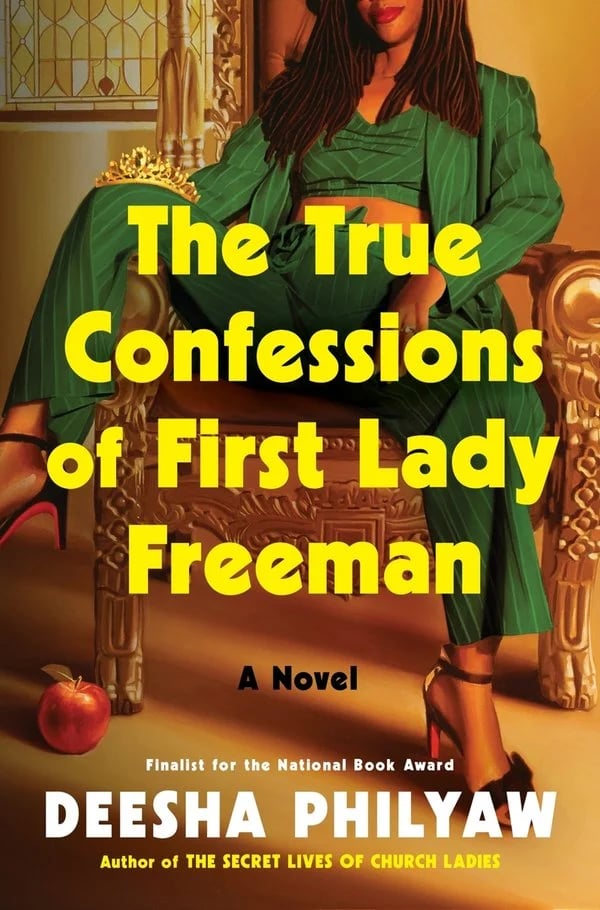
The True Confessions of First Lady Freeman, by Deesha Philyaw
When I finished Deesha Philyaw’s book of short stories, The Secret Lives of Church Ladies, I was a little wistful. No matter what circumstances her characters found themselves in, their propensity for tenacity was always affecting, and Philyaw’s craft choices have a way of making me root for folks with complicated backstories. Now her debut novel, The True Confessions of First Lady Freeman, is, at least in my circle, the most-anticipated literary fiction book of fall 2026.
I’m excited to stick with one character this time, Scharisse Freeman, over the course of the novel. I get the sense that the women in this story, many of them first ladies embedded in megachurch society, will be a little…well…complex—or maybe even downright messy. For that reason I can’t wait to get my hands on this book.
—Latria Graham
Amanda Heckert is the executive editor of Garden & Gun and the editor of the magazine’s book Southern Women. A native of Inman, South Carolina, she previously served as the editor in chief of Indianapolis Monthly and as a senior editor at Atlanta magazine. She lives in North Charleston with her husband, Justin, and their dogs, Felix and Oscar.
Garden & Gun has an affiliate partnership with Bookshop.org and may receive a portion of sales when a reader clicks to buy a book. All books are independently selected by the G&G editorial team.