

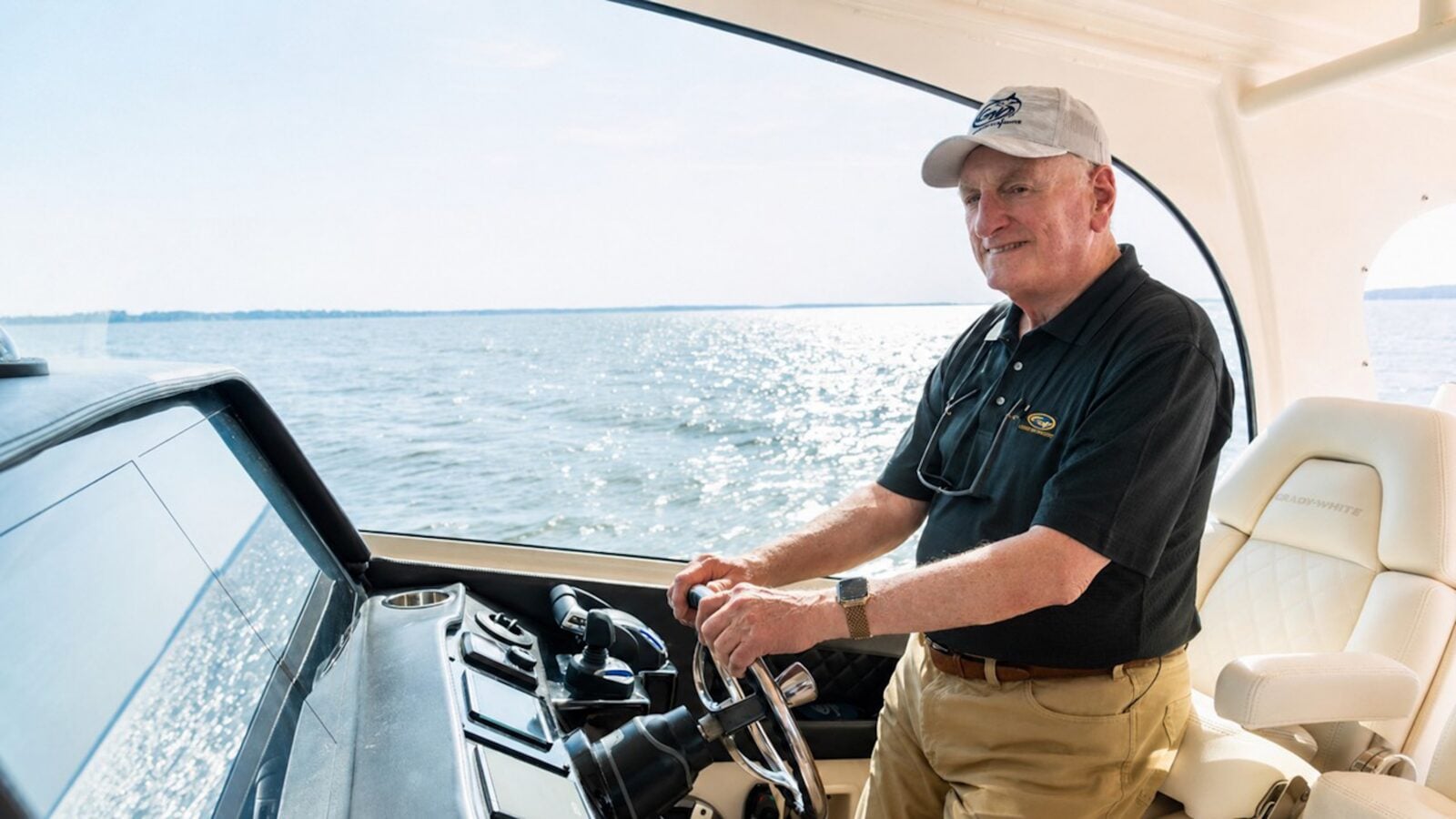
Eddie Smith Jr., owner of the lauded boat manufacturer Grady-White, made waves in the business world earlier this week with an unexpected announcement: Instead of selling the North Carolina–based company for as much as $400 million, the eighty-three-year-old has donated its profits to charity in perpetuity, the New York Times reported.

Perhaps the decision should not have come as a surprise; Smith has always done things a little differently. At age twenty-six, after graduating from the University of North Carolina, the Tar Heel State native was working at his father’s mail-order pantyhose business when a chance meeting with Don White, co-founder of Grady-White in Greenville, changed his path.
Impressed with the company’s reputation for quality in the production of small, rugged, lapstrake mahogany boats, Smith took a risk and made an offer to buy the nearly bankrupt enterprise in 1968. His father figured he’d be back in no time, having learned a lesson, but instead Smith set about turning Grady-White into one of the most esteemed saltwater boat companies in the world.
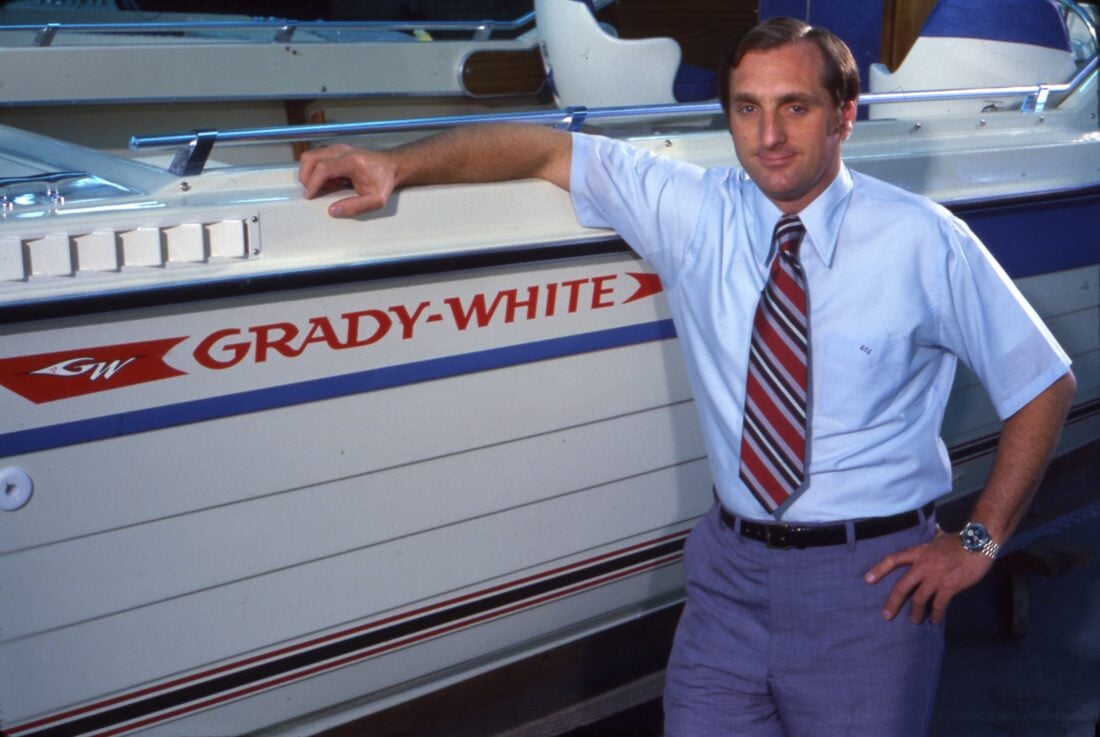
A dedication to quality, customer service, and valuing its employees set Grady-White apart from the beginning. During a boom of demand that began in the 1970s, Smith reckons he could have grown Grady-White by 300 or 400 percent, but in keeping with his motto to be the best, not the biggest, he refused. Another test of his values came in 1985, when a batch of faulty resin made it into the hulls of his boats. Instead of waiting for claims to come in or honoring the minimum requirements of the five-year warranty, Smith took the most expensive route. He tracked down each customer with a faulty hull and replaced the whole boat for free.
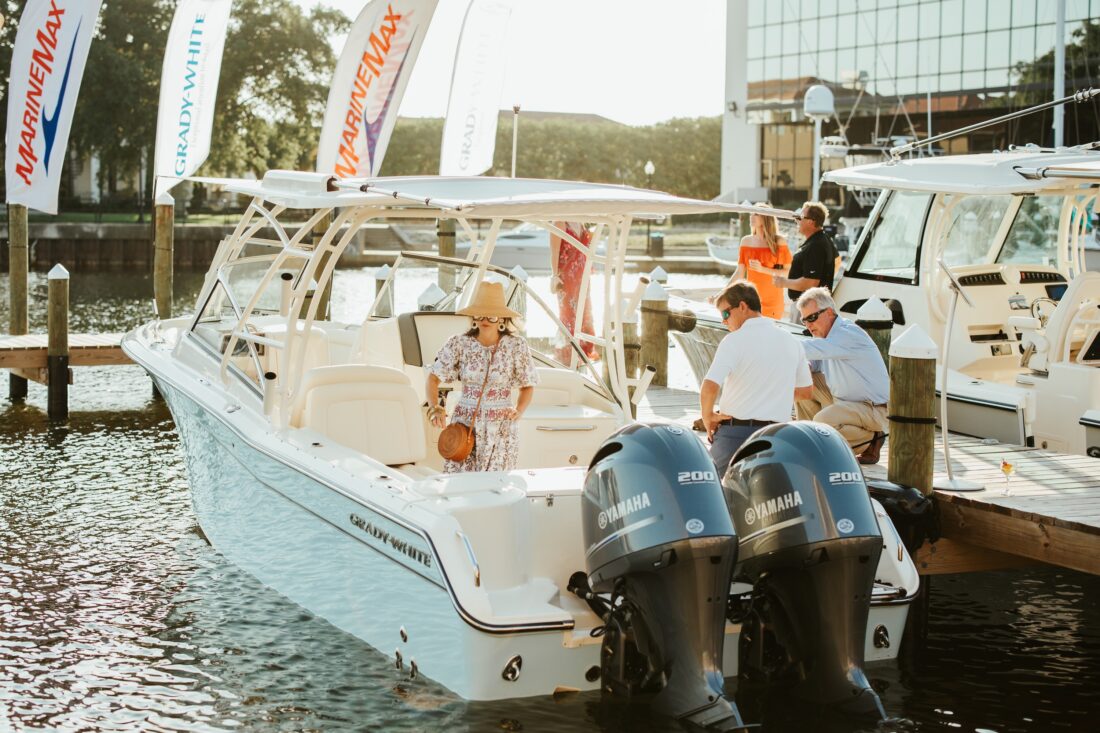
That decision cemented Smith’s—and Grady-White’s—reputation. Today, every boat is still produced at a single factory in Greenville, North Carolina, and the company only employs about 350 people. Smith never publicly traded or took on outside investors, and never went into any debt. Originally he planned for his son, Chris, to take over the business. But five years ago, Chris died of ALS.
Without that heir, Smith has made a final standout decision. He has transferred Grady-White’s voting shares into a purpose trust, ensuring the company will never be sold and will continue operating according to its longstanding values, including employee profit-sharing. The company’s remaining nonvoting shares will belong to a newly created nonprofit, which will direct tens of millions of dollars in annual profits not reinvested in the business toward conservation, healthcare, education, and other charitable causes. He was inspired by Yvon Chouinard, the founder of Patagonia, who set up his own nonprofit to distribute the company’s profits four years ago.
As Smith himself said in an interview announcing his decision, “It’s been an incredible run. By not selling the company…Grady-White will always be Grady-White. We will be able to stay true to who we are and how we got here.”
Lindsey Liles joined Garden & Gun in 2020 after completing a master’s in literature in Scotland and a Fulbright grant in Brazil. The Arkansas native is G&G’s digital reporter, covering all aspects of the South, and she especially enjoys putting her biology background to use by writing about wildlife and conservation. She lives on Johns Island, South Carolina.