

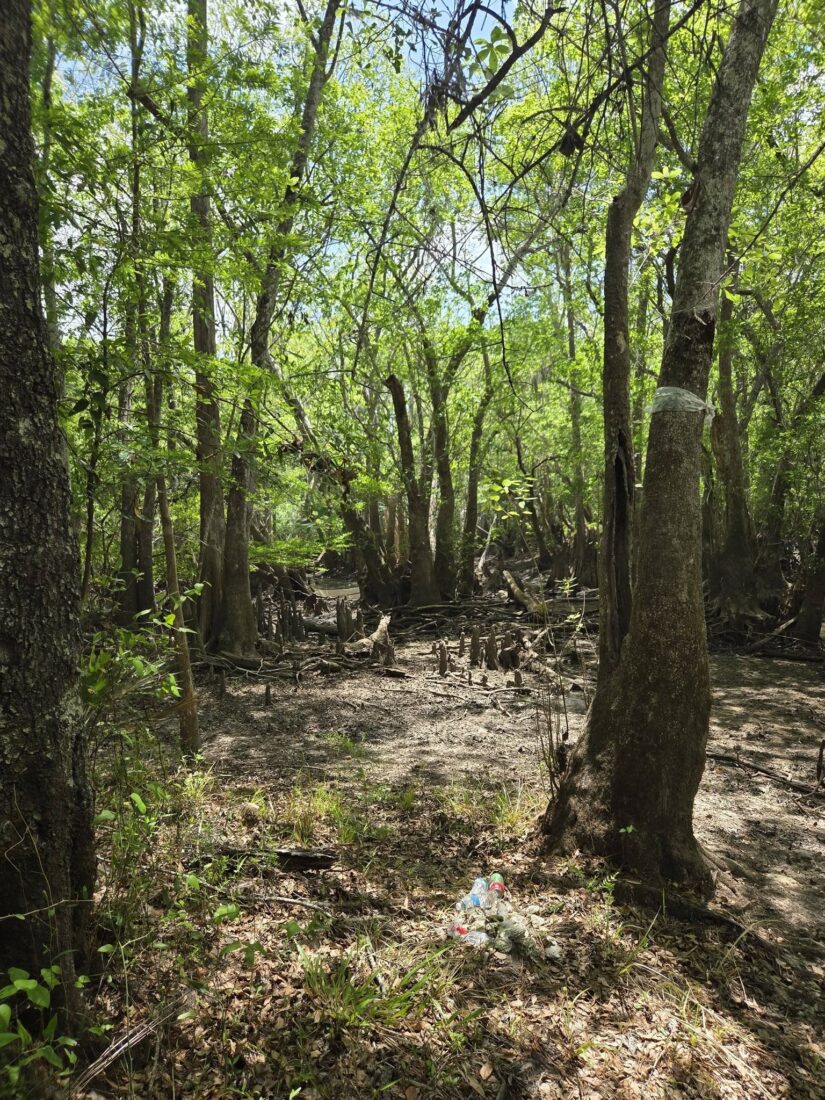
Every April beekeeper Al Bryant scours the swamps of North Florida, zeroing in on details only he and the handful of other honey makers in this area of the Panhandle would notice. He looks for the tiny protrusions from sinuous twigs that will soon become blossoms, the fine dust of lime-green pollen hitching a ride on the legs of bees—all signs that the honey flow in one of the densest white tupelo forests in the world is about to begin. But this year, he saw something different, too.
“I’ve never seen the bottom of those trees in thirty years,” he says.
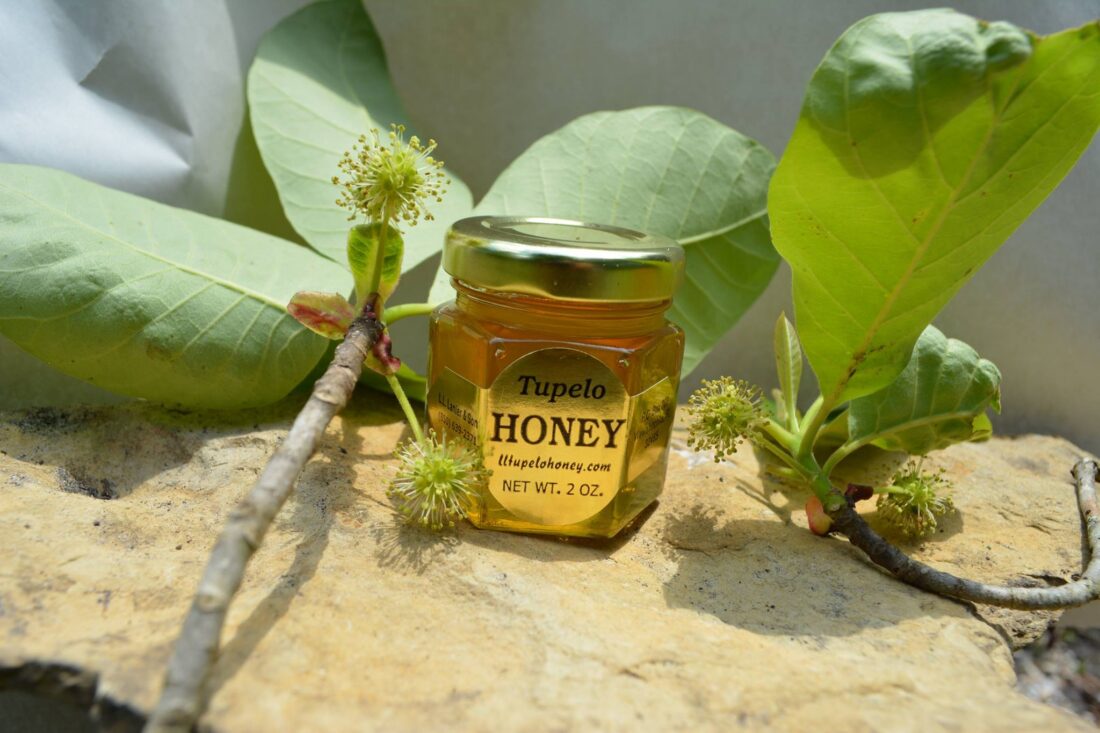
The Apalachicola River Basin is the epicenter of tupelo honey, a liquid gold coveted for its buttery, floral taste and indefinite shelf life. This year the region is also the epicenter of the most widespread severe drought on record in the South.
Harvesting tupelo honey is a delicate game in the best of times. For a brief window in late April, when the white tupelo trees bloom and beekeepers notice their bees collecting the pollen, the keepers flush the hives of old honey, hoping to generate the purest new harvest they can. The entire process can last mere days.
“It’s one of those deals where a good storm comes through, and it’s over,” says Bryant, a beekeeper at Bee Wild Raw Honey in Bristol, Florida. “The bloom on a good year lasts fourteen days. In a typical year we should make fifty barrels. This year we’re hoping to make fifteen.”
Glynnis Lanier, co-owner of L.L. Lanier and Son’s Tupelo Honey in Wewahitchka, is relieved to be able to collect any honey at all. “To have a good honey crop, the river needs to be full of water starting in November,” she explains. “But that hasn’t happened this year. The river never did come up all winter. It just stayed dry as a bone.”
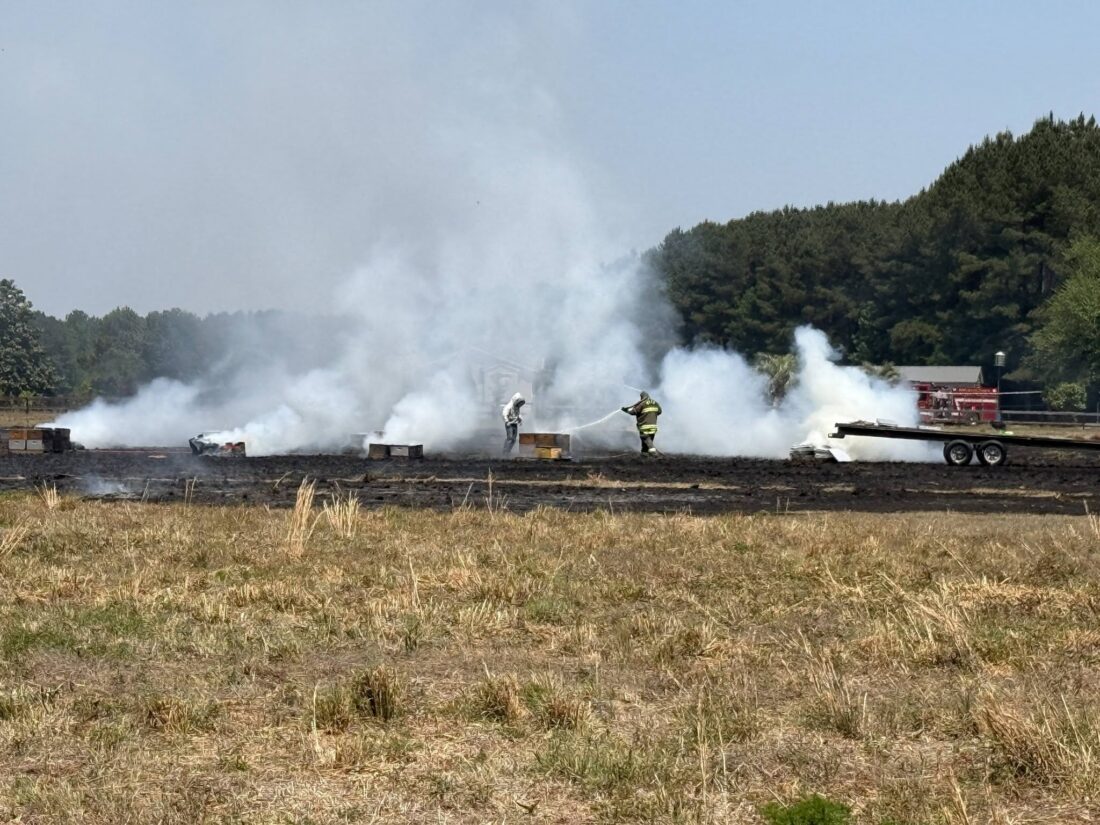
Conditions have been so dry that over the weekend, a flyaway spark from a bee smoker—an essential tool in beekeeping that typically helps stressed bees—ignited a fire at South Carolina’s Edisto Gold Honey, killing half of the bees in the field. “As soon as it hit the dry field, it literally just took off,” says owner Mark Connelly. “We saved at least half of them, and the other ones, unfortunately—when fire goes into a beehive, there’s a lot of wax in there, which is highly flammable.”
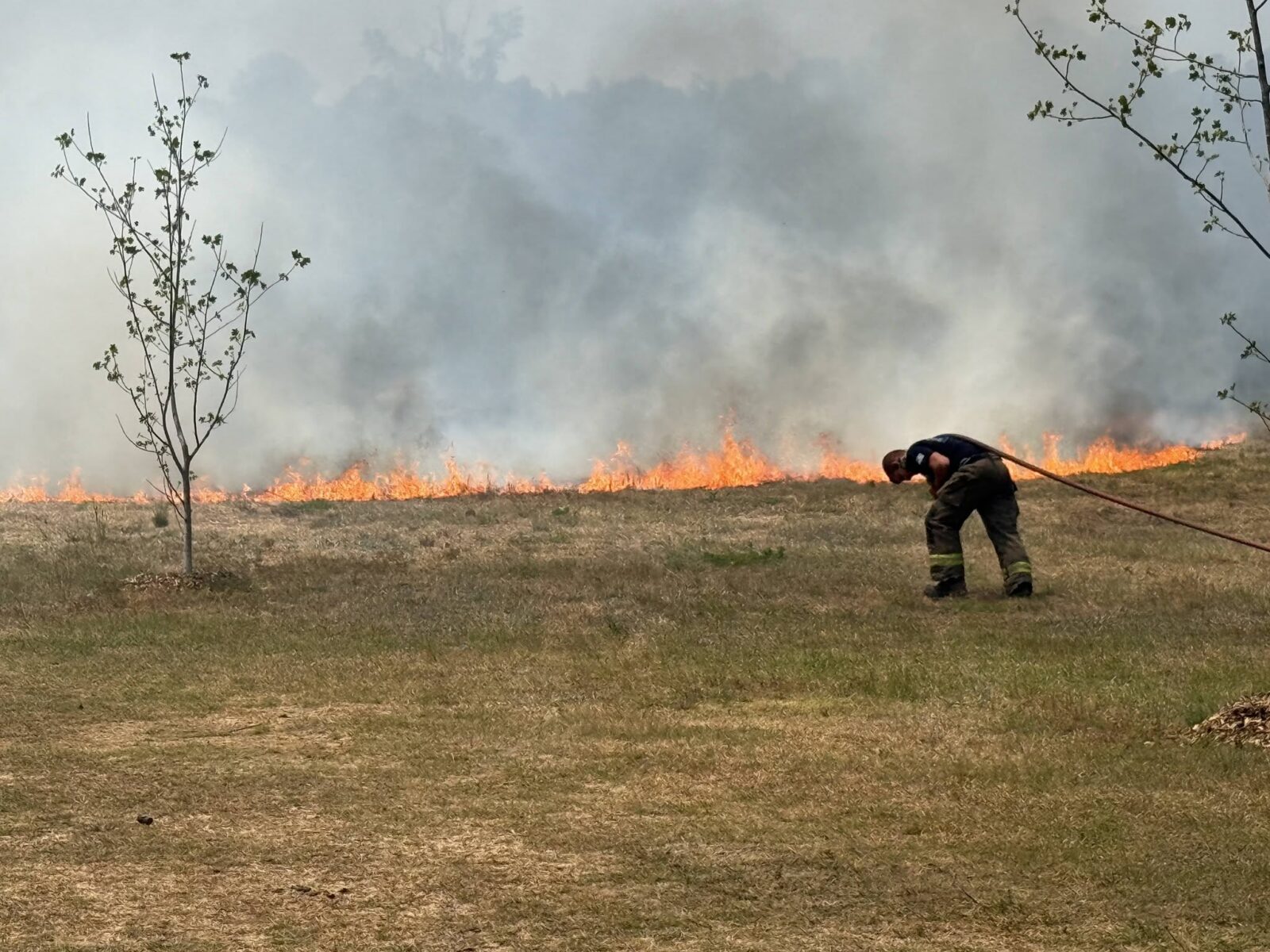
Wildfires have also popped up farther south in North Florida and South Georgia, the typically humid range of the tupelos, though the swamps have been spared so far. But even without flames, a severe drought can weaken the trees, exacerbating a decline in tupelo honey production that began in the 1980s.
And the hits keep coming for honeybees in Florida, home to the country’s largest population behind California and Texas. In just a few days the tupelo blossoms will fall, and beekeepers will remove the hives from the swamps for harvesting. “That’s when the bees are really going to start suffering,” Lanier says. “[The swamps are] the only place where there’s any moisture right now, and nothing on the hill is going to bloom and put anything out for them. It’s just been so dry, they’ll be in starvation.”
To try to keep their colonies alive after tupelo season, the Laniers will feed their bees a pollen substitute, an expensive undertaking for the family-run business. “You just can’t hardly keep them alive anymore between the mites and the viruses the mites give them,” Lanier says. “You lose so many of them every year.”
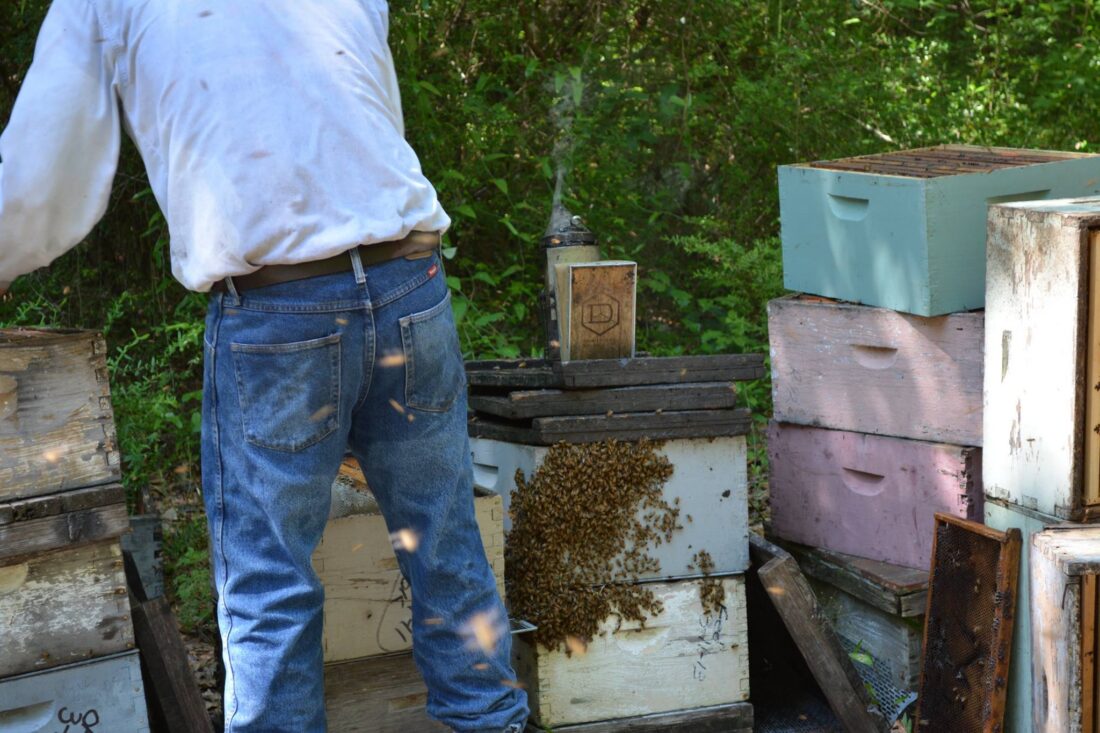
Thanks to tupelo honey’s unique ability to never granulate, Bryant says he can rely on leftover product from last year to boost this year’s stock. But he doubts he can gather a full season’s yield—or profit—before the flowers fall in the next few days. “We’ve had bad years before,” he says. “But it seems like the bad years have outweighed the good years recently. It’s getting harder and harder to do this.”
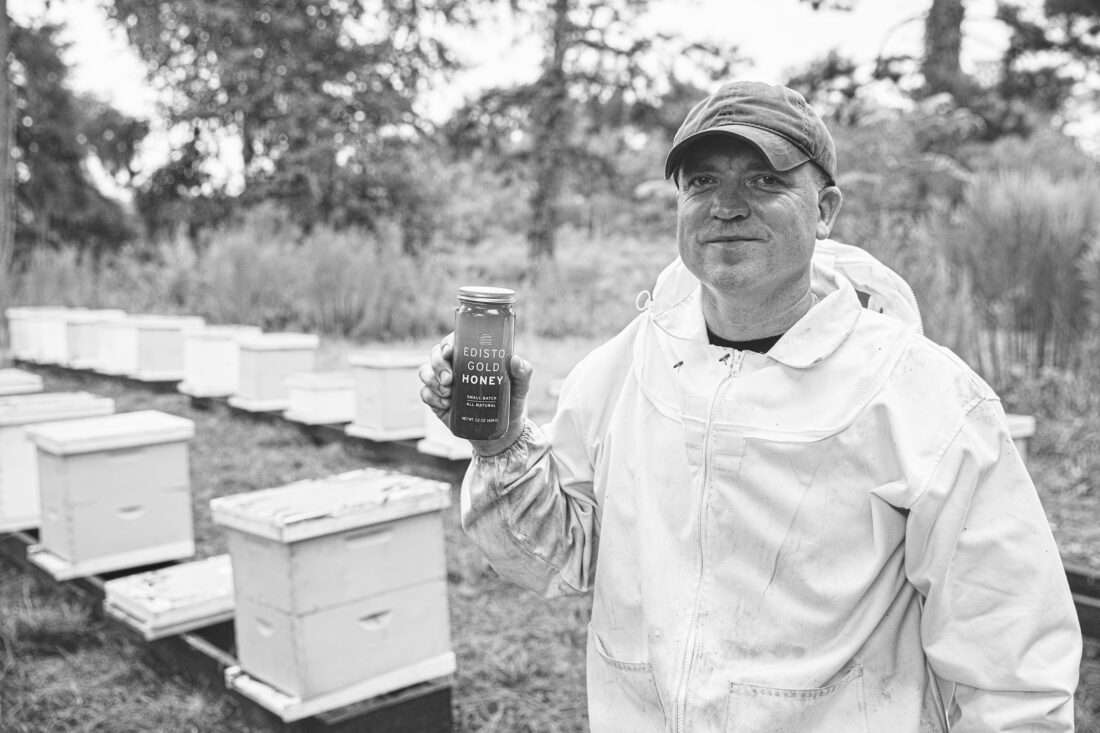
But even after withstanding a fire, Connelly doesn’t doubt the resilience of beekeepers across the South. “We keep going and we make do. But it would be nice to see a period of time where farmers didn’t have to just make do or get through, where they could actually prosper.”
Helen Bradshaw, Garden & Gun’s social media editor, is a born-and-raised Floridian. As such, she has an aptitude for finding alligators and an affinity for the weird and wonderful stories of the South. She graduated from Northwestern University with a focus in environmental journalism.