

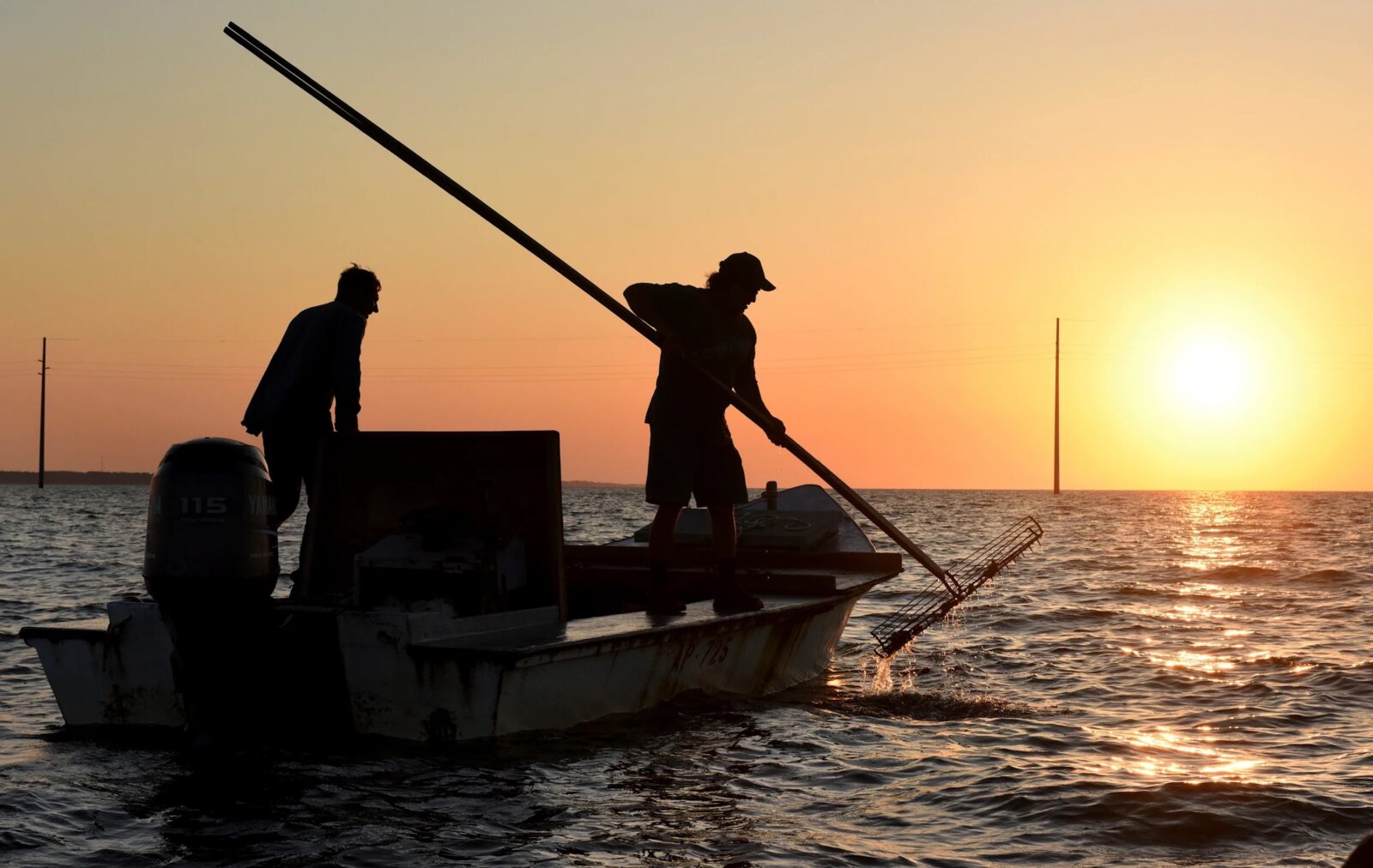
In December of 2020 the Florida Fish and Wildlife Conservation Commission closed Apalachicola Bay to wild oyster harvesting for five years, a pause that would hopefully allow the decimated oyster reefs to rebound. In December 2025, in response to some recovery progress, the state announced it would lift the harvesting ban on schedule. And this New Year’s Day oyster tongers were back in their boats collecting the beloved bivalves.

While Apalachicola Bay’s wild oyster populations have yet to return to historic levels—it once supplied 90 percent of the oyster harvests in Florida and 10 percent nationwide—locals and oyster lovers everywhere cheered the news.
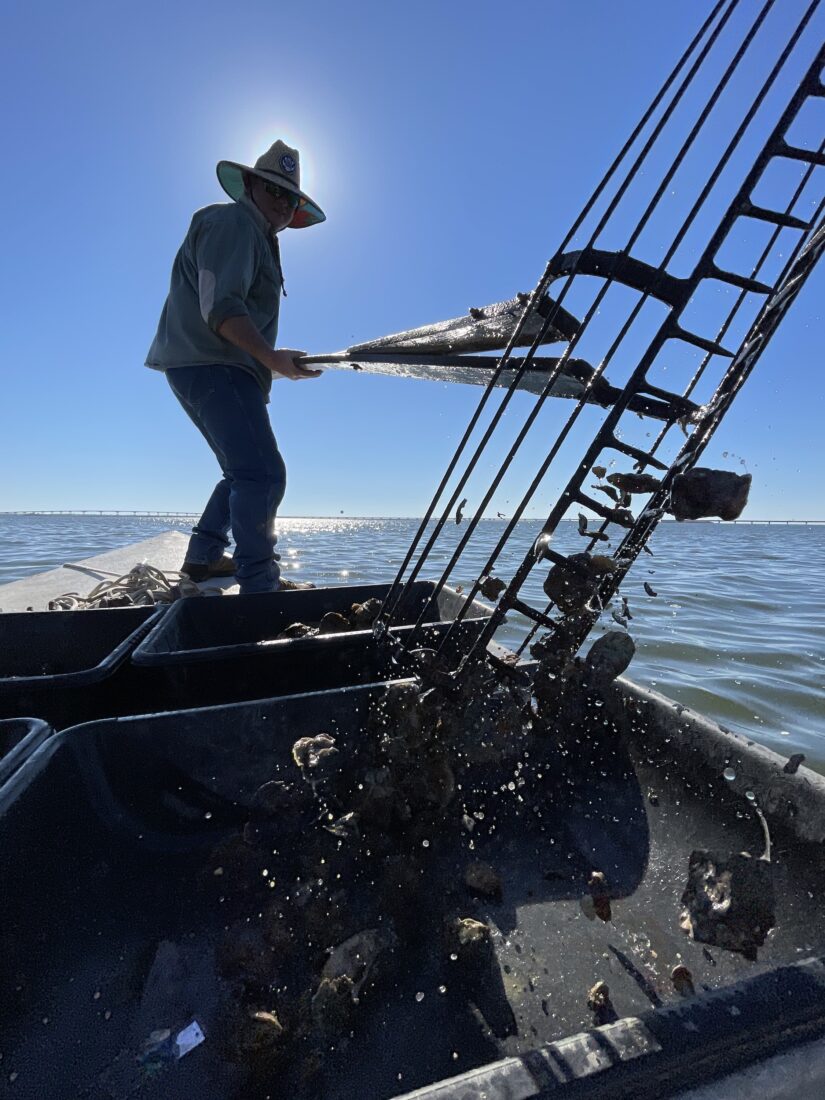
The bay’s oyster and seafood fisheries once anchored the economy of Apalachicola, supporting thousands of jobs and shaping the town’s character. “The industry has been here since I was a kid, and then all of a sudden it wasn’t,” says Michael Allen, owner and manager of the independent station Oyster Radio. “Growing up I used to see hundreds of tongers on the bay. But even before the moratorium, oysters were disappearing and jobs suffering.”

Oyster farmers were not included in the harvesting ban and so continued to work. Since they buy baby oysters (called seed) and grow them in cages or baskets suspended in the water, they’re less affected by reef loss and have been filling some of the gap left by the wild-harvest ban. So did traditional oystermen with private leases, but with the problems plaguing public reefs affecting them equally, most have had little to show for their labors. “My family owns our lease, and the state can’t shut us down unless there’s pollution concern or a red tide,” says Kendall Schoelles. “But there have been so few oysters.”
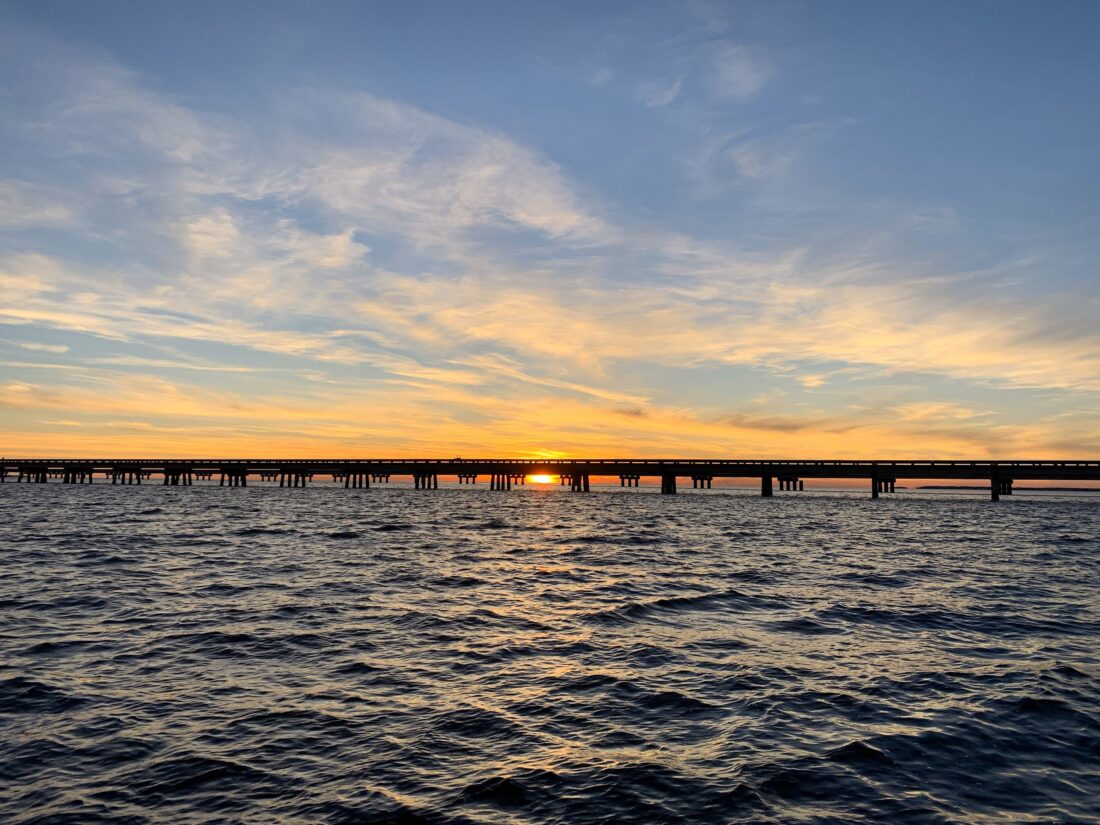
Habitat loss bears most of the blame for the downturn, according to Dr. Sandra Brooke of Florida State University’s Coastal & Marine Laboratory. As lead investigator with the Apalachicola Bay System Initiative (ABSI), she discovered that most of the reefs’ hard, stable substrate was gone. “After shucking, shells used to get thrown back in the water,” she says. “But more demand for oysters on the half shell impacted that.” For a time, the state dropped shells back into the reefs, but that program was defunded in 2011. Adding another hurdle, severe droughts decreased the amount of fresh water flowing into the bay, allowing an increase in oyster predators that thrive in higher salinity. “In 2013 things really fell off the cliff,” Brooke says. She stresses the larger importance of reversing the decline. “Other bay species depend on oysters, so bringing oysters back contributes to the bay’s overall health.”

If it were up to Brooke, she would have extended the closure for another five to ten years. “But that’s a scientific perspective, and looking at things culturally and socially, I believe the reopening is good,” she says. “So many sold their boats and moved away. People are no longer making the tongs used for harvest, so even though this is a teeny step, it’s good for the community, for its cultural identity.”
And it’s good for oyster eaters, according to Steven Rash of Water Street Seafood, one of the area’s largest seafood distributors. “The oystermen are getting really good oysters with great taste,” he says. “Our customers, from restaurants to the public, are clamoring for them; everyone loves an Apalachicola oyster.”
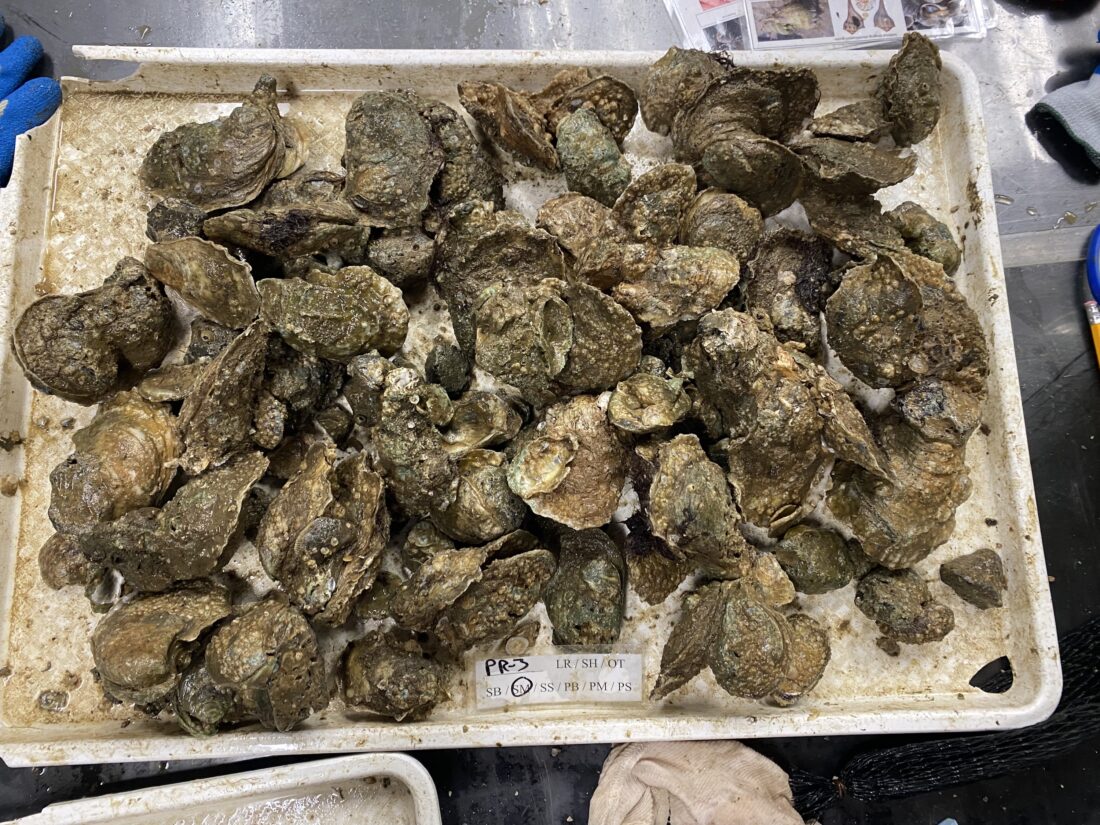
This initial season runs from January 1 to February 28, with another opening planned for October. The harvest limits are low, and continual population monitoring will determine sustainable numbers for future seasons. “It’s great to be back out there, and I’m pleased that the state sees progress,” says fourth-generation oysterman Shannon Hartsfield. “I’m cautiously optimistic.”
Whether Apalachicola Bay rebounds to the previous level of productivity is uncertain, dependent not just on the state’s management and the restoration work of Brooke and the ASBI, but on Mother Nature herself. But for now, hope keeps those dependent on the industry afloat. “Knowing there are still oysters in the bay and maybe they can come back means a whole lot here,” Schoelles says. “It was and is a job for so many, but a way of life, too.”
Jennifer Stewart Kornegay is an award-winning freelance writer and editor based in Montgomery, Alabama, with work published in Condé Nast Traveler, Food & Wine, Wildsam, The Local Palate and more. Her articles cover a variety of topics, including food and food culture, artists and makers, and travel, but the throughline is emphasis on telling the stories of the interesting people behind them all. Read her work at jenniferkornegay.com.