

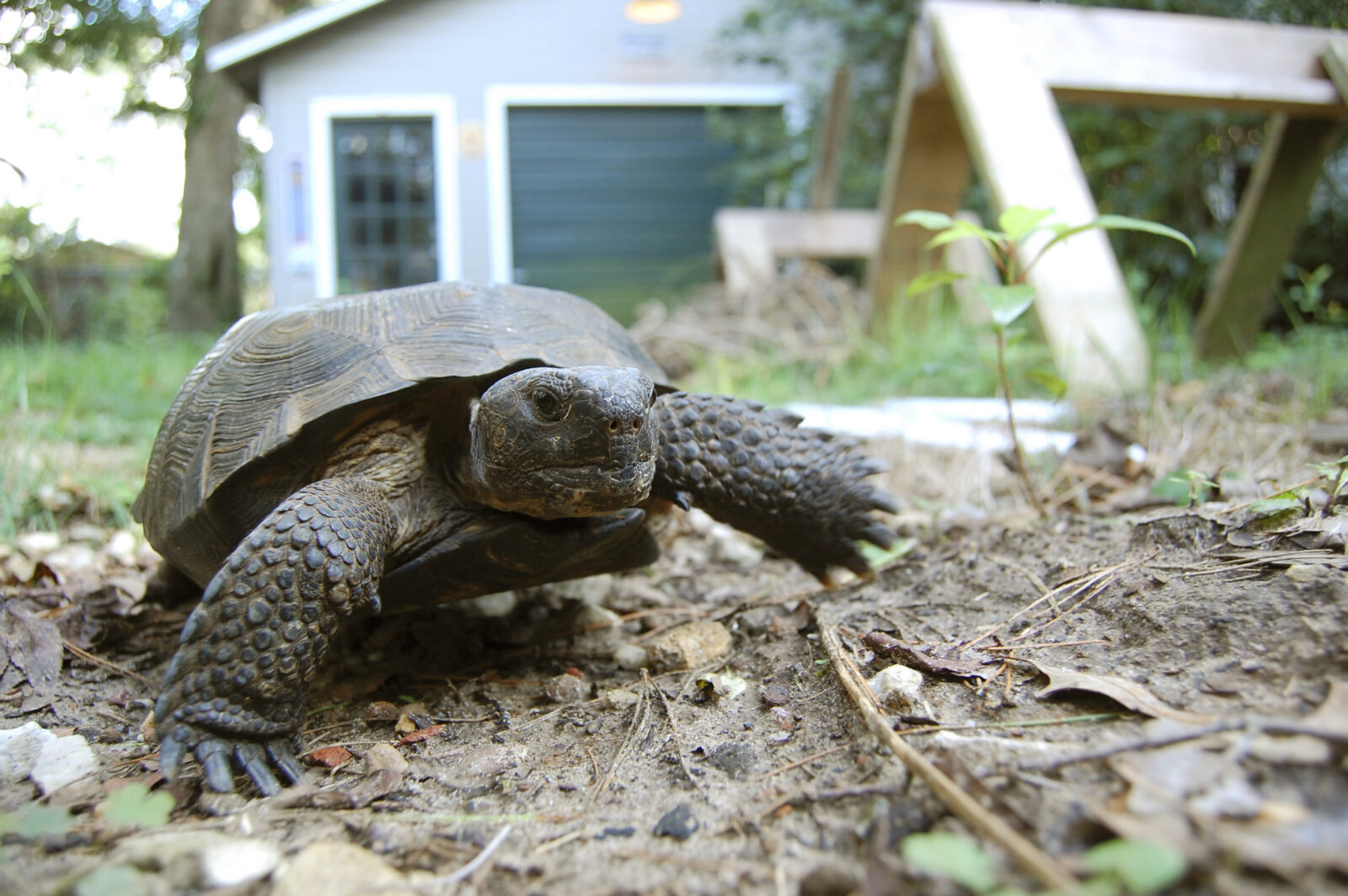
Driving north from Micanopy, Florida, along I-75, it’s usually rare to spot the area’s herd of reintroduced bison from the road. But recently the bison have been venturing to fresh grazing grounds. For curious roadtrippers, that’s exciting. For Floridians who know what’s really happening, it’s a sign of the worst drought to hit the area in more than a decade.
Bison, along with beavers, raccoons, deer, bears, alligators, tortoises, and a large swath of the area’s other wildlife, are on a quest to find water during the widest drought the Southeast has experienced since the federal government started keeping track back in 2000. “Natural water sources are reduced to just the barest minimum,” says Marney Richards of the Florida Wildlife Federation. “Wildlife flocks to the remaining little pockets of water. There’s overcrowding, and it really reduces water quality.”
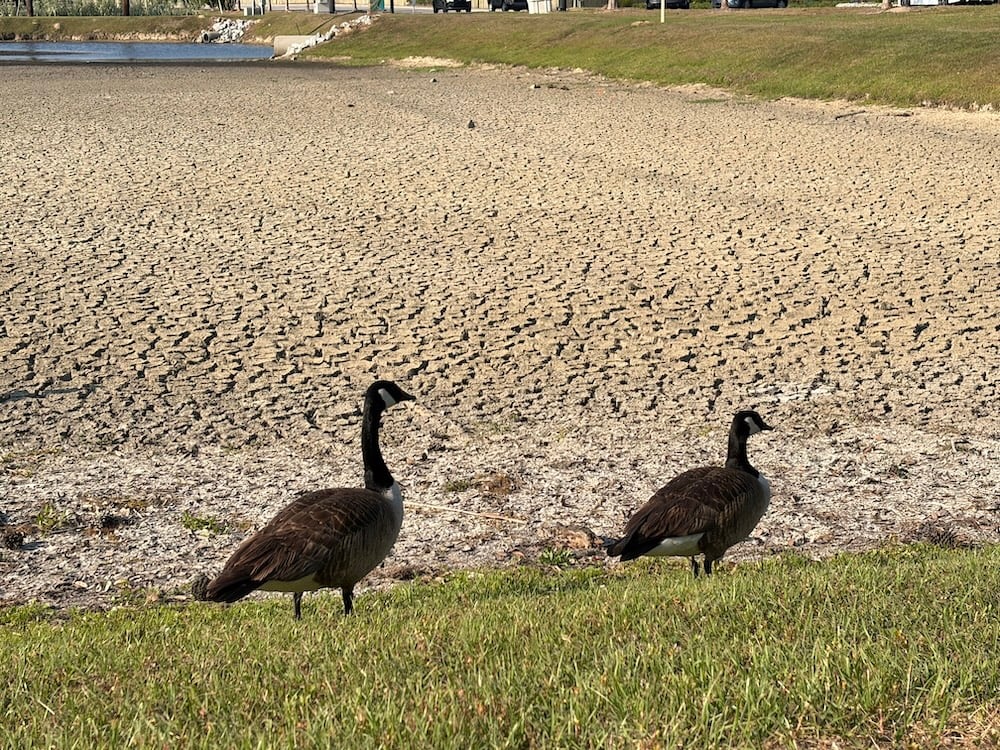
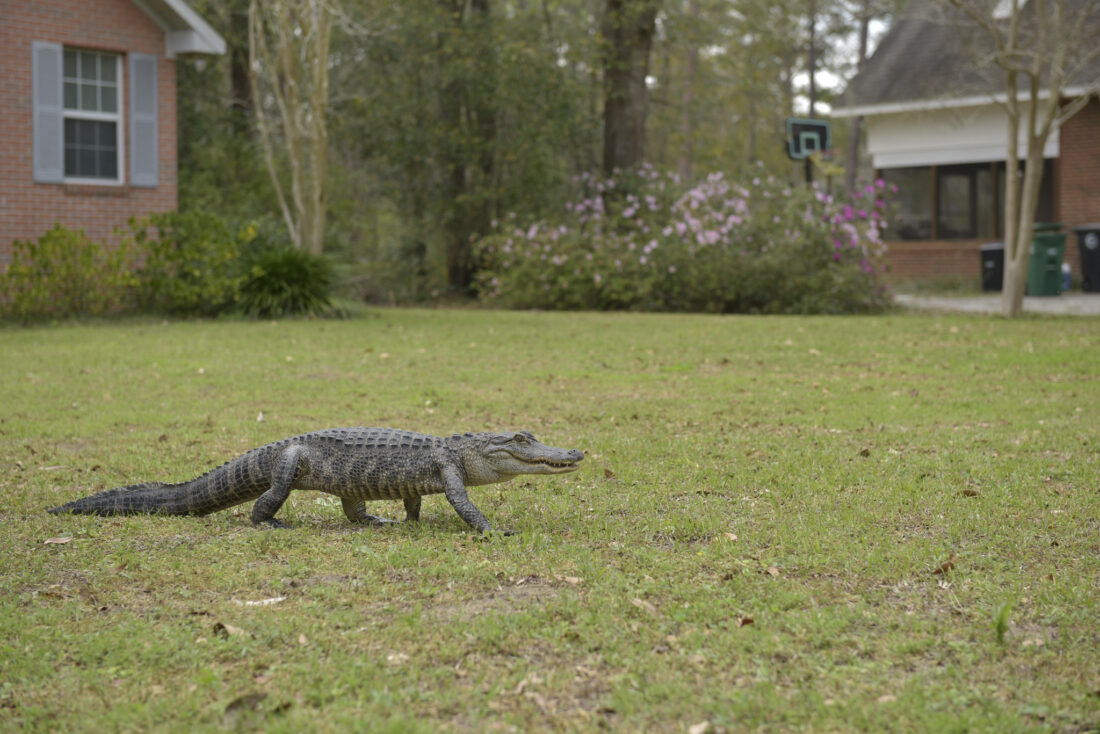
More than 96 percent of the Southeast is currently experiencing a drought—few places more severely than North Florida and South Georgia, where thousands of acres of land have been engulfed in wildfires over the last week. As people flee the flames, wildlife scatters, too, in search of safer, more hydrated ground. It’s a pilgrimage that can bring the animals to precarious places, including residential areas they wouldn’t otherwise frequent.
“Backyards can really be important stepping stones for wildlife,” Richards says. Here are a few ways to make your outdoor space a respite for visiting wildlife as they search for safety across the South.
Provide water if necessary.
You can quickly provide a hydration station with items you already have. A shallow, saucer-like dish, either elevated or on the ground, can make a big difference for displaced animals. “Birds will come to that, you’ll see squirrels and raccoons,” Richards says. “Even bees will come. I’ve seen box turtles. They love to come and sit there.”
The key is to keep it clean. Change water weekly at a minimum to avoid disease spread between animals.
If you already live close to a body of water, there’s no need to put out any extra, notes Jesse Maestas, a wildlife health biologist at the Georgia Department of Natural Resources. “We worry about attracting predators or the animals spreading diseases to each other. You’re getting a whole ecosystem in your backyard close to you and your pets. Just make your place a safe stopover.”
Avoid attractants.
Ideally, wayward animals in a drought visit your yard for a good time, not a long time. Don’t provide wildlife with pet food, which can “become problematic if you have something like bears coming in,” Maestas says.
If you do see a malnourished animal, it’s best to leave it to the pros. Call your state wildlife agency, which will put you in contact with licensed wildlife rehabbers.
Look out for the little guys.
The drought and wildfires coincide with birthing season for many Southeastern species, including deer. If a mother decides your yard is a safe enough place to leave her fawn, that’s not an immediate cause for concern, but keep an eye out. “A lot of times if the parent doesn’t come back for the baby within twenty-four hours and it looks like the baby’s not doing well, then that’s definitely a good time to call your state agency,” Maestas says.
The wildfires can be especially hard for other little ones, including raccoons or opossums. “More ground-dwelling species, it’s harder for them to get as far away,” Maestas says. “They’re the ones you tend to see get wrapped up in fires. They’ve got little legs.” Don’t shoo these animals away—backyards can be an important place of refuge for them, too.
Even tiny insects can feel the effects of a drought. Richards recommends using mulch to cover garden beds in dry spells. “It helps insects and worms and other little invertebrates in the soil survive. It also gives cover to birds, to small mammals, to get them someplace out of the sun and cooler.”
Keep pets inside.
Separation of pets and wildlife is paramount to keeping both as safe as possible, Maestas says. “Pets can stress the animals out, they can attack them. Your pets can also get attacked as well. Animals that are stressed out can be more unpredictable and can be aggressive.” Run-ins with coyotes have been shown to increase during times of drought, for example. If your yard is exposed to wild visitors, don’t leave pets unattended outside for long.
Create an escape route.
All Southerners—human or otherwise—know a pool is a hot commodity. During a drought it’s a true oasis. If your pool is uncovered and doesn’t have a ledge or easily accessible steps, try creating escape routes for animals that accidentally fall in. Commercially available options for frogs exist, but DIY-ing a ramp with branches or a more sophisticated setup can be a good idea.
Regardless of the presence of a pool, if an animal makes its way into your yard, it’s important that they’ve got a clear way to exit. “You want to make sure the fence is open. Usually just leave them alone, let them get up and go, and they’ll go on their own,” Maestas says.
Plant for the future.
Droughts aren’t going away, especially as climate change alters the regularity of weather patterns. “And so what we really recommend to people who have the space is to plant native plants, because that’s one of the best hedges at a small level against the effects of drought,” Richards says.
Native plants anchor soil with their root systems, provide habitat for native species, and generally require less water than imported ornamentals. “As we have more and more development and there are more people, there’s more water usage,” Richards says. “Our water systems are stressed. In our own yards and gardens, things we can do to conserve water are going to be more and more important.”
Helen Bradshaw, Garden & Gun’s social media editor, is a born-and-raised Floridian. As such, she has an aptitude for finding alligators and an affinity for the weird and wonderful stories of the South. She graduated from Northwestern University with a focus in environmental journalism.