

On an average weekday, the staff of the Weymouth Center for the Arts & Humanities, a century-old estate in Southern Pines, North Carolina, still gather for lunch at the same banquet table where James Boyd, F. Scott Fitzgerald, and Paul Green once shared drinks and lively debate. Just outside, amateur gardeners trade advice among flowerbeds while walkers wander beneath ancient longleaf pines. On the other side of the twenty-room mansion, kids learn to ride horseback in the home’s original stables. The ballroom—into which a visiting Thomas Wolfe once crawled through a window after midnight and was found the next morning sleeping on a couch—still serves as Weymouth’s social center, hosting luncheons, concerts, and book launches. Upstairs, guest writers tend to their craft, emerging from their temporary quarters each evening to convene in the same rooms where past literary giants gathered.
Former White House Secretary Jonathan Daniels once declared that the “springboard for the Southern literary renaissance” was Weymouth, the Georgian-style and Colonial Revival mansion built by James and Katharine Lamont Boyd in 1922. Indeed, James created his seminal masterpiece, the Revolutionary War novel Drums, here, and the Boyds’ residence became an idyllic sanctuary for their literati peers. This tradition continues today, as Weymouth serves as the home of the North Carolina Poetry Society, the North Carolina Literary Hall of Fame, and a writers-in-residency program that welcomes Southern scribes.
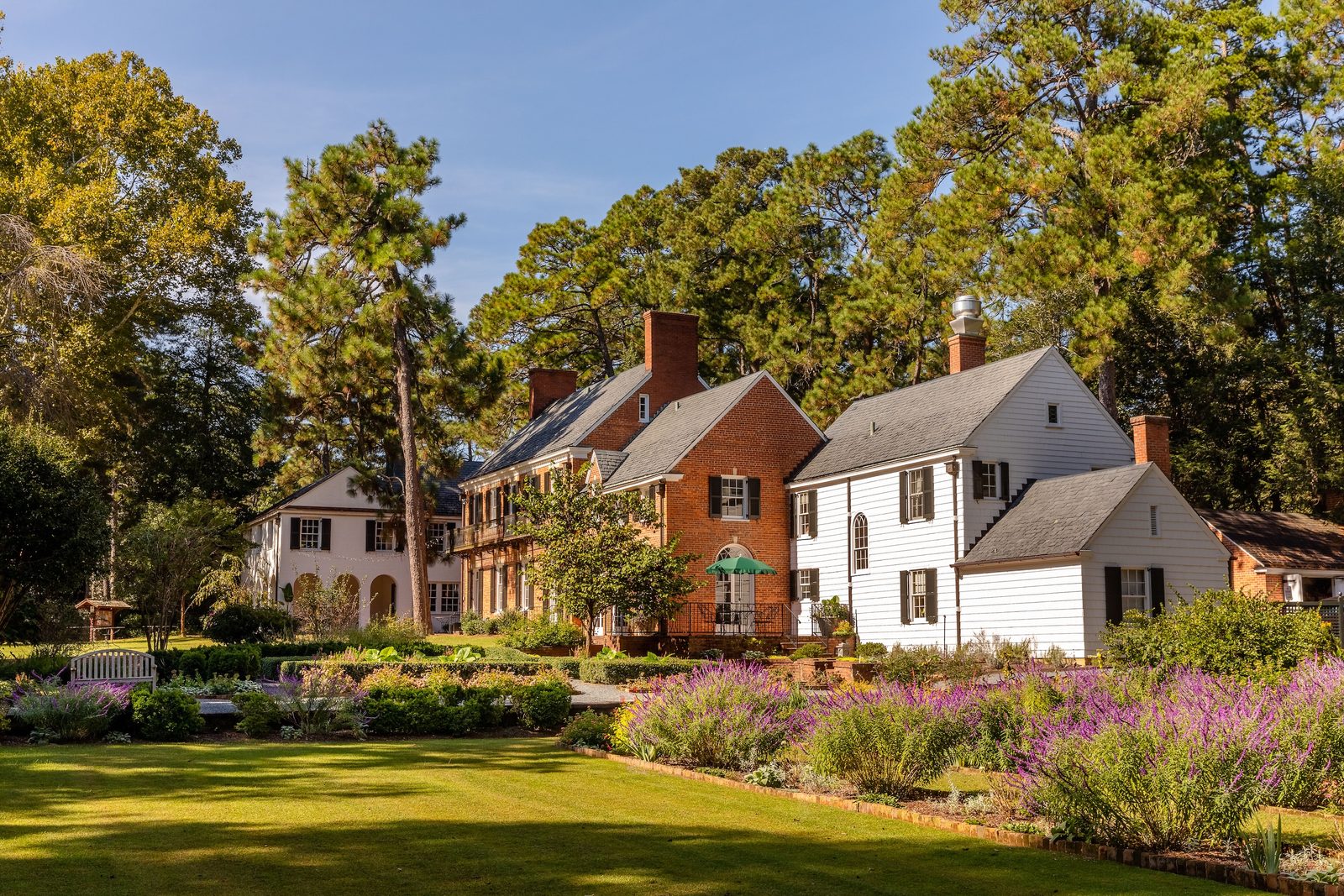
With its dense history and sprawling grounds, the Weymouth Center easily could have been preserved like any other estate of its stature, walled off except by ticketed admission, another altar to Southern aristocracy. Instead, it remains a livable home and thriving social hub. Although the Boyds descended from industrial wealth—James’s grandfather made his fortune in iron and coal, Katharine’s father in tobacco and railroads—the families preferred investing into the community to amassing assets. Acknowledgements of the couple’s contributions appear on placards throughout the town of Southern Pines, and a roadside marker denoting James’s homestead sits just past the Weymouth property line. But among the tributes that bear the Boyd name, Katharine’s is noticeably absent.
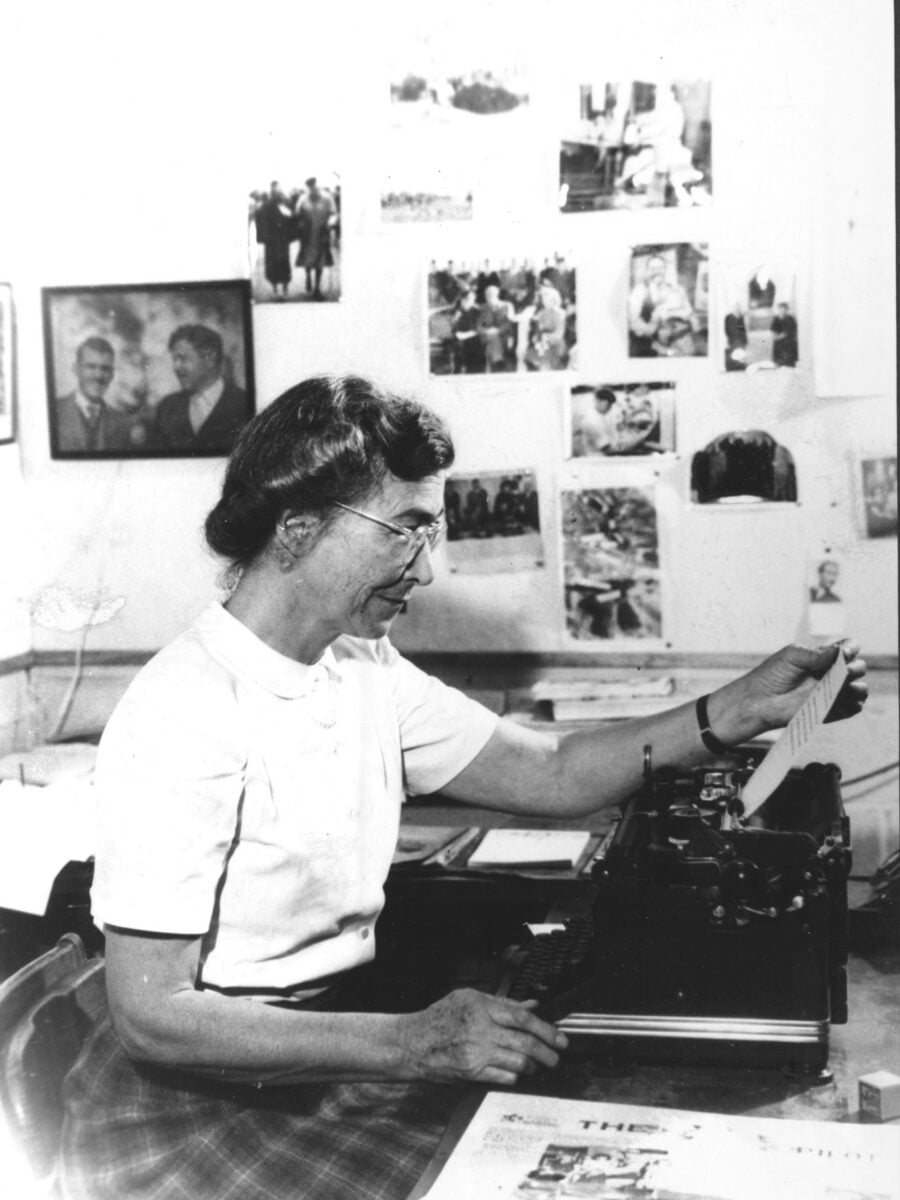
By all accounts, that’s how she would have liked it. Katharine began her writing career by transcribing and editing James’s dictations as he crafted his novels. After his death in 1944, she took over his position as editor and publisher of Southern Pines’s local newspaper, but she hesitated to include her full name in her byline. In her twenty-four years at The Pilot, she often went only by “Mrs. James Boyd” in the colophon.
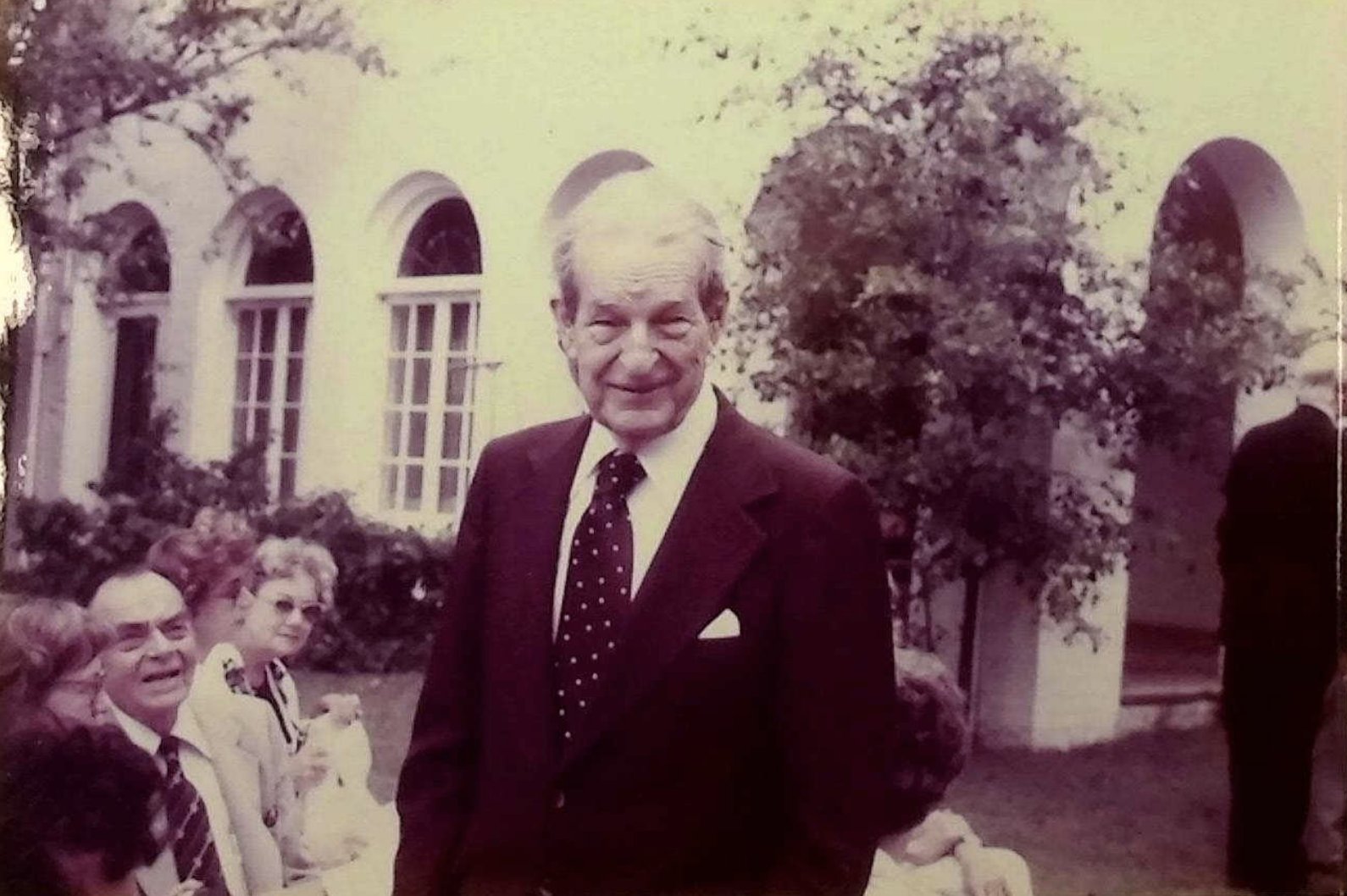
But where Katharine shied away from boasting about her contributions, she spoke out readily against injustice, using her editorial column to appeal to public morality. In 1944 she wrote a scathing indictment of the Republican Party’s postwar ambitions, accusing leaders of conflating the nation’s future with the interests of big business. (Their “imperialistic tendencies, coupled with the propaganda constantly fed our people by the Republican-supported press,” she wrote, “are straws in an evil wind.”) A decade later, when legislators drafted the Southern Manifesto in defiance of Brown v. Board of Education, Boyd condemned the document outright and praised her own congressman, Harold Cooley, for refusing to sign it. These statements often drew harsh criticism from her readership, but Katharine never flinched.
Her philanthropic work cast a wide net, supporting civic organizations, municipal incentives, and the arts, including the North Carolina Symphony, the North Carolina School of the Arts, and the American Ballet Theatre. But where her public contributions are difficult to count, her secretive ones are nigh impossible. Katharine was known to anonymously donate to local families in need, asking staff to deliver cashier’s checks to provide clothing, food, and utilities. Secondhand accounts from her employees claim she singlehandedly paid the tuition of dozens of underprivileged college students.
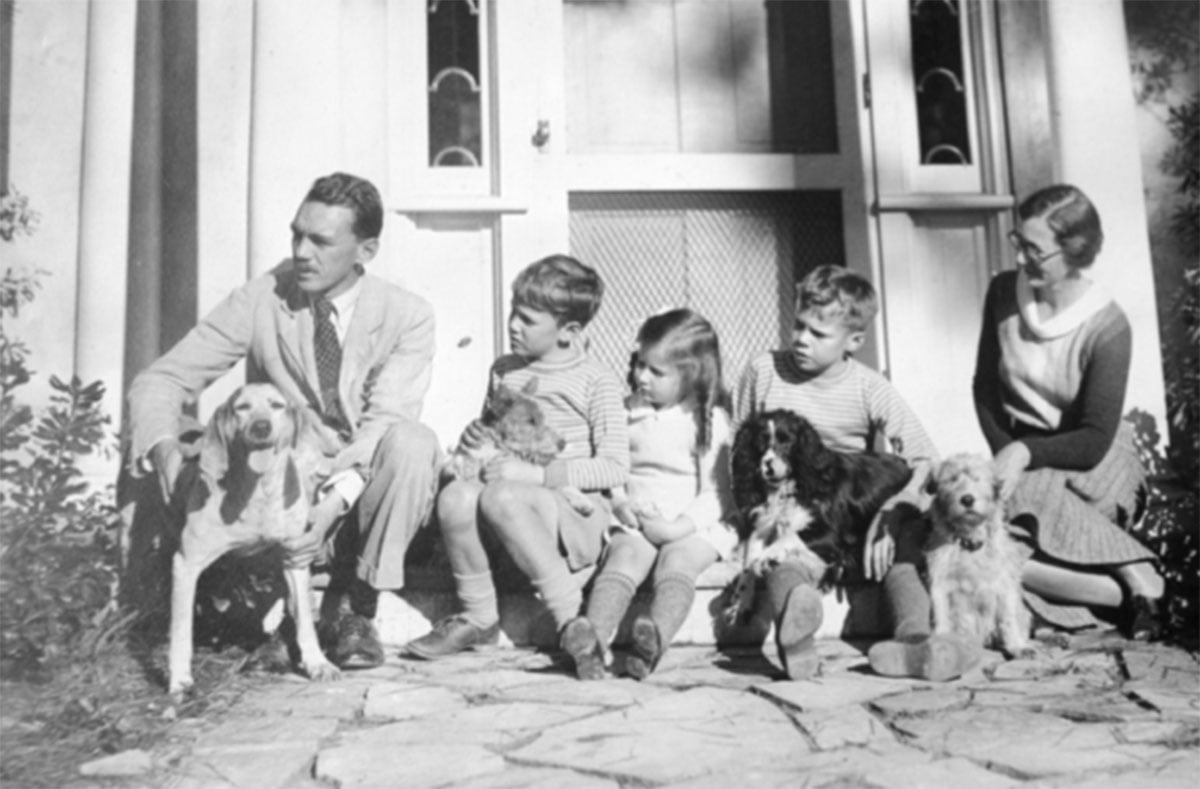
More than a century after the Boyds welcomed their first guests beneath the pines, their legacy still ripples through the community. The Pilot is still a town fixture. Of the thousand acres of longleaf pine the couple preserved, Katharine deeded four hundred to the state before her death, creating Weymouth Woods, North Carolina’s first designated natural area and one of the oldest longleaf pine forests still standing. Another fifteen acres of the Boyd’s property went to what would become Penick Village, a home for the aging that still operates just beyond the Weymouth property line. These conjoined properties—Penick Village and the Weymouth Center—continue to house, entertain, and delight hundreds of guests and residents daily.
On a personal level, Katharine’s work influenced my childhood many years after her passing. She sat on the board of the local hospital where my two sisters were born, and I first fell in love with North Carolina folklore by reading ghost story anthologies at the library she funded. Growing up, I rode my bike with friends in Weymouth Woods, had my photo appear in The Pilot for various community events, and played in piano competitions at the Weymouth Center, where I nervously waited with other contestants in James’s study, never realizing the importance of the estate where I was biting my nails.
As an adult, I’ve returned to the home to partake in its writers-in-residency program, enjoying Weymouth’s monastic environment and the ghosts of the literary greats who sought refuge here. But while many spirits are rumored to remain at Weymouth, Katharine’s is the one whose presence is most felt in the small town she helped make wonderful through her quiet, consistent gifts.
The Weymouth Center remains free and open to the public, with donations encouraged. The Boyd House is open Monday through Friday, 10:00 a.m. to 2:00 p.m., and the grounds and gardens are open daily from sunrise to sunset. Weymouth Woods State Park is open daily year-round except December 25.
Liz Z Pardue is a touring storyteller who writes about the people and places she encounters in her travels. Find her latest adventures at LizZPardue.com as she brings folklore, spooky history, and personal stories on the road.