

Arts & Culture
The Arkansas Diamond Comes Home in a Dazzling New Crystal Bridges Exhibition
The 27.21-carat stone joins Tiffany & Co. jewels and American art in “Nature Adorned,” on view in Bentonville through March
Diamonds have a long and sparkly history in Arkansas. Some one hundred million years ago, a volcano brought untold thousands of them to the surface in the Natural State. An unsuspecting farmer uncovered the first one in 1906, and in 1926, an eleven-year-old girl found one in Searcy that weighed a whopping 27.21-carats—one of the largest ever discovered in the United States. Tiffany & Co. purchased it, and the so-called Arkansas Diamond has resided at the Tiffany Archives in New York City ever since. Now, as part of a new exhibition at Crystal Bridges Museum of American Art in Bentonville, the gemstone has traveled home along with two other diamonds discovered in Arkansas, to be displayed alongside other masterpieces from Tiffany, plus art and minerals from Crystal Bridges’ permanent collection.

All of it is an exploration of the relationship between fine art and jewelry, and how the natural world has inspired both for generations. “The pairings across the Tiffany Archives and Crystal Bridges help us to see both collections in a new light,” says Jen Padgett, the exhibition’s curator. “Comparing how artists draw inspiration from nature—whether depicting an orchid in a painting or transforming its form into a brooch—allows us to appreciate their ingenuity and imagination.”
Nature Adorned: The Artistry of Tiffany & Co. and the American Imagination opens this week and will run through March 29, 2027. Below, see a few of the works and gemstones on display, including the Arkansas Diamond.
“Having the diamonds here allows us to highlight Arkansas’s natural resources,” Padgett says, “and bring attention to the state’s unique place in the story of American gems.”

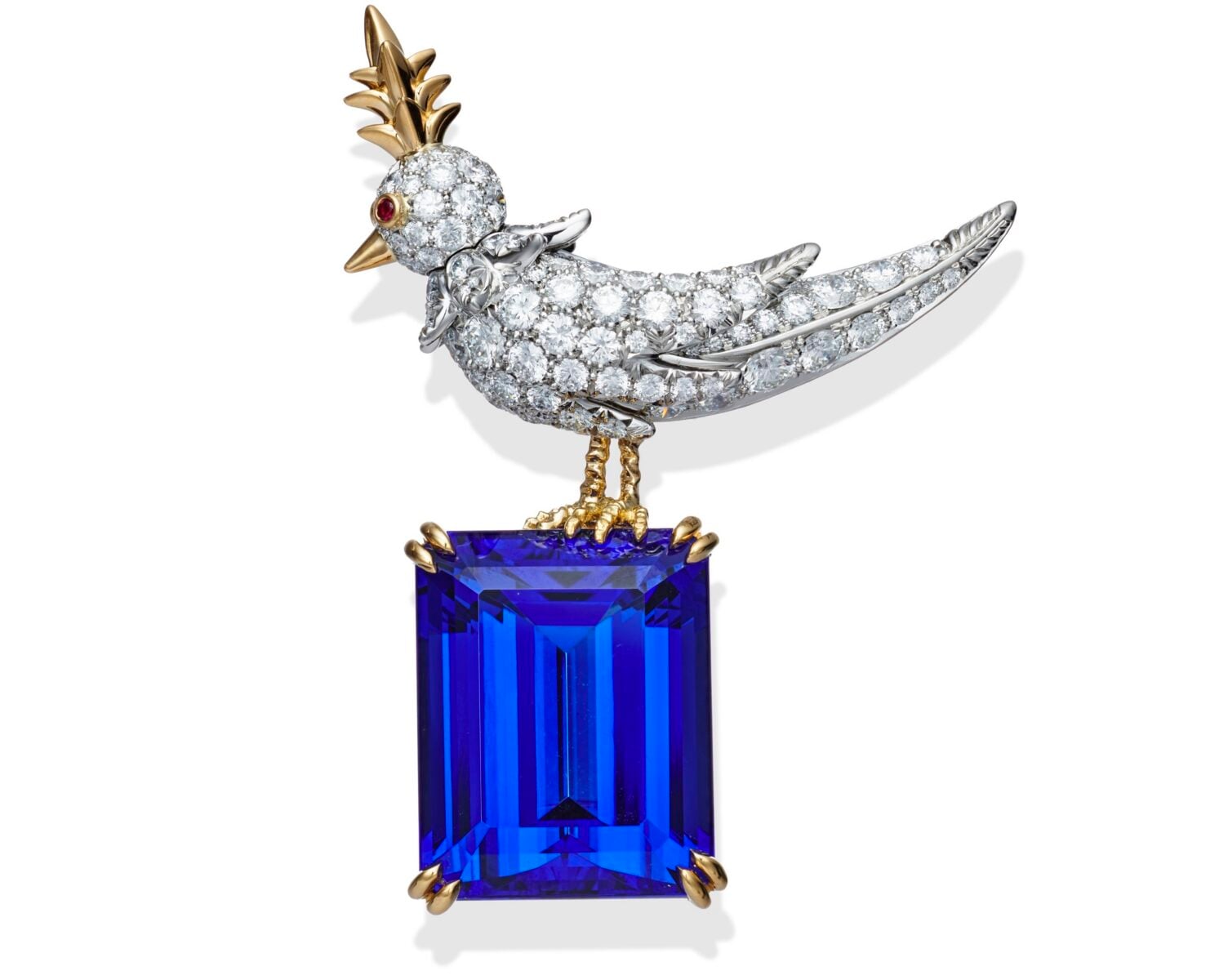
The exhibition displays some of Schlumberger’s jewelry designs alongside Hope Gangloff’s Queen Jane Approximately, to explore how both play with organic forms.
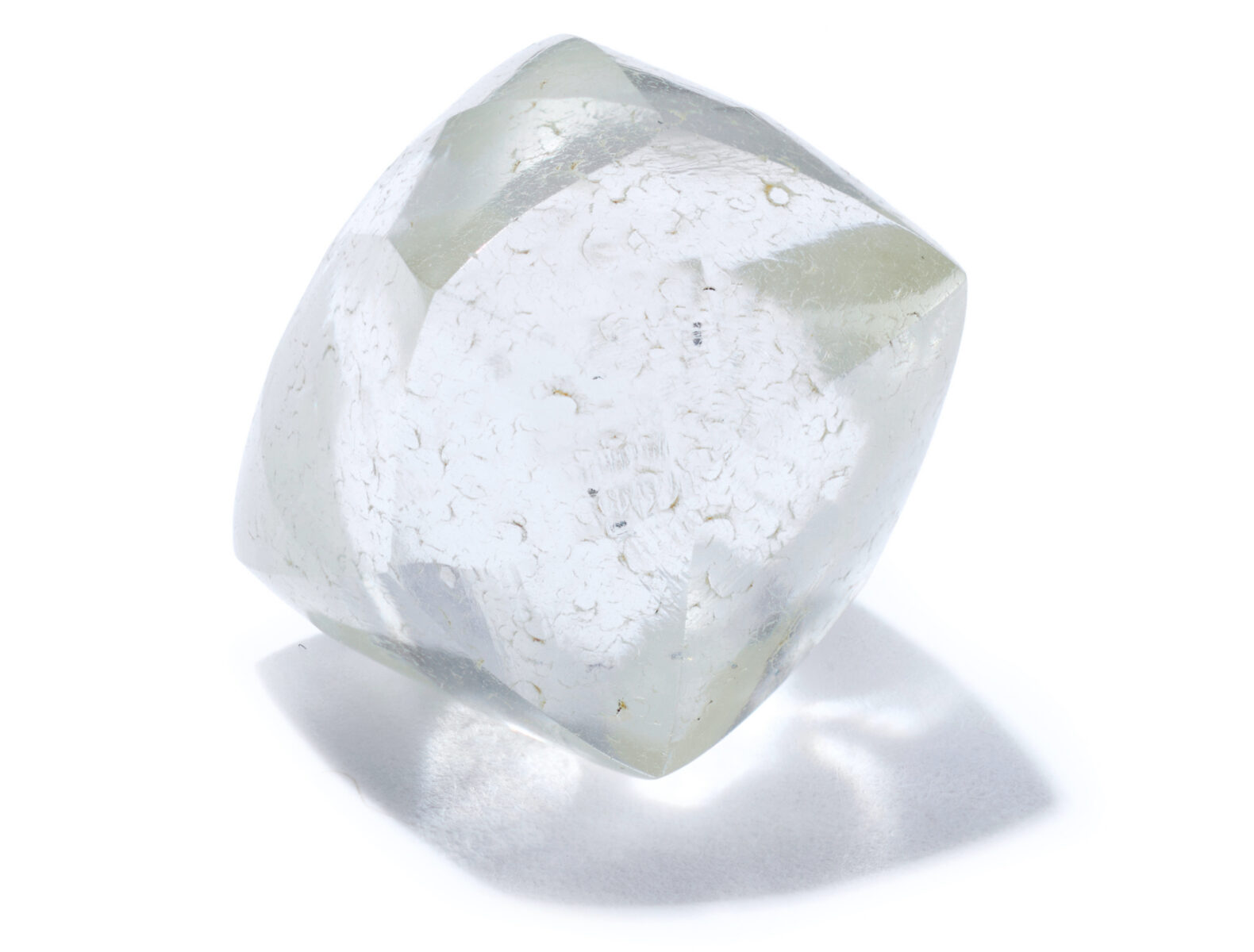
Arkansas remains a hotspot for finding diamonds—and the only place in the country amateur prospectors can come and keep what they find: Crater of Diamonds State Park in Murfreesboro. “The Arkansas Diamond is a centerpiece in the show, alongside two notable diamonds found at Crater of Diamonds State Park,” Padgett says.
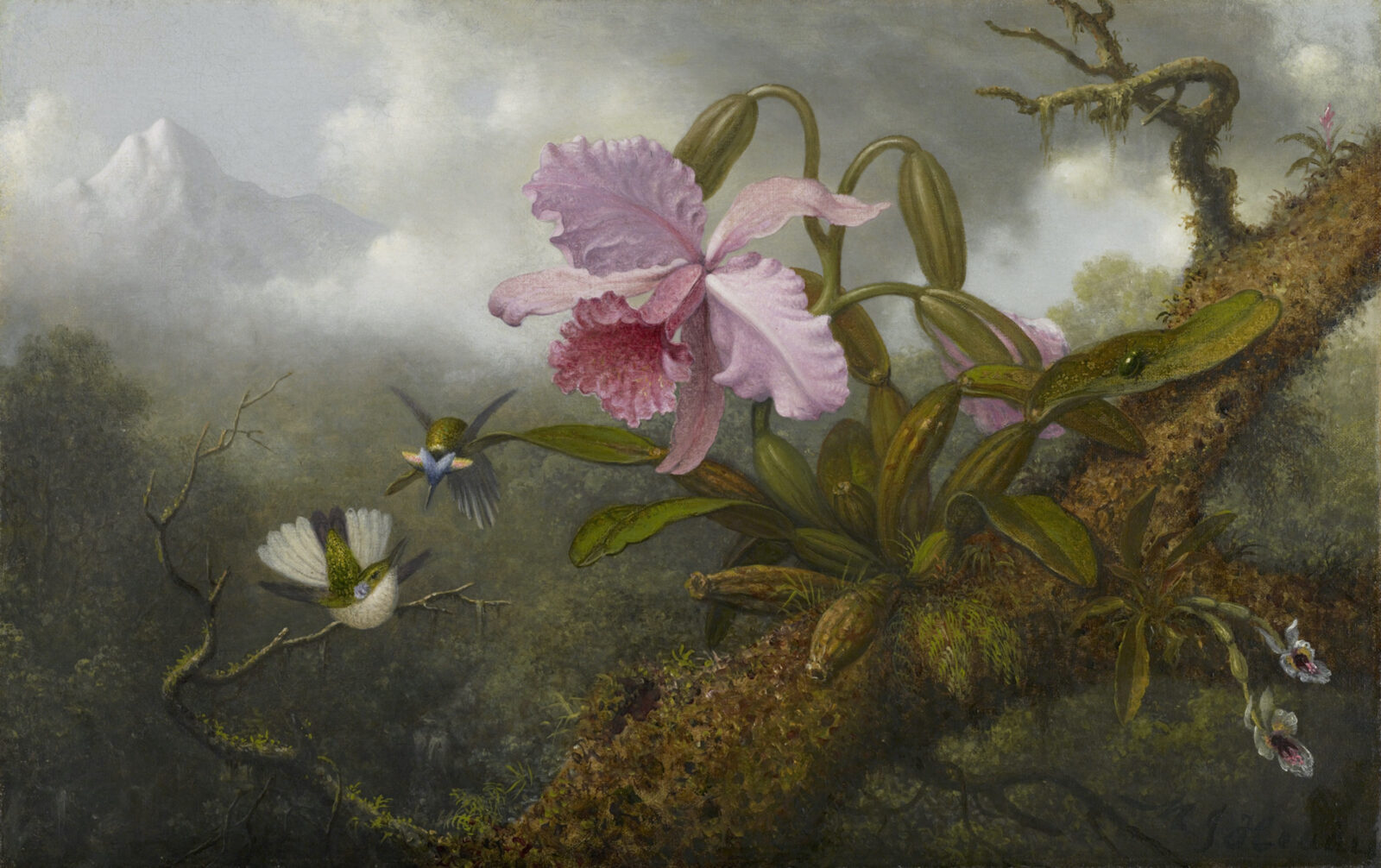
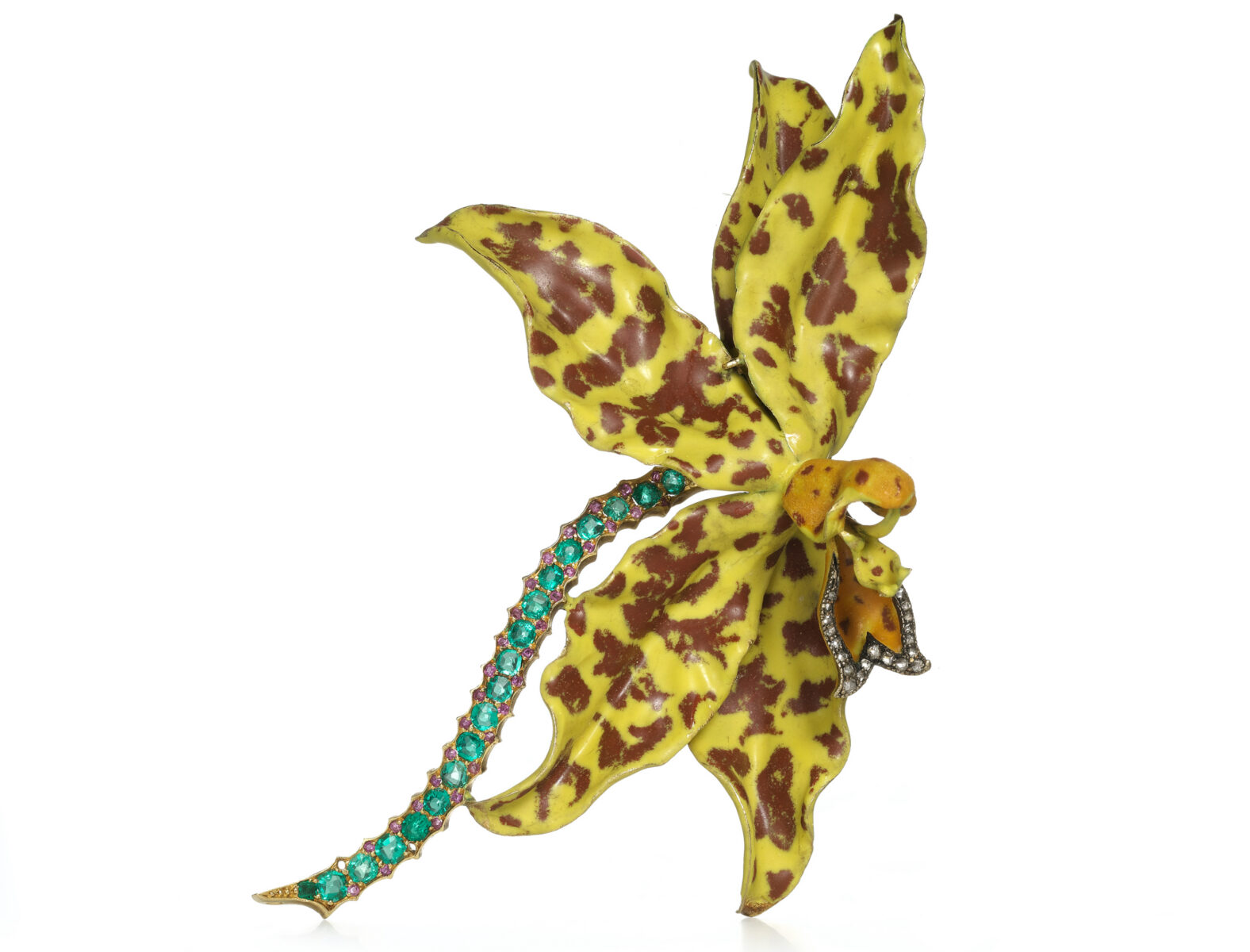
George Paulding Farnham designed this tiger orchid brooch for Tiffany & Co. in the late 1800s using sterling silver, diamonds, emeralds, pink sapphires, and enamel. Martin Johnson Heade painted Cattleya Orchid, Two Hummingbirds and a Beetle around the same time.
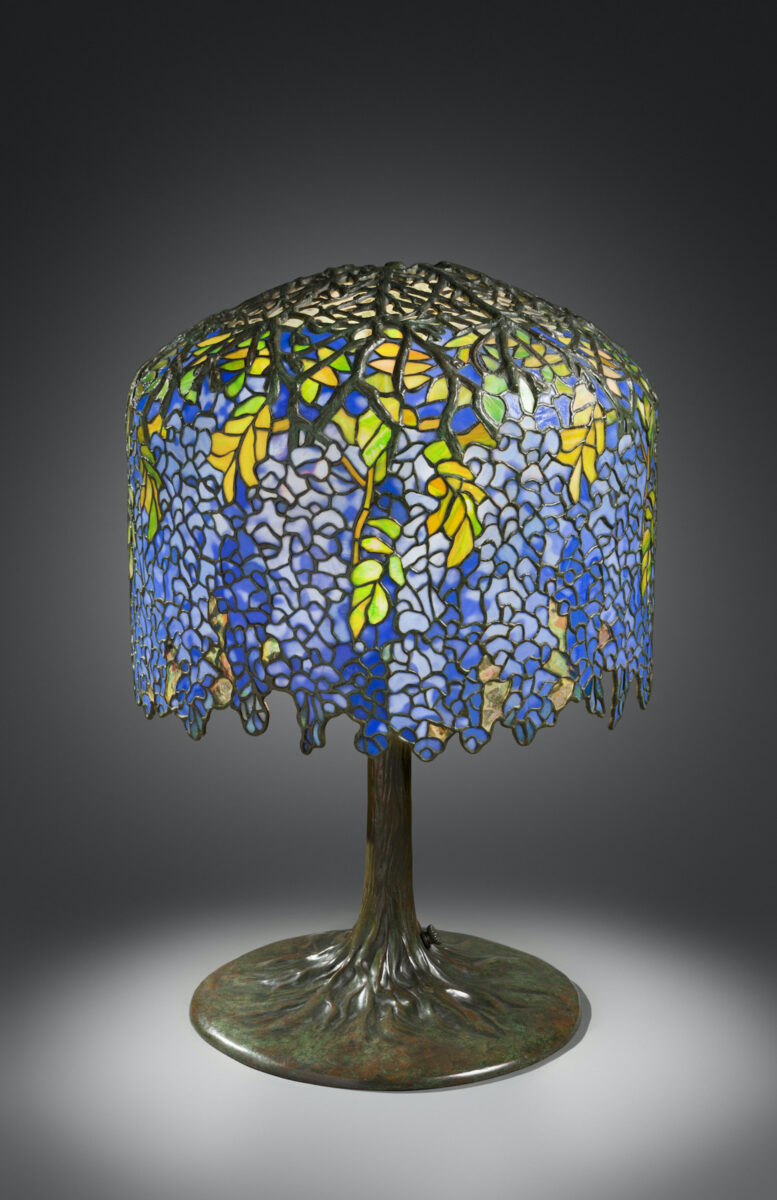
While leading the “Tiffany Girls” glass-cutting department at Tiffany Studios, Clara Driscoll designed the famous Wisteria Table Lamp (circa 1905–1906), an example of the Art Nouveau style. It’s displayed alongside an exploration of light in painting form—the 1867 work Sunset on a River by George Inness.
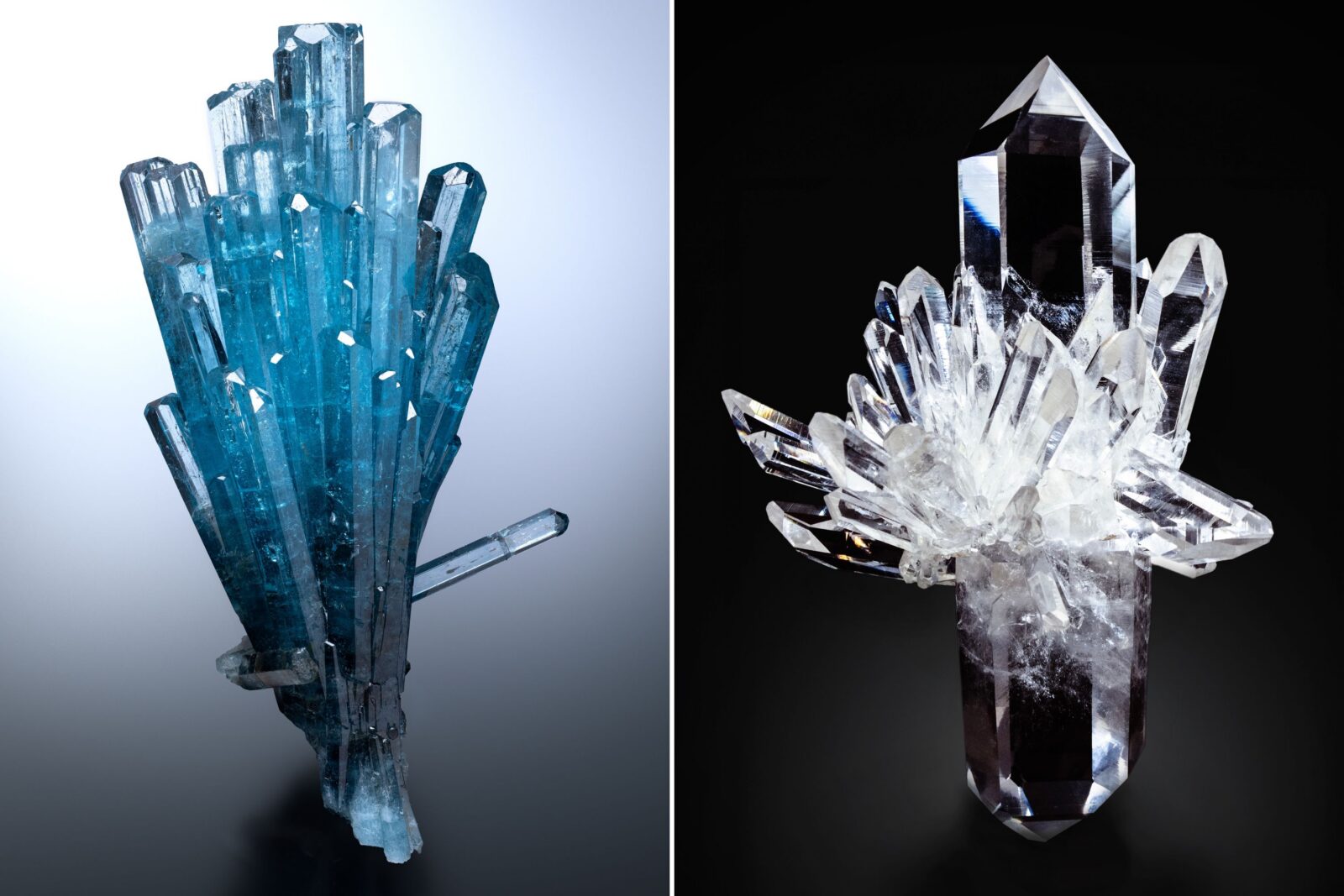
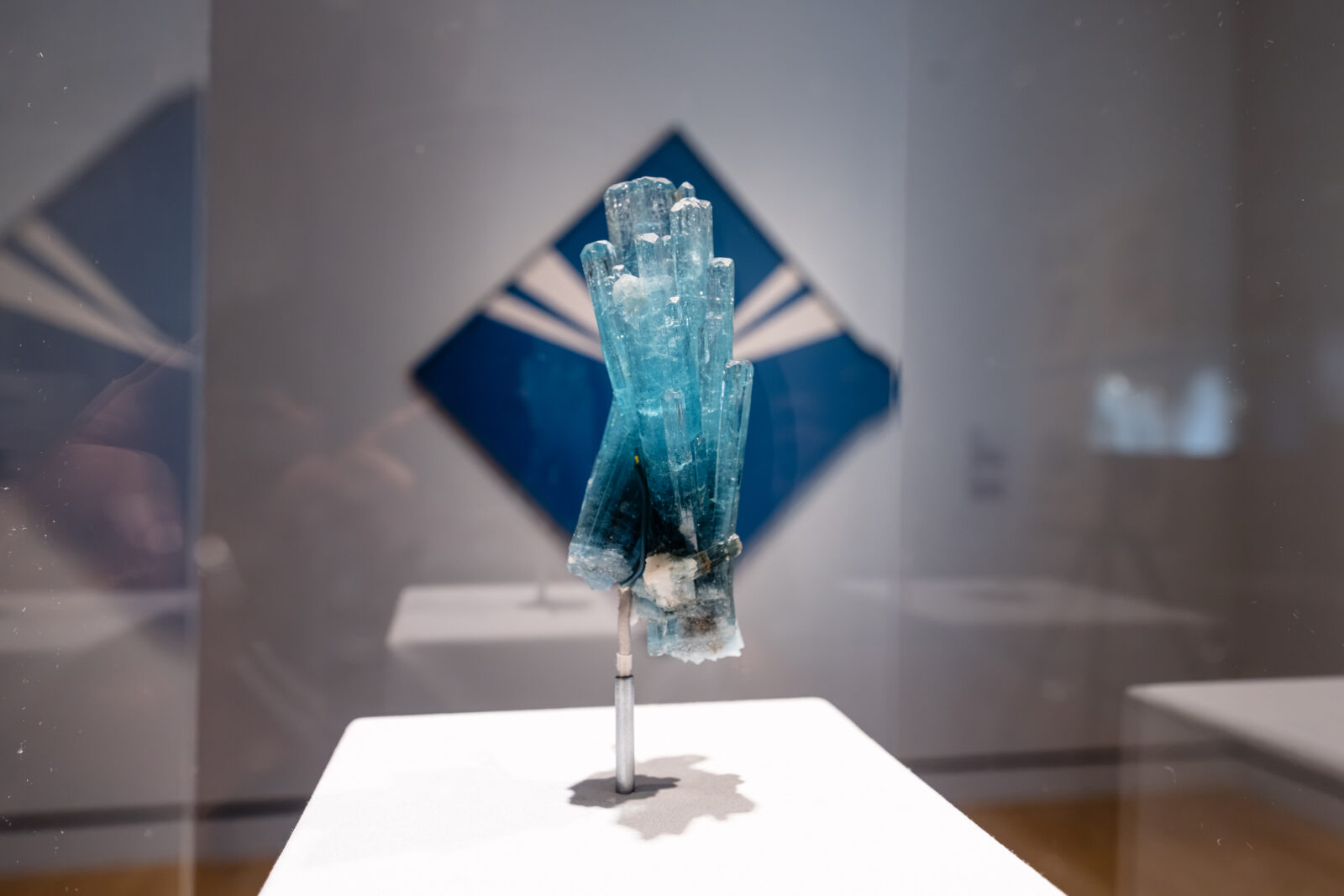
Two exquisite minerals in the Crystal Bridges collection: on the left, beryl, which takes its color from iron, and on the right, a nearly four-inch-tall quartz crystal.

The above minerals and other diamonds are displayed in conversation with Carmen Herrera’s abstract 1965 work, Cerulean, which transforms a familiar square into a diamond through cuts in space.
Lindsey Liles joined Garden & Gun in 2020 after completing a master’s in literature in Scotland and a Fulbright grant in Brazil. The Arkansas native is G&G’s digital reporter, covering all aspects of the South, and she especially enjoys putting her biology background to use by writing about wildlife and conservation. She lives on Johns Island, South Carolina.