

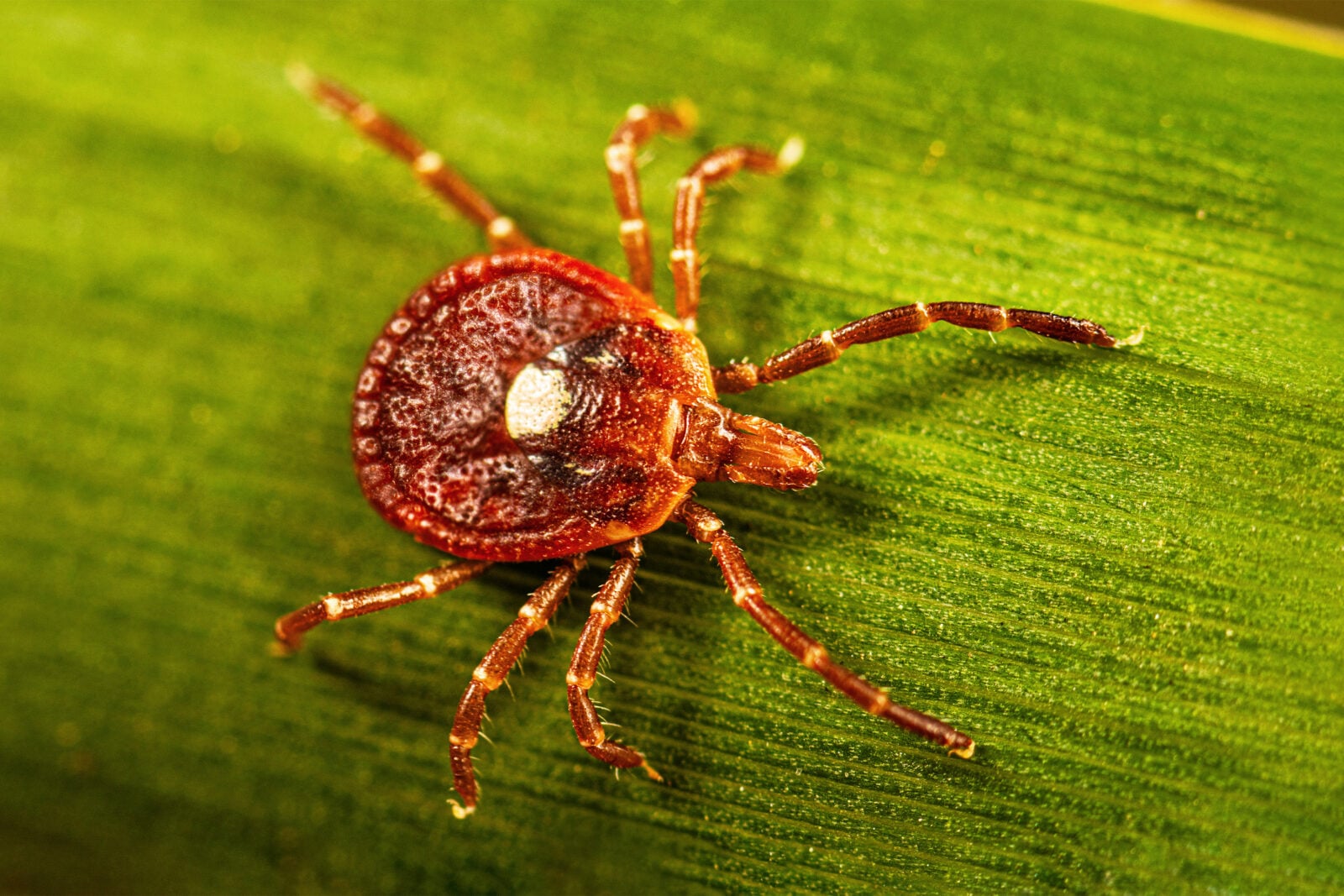
If Ellie Riley eats red meat, several hours later cramps set in. For her partner, Mark Pinnow, it’s worse; if he even inhales the fumes from someone cooking meat, his face and neck turn red, his throat starts to feel so tight he gags, and terrible stomach cramps begin almost instantly. Both of them have alpha-gal syndrome (AGS), an incurable allergy to red meat and mammal-derived products that can result when the carbohydrate alpha-gal is ferried through the mouthparts of a tick into a human’s blood.

You’ve likely seen AGS in the news lately, because cases are on the rise. During an eight-year period starting in 2010, some thirty-four thousand suspected cases of AGS were identified in the United States. But 2017 to 2022 brought over ninety thousand cases—with the number of new suspected cases growing by approximately fifteen thousand each year during that time. Today, the CDC estimates that somewhere around a half a million Americans are living with AGS, some of them experiencing a mild allergic reaction when they eat mammalian products, while others experience anaphylaxis. “It’s one of the most challenging food allergies that we see,” says Phillip Link, an allergist at Mayo Clinic. “There is so much unknown, and there aren’t great options for treatment.”
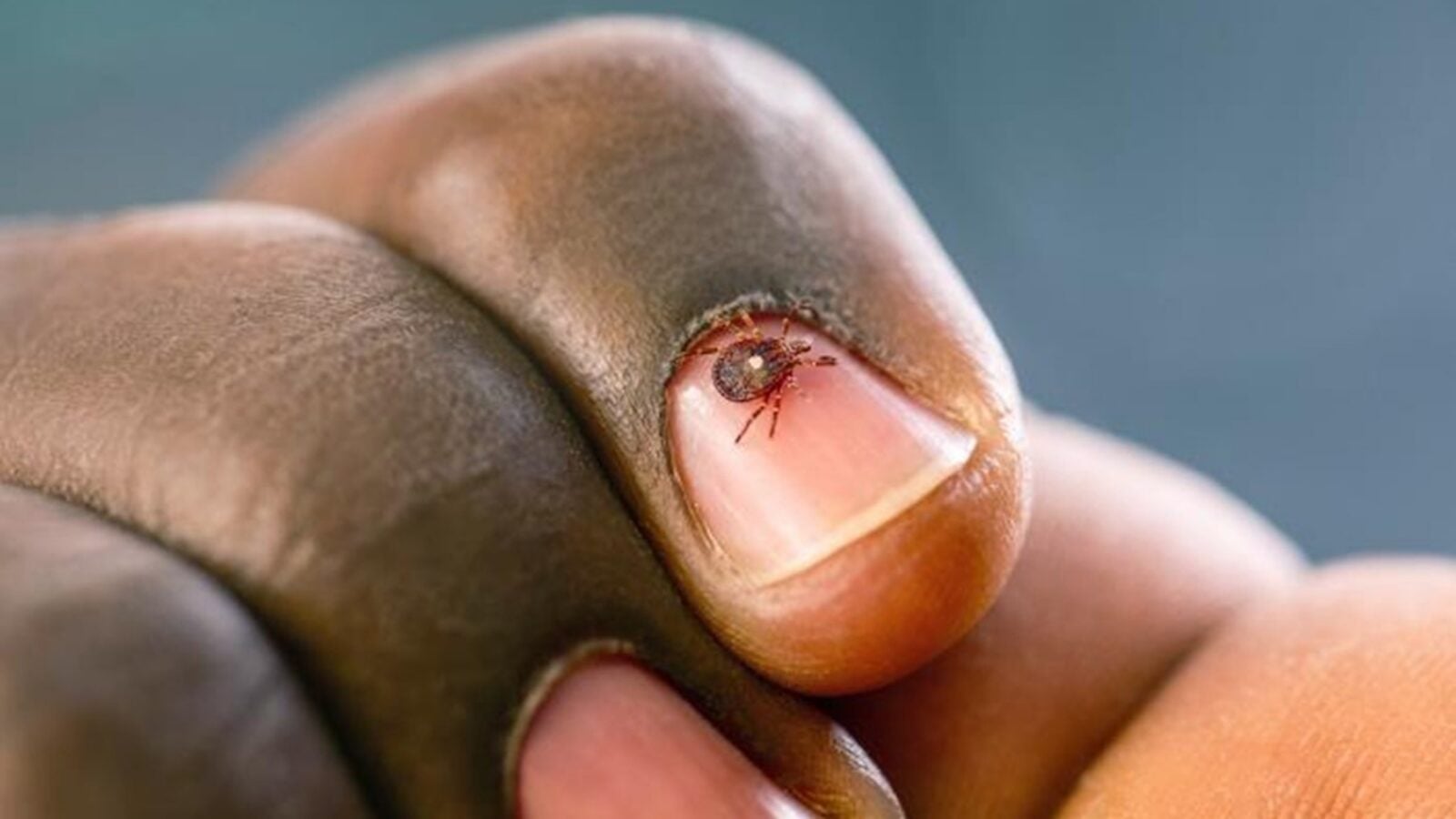
Various factors have aided AGS’s surge. The allergy is most strongly associated with one species of tick, the lone star tick, which is becoming more prevalent across the Southeast and beyond, as white-tailed deer, an important host, are thriving. Changes in land use and the encroachment of human development have also created more opportunities for people to encounter ticks. At the same time, doctors are becoming more aware of AGS and testing for it more often, resulting in higher numbers of reported cases.
But a tick bite does not automatically lead to an allergy, and researchers still don’t know why some people become sensitized while others do not. “Everyone’s immune system is different,” says Parastoo Azadi, a University of Georgia scientist studying the molecular biology of the alpha-gal molecule and the ticks who carry it. “And we are still trying to understand why people respond the way they do.” Though biologists and doctors still have a lot to learn about AGS, here is what the public should know for now.
There’s no other food allergy quite like it.
Food allergies—such as those involving peanuts or dairy—almost always occur when the body classifies a certain protein as a dangerous invader and mounts an immune response. But alpha-gal is a carbohydrate, specifically a sugar. At UGA’s Complex Carbohydrate Research Center, Azadi analyzes tick saliva, aiming to uncover the exact molecular structure of alpha-gal and the ticks that carry it.
Awareness is important.
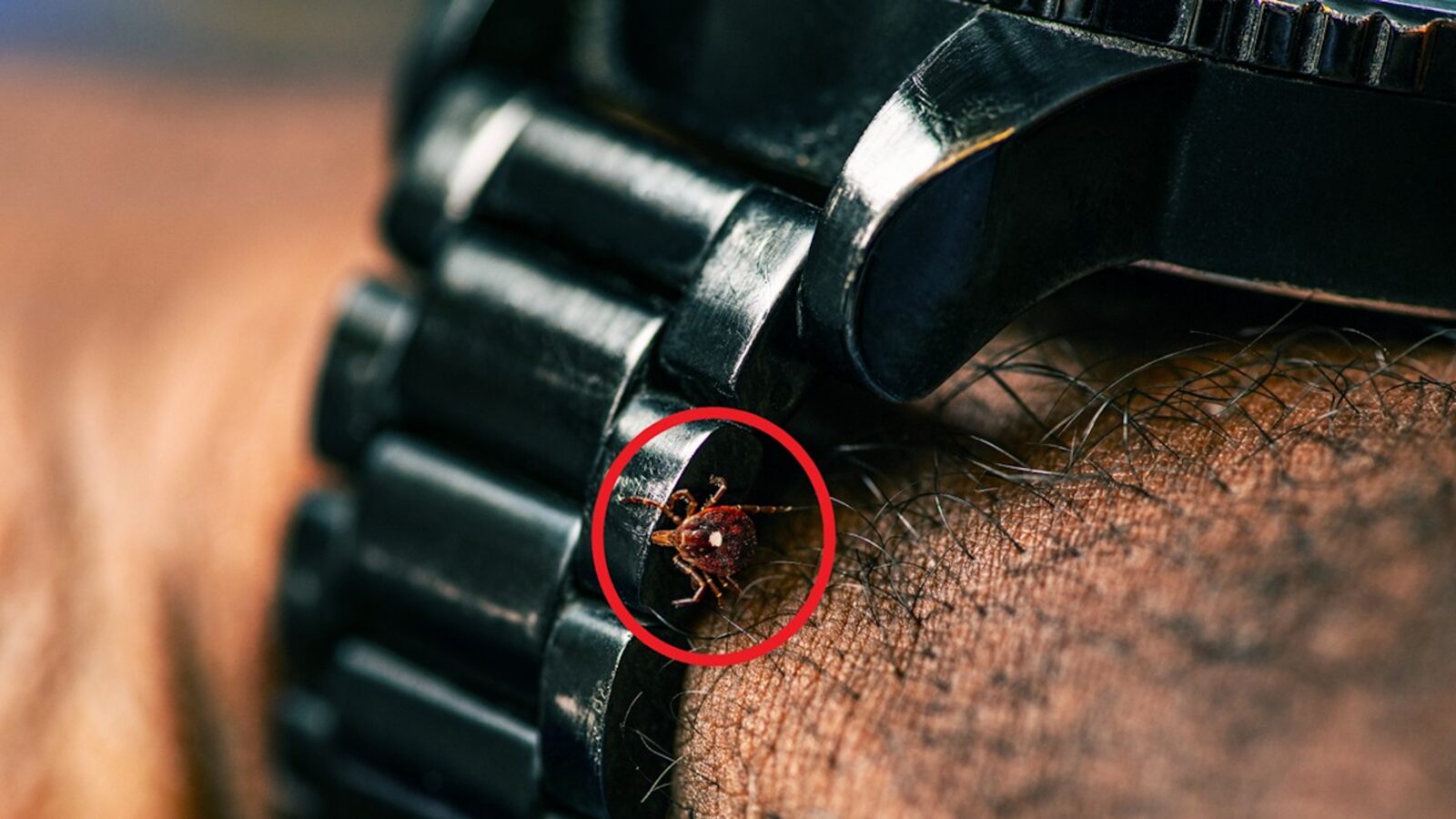
“There are so many people here in central Virginia who are getting diagnosed with it,” Riley says. She contracted it in 2023, and Pinnow was bitten by the lone star tick a year later while on a camping trip—and then bitten again a few months after that. “The word is spreading, but there are still a lot of people who don’t know about it,” Riley adds. “Ask for a full tick panel [a group of blood tests that check for tick-borne diseases] every year with your physical.” And take the usual precautions seriously when going outdoors: Use repellent, seal gaps in clothing, check for ticks after spending time outdoors, and remove attached ticks promptly.
Symptoms vary, as does reaction time.
“The symptoms of alpha-gal are consistently inconsistent,” Link says. Common ones are gastrointestinal: abdominal pain, nausea, vomiting, diarrhea, or sometimes, severe heartburn. “But people can also have rashes, red or itchy spots, swelling of the lips or tongue, and other skin symptoms.” At the extreme end of the reaction spectrum is anaphylaxis; last year, a forty-seven-year-old airline pilot died after eating a hamburger. But because people can experience delayed reactions, the patterns of AGS can be difficult for both patients and doctors to recognize.
For now, there’s no cure.
“Unfortunately, avoidance is the only thing we have right now,” Link says, “and the hope that the allergy might fade over time in some cases.” To diagnose AGS, he conducts blood tests for alpha-gal-specific antibodies while also taking a detailed history of how a patient’s reactions correlate to consumption of red meat. Once the diagnosis is confirmed, Link helps them figure out what they need to avoid. “When someone comes to you, you just want to help them understand what it is, how their symptoms present, and what they need to do,” he says. Sometimes, allergists put patients through an oral challenge—in which patients eat graded amounts of pork sausage—to confirm a diagnosis or evaluate if they have gained any tolerance.
A second tick bite can be extremely serious.
“The number-one thing a person with AGS needs to do is avoid future tick bites,” Link says. Another tick bite can increase the alpha-gal IgE antibody, which can make future reactions more severe. That is what happened to Pinnow; after his initial bite, he had to avoid red meat but still could eat some dairy. After the second, he became fume reactive. “He was in the hospital four or five times in that first couple months,” Riley says. “It has been a huge lifestyle change; it’s pretty much killed our social lives.” Now, the couple avoids restaurants or anywhere meat might be cooking—even a cup of hot coffee with dairy creamer can give Pinnow a reaction. Currently, they are in the early stages of training a service dog who will be able to enter spaces ahead of Pinnow and determine whether it’s safe for him.
Researchers still have a lot to learn.
Compared to other diseases, AGS, which was only discovered about twenty years ago, has not been studied for long. “We are still at the very infancy of the research,” says Azadi, who two years ago helped organize a conference at UGA around it. Now, she serves on a newly formed alpha-gal chapter of the Food Allergy Research & Education group, a national nonprofit dedicated to supporting people with food allergies, and will attend their conference on alpha-gal this fall in Washington, D.C. The public—and those already affected—are understandably eager for preventive methods or a cure, but “first, we have to understand the biology,” Azadi says. But she feels there is reason for optimism, simply because interest and funding are growing as awareness increases. “There is hope,” she says. “The more that people are aware of it, and the more people that have it—all that results in a push for more research.”
Lindsey Liles joined Garden & Gun in 2020 after completing a master’s in literature in Scotland and a Fulbright grant in Brazil. The Arkansas native is G&G’s digital reporter, covering all aspects of the South, and she especially enjoys putting her biology background to use by writing about wildlife and conservation. She lives on Johns Island, South Carolina.