
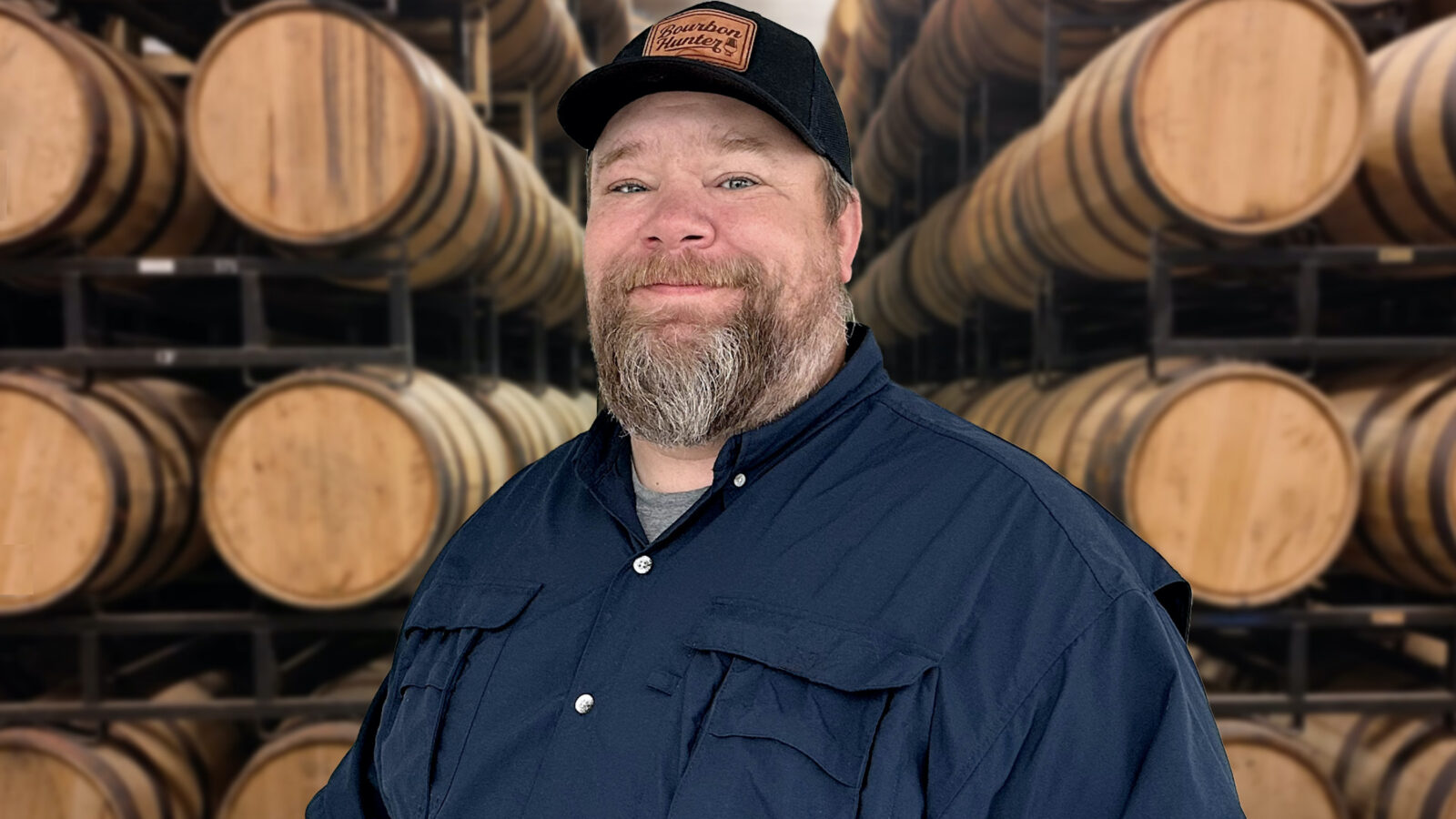
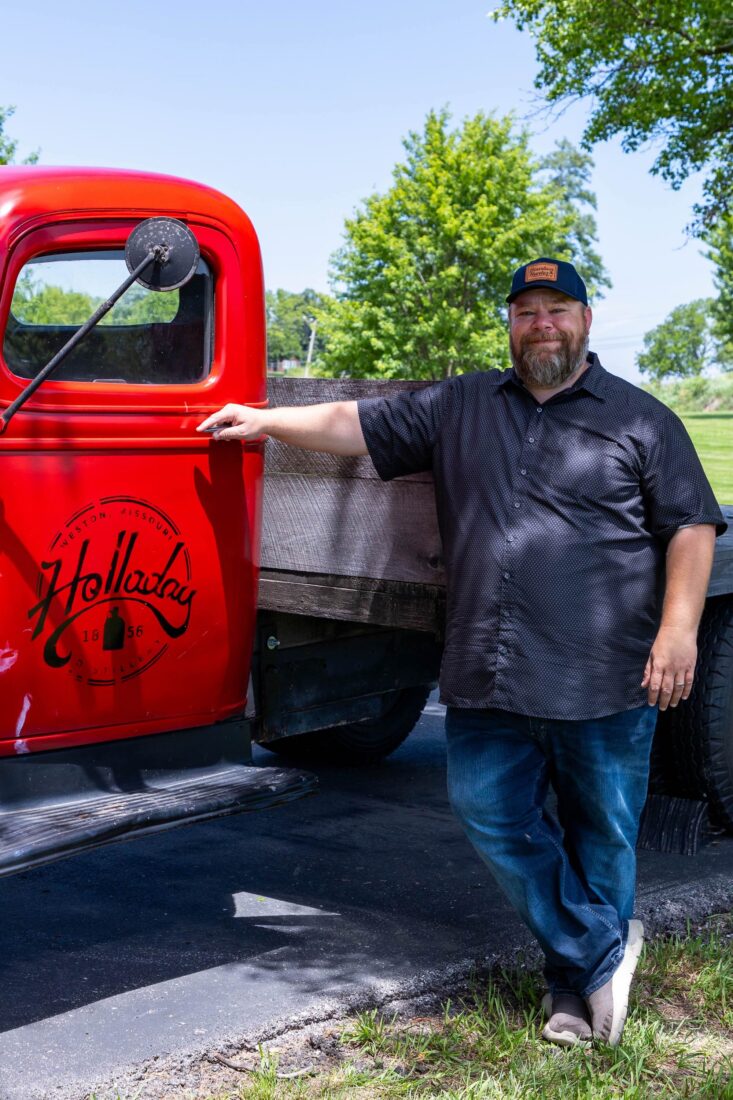
The day I connect with TJ Gamble, a.k.a. Brewzle, he’s motoring between far-flung liquor stores in West Virginia, the only state in the lower forty-eight where he hadn’t yet documented his bourbon hunting travels. Those videos, in which he interacts with store staffers and fellow bourbon fans while discovering what rare and locally produced bottles are on shelves, form the core of what has swelled into YouTube’s top bourbon channel. With a whopping 852,000 subscribers, Gamble has expanded on his Brewzle fame with an annual festival in his hometown of Opelika, Alabama, promotional deals with craft distillers, and a plan to open his own Oak Bowery distillery. And yes, the future will find him hunting bourbon in Alaska and Hawaii.
What was your pre-Brewzle bourbon journey?
My wife, Jill, and I had our son really young, and I put myself through college, so outside of some New Year’s Eve parties, we didn’t have the money to drink until well into our thirties. What got us on that train was good old Jack Daniel’s Old No. 7. Then in my forties, I started trying different bourbons on livestreams, and in Alabama, rare bourbon is hard to get—if you want it, you have to hunt it. I was hanging with four or five guys outside liquor stores on truck delivery days, and it was a lot of fun having a bottle share in the parking lot. I ended up with an appreciation for all things bourbon, especially the effort it takes to get it and the social aspect it brings when done healthily.
How did appreciation morph into the social-media behemoth that is Brewzle?
I started posting bourbon content on TikTok, and when the pandemic hit, it grew pretty quickly to 50,000 followers. But TikTok doesn’t love alcohol enthusiast content, so after a break to work on my house, I started creating content again on YouTube. We ran into a lot of negativity at first from folks who think there’s a certain way you’re supposed to get whiskey and drink whiskey. So we did stuff to troll the establishment, like standing in line for two days for a bottle of Weller, then I poured it into my lawnmower. There’s a big community out there that feels more the way we do that you should find and drink whiskey how you want to, so we shifted the focus to be a catalyst to building a positive community. That’s the goal with these hunts.
What’s the secret sauce of why bourbon fans are so drawn to Brewzle videos?
I’m showing what it’s actually like out there to hunt special bottles. Viewers can relate to putting in the work. I love to find allocated bottles as much as the next guy, but there are great whiskeys by smaller producers in every state and almost every store. A lot of our audience, they just like the thrill of the hunts and the interactions we have with people. That’s the big difference—it’s about the people we run into.
When was the first time someone recognized you while you were filming a hunt?
It took a little while. On those early hunts, we’d run into people in a store and ask if they wanted to come along, and they just figured I was going to murder them. The first time that really stands out was in a little bitty store in the Indiana countryside, when a guy came around the corner and just lost his mind. He invited us back to his house, and we ended up drinking his whiskey. Now it happens a lot. I was just pumping gas at a Love’s truck stop and somebody recognized me.
Any pro tips for hunters?
There are a few things that increase your odds. First, be nice to people. Try to understand how a store operates. A lot of them don’t like the bourbon flippers who are just going to sell an allocated bottle on Facebook. They want to sell to drinkers. And don’t go into a store just looking. Be willing to spend a little money. Most of the time when I get an allocated bottle from the back, it’s because I bought a few barrel-pick bottles from the front. Talk to folks and have a good time.
Speaking of a good time, what’s planned for your third Brewzle whiskey festival in Opelika?
It’s happening in August this year, which isn’t the first choice in Alabama, but Auburn has three home games this September, and the other weekend Alabama plays Georgia. So there’s a strong chance we’re moving the festival indoors. Last year we had twenty-five distilleries and 1,400 attendees. We get folks from most states, and last year someone flew back early from their vacation in Italy. This year, I think we can start scaling up to become the largest fest focused on craft whiskey in the country.
What’s the status of your own Oak Bowery distillery?
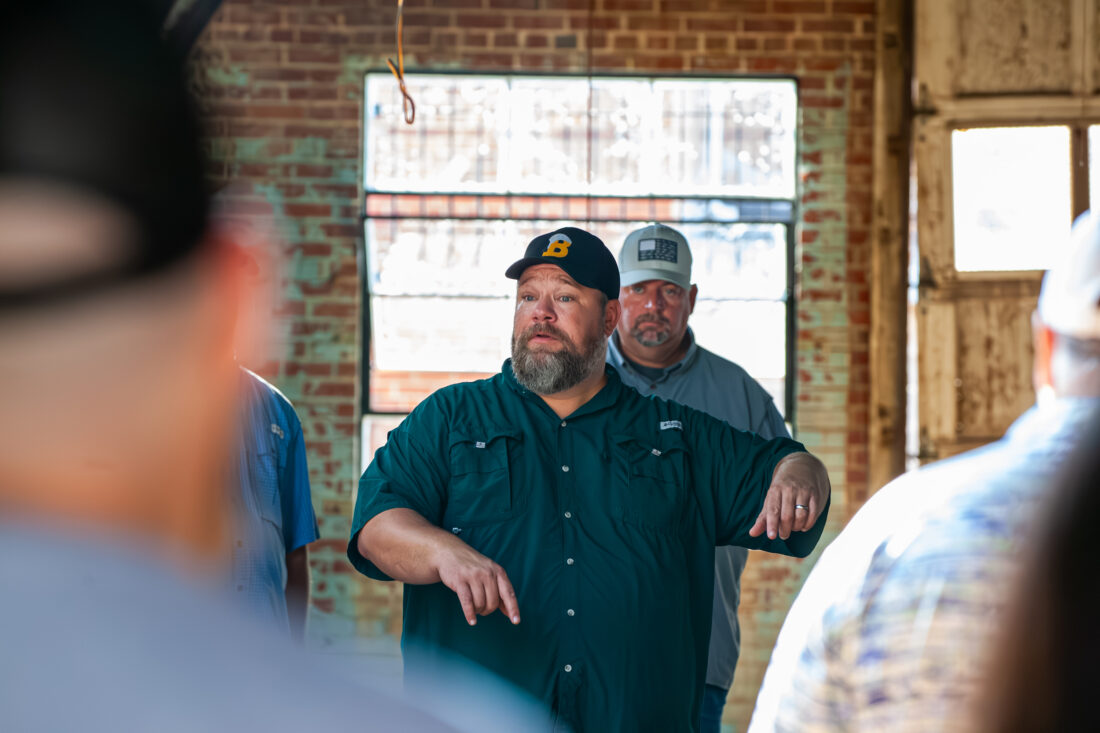
Well, we bought a distillery in Kansas and put all that distilling equipment in storage. We also bought our facility here in Opelika, and it’s turned into more of a campus as I’ve bought all the buildings around it. Our anticipation is that Oak Bowery will be distilling sometime in 2026, with the tasting room and full experience open probably summer of 2027. Until then, we’re working on our own blends of sourced whiskey to get into the market, because we won’t release any of our own distillate until it’s six years old. We want great whiskey and want to age it slow, and I think bourbon goes from good to great around six years.
What’s your take on distilleries having enough aging bourbon that now some allocated bottles are becoming more available?
I think it’s great when we can take a little bit of the shine off the desirability of some of these bottles. It’s funny to see, like, E.H. Taylor Small Batch now on shelves in a lot of places, when there was so much hype not long ago. They make enough of that for everybody who wants to drink it to be able to get it. So the change in the market has been mostly positive from the enthusiast perspective.
Editor’s note: For more on bourbon hunting, the author of this story has his own YouTube channel, Drinking Dusties, devoted to tasting vintage bottles he and a buddy find.
Steve Russell is a Garden & Gun contributing editor who also has written for Men’s Journal, Life, Rolling Stone, and Playboy. Born in Mississippi and raised in Tennessee, he resided in New Orleans and New York City before settling down in Charlottesville, Virginia, because it’s far enough south that biscuits are an expected component of a good breakfast.