

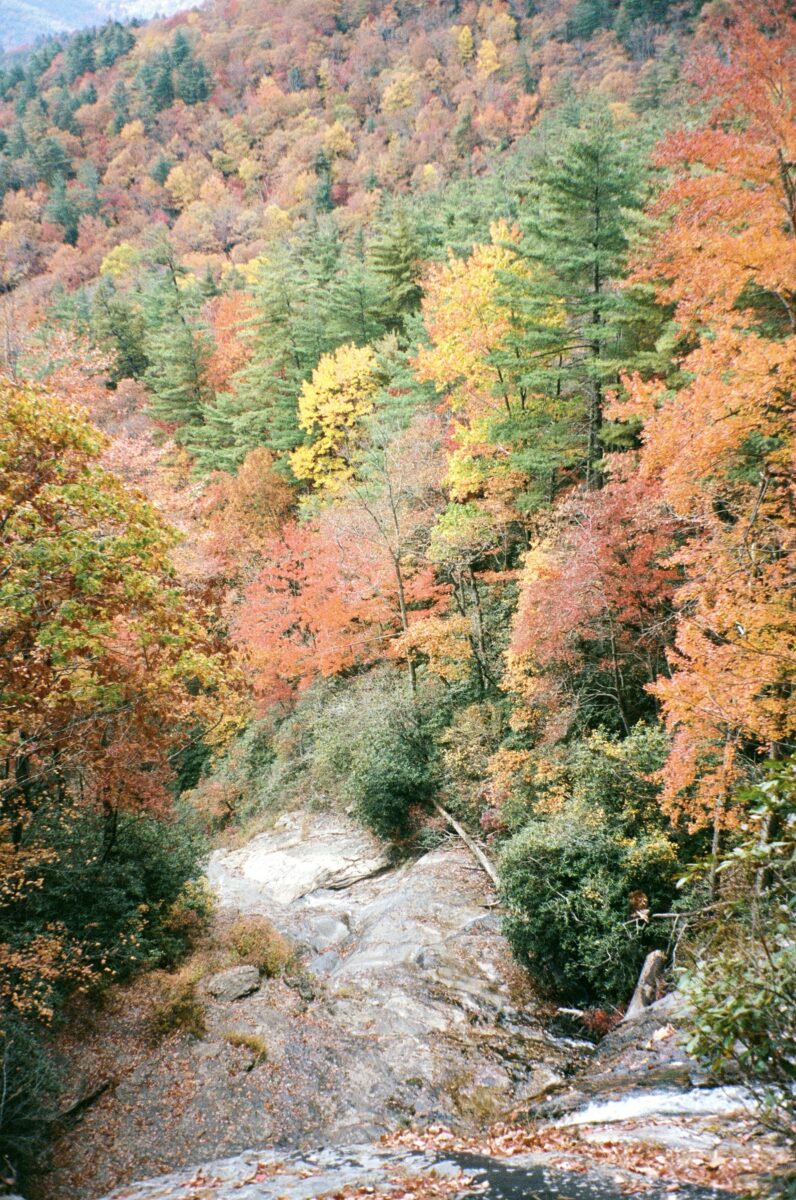
New England may get all the hype for autumnal allure, but the Southern Appalachian Mountains take the cake for longest fall color season in the country. According to Dr. Howard Neufeld, a retired plant biologist and North Carolina’s resident “Fall Color Guy,” the peaks around the Blue Ridge Parkway show off brilliant reds and oranges from late September all the way to the middle of November. And 2026 is on track for another great show.

“The trees are in good shape right now,” says Neufeld, who has been making foliage predictions for twenty years but launched his new website, fallcolorguy.org, in July. Despite the exceptionally dry June in the southeastern United States, July rainfall turned the forecast around. Tulip poplars, known for dropping their leaves early in drought conditions, remain nice and green—a hopeful sign, though the decisive weeks are still upon us.
“What determines the quality is how the temperature changes,” Neufeld explains. “One of the things we’ve always said is that if you have bright, sunny days and cool nights, that brings out the red color. If we get an extended heat wave in October, that’s going to make for a dull and delayed peak.” In other words, Southerners should keep their fingers crossed for a temperature drop in late September.
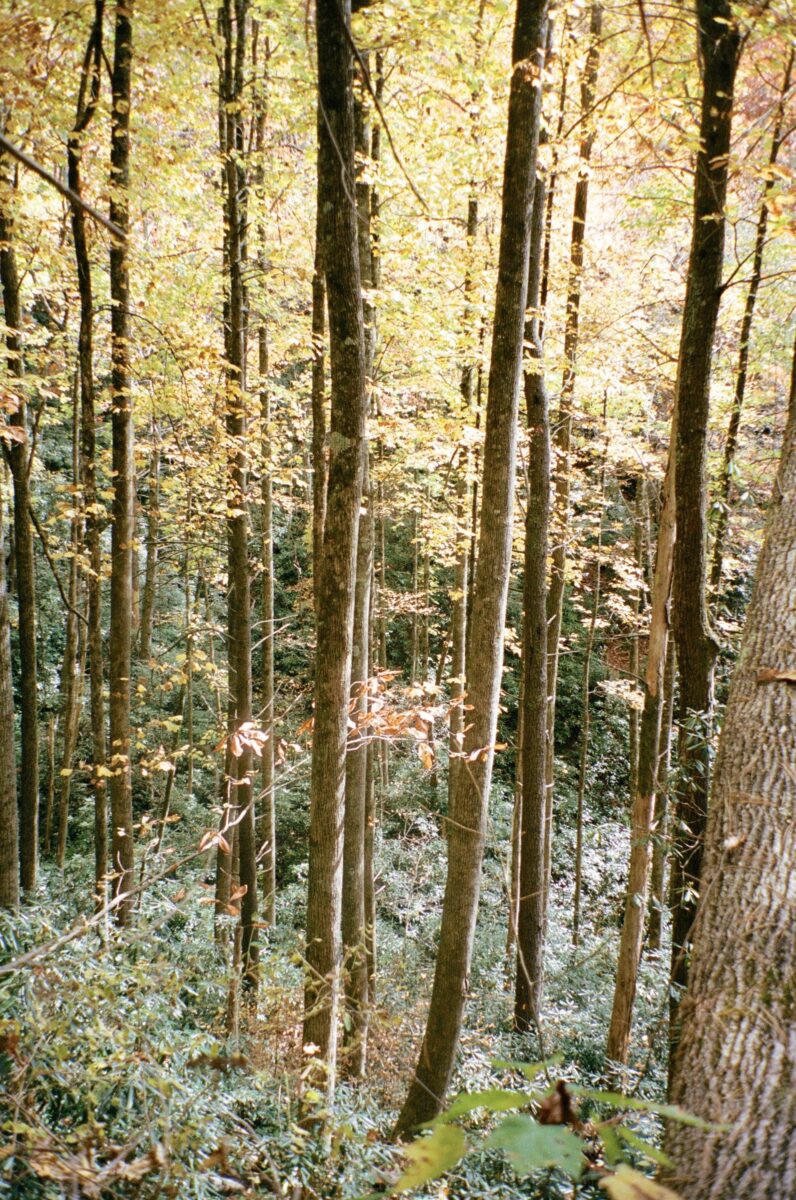
Despite some variations from year to year, the prime leaf peeping window usually occurs from October 10 to October 20 at elevations of 2,500 feet to 4,000 feet. Higher elevations, of course, will see leaves turn earlier than lower elevations. Different trees change at different times, too: Dogwoods are known for showing off their crimson hues early, while oaks are often the last on the landscape to shift. One of Neufeld’s favorite transformations to witness is actually that of a shrub, witch hazel. Thanks to a specific family of moths that adapted to cold temperatures, witch hazel flowers in the fall, and its spindly yellow blooms fit right into the autumnal palette.
The Best Places to Catch Fall Color on the Blue Ridge Parkway
Early on in the season, Neufeld recommends high-elevation spots like Graveyard Fields, Craggy Gardens, Mount Mitchell, and Roan Mountain. Elk Knob State Park, about ten miles north of Boone, features a two-mile hike with a 360-degree lookout where you can see all the way to Virginia.
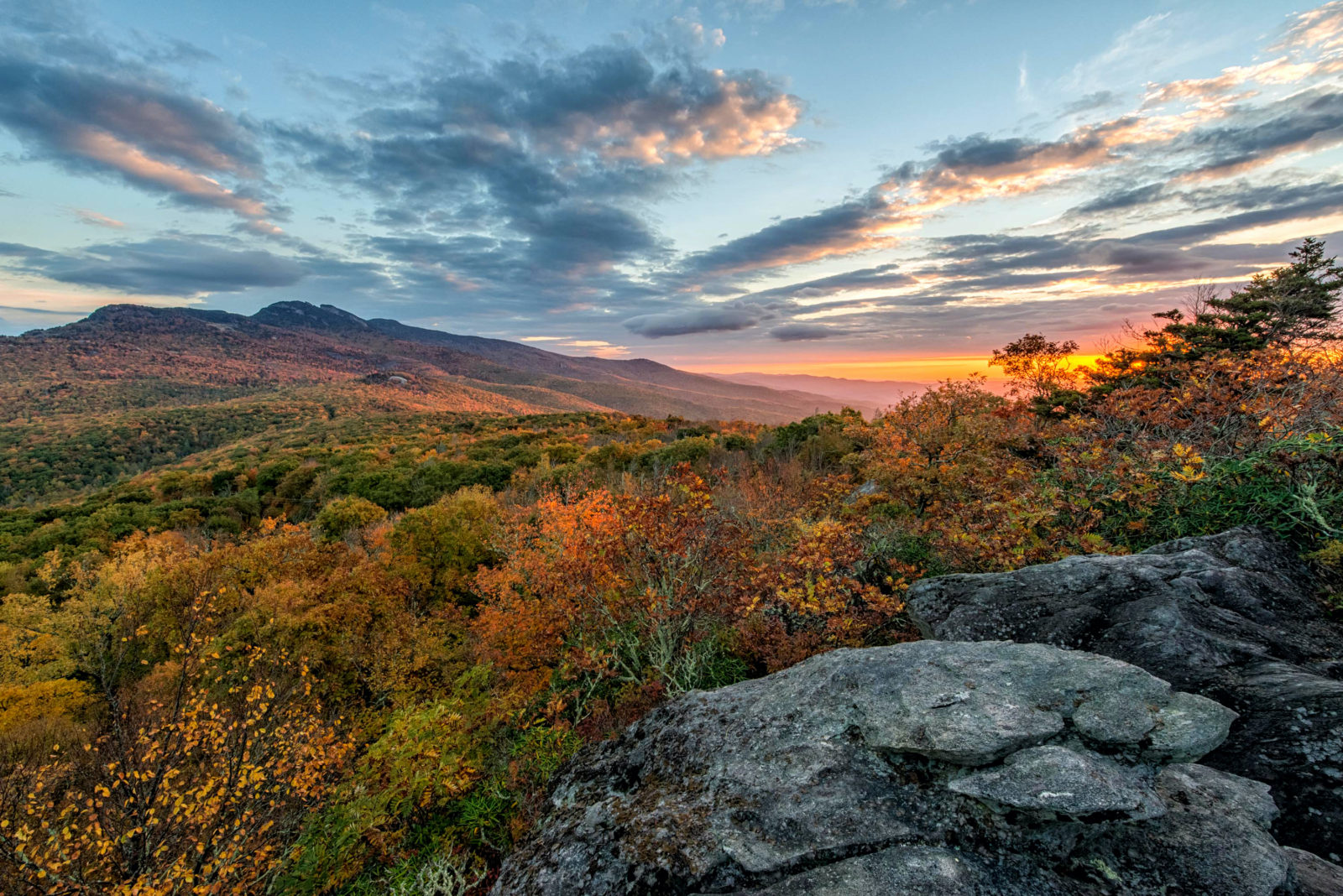
During the month of October, anywhere along the Blue Ridge Parkway will feature a range of vibrant colors, but Doughton Park in Laurel Springs is a standout. Another one of North Carolina’s peak multihued locations, the Linn Cove Viaduct, is closed, but the nearby Rough Ridge Trail is still accessible. A modest 1.5-mile trek that offers great views of fall leaves, it’s one of the most popular hikes along the parkway. (For more information on road closures, see Neufeld’s report.)
Need to save your travel plans for the holidays? Thankfully, the South’s extended leaf peeping window runs until Thanksgiving. North Carolina’s Stone Mountain State Park and Chimney Rock offer good showings in November due to their lower elevations.
There’s no rush to pack your bags and hit the parkway just yet, but keep a sweater on standby for crisp September mornings, which should lead to a long and luxurious fall color season throughout much of the South.
Ellen Corry, a 2026 intern at Garden & Gun, grew up in Athens, Georgia, and graduated from New York University, where she studied theater.