

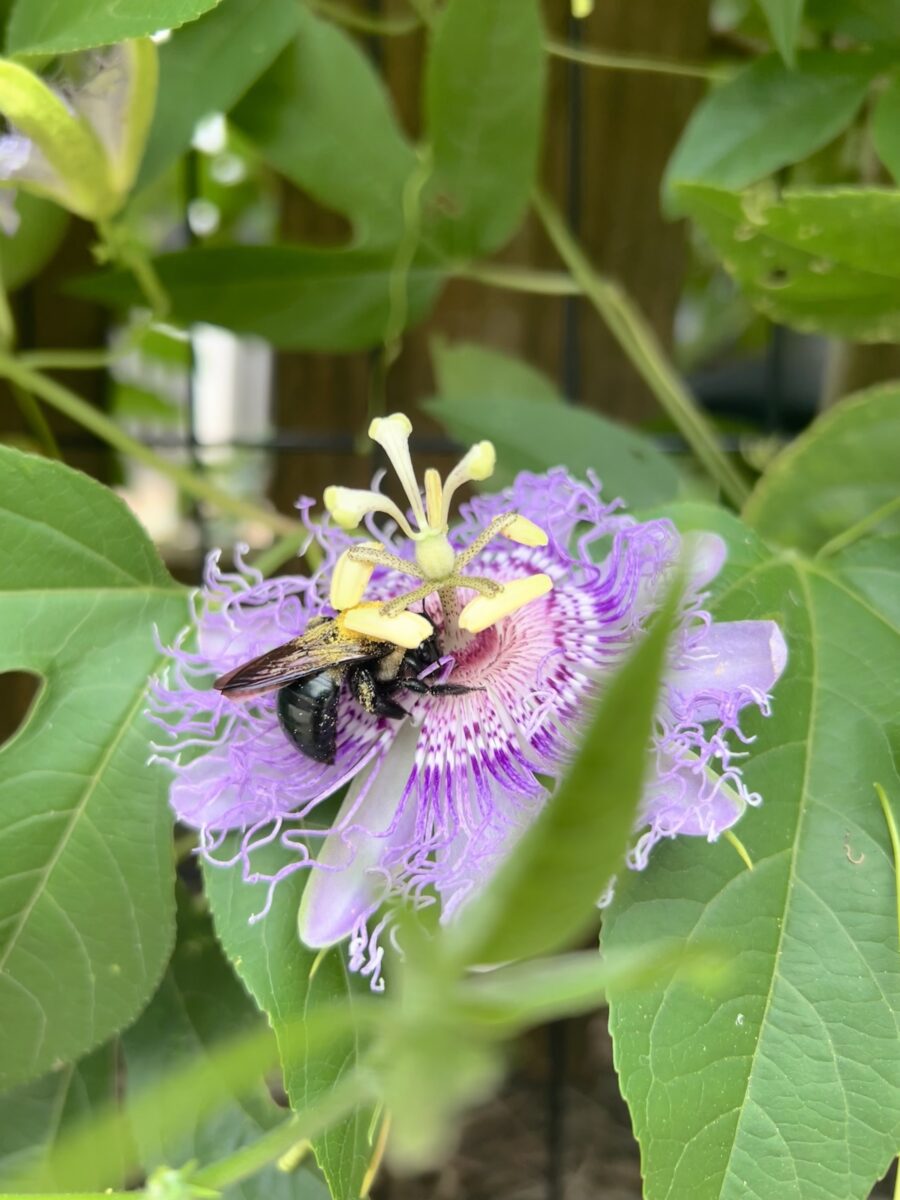
I have to smile when I think of the three baby passionflower seedlings I ordered from a native plant nursery, lovingly patted into a narrow strip of earth between the driveway and fence at my Atlanta home, and dutifully watered all spring. It’s working! I thought as the vines steadily climbed the trellis and that first psychedelic-looking blossom burst open.
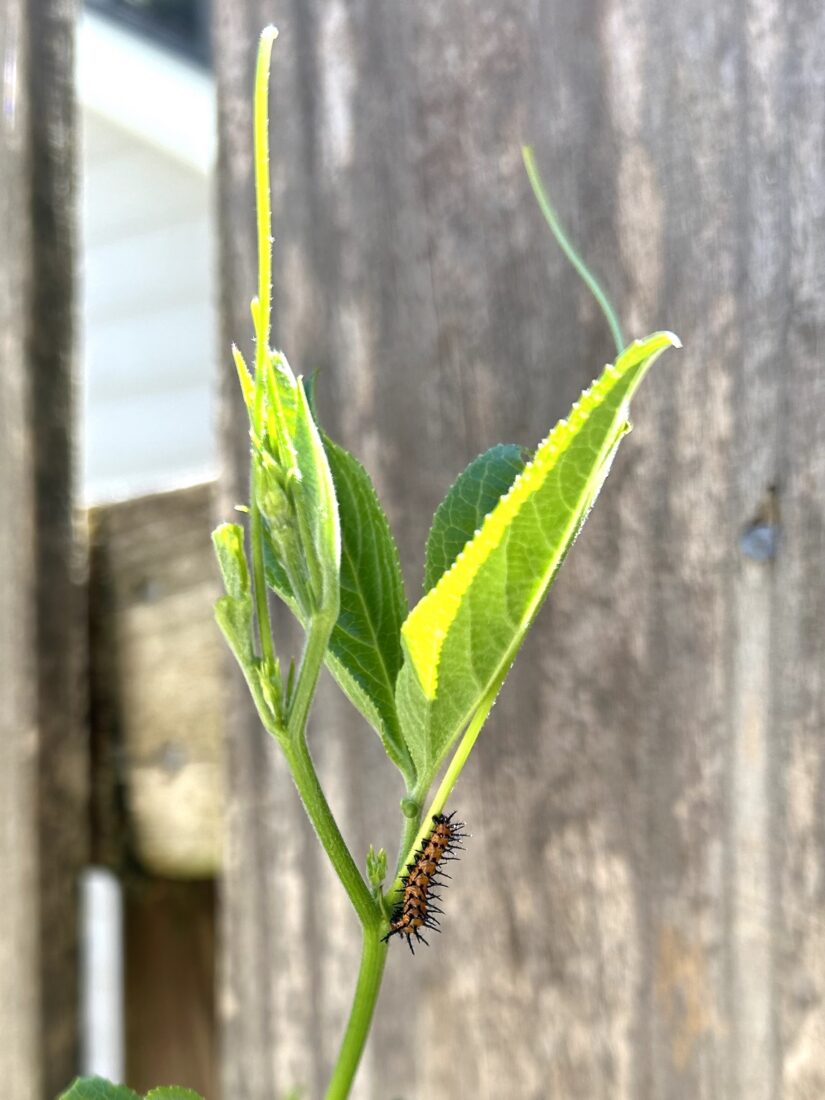
Then one day I noticed a lone caterpillar, spiky and burnt orange, nibbling a leaf. Google told me it was a gulf fritillary, which relies on passionflower as its sole host plant. The next day I spotted three. The next, thirty. I snapped a picture and posted it to Instagram. “Don’t eat my whole plant, little guys!” I wrote.
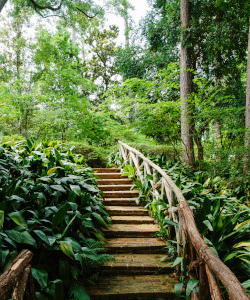
I was young and naive then. Three summers later I can attest that Passiflora incarnata is a vigorous grower that needs essentially zero care to produce an abundant salad and nectar bar for pollinators, plus plenty more lush foliage to decorate a fence or arbor. What it does need is containment, as the vine loves to stretch in the hot Southeastern sun and spreads easily by underground runners.
But if you can find the right home for it, get excited because the caterpillars are coming. My daughter calls it caterpillar season—the point in mid-to-late summer when they materialize by the hundreds on the glossy leaves that cloak our fence, making pruning a challenge. (She’s my appointed caterpillar checker; I’ll snip off a stem and hand it to her, and when she spots one, I gently cut off that leaf and tuck it back into the vine. No ’pillar left behind.)
By late August, the critters begin their migration to the brick walls and eaves around our house, where they hang upside down in papery chrysalises for about a week like little mummified bats. Neighborhood kids have stopped by to ogle the real-life science lesson. (A chrysalis wiggles, we discovered, if you get too close.) One unfortunate fellow set up shop on the hubcap of my car. I cruised around town at least once before discovering him, and though I carefully re-parked to leave the chrysalis pointing downward, it was gone the next day. (Not everyone can make it—another science lesson.)
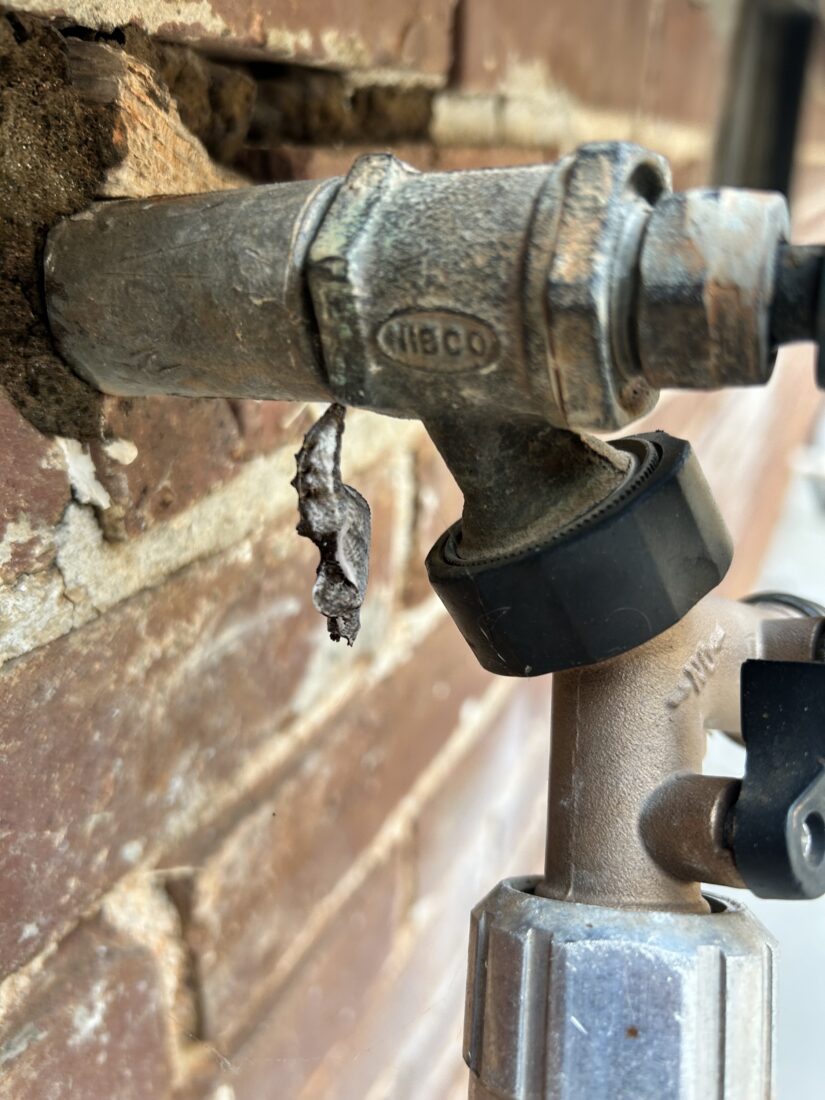
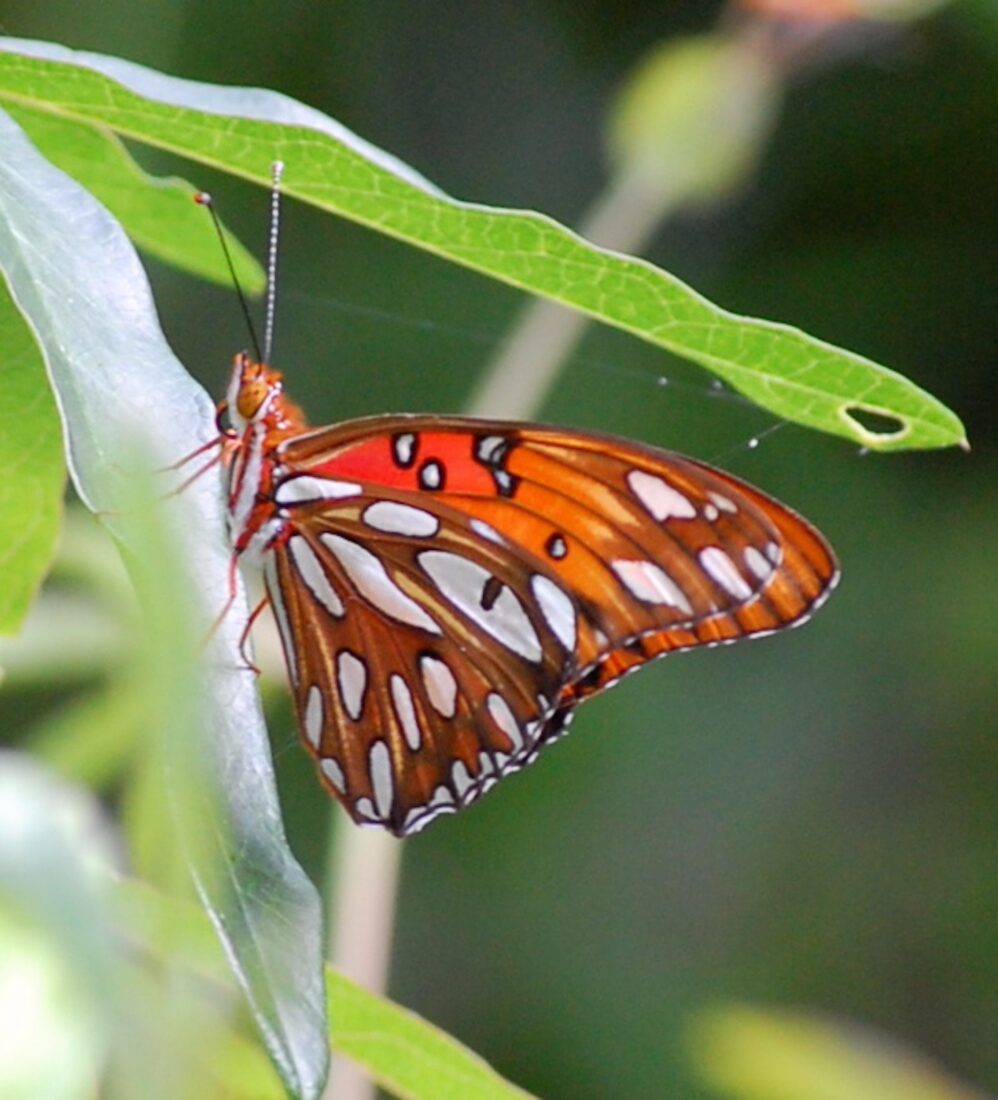
You might imagine that all of this metamorphosizing results in a profusion of butterflies, and you’d be right. Come September, our driveway gate opens to reveal a scene out of a Gabriel García Márquez novel—an air garden of darting, dipping, flame-colored flowers. (I don’t know why the addition of pretty wings suddenly nullifies an insect’s creepy-crawly factor, but it just does. Swirl on, friends.)
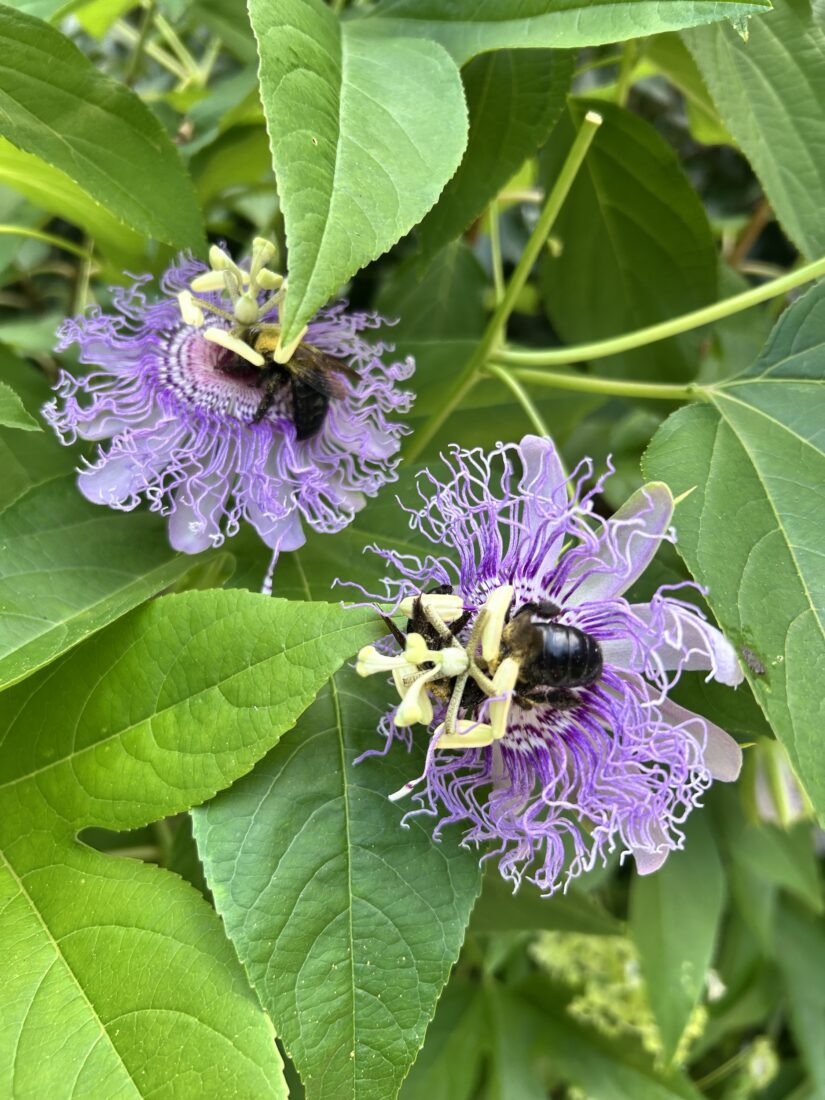
Did I mention the bumblebees? Passionflowers are big purple bullseyes for the fuzzy, popcorn-sized pollinators who pose no threat to people. They wriggle and revel among the silky filaments, sometimes three abreast on one bloom. And when those kaleidoscopic petals begin to close (a passionflower lasts just one day in full glory), the blossom becomes a cozy canopy bed for slumbering bees. To watch the sun wake up a passionflower is to see an ecosystem set abuzz.
Remarkably, the plant can sustain all that wildlife and more while offering a bounty for humans. As the professional forager Tama Matsuoka Wong told me, every part of a passionflower is edible, from the soft leaves and sweet tendrils to the plum-sized fruits known as maypops. “All the chefs I work for love it,” she says. (See a recipe for a refreshing summer beverage below.) Once, during a pruning session, I gnawed on several stems like a panda bear and discovered firsthand the sleepy-making compounds for which passionflower is famous.
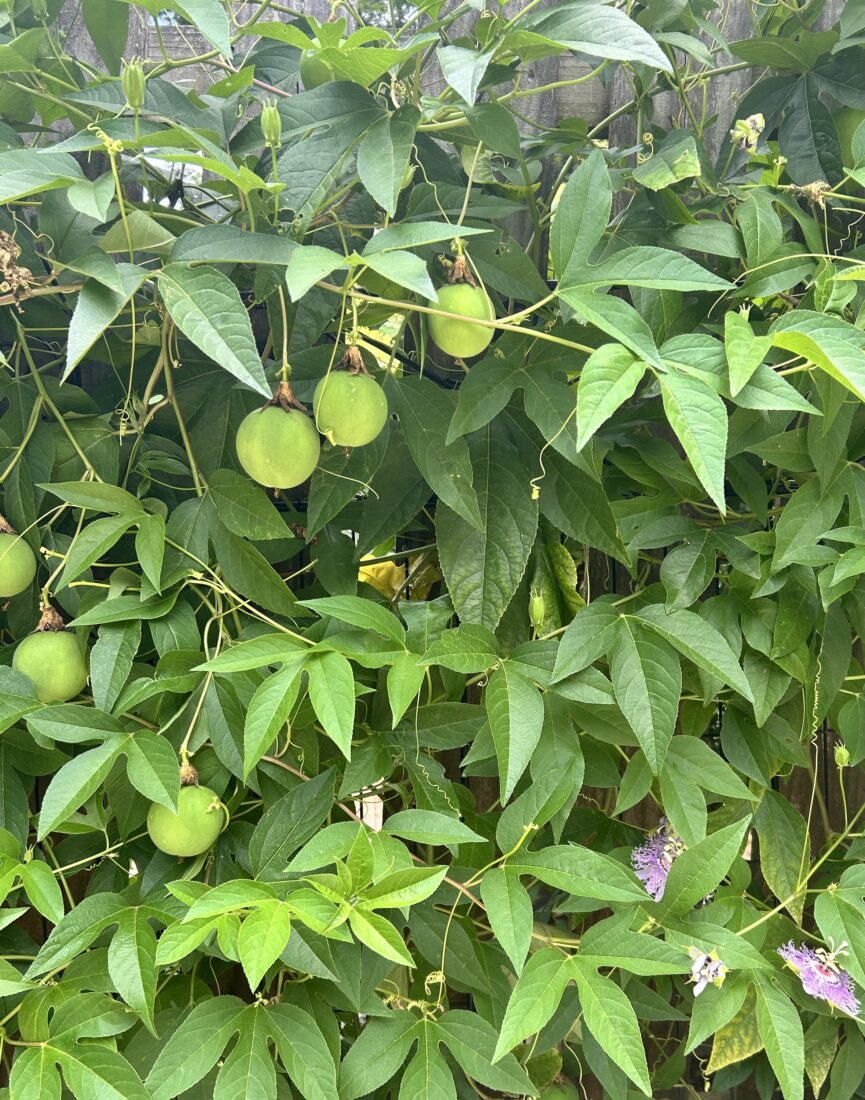
Now every spring, I brace for those first green shoots to appear in the place where last year’s vines died into nothingness. I know they will signal weeks of constant pruning and occasionally relocating a slow-moving caterpillar when I need to back out of my driveway. That may not be for everyone. For me, it’s a small price to pay to witness this incredible life cycle, and to know I had a hand in it.
How to Make a Maypop Mocktail
As the fruits turn wrinkly and start to fall off, gather and freeze them until you’ve amassed ten or so. Slice them in half, scoop out the seedy pulp, simmer the pulp with equal parts water and sugar until you have a thickened syrup, and press the liquid through a fine-mesh strainer. You’ll end up with a great sweetener for tropical cocktails, but to let the fruit’s distinct notes of honeyed peach shine, stir up a spritzer: club soda, a splash of lemon juice, and a tablespoon or more of passionflower syrup to taste.
Elizabeth Florio is Garden & Gun's senior digital editor. She joined the staff in 2022 after nine years at Atlanta magazine, and she still calls the Peach State home. When she’s not working with words, she’s watching her kids play sports or dreaming up what to plant next in the garden.