

As trash day draws near and neighbors deposit their tall paper bags of leaves and grass clippings by the curb, Atlanta resident Frances Moriarty walks by, helping herself to the contents they’ve discarded.
“It’s a good way to teach people, because on my street when I did it and told them why, slowly they started saving their leaves,” Moriarty says.
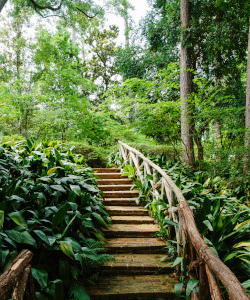
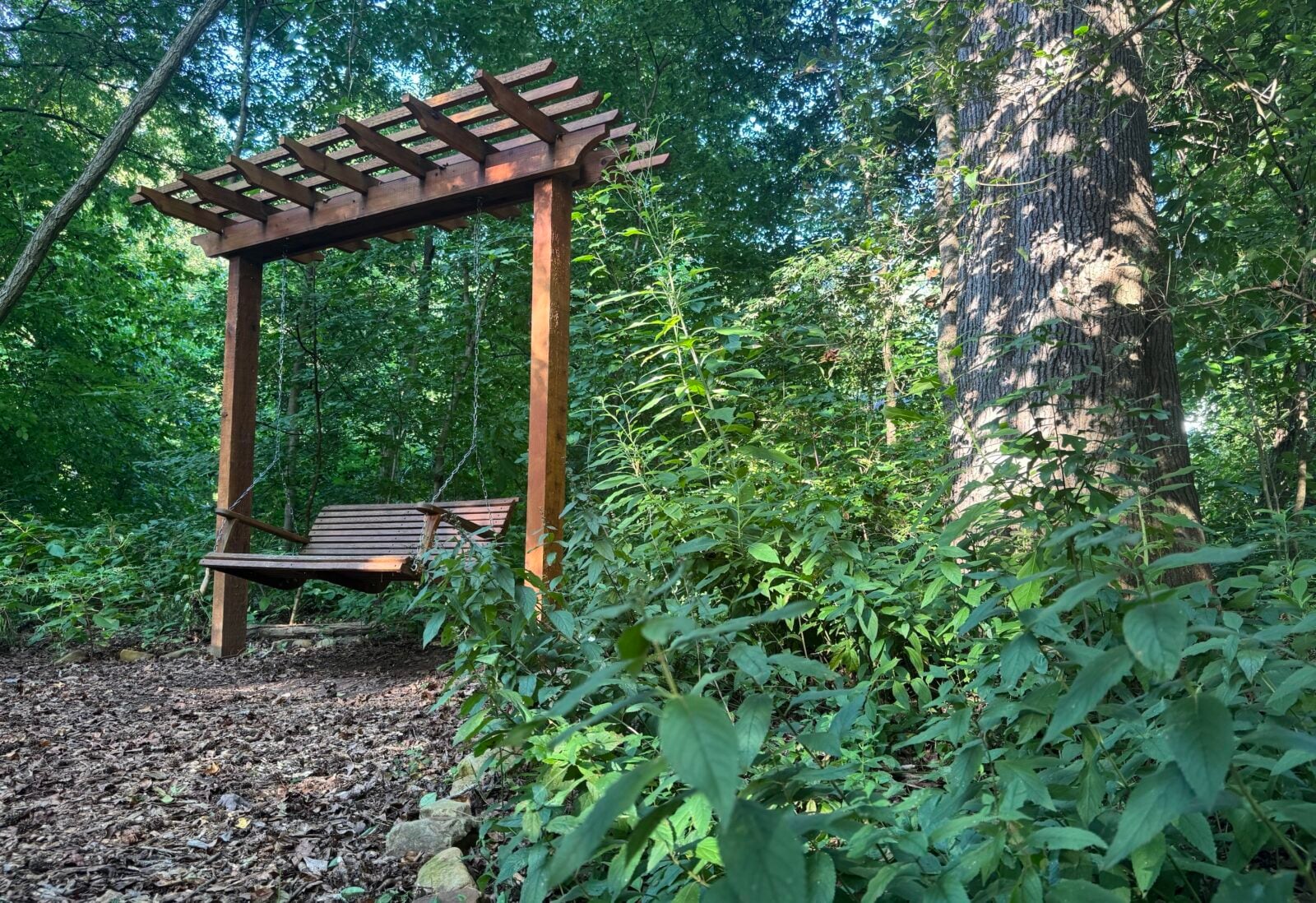
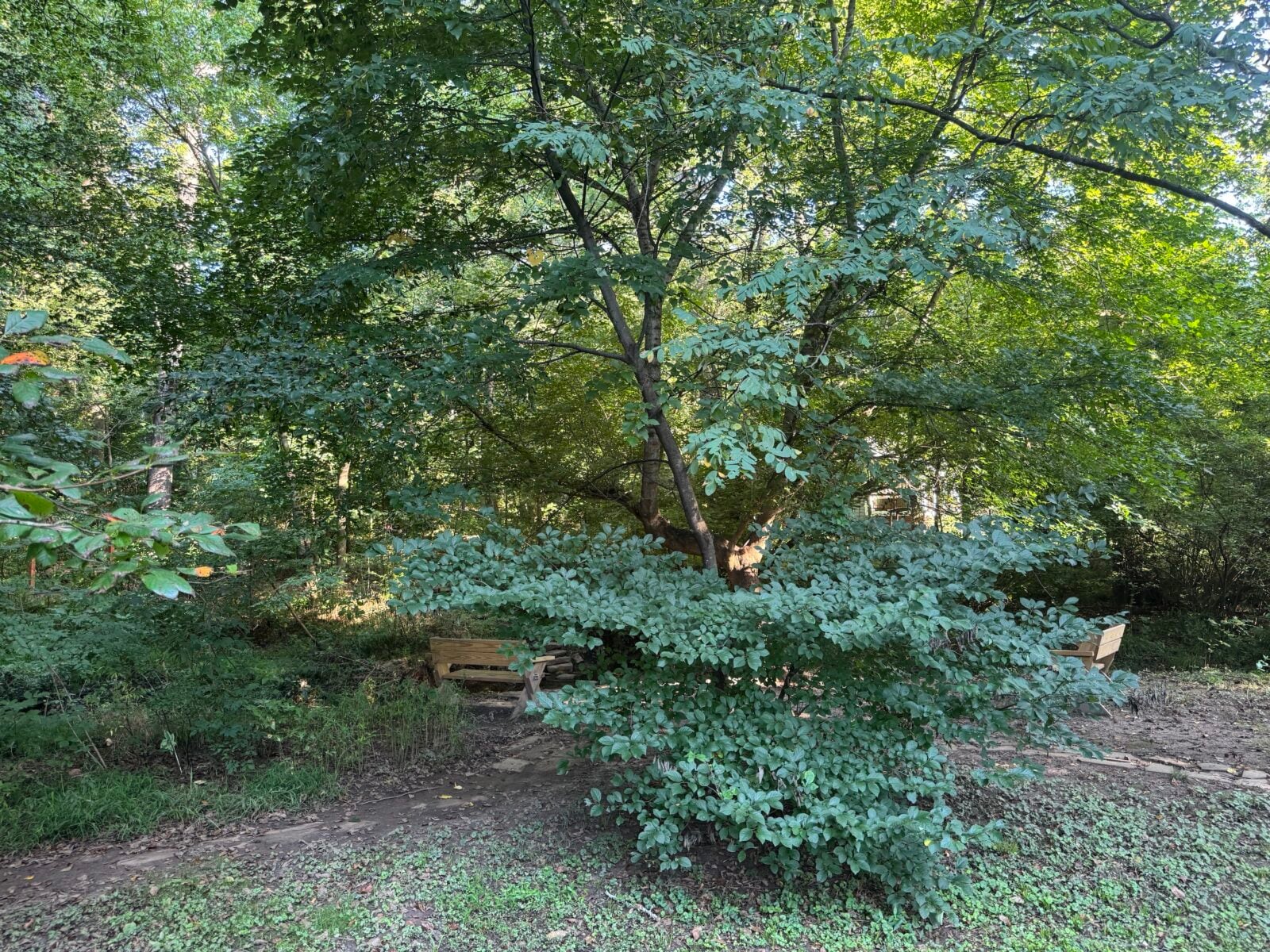
Scattering dead leaves and grass clippings beneath large trees is the first step Moriarty takes in creating “soft landings” in her home garden and at the Wylde Center, the Atlanta environmental education nonprofit where she volunteers. The term describes the layered ecosystem beneath keystone trees that provides shelter, foraging habitat, and yes, a soft place to land for insects and other wildlife. “It’s a great ecosystem to support. I see leopard frogs in my yard. I see more birds, more snakes—little nice snakes,” Moriarty says.
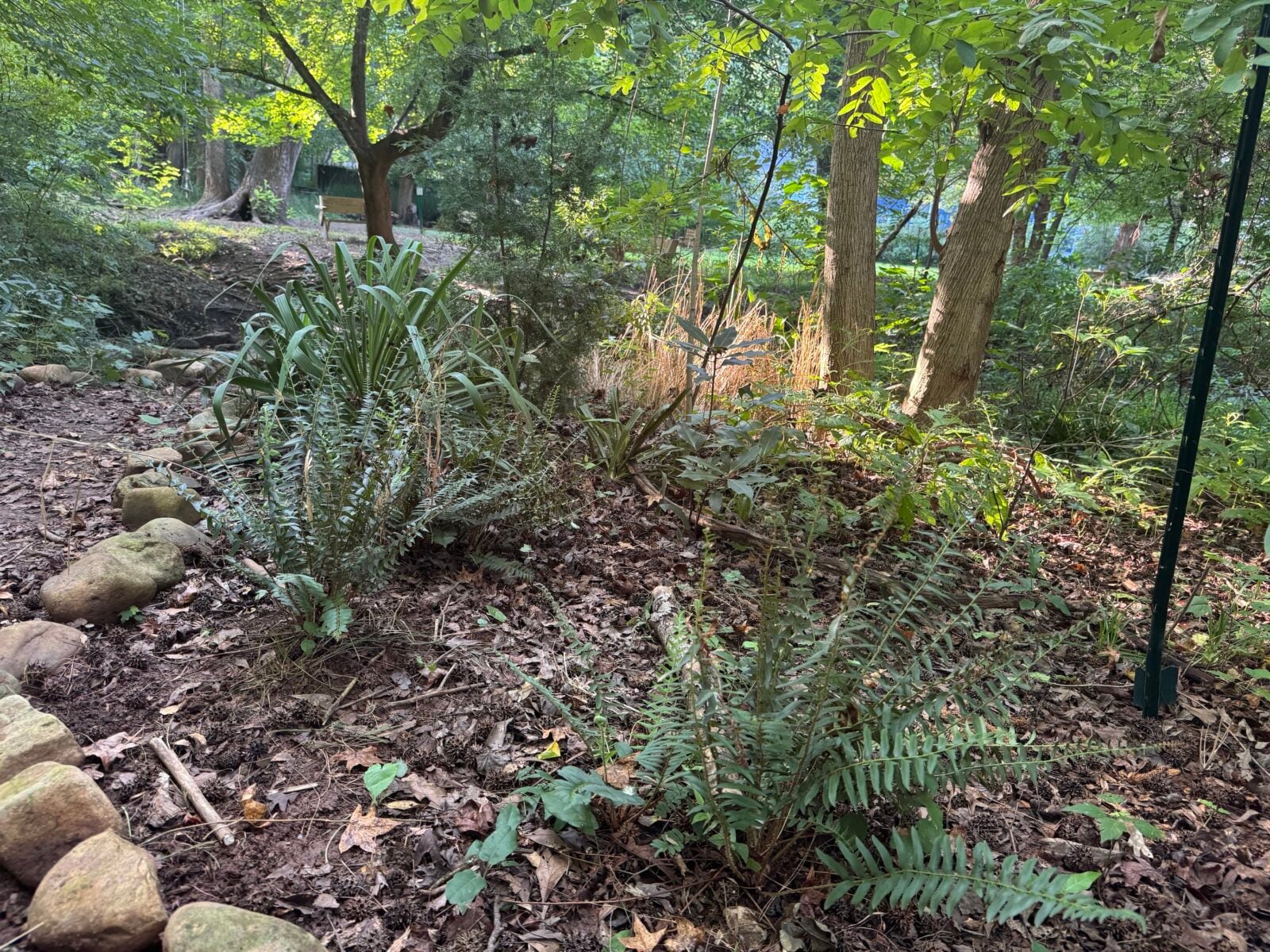
The next step involves creating a tiered sub-canopy of shrubs, smaller plants, and groundcover. Pandra Williams, founder and co-owner of Beech Hollow Farm in Georgia, calls soft landings the pied-à-terre of the yard—a secondary, smaller home for insects that begin their life cycle in the tree before migrating to the ground. “When you’ve got a closet and you put things on the rod and you put things on the floor, there’s all that empty space in between,” she says. “It’s taking advantage of vertical space like shelves.”
The key to supporting local wildlife with soft landings is to select native plants that suit the conditions of the site. Many varieties of azaleas do well in the acidic soil under pine trees, for example, as do blueberries. (The blueberry varieties people prefer to eat require full sun, but several shade-tolerant varieties provide food for wildlife, including the shiny blueberry and pine-savanna blueberry.)
If you’re building layers underneath an oak tree, which supports more butterflies and moths than any other tree in North America, consider the oakleaf hydrangea, which enjoys the speckled shade of the trees whose leaves it mimics. Beautyberries are a partial-shade option that bring a pop of magenta to your yard, not to mention food for foraging birds and caterpillars. And ferns are a great secondary layer and groundcover—particularly the southern shield fern, which grows natively from South Carolina down to Florida and through West Texas.
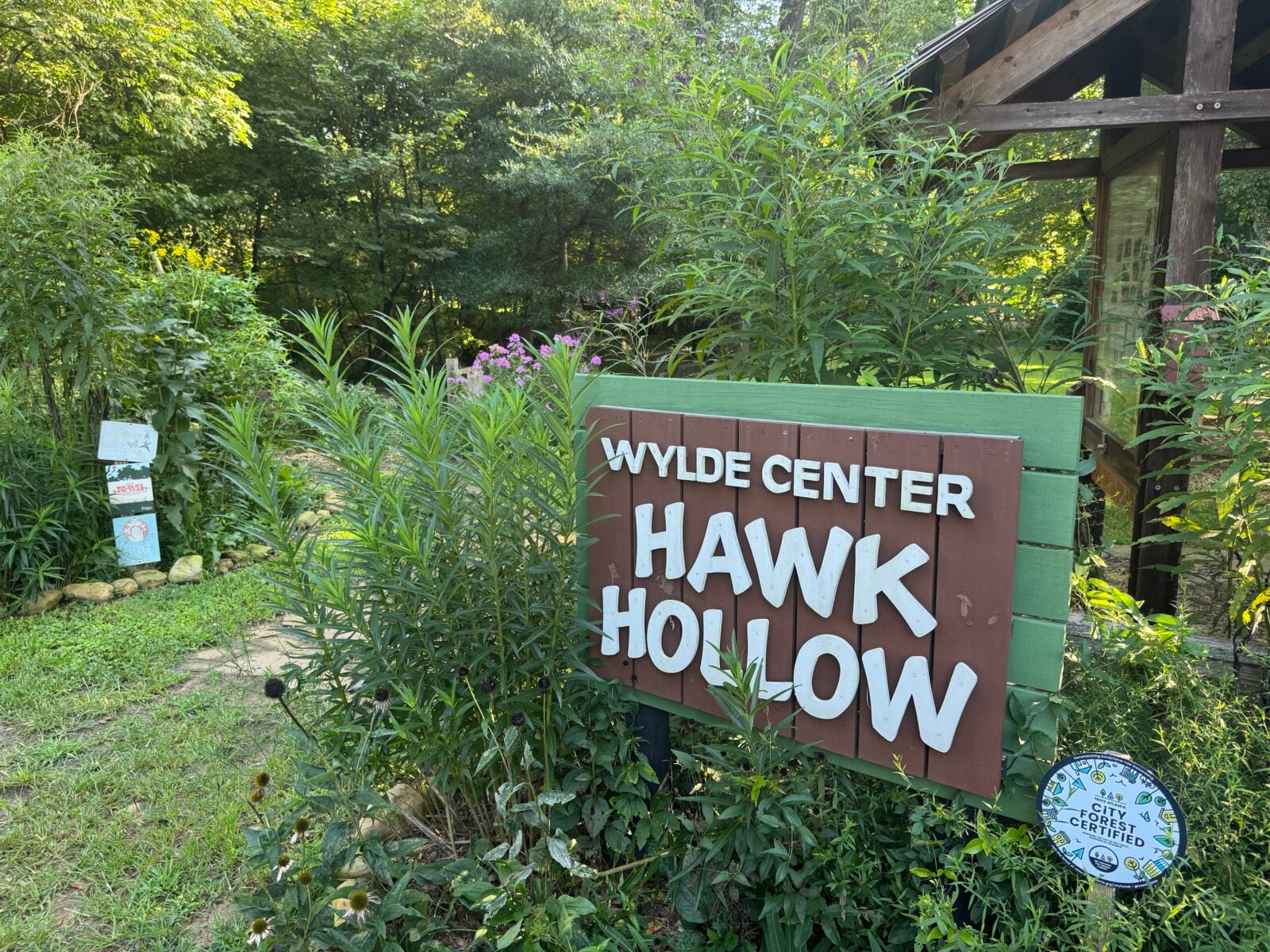
For recommendations specific to your area, consult a native plant society or county extension office near you, or patronize native-focused nurseries and markets like Beech Hollow and the Wylde Center.