

Avid gardeners might spend hours poring over the latest must-have perennials, contemplating whether that brilliant Zone 6 species can survive in our Zone 8 habitat, and thinking about where to place that next pot. And while there’s no better teacher than experience, there’s no more fun way to embrace plant nerddom than with a botanical residency, course, or class. Here are seven opportunities to learn something new about playing in the dirt.
Oak Spring Garden Foundation
Upperville, Virginia
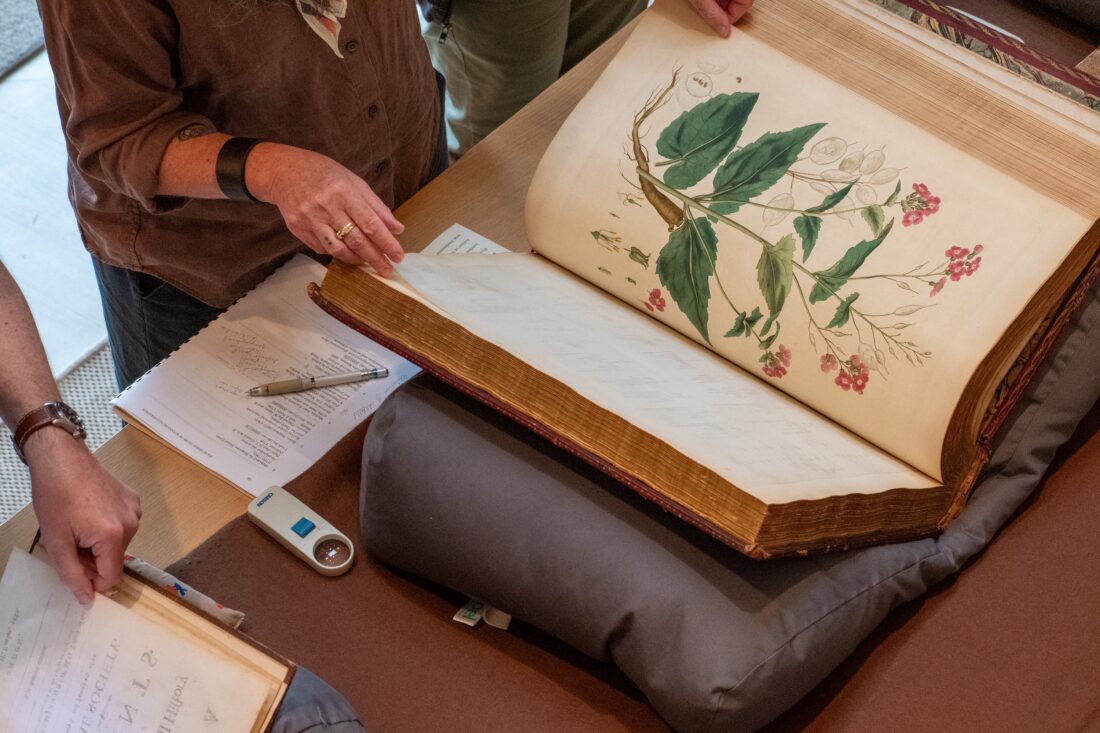
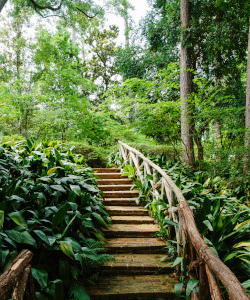
From historical lectures to applied horticultural techniques, Oak Spring provides the gold standard of garden-themed residencies. In addition to two- to four-week botanical art residencies (with access to plants in the collection for illustration), the late tastemaker Bunny Mellon’s botanical paradise offers short programs, ranging from advice on summertime perennials to willow-weaving skills. Regularly scheduled one-day workshops such as floral arranging and biodiversity walks entice students with a coveted insider look at this venerable, exclusive institution.
Missouri Botanical Garden
St. Louis, Missouri
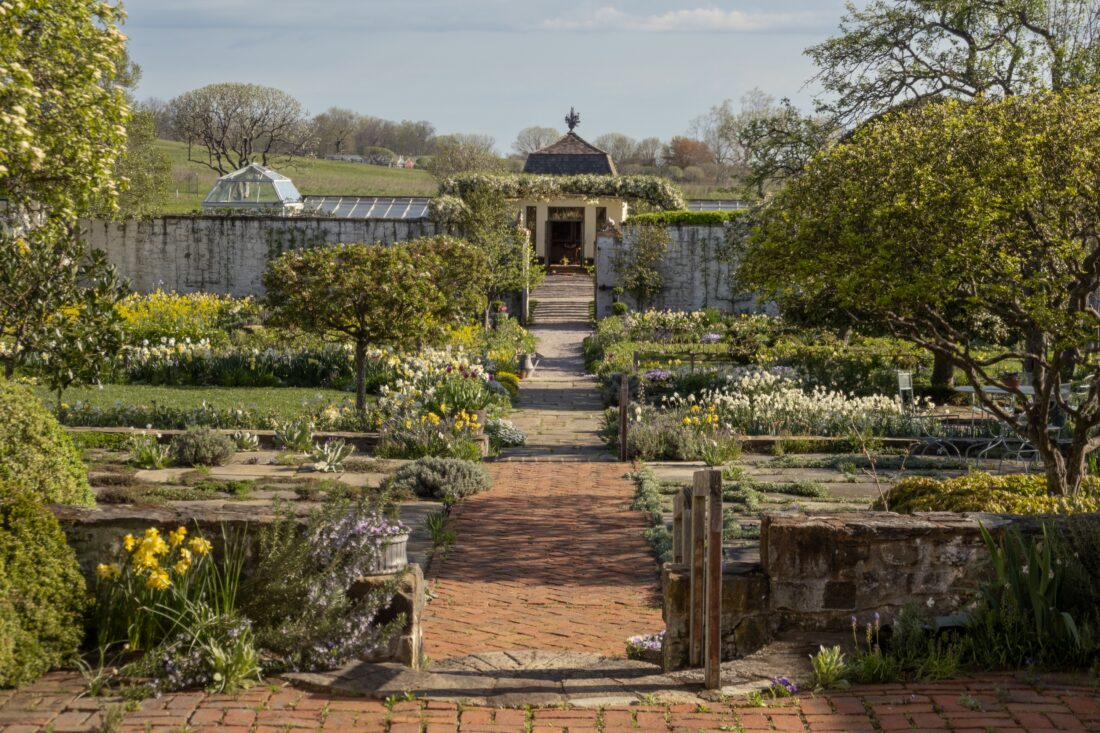
The curriculum at the Missouri Botanical Garden is so rich and varied that one can easily envision a lifetime spent studying here. And many lifetimes have been touched by this horticultural institution, which opened in 1859 and is now a National Historic Landmark and a center for conservation and gardening education. The course catalog for both adults and children includes nature studies, butterfly photography, flower press workshops, and a Kokedama (Japanese moss art) workshop, among dozens of regular options. Pragmatic instruction in the Native Plant School features “fragrant porch pot,” tomato lessons, and hardscaping workshops.
Wild Abundance
Buncombe County, North Carolina
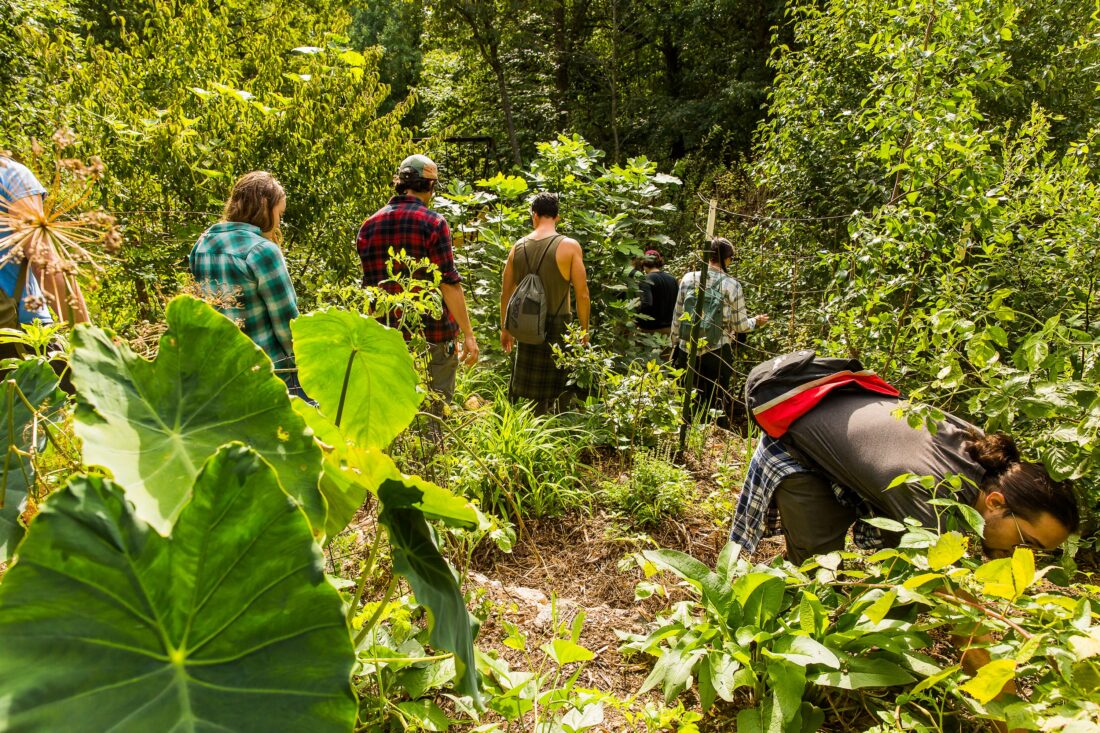
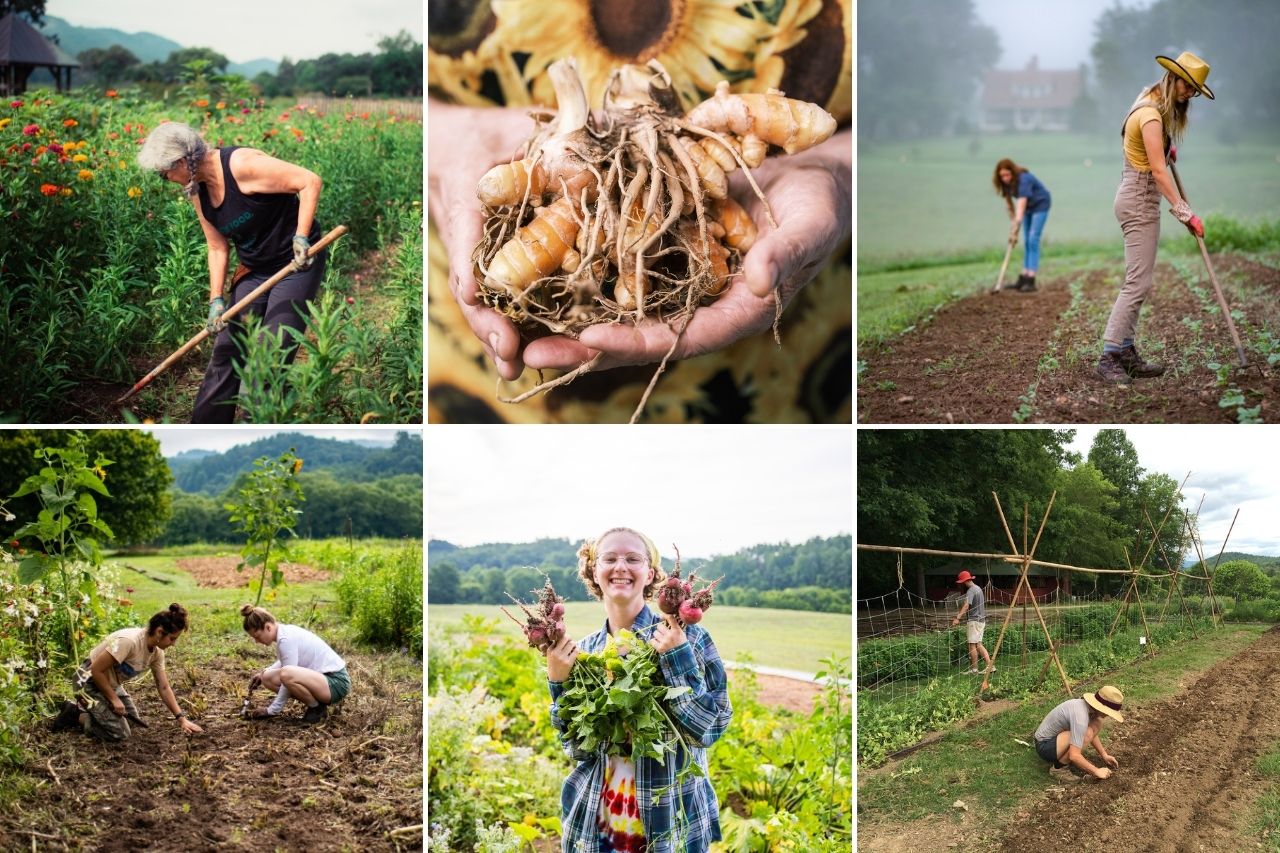
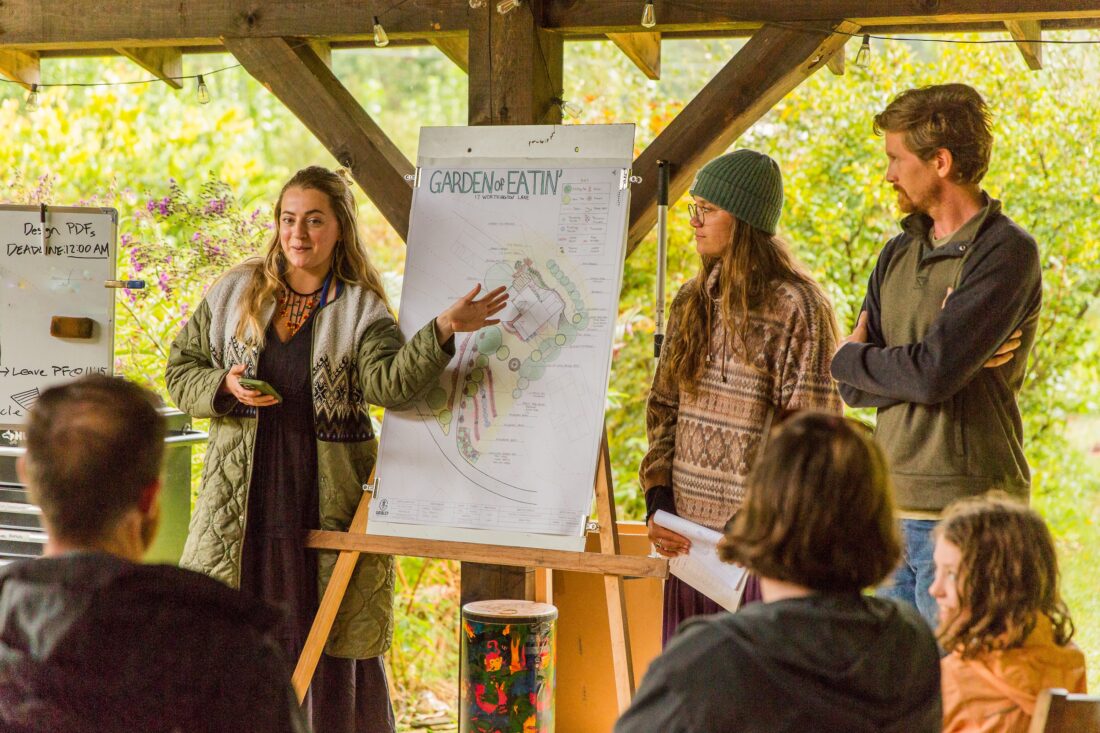
In 2010, Natalie Bogwalker founded Wild Abundance near Asheville, North Carolina, to provide a commons where folks could hone “earth skills” such as herbalism, foraging, and permaculture. The course list—and community of teachers, students, and alumni—has expanded since then, focusing primarily on carpentry and permaculture, making Wild Abundance a cherished Western North Carolina resource for plant lovers. The woodworking curriculum includes lessons on how to make cloches, planter boxes, and tiny houses, among other projects that encourage students to live a gardener’s life from A-frames to zucchinis.
The Hambidge Center
Rabun Gap, Georgia
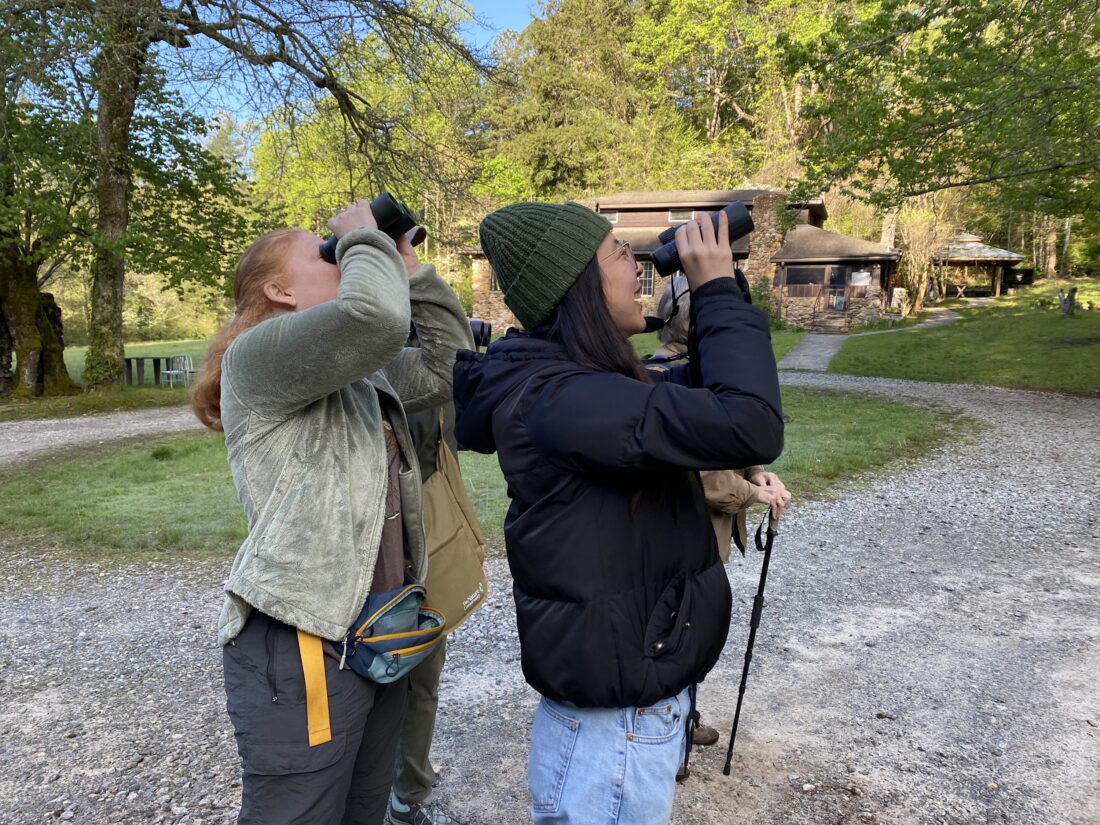
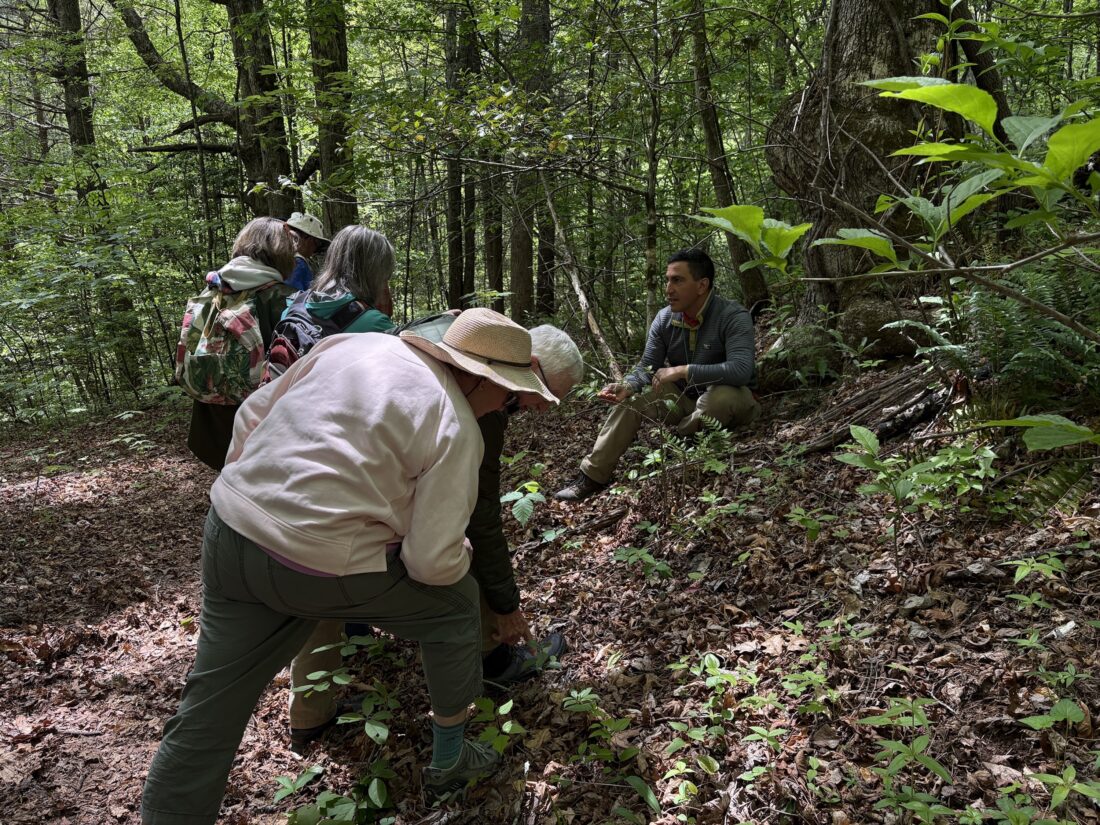
Our world is a more beautiful place because of botanical illustration, which is just one of several art classes at Georgia’s Hambidge Center. Students learn plant-drawing techniques in the Practice of Noticing, a field-guide and nature journaling class. Hambidge also throws Nature Rambles throughout the year, an opportunity to walk miles of trails with a naturalist and identify what native plants might work best in your private green paradise.
Atlanta Botanical Garden
Atlanta, Georgia
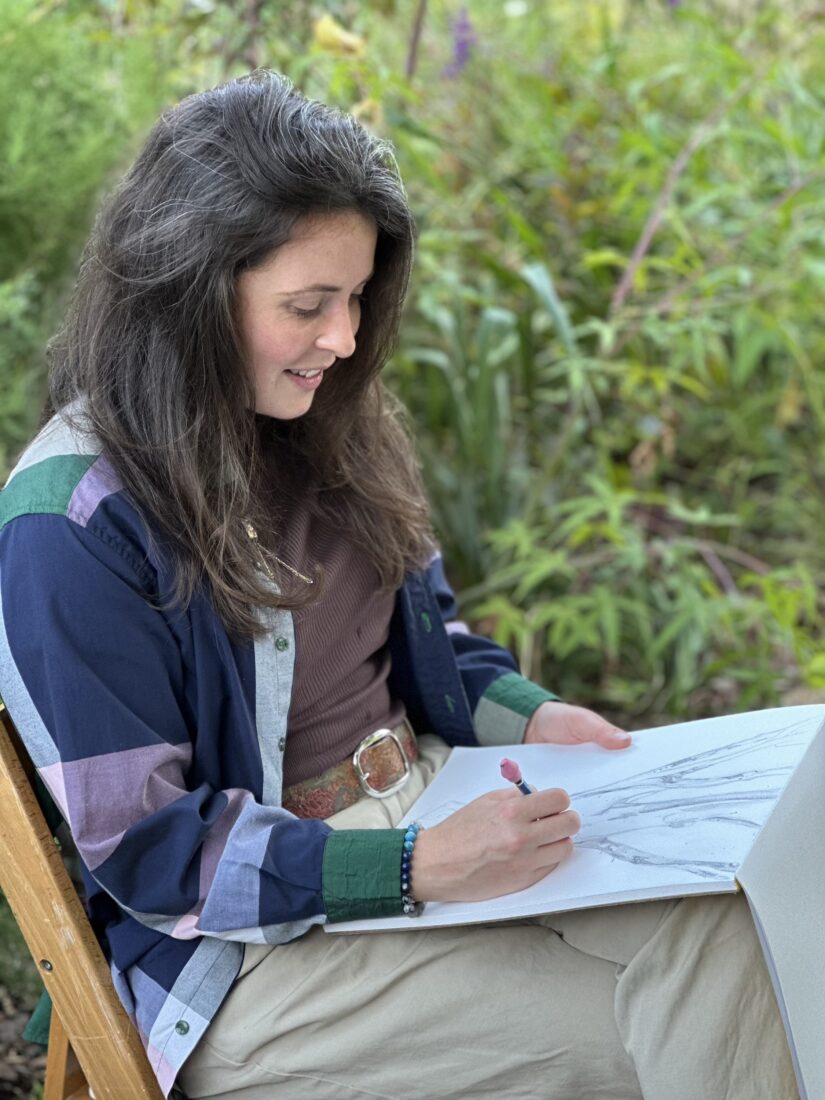
Since its opening in 1976, this urban greenspace has been an oasis for Atlanta residents and visitors. Classes here welcome adults, families, and kids and cover the spectrum of botanical interests, whether you’re curious about the latest shade gardening trends, trying your (colored or graphite) pencil at drawing orchids, or discovering the best native plants for your plot. The “Plant. Eat. Repeat.” workshops deliciously blend skills: You might learn the basics of fermentation, make sourdough, or whip up Mezcal margaritas.
John C. Campbell Folk School
Brasstown, North Carolina
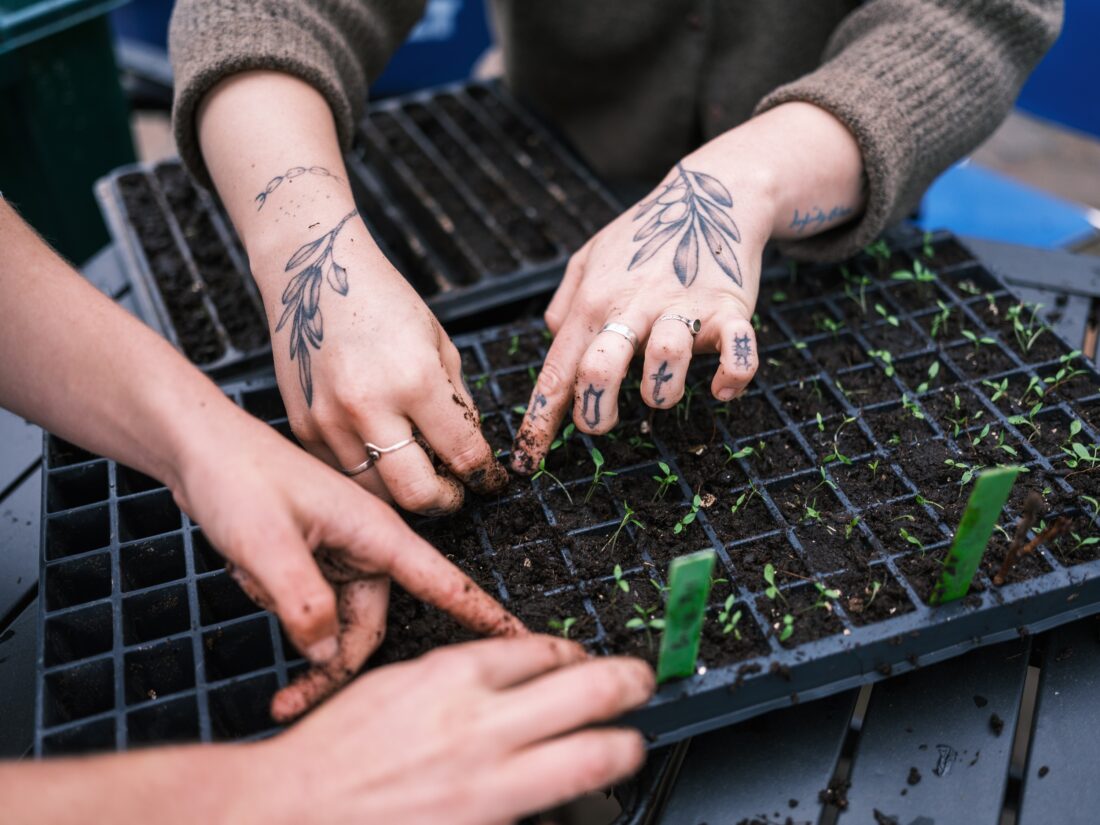
Deep in the Appalachian Mountains a century ago, Olive Dame Campbell and Marguerite Butler established the John C. Campbell Folk School, one of America’s great multidisciplinary teaching institutions in the practical and aesthetic arts. Originally a high school, it now hosts weekend and weeklong adult classes about edible plants, beekeeping, and botanical dyeing, among myriad eclectic offerings. TBH, taking up residence on this stunning 270-acre campus is reason enough to matriculate.
Shangri La Botanical Gardens and Nature Center
Orange, Texas
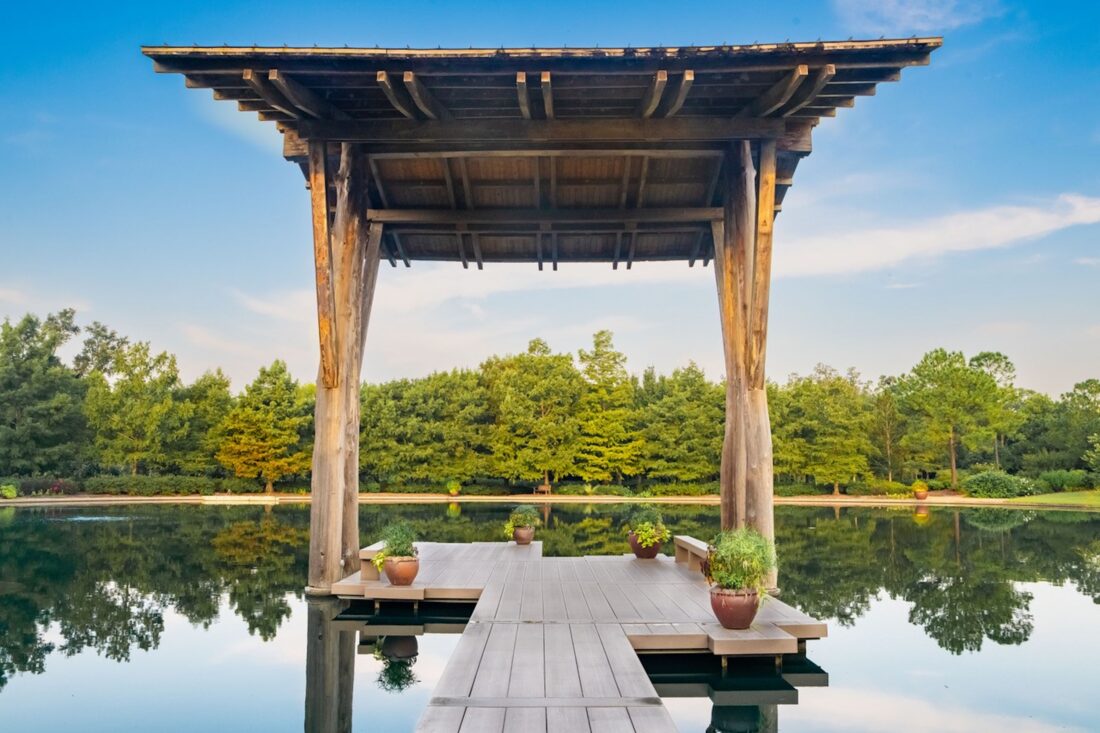
Perhaps only bibliophiles compare to avid gardeners in commitment to learning and hobby intensity. It’s only fitting then that founder H.J. Lutcher Stark drew inspiration from James Hilton’s Lost Horizon when, in 1937, he founded his Shangri La, an East Texas botanical eden. Across the verdant living classroom of more than 250 acres, regular camp classes and workshops pay tribute to the man and include wellness sessions, gardening, natural history, conservation, and docent-led explorations.
Crai Bower regularly writes about golf, gardens, nature, human-powered adventures, and other passions for Garden & Gun and many other publications. Follow his sojourns to the South and around the world on Instagram @travelcrais.