

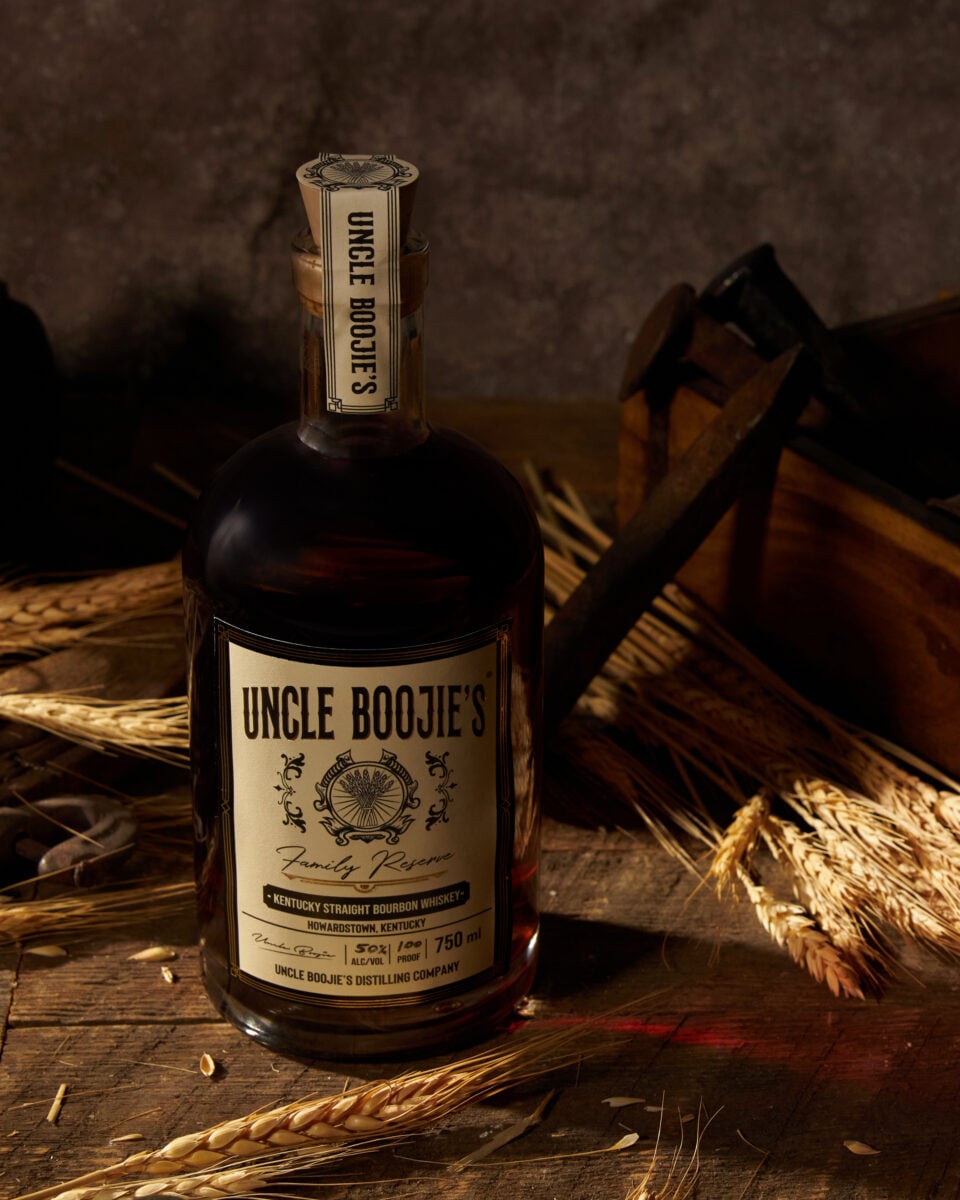
Every family has stories. Some are polished by time into legend, growing a little taller each time they’re retold around a kitchen table or campfire. Some reveal something deeper—not just who our ancestors were, but how they continue to shape us. Such stories are the heart of Uncle Boojie’s Distilling Co., a new distillery in Louisville, Kentucky.
As the distillery’s founder, Stephen Smith, writes in his memoir, HOWARDSTOWN: The Long Journey Home, the story of Howardstown, Kentucky, is, at its core, a tale of Scotch-Irish settlers whose lives became inseparable from the land they farmed, the faith they practiced, the children they raised, and the whiskey they refused to stop making.
“Moonshine” has become a misleading shorthand, Smith argues. In his view, his ancestors weren’t reckless outlaws brewing illicit swill in the woods; they were skilled neighborhood distillers whose centuries-old whiskey tradition was suddenly criminalized by changing tax laws and, later, Prohibition.
“They didn’t have money,” Smith says. “Bourbon whiskey or white whiskey, whatever you want to call it, was the currency of the mountain folks.”
Because of that, individuals like his grandfather, Daddy Howard—“a gentle soul cherished by his eleven children and thirty-three grandchildren”—wasn’t just the fourth-generation proprietor of Howard Bros. General Store. He sold more than groceries. Daddy Howard, along with Smith’s charismatic great-uncle Boojie and his longtime companions—Archie and Lovell Spalding, Curley Corbett, Arvil Cambron, and Soup Boone—were a colorful crew known around Howardstown as the “Hillbilly Gangsters.” During Prohibition, they carried on the family’s whiskey-making tradition, producing the liquor that, according to family lore, helped make the town one of Kentucky’s most prolific bootlegging communities before federal agents famously hacked open thousands of gallons during a dramatic raid, the Great Pour Out of 1930.
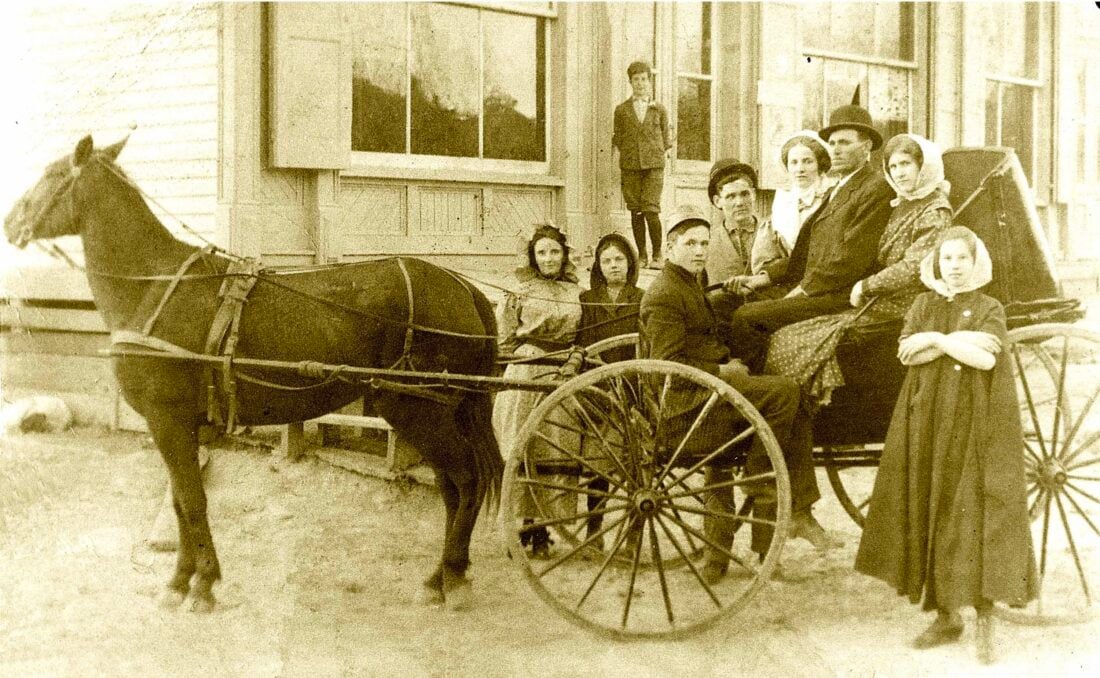
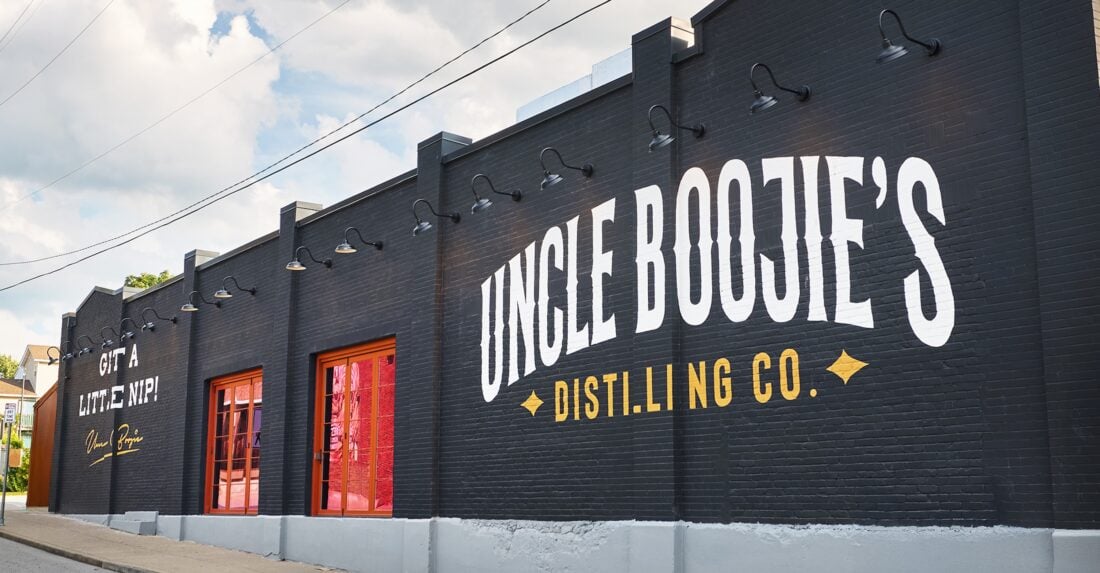
Those wild tales of his family operating seventeen stills around the clock in Skeeter Holler—where hundreds of men tended mash, mule teams hauled whiskey through the hills, and bootleggers outran revenuers while shipping liquor to Chicago, Detroit, and St. Louis—are what make a visit to Uncle Boojie’s in Louisville—the newest addition to the Kentucky Bourbon Trail—such a departure from the typical bourbon tasting room.
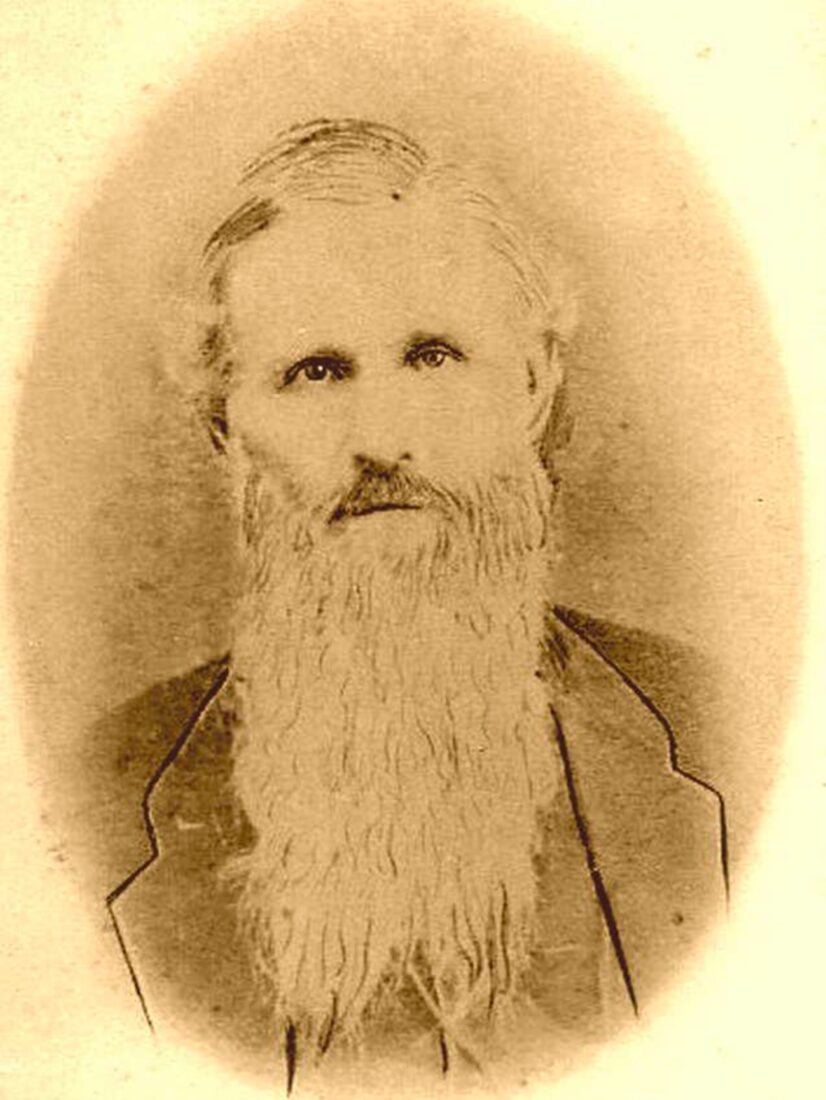
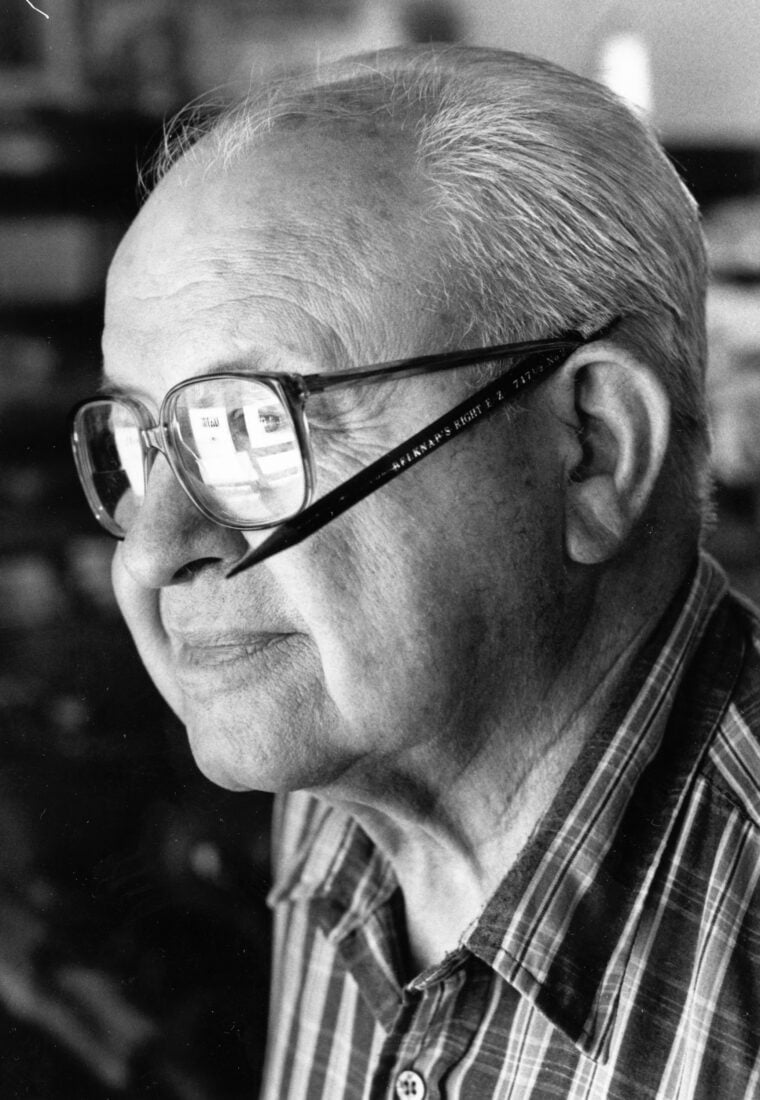
“People will walk in and say, ‘I knew Boojie,’ and they’ll start telling me stories that are just absolutely crazy,” Smith says. “That’s when Uncle Boojie’s becomes part of their story. Whether you’re celebrating a marriage in the mountains or you’re just sitting around talking in the evening, whiskey becomes this golden thread that weaves through our families.”
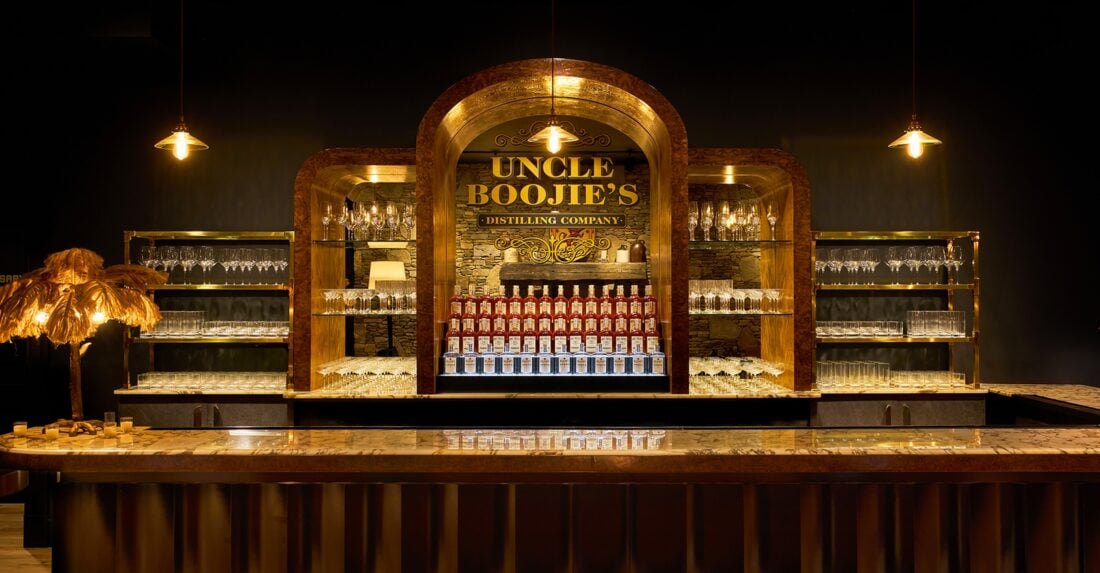
That impulse to see family history as something as important as the distilling process itself runs through Uncle Boojie’s tasting room experience. You come for the bourbon, yes, but you stay for the yarns. They span centuries, carrying visitors from Ulster Scots settlers and Appalachian bootleggers to Al Capone and even literary lore. According to one of Smith’s most colorful recollections, a young F. Scott Fitzgerald met his kin, Jesse Spalding, at Louisville’s Seelbach Hotel during World War I and later drew on the charismatic bootlegger as inspiration for Jay Gatsby. Whether taken as history, family legend, or a little of both, the claim captures the spirit of Uncle Boojie’s: a place where every pour uncorks another chapter, and where determining the line between memory and myth is part of the experience.
Plan your visit to Uncle Boojie’s at uncleboojies.com