

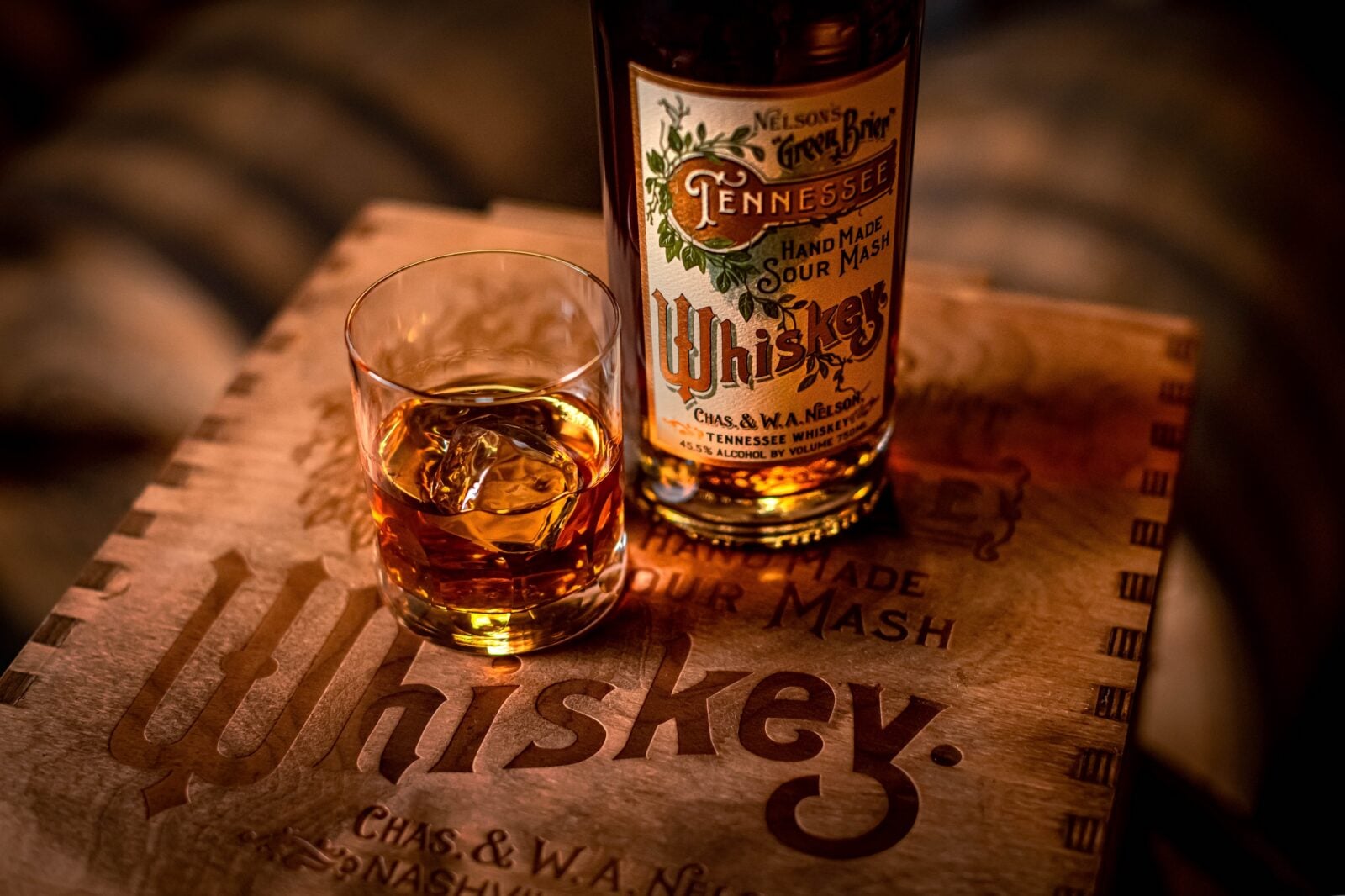
Kentucky bourbon remains the star of the American whiskey world, but Tennessee has its own whiskey-making tradition that’s just as long and proud. The difference between the two state’s signature spirits is admittedly rather subtle. You may have heard the old line, “All bourbon is whiskey, but not all whiskey is bourbon.” We can add a corollary that all Tennessee whiskey is bourbon, but not all bourbon is Tennessee whiskey, at least when it comes to the law. (And, yes, bourbon can be made anywhere in the United States, not just Kentucky.)
In 2013, the state legislature codified the requirements for a spirit to be labeled “Tennessee Whiskey,” and they begin with the Federal rules for bourbon: distilled from a mash of at least 51 percent corn, aged in new charred oak barrels, and bottled at no less than 80 proof. To these it added two distinguishing features: The whiskey must be manufactured and aged in the state of Tennessee, and it must be filtered through maple charcoal before aging. That filtering step has long been known as the Lincoln County Process, since it emerged just after the Civil War as the signature method of the south-central Tennessee county.
For almost four decades after World War II, Jack Daniel’s and George Dickel were the only commercial whiskey distilleries in Tennessee, but the scene looks very different today. Dozens of distilleries, large and small, now produce spirits across the state, though not all of them are charcoal filtered and qualify as Tennessee whiskey.
Does that charcoal filtering really make a difference? Tennessee whiskey distillers certainly think so, but why not judge for yourself? Lately, I’ve been sampling as many bottles from the state as I can find, and I’ve been impressed by the range of mellow but rich flavors as well as the storied history behind so many of the brands. Here are five recommended stops for a Tennessee whiskey tour.
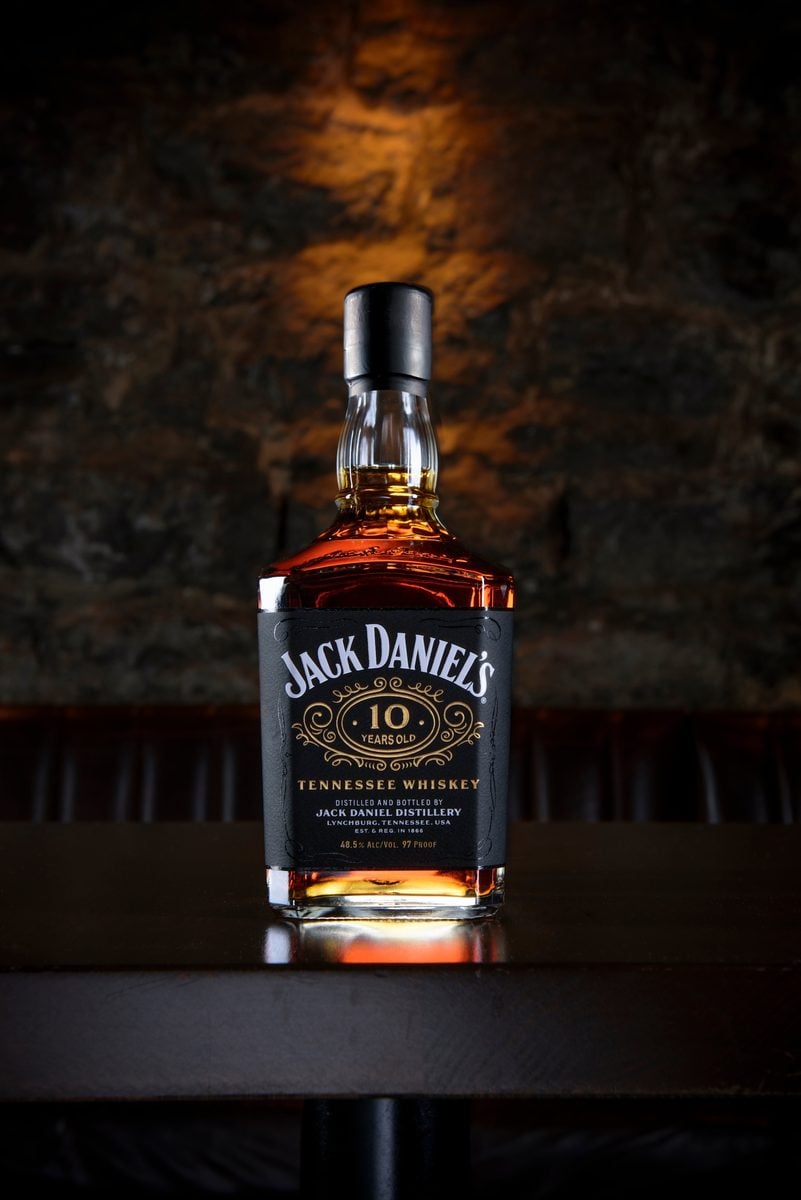
When whiskey drinkers think Jack Daniel’s, they may envision the iconic black label of the workhorse Old No. 7 Tennessee Whiskey (and perhaps the ubiquitous Jack and Coke.) Master distiller Chris Fletcher and his crew, though, have some seriously good juice tucked away in those massive rickhouses in Lynchburg. Witnesses Jack Daniel’s 10-Year-Old, part of the annual Aged Series the distillery launched in 2021, which marked the first time in more than a century that it released whiskey aged a decade or more.
The series now includes twelve- and fourteen-year-old versions, and while the bottles can be hard to find, they’re worth snagging when spied. All three share the same mash bill as the flagship Old No. 7—80 percent corn, 8 percent rye, and 12 percent malted barley—but those extra years resting in various parts of the barrelhouse sure work wonders. Though bottled at a stiff 97 proof, the 10-Year-Old is soft and mellow, with a little raisin on the nose, sweet cherry on the palate, and plenty of oak spice on the finish.
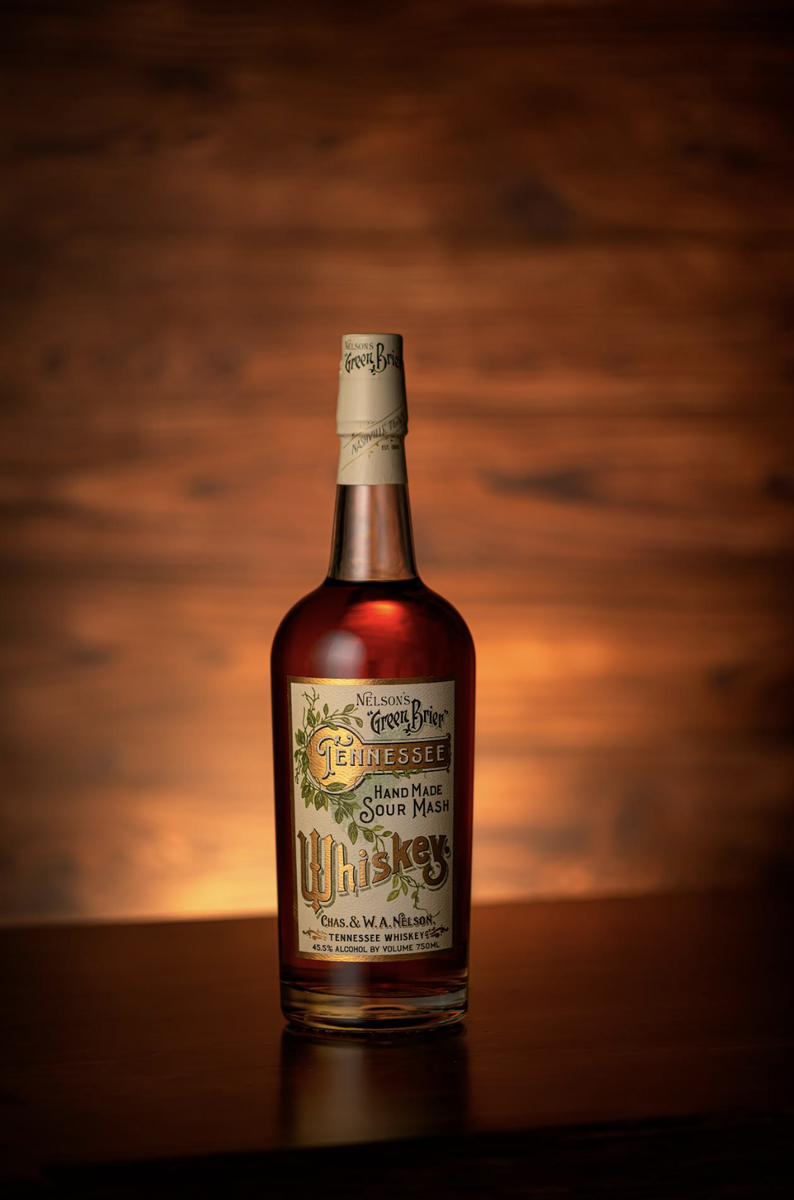
Lincoln County has the more famous name, but Robertson was actually Tennessee’s top whiskey-producing county in the late nineteenth century. In the 1870s, a German-born Nashville grocer named Charles Nelson acquired the Green Brier Distillery and grew it into the largest whiskey producer in the state. Prohibition shuttered the distillery, but in 2011, the grocer’s great-great-great grandsons, Charlie and Andy Nelson, revived the brand.
Today, the Nashville distillery sells bourbons that are not charcoal filtered under its Nelson Bros. label, but its Green Brier Tennessee Whiskey is based on the founder’s original recipe, which uses wheat instead of rye as the secondary grain and passes through sugar maple charcoal before aging. Bottled at 91 proof with touches of vanilla and maple sweetness, it’s a young but worthy recreation of classic Tennessee sour mash whiskey.
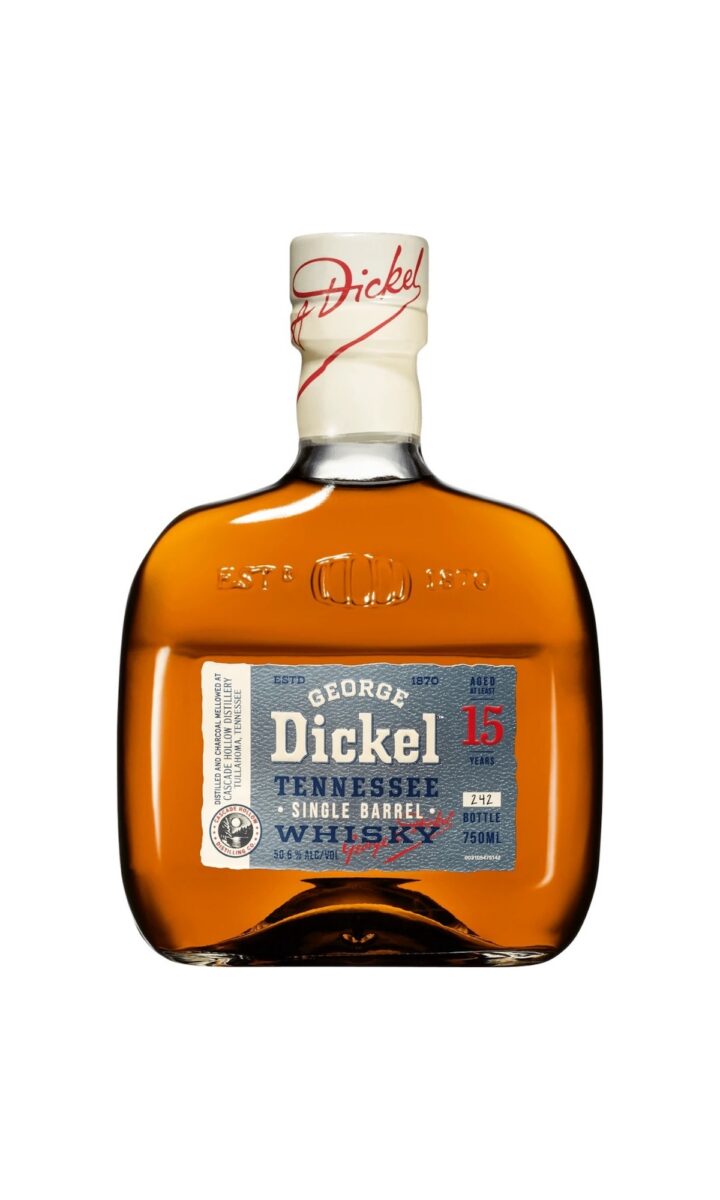
Like Charles Nelson, George Dickel was a German-born grocer in Nashville who ventured into whiskey-making, and his firm acquired a controlling interest in what was then called the Cascade Distillery in Tullahoma in 1888. During the dark years of Prohibition, the Dickel name and recipes passed into the hands of spirits giant Schenley, which in the 1950s rebooted the Tullahoma distillery and revived the George A. Dickel brand.
Dickel’s core spirit has a foundation of 84 percent corn, 8 percent rye, and 8 percent malted barley, and the distillery adds a wrinkle to the Lincoln County Process by chilling the spirit to forty degrees before charcoal filtering. In younger bottles, that chill filtering seems to tamp down the sweeter flavors, but in older releases like the 15-Year-Old Single Barrel, the more subtle notes start to shine. The proof varies depending upon the barrel, and you may find 15-Year bottles at everything from a mellow 80 to a stiff 104. Even at the high end, the extra age softens the bite, and the spirit really opens up when you add a little water, letting rich layers of orange peel and cherry emerge.
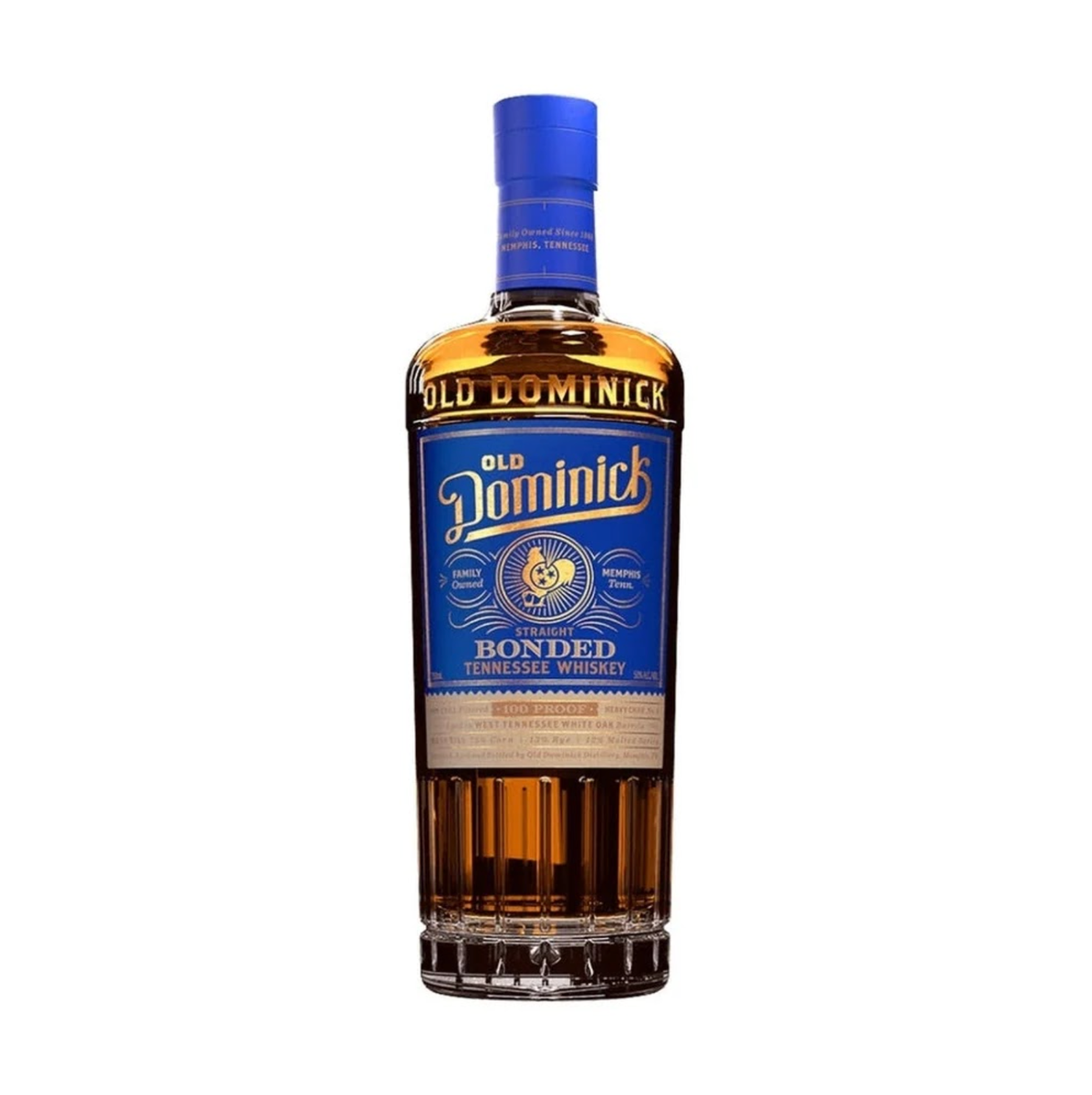
Thanks to its prime location on the Mississippi River, Memphis was always known more for trading whiskey than for making it. Old Dominick traces its history to D. Canale & Co., whose founder, Domenico Canale, began bottling his house-branded Old Dominick whiskey there in 1866. Almost 150 years later, his great-great-grandsons, Chris and Alex Canale, decided not only to revive the Old Dominick brand but to establish a distillery and make it themselves, producing their first batch in 2017.
The flagship Old Dominick is a modest 85 proof, but you can step things up with the stiffer and more complex Old Dominick Bonded. Both are made from the same 75 percent corn, 13 percent rye, and 12 percent malted barley, and the four-year-old bonded version has plenty of sweet caramel on the nose, raisin and more caramel the tongue, and some nice cinnamon notes on the finish.
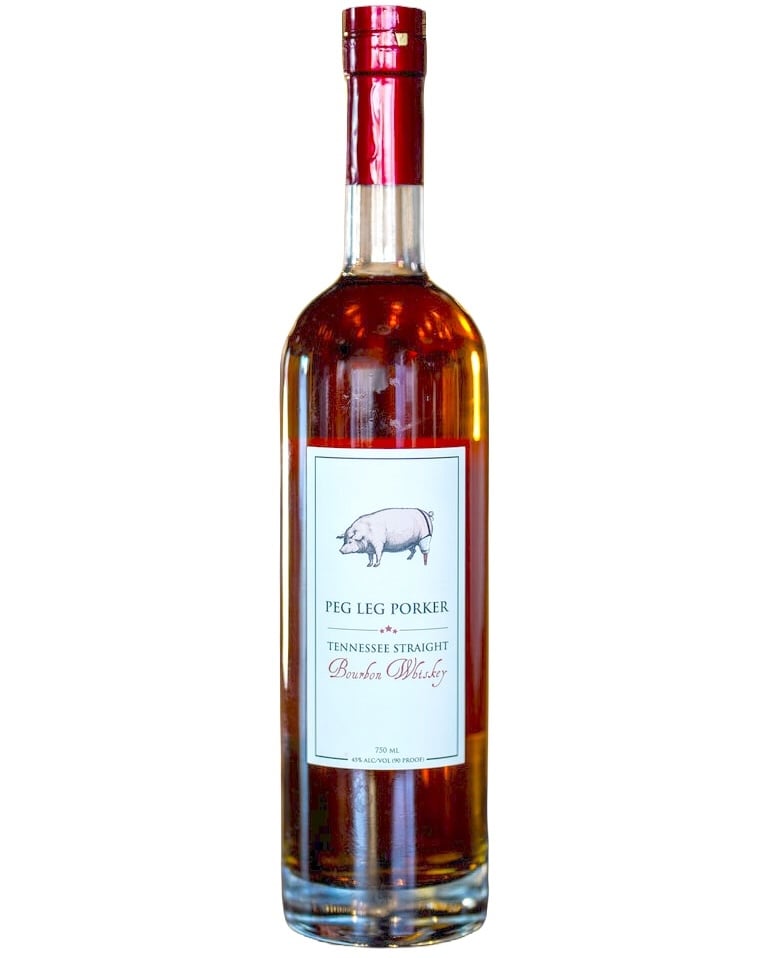
Tennessee whiskey meets Tennessee barbecue in bottles of Peg Leg Porker, founded by Carey Bringle, the owner/pitmaster at Peg Leg Porker Barbecue in Nashville. You can upgrade to the eight- or twelve-year versions, which add dark, rich notes of leather and dried fruit, but the flagship bottle, aged between four and six years, is a solid place to start.
In a unique finishing step, Bringle filters his spirits before bottling through hickory charcoal made from the wood that fires Peg Leg’s barbecue pits, so it’s not a by-the-letter Tennessee whiskey. (“We don’t use the Lincoln County Process,” Bringle says. “We use the Carey Bringle process.”) The result is a mellow 90-proof bourbon that’s a little sweet on the nose and tongue, with notes of apple pie and cinnamon. You might even detect a touch of hickory smoke on the finish, and you’ll be forgiven if that makes you crave a big platter of dry-rubbed ribs.
Robert F. Moss writes about food, drink, and travel. Based in Charleston, South Carolina, he is the author of six books on food and beverages, including Southern Spirits: Four Hundred Years of Drinking in the American South (2016) and The Roffignac (2024). He’s one of the O8s (original members) of the Charleston Brown Water Society.