It’s not a bunny that distributes the most beautiful eggs around Southern backyards, but birds. Each delicate avian egg is the product of an internal assembly line in which the last step is decoration. “Remarkably scientists have found that all of nature’s egg colors come from just two pigments, a reddish-brown pigment and a bluish-green pigment on a white shell,” says Audrey De-Rose Wilson, director of bird conservation for Audubon Florida. From that starting palette, birds create an expansive collection of hues and patterns that surpasses the results of any Easter dyeing session and protects soon-to-be chicks to boot. So why compete where you can’t compare? Enjoy the imitable creations of our native winged neighbors.
American Crow
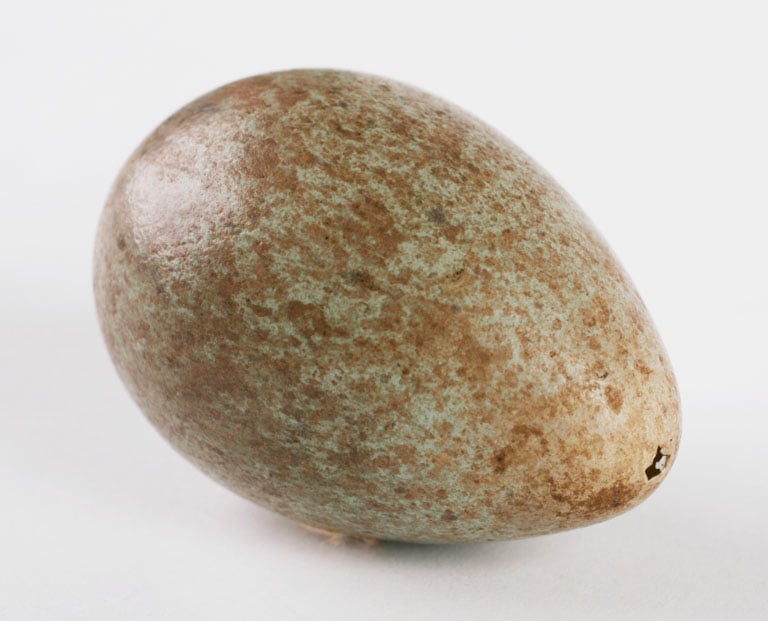
Many have heard the iconic squawk of the American crow, but few are familiar with its eggs, which the clever corvids tuck away in tree nooks. The process is a family affair, wherein both breeding birds and their prior offspring may pitch in to build a nest for clutches of green, speckled orbs. It’s a shell color that is “hard to find in other bird species,” says Garrett Rhyne, Southeast Motus Station Coordinator for the American Bird Conservancy.
Gray Catbird
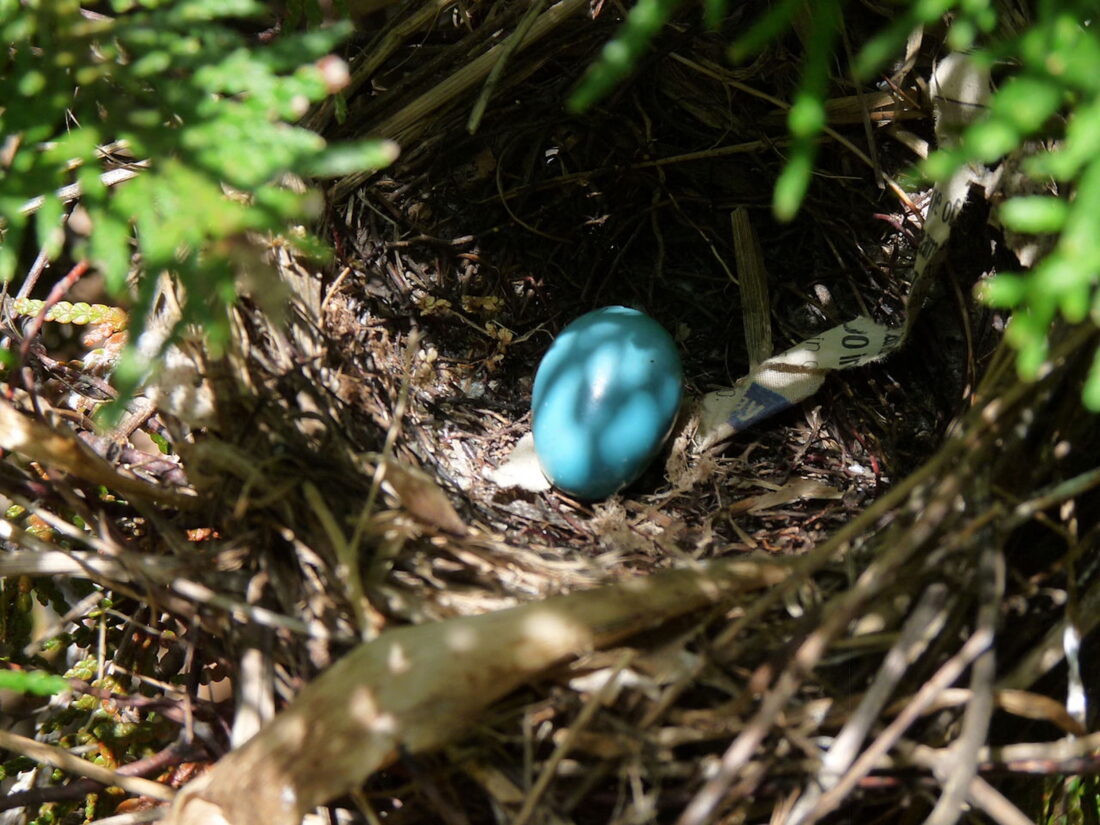
Gray catbird eggs are beautiful by themselves, with a rich, glossy turquoise shell that looks “like polished jewels,” says Dr. Glaucia Del-Rio, curator of ornithology at the Florida Museum of Natural History. But it’s their environment that makes them even more striking. “You find these perfect, intensely colored gems hidden away in a messy, chaotic-looking nest, often in a thorny, impenetrable thicket,” Del-Rio says. “It’s a secret, vibrant beauty.”
Baltimore Oriole
The fiery orange songbirds don’t impart the color of their vibrant plumage onto the shells of their eggs, but they do create a squiggly, marbled pattern that ornithologist Jordan Rutter likens to a Jackson Pollock painting. But unlike the famously expansive canvases of that modern master, these organic works of art are about the size of a fingertip.
Brown-Headed Cowbird
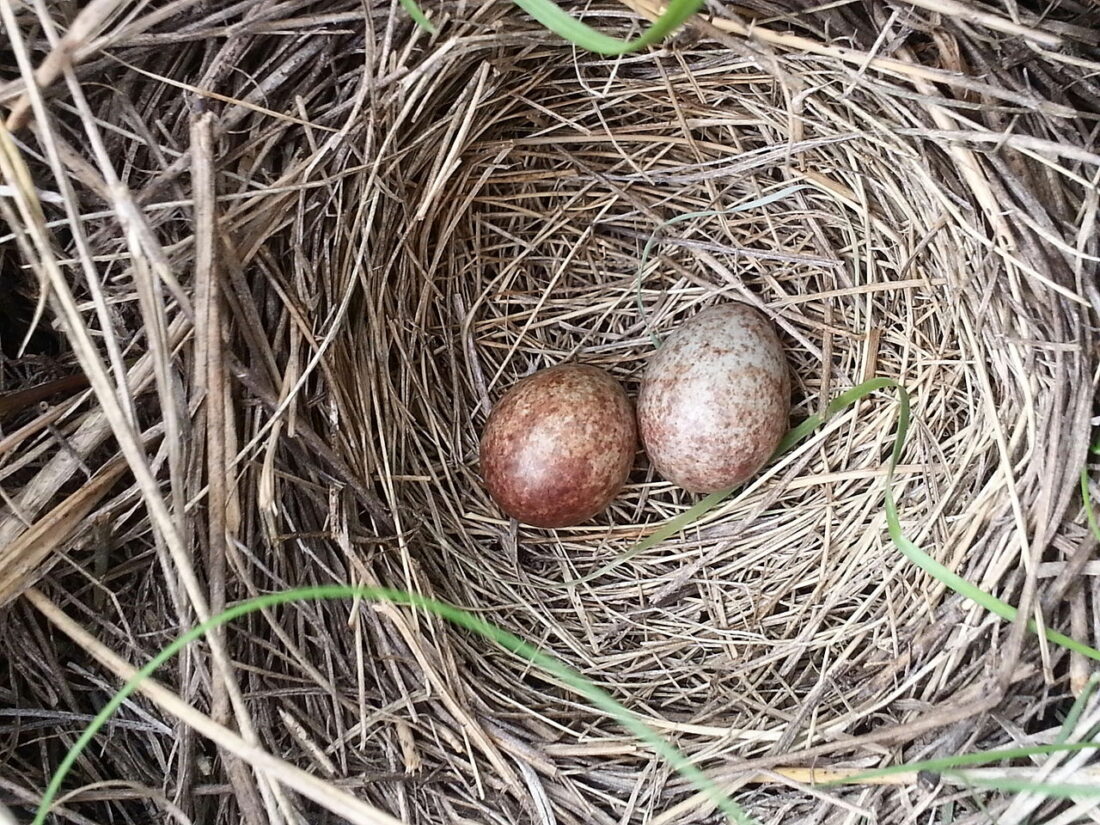
This egg’s uniqueness lies not in a vibrant exterior but in its duplicitous design. Cowbirds leave their small, spotted eggs in the nests of other bird species, removing the resident eggs to make room for their own. The strategy tricks other birds into incubating and raising the cowbird chicks. Some might call it harsh, but Del-Rio thinks otherwise. “It’s a beauty born from…survival and deception.”
Crested Caracara
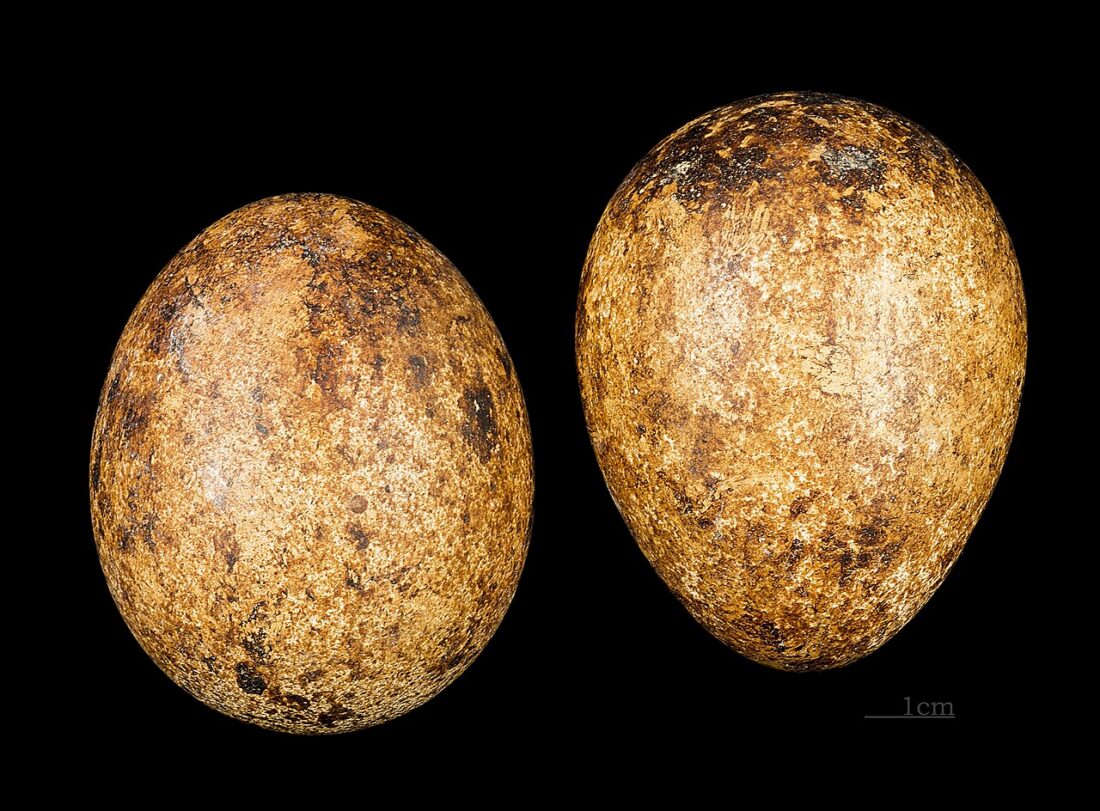
Seeing a crested caracara in the wild is a thrill for even the most experienced birder. Seeing one of their spotted, cinnamon-colored eggs is an even rarer treat. The threatened and distinctive birds, found in limited ranges in Texas, Louisiana, and Florida, build large nests in excess of two feet, where they sit for around a month in the early spring.
American Robin
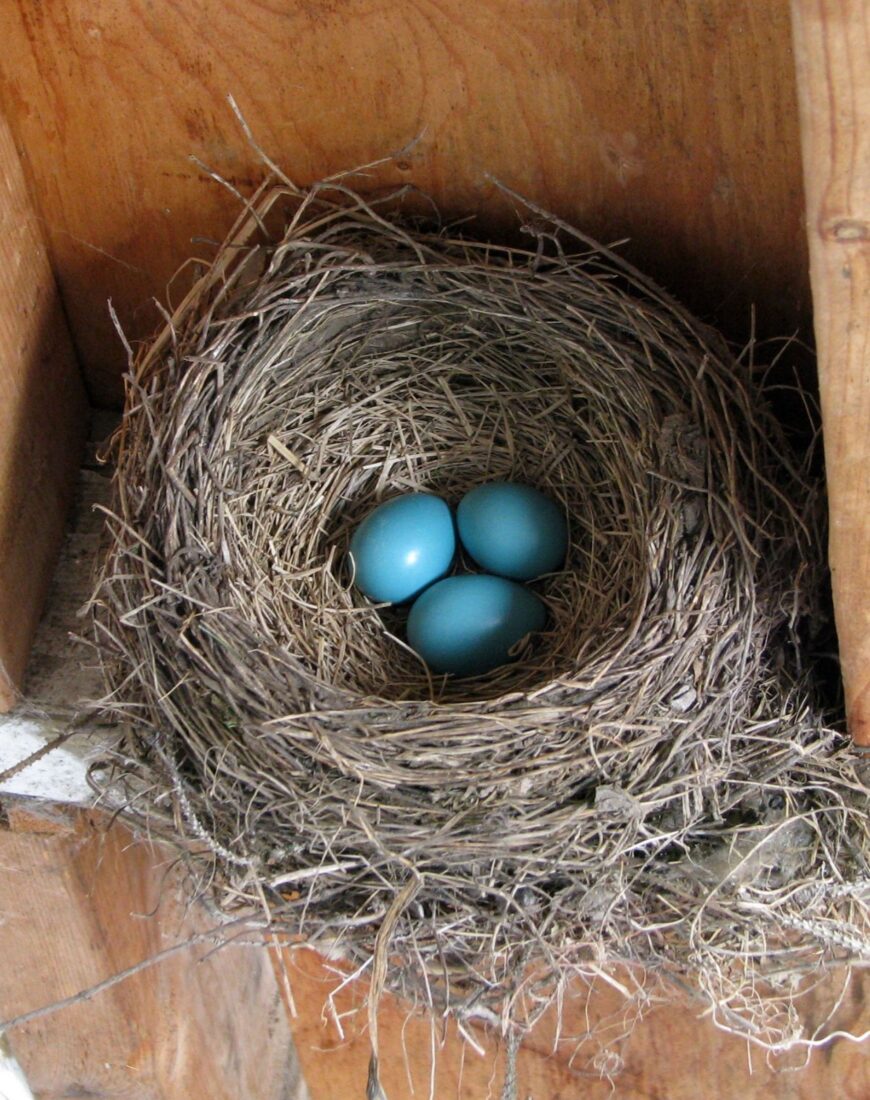
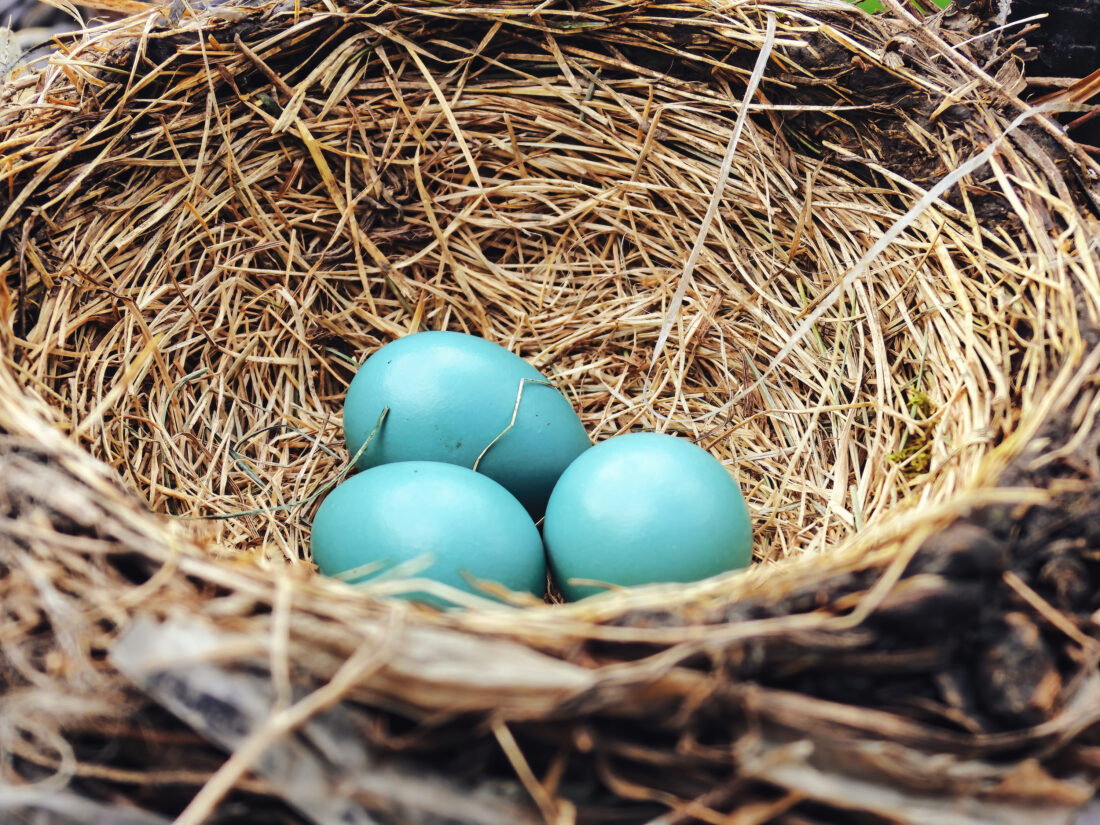
“It’s no wonder there’s an official Crayola color named Robin’s Egg Blue,” Rutter says. With eggs that outshine the vibrancy of any paraffin-wax pigment, the ubiquitous bird found flitting around forests and fields in the Southeast is a fitting symbol of spring. It joins the azure ranks of other iconic Southern egg layers, including the eastern bluebird.
Snowy Plover
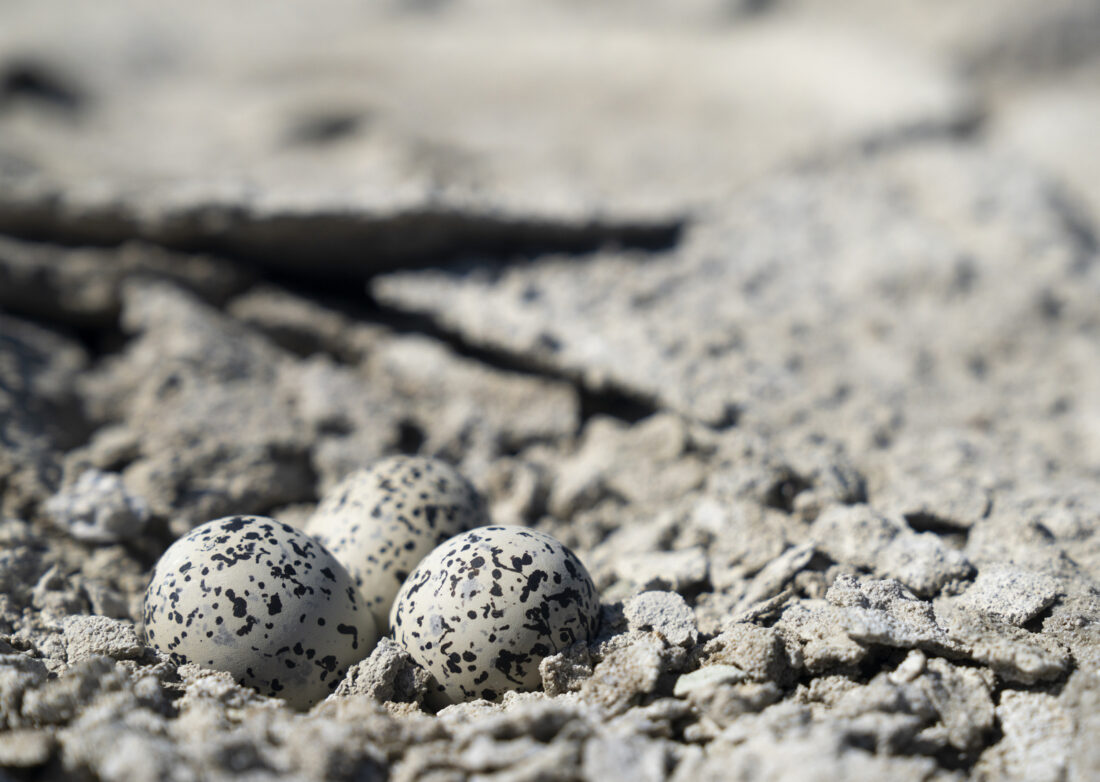
The snowy plover is one in a cohort of species that has evolved eggs that blend into the landscape. Shorebirds like plovers “lay their eggs in shallow scrapes directly on sandy beaches, without the shelter of a nest or shade of a tree,” DeRose-Wilson explains. “The egg coloration and patterning help protect against solar radiation and camouflage the eggs from predators.” The result is a speckled surprise hiding in plain sand. “Its beauty isn’t meant to attract our eyes, but to elude the eyes of a predator,” Del-Rio says. “It is so perfectly adapted to its world.”
Helen Bradshaw is a freelance writer and a born-and-raised Floridian. As such, she has an aptitude for finding alligators and an affinity for the weird and wonderful stories of the South. She graduated from Northwestern University with a focus in environmental journalism.