

Recipe

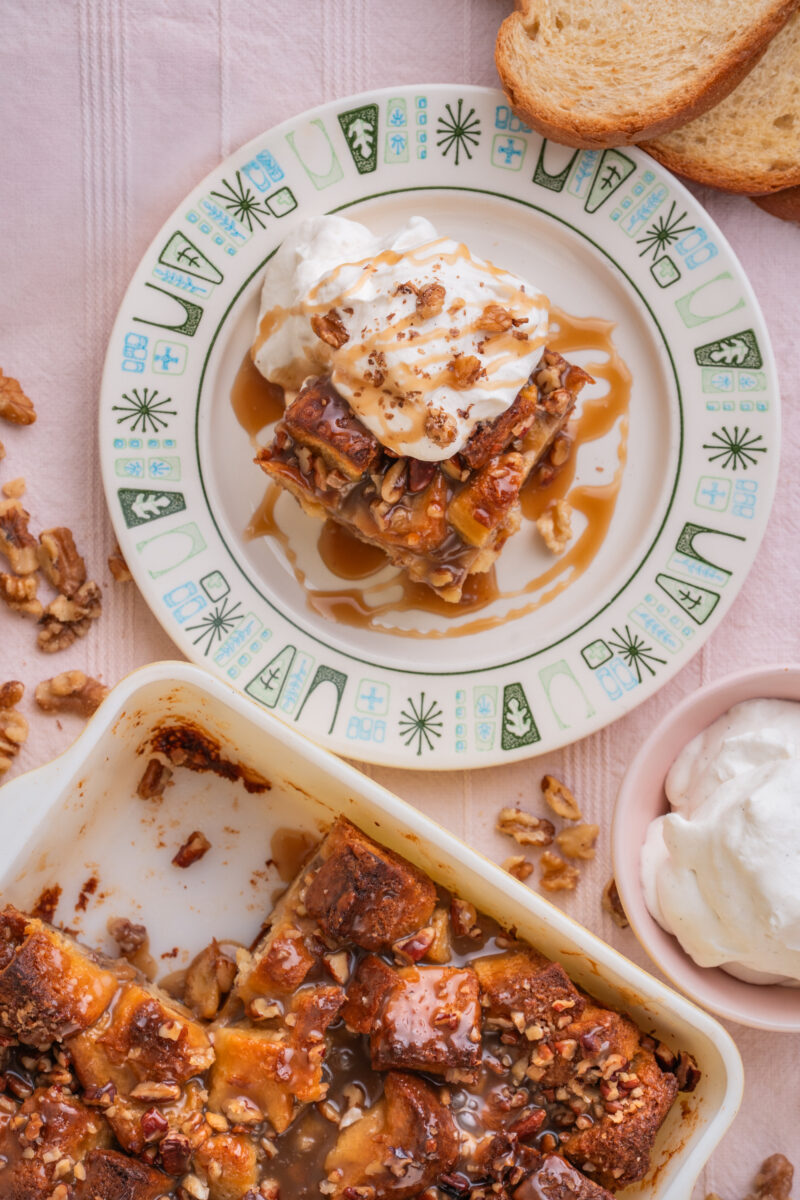
Butterscotch Bread Pudding

Warm butterscotch sauce and salted whipped cream give this retro staple an irresistible update

Bread pudding

Photo: courtesy of Bobby Hicks


Bread pudding has always been my go-to recipe for using up leftover bread before it goes stale. This dish has been around for centuries and was commonly regarded as a peasant’s meal because it made use of stale bread. When you’re a kid, it’s normal to get hung up on things like leftovers, but as an adult, you learn to get creative in reducing waste and making something tasty. Bread pudding became an exciting way for me to reduce waste while enjoying an absolutely delicious treat.

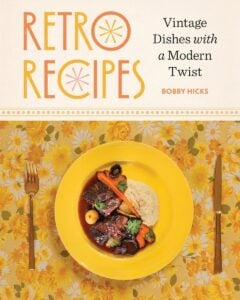
Throughout the 1900s, bread pudding was considered a staple in many cookbooks, as it was essential to utilize everything you had! I believe I could open any book in my collection and find at least one recipe for the dish. While each cookbook offers its unique twist on bread pudding, I’ve particularly fallen in love with a butterscotch version, which I serve with a hot, silky butterscotch sauce, perfectly complementing the custardy pudding. —Bobby Hicks, Retro Recipes: Vintage Dishes with a Modern Twist

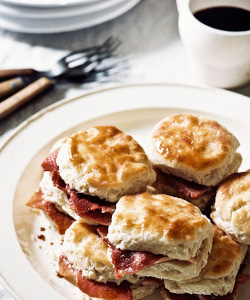
Read our Q&A with Hicks,and check out his recipes for biscuits and sorghum and copycat Cheez-It crackers.
biscuits
Get the Skillet
Our newsletter with the best of Southern food and drink

This site is protected by reCAPTCHA and the Google Privacy Policy and Terms of Service apply.


Butterscotch Bread Pudding

Yield: 10 Servings

For the butterscotch

    • 1 cup brown sugar, packed

    • ½ cup light corn syrup

    • 3 tbsp. butter, unsalted

    • 1 tsp. salt

    • ½ cup heavy cream

For the pudding

    • 1 loaf day-old bread, cut into cubes

    • ½ cup unsalted butter, melted

    • 2 tbsp. plus 1½ cups granulated sugar

    • 4 large eggs plus 2 large egg yolks

    • 4 cups heavy cream

    • 1 tbsp. kosher salt

    • 2 tsp. vanilla bean paste

    • 2 cups pecans, crushed (optional)

For the salted whipped cream

    • 1 cup heavy cream, chilled

    • ¼ cup confectioners’ sugar

    • 1 tsp. salt

    • ½ tsp. vanilla bean paste

Preparation

  1. Make the butterscotch: In a medium saucepan, combine the brown sugar, corn syrup, butter, and salt and bring to a boil over medium heat. Whisk constantly and boil for 3 to 5 minutes, until syrupy. Remove from the heat. Add the heavy cream and stir until smooth. Refrigerate until needed. 
  2. Make the pudding: In a large mixing bowl, toss the cubes of bread with the melted butter and 2 tablespoons of the granulated sugar. In another bowl, beat the eggs and egg yolks with the remaining 1½ cups sugar until they are pale yellow and fluffy. Add the heavy cream, salt, and vanilla to the egg mixture. Pour the liquid over the cubed bread and add the crushed pecans, if using. 
  3. Transfer the bread custard to a 9×13-inch glass baking dish and spread out evenly. Cover with plastic wrap and refrigerate for at least 2 hours, or overnight for best results. 
  4. Preheat the oven to 325°F. Unwrap the casserole dish and bake for about 1½ hours, or until the top is golden brown and a cake tester inserted in the middle comes out clean. Allow to cool for 10 minutes before serving. Meanwhile, make the salted whipped cream and warm the butterscotch sauce. 
  5. Make the salted whipped cream: In a medium bowl, add the cold heavy cream and beat with a whisk until bubbly. Add the confectioners’ sugar, salt, and vanilla and continue to whip until you can scoop a dollop with a spoon and it holds its shape. Be careful not to whip too much, or you could overchurn the cream and cause it to break. 
  6. Serve: Serve the bread pudding topped with the butterscotch sauce and a nice dollop of the salted whipped cream. 

Excerpted from Retro Recipes. Copyright (c) 2026 by Bobby Hicks. Used with permission of the publisher, The Countryman Press, a division of W. W. Norton & Company, Inc. All rights reserved.

Garden & Gun has an affiliate partnership with Bookshop.org and may receive a portion of sales when a reader clicks to buy a book. All books are independently selected by the G&G editorial team.