
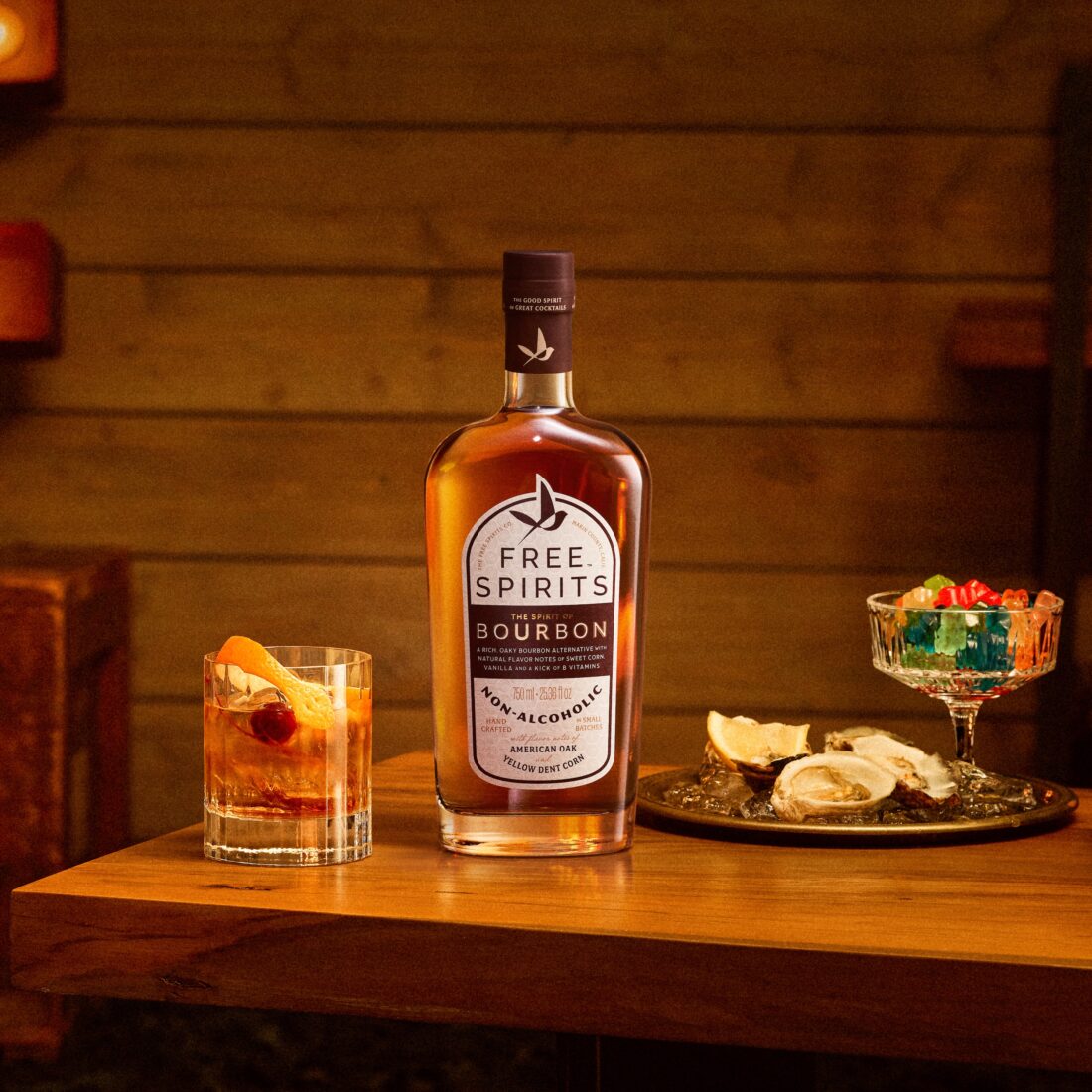
Full disclosure: I’d never had a sip of nonalcoholic bourbon before reporting this story. Nonalcoholic beer, yes—that’s come a long way—and I’ve even enjoyed a few alcohol-free wines (though most still taste like watered-down grape juice to me). But approximating the flavor of a strong spirit like whiskey is a high bar without ethanol’s substance and bite. Replicating the “Kentucky hug,” says Milan Martin, founder of the Free Spirits Company, “is our great white whale.” His company’s alcohol-free alternative, the Spirit of Bourbon, incorporates capsaicin, a compound found in chile peppers, along with other natural ingredients to mimic bourbon’s signature chest-warming bloom.
Martin, a former New York ad executive, spent two decades in what he calls a “work hard, drink harder” business. He still imbibes—just less now—and created the Spirit of Bourbon to enjoy Manhattans, old-fashioneds, and other whiskey-based drinks without overdoing it while preserving, as he puts it, the “ceremony of a cocktail.”
Martin isn’t alone. Americans aren’t drinking like they used to. According to a Gallup poll released earlier this year, 54 percent of U.S. adults say they consume alcohol—the lowest percentage of drinkers in ninety years of tracking. Many others are cutting back or simply rethinking their habits. The moderation trend even has its own lingo: “Zebra striping” refers to alternating full-proof cocktails with no- or low-proof ones during a drinking session. A “split-base” cocktail, which typically refers to using two base spirits in a drink, can also mean mixing equal parts of a spirit with an alcohol-free alternative.
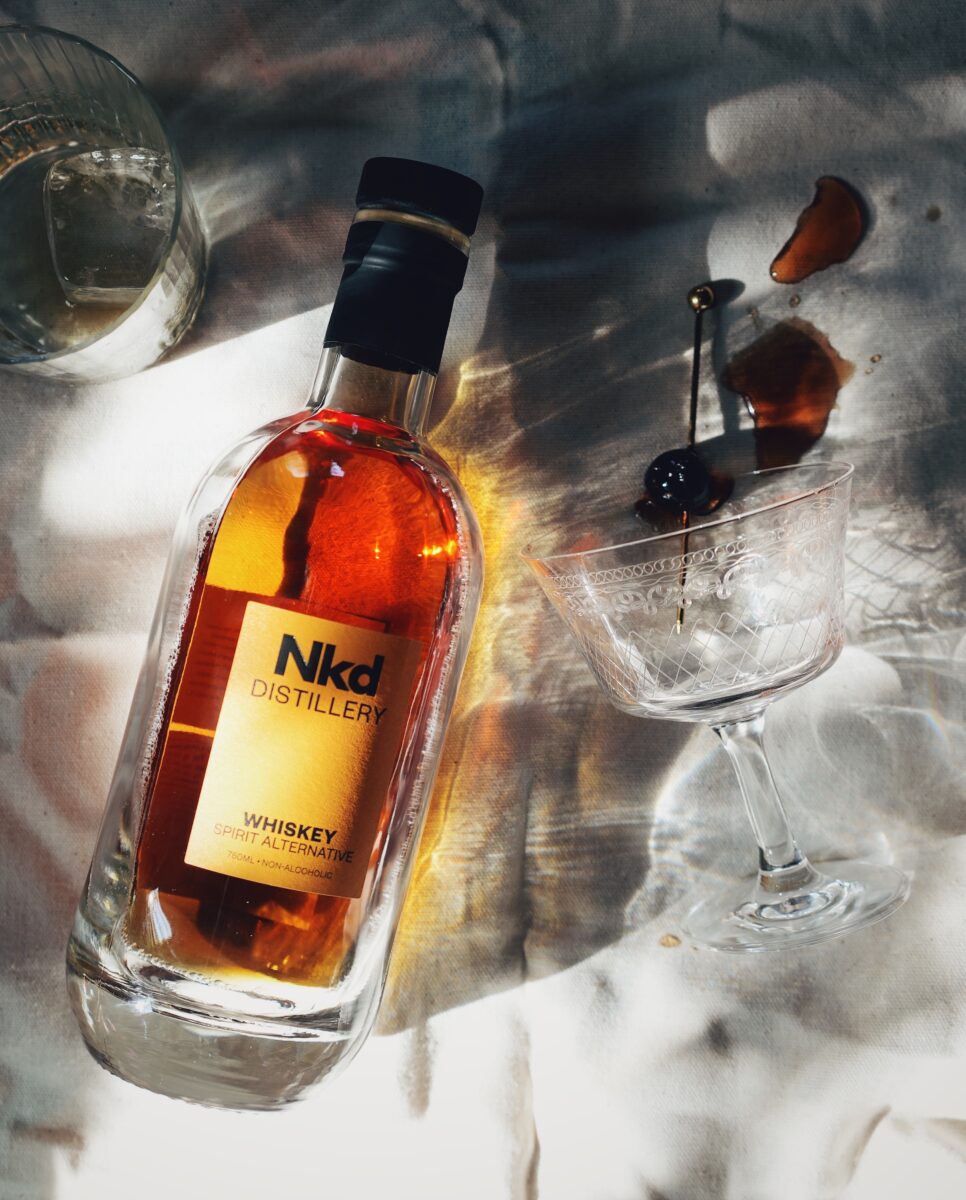
Though still a niche category—alcohol-free wine, beer, and spirits make up slightly more than 1 percent of the $260 billion U.S. alcoholic beverage market, according to research firm IWSR—the segment’s growth far outpaces that of traditional alcohol. That’s encouraging news for small brands like Free Spirits. Other NA whiskeys on the market include versions from Nkd Distillery, Teaspoon, Spiritless, and Lyre’s Spirit Co., all of which I sampled for this article.
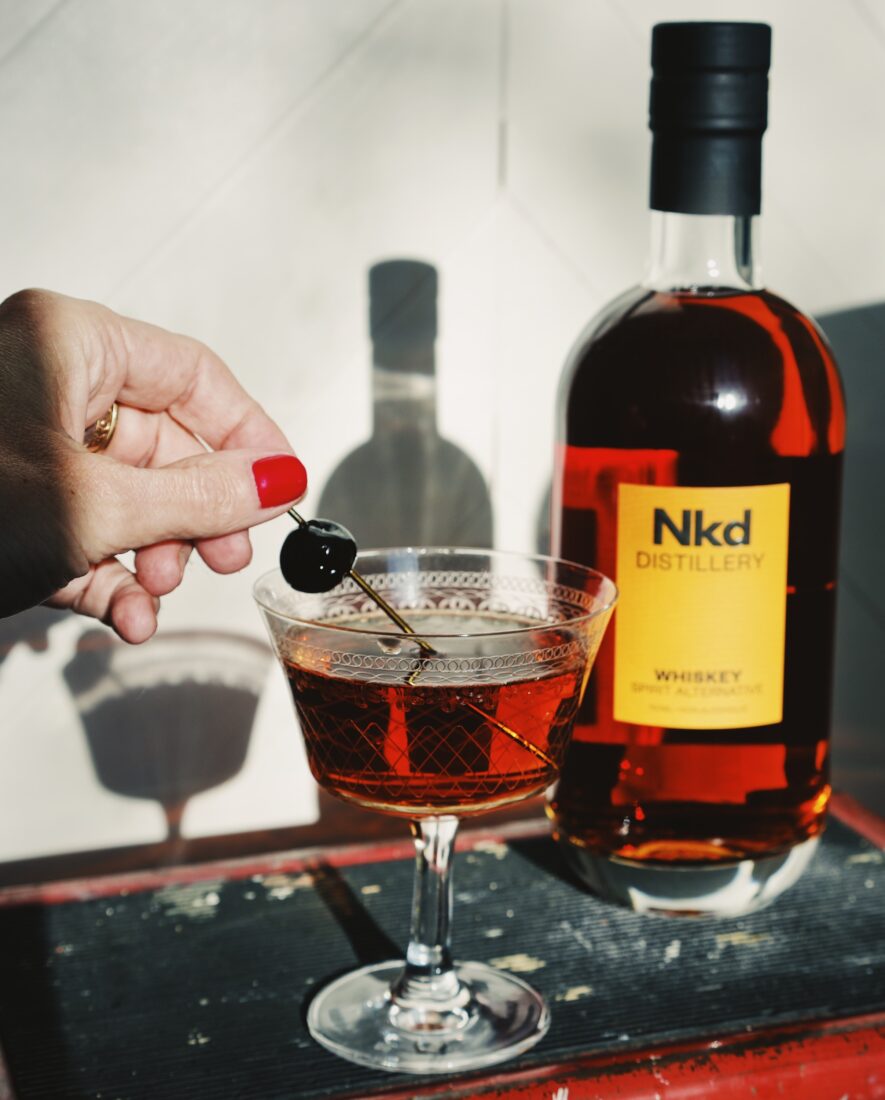
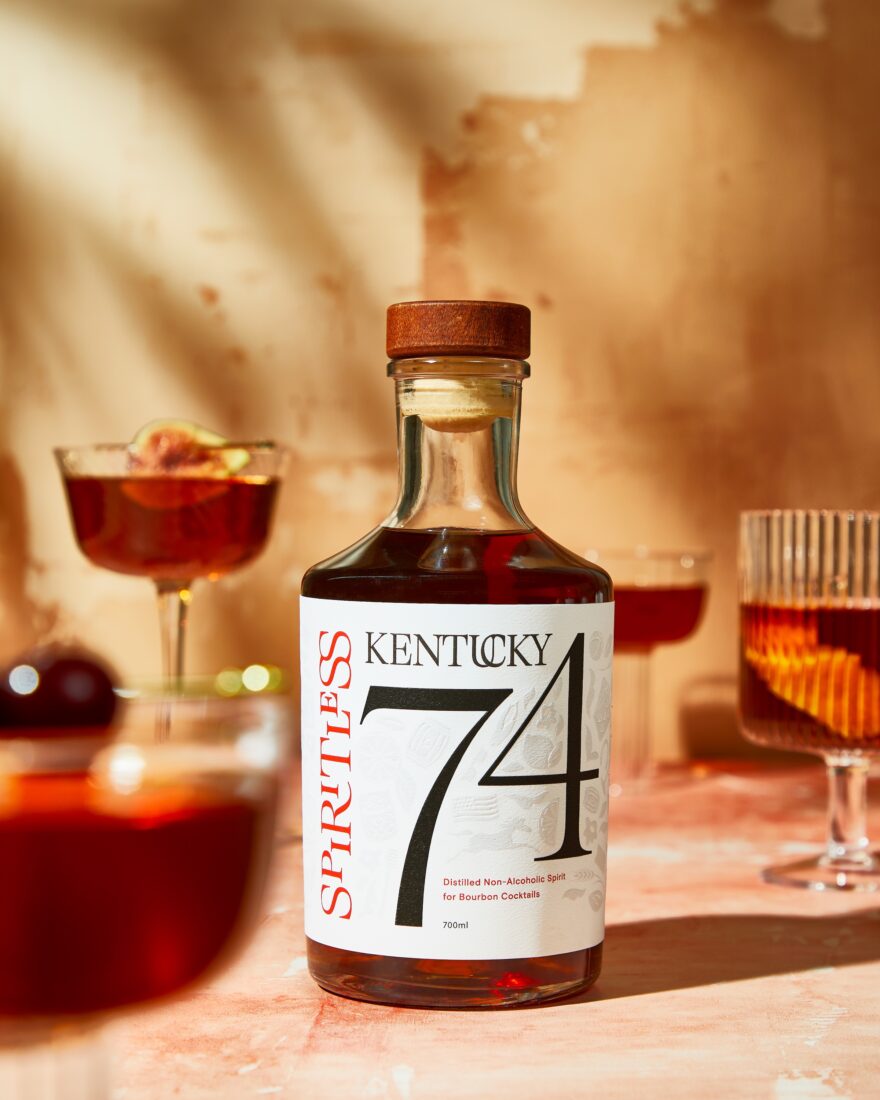
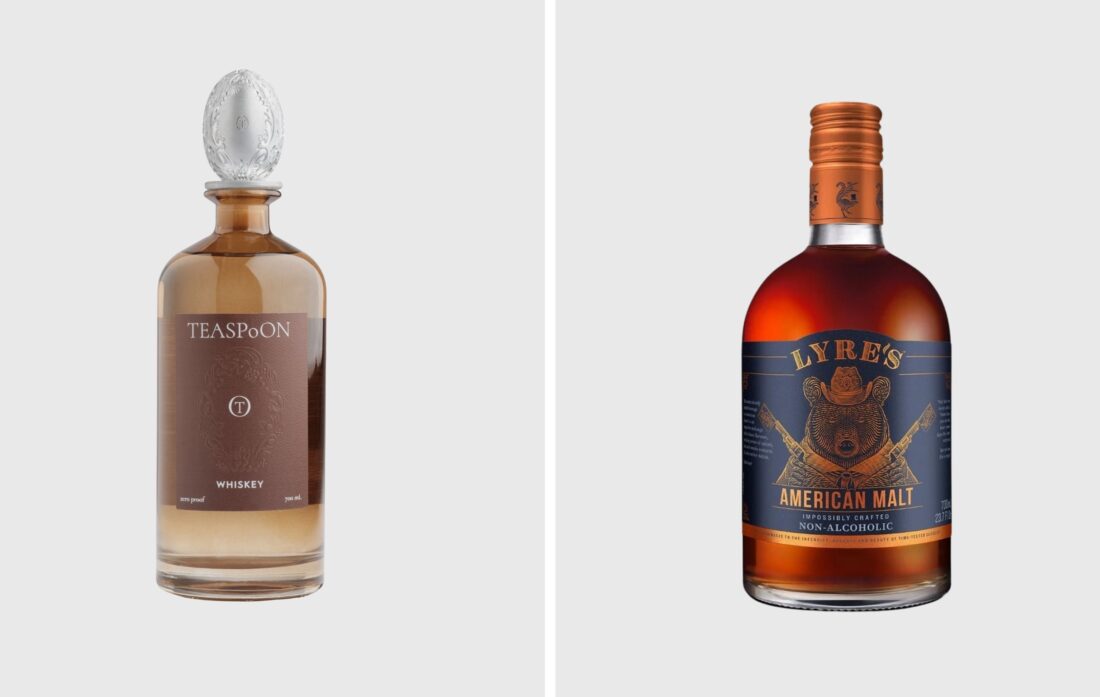
As Nkd Distillery cofounder Carrie Casler notes, most alcohol-free whiskeys aren’t necessarily meant to be sipped neat but rather to evoke whiskey’s familiar flavors in a cocktail. “Whiskey is the most difficult to get ‘right’ in the non-alc space,” she says. “You don’t have that burn—it’s just lighter.” Still, it’s worthwhile sampling several to find what most appeals to your palate. Starting out with neat pours, I could detect notes of vanilla, caramel, oak, and spice, though I can’t say any replicated the depth and structure of their full-proof counterparts. I found both Spiritless’s Kentucky 74 and the Lyre’s American Malt led with caramel and vanilla flavors, while the Spirit of Bourbon, Nkd Whiskey, and Teaspoon’s Zero Proof Whiskey skewed fruitier with oaky undertones.
Nonalcoholic bourbon can be made one of two ways: Start with real whiskey and remove the ethanol through vacuum distillation, reverse osmosis, or similar methods, or build the flavors from the ground up. The former approach is costly and often unsatisfying. “When you dealcoholize something, you rip the backbone out of it,” Martin says. “The alcohol takes with it the body, the character, the nuance.”
Nkd Distillery learned that firsthand. The Louisville-based company initially worked with Bardstown Bourbon Co. to distill and then strip the alcohol from its whiskey alternative, but later reformulated it using all-natural, organic ingredients and a proprietary American oak concentrate. CEO and founder Becca Gardner, a Louisville native, first saw the potential for alcohol-free whiskey after visiting London several years ago and appreciating its booming nonalcoholic bar scene. (The Dry January trend originated in the UK, after all.) “It’s not all about sobriety,” adds Casler. “There’s a general shift toward health and wellness. People just want to cut back and still enjoy a great drink without sacrificing the next morning.”
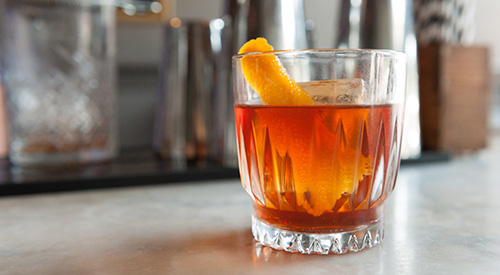
While this aging whiskey drinker has grown to appreciate the value of moderation (“drink less; drink better” has become my credo), I never once closed my eyes and immediately thought “bourbon” while tasting through these nonalcoholic whiskeys. But as advised, in a no- or low-proof cocktail, they can add more complexity and interest than typical concoctions that rely on fruit juice, soda water, and sweetener. I tried each in a low-proof Manhattan, where sweet vermouth and a dash of Angostura bitters added a modest amount of alcohol. Free Spirits’ the Spirit of Bourbon does indeed finish with a kick of heat from the capsaicin, while the Lyre’s American Malt added flavors of allspice and clove. My favorite use was in a split-base Gold Rush, where lemon juice and honey simple syrup (and, OK, an ounce of Woodford Reserve) helped provide additional body and balance.
While I personally won’t be reaching for an alcohol-free bourbon alternative daily, I do see a place for one in my liquor cabinet, and occasionally in my glass. As Casler reminds us: “A veggie burger is never going to be a Kobe beef patty—you’re never going to be fooled—but it can still be delicious. Everything has its time and place.”
Tom Wilmes is a journalist based in central Kentucky who covers bourbon and other spirits, travel, and food. A contributor to Garden & Gun, he has also written for Whisky Advocate, The Local Palate, Southbound, and other publications. A Kentucky Colonel and Certified Executive Bourbon Steward, he has spent years reporting on—and indulging in—the culture he covers, a responsibility he doesn’t take lightly. Follow him on Instagram @americadistilled.