
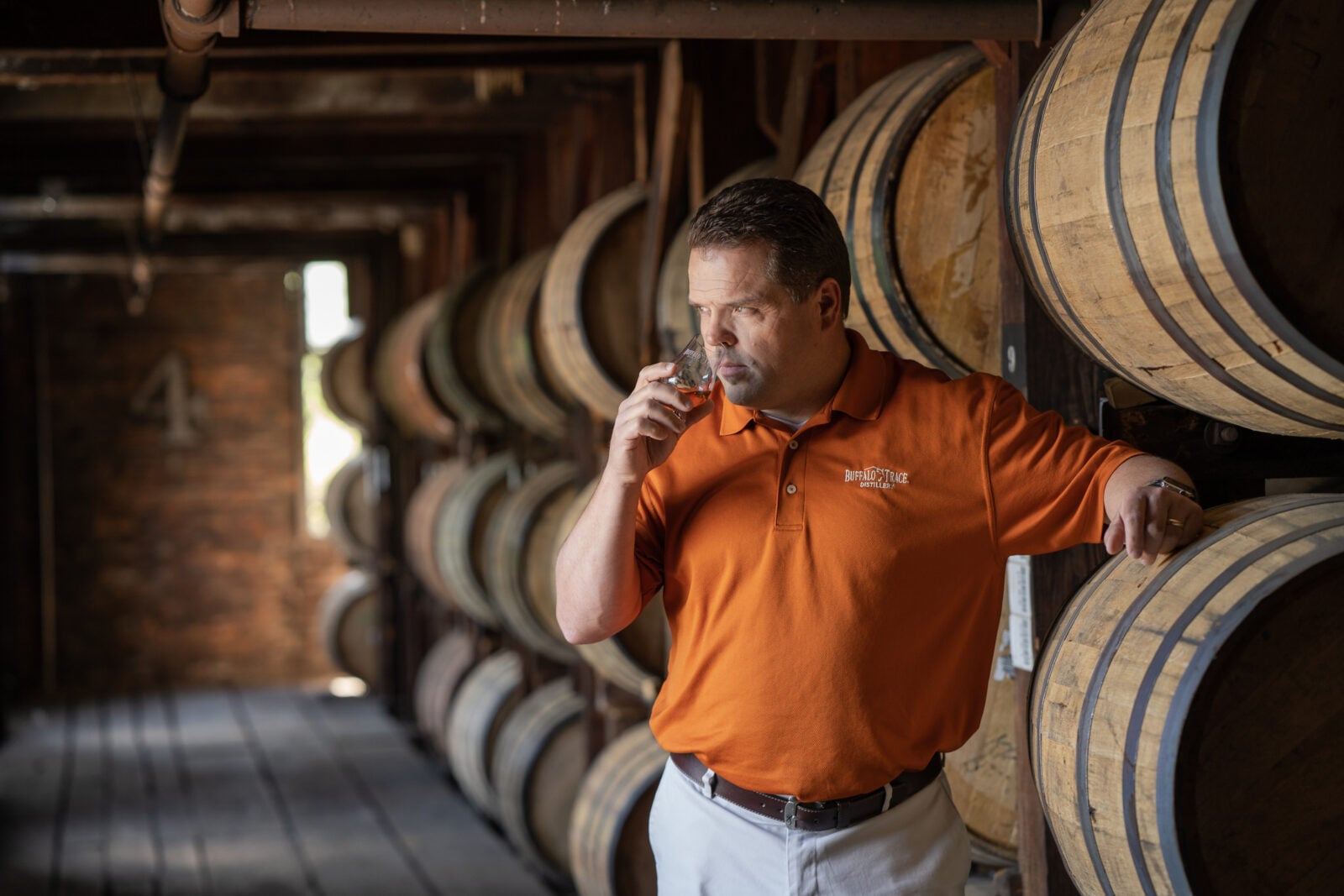
As master distiller at Buffalo Trace Distillery, Harlen Wheatley oversees the production of iconic brands including its eponymous bourbon, Eagle Rare, Weller, Blanton’s, Stagg, and E.H. Taylor. Behind the scenes, he’s also responsible for one of the industry’s most ambitious experimental whiskey programs, a decades-long deep dive into everything from grains and fermentation to warehouse airflow and barrel woods, all with the intent of better understanding how each imparts flavor and impacts the process. “Our philosophy is that the best bourbon hasn’t been made yet,” Wheatley says.
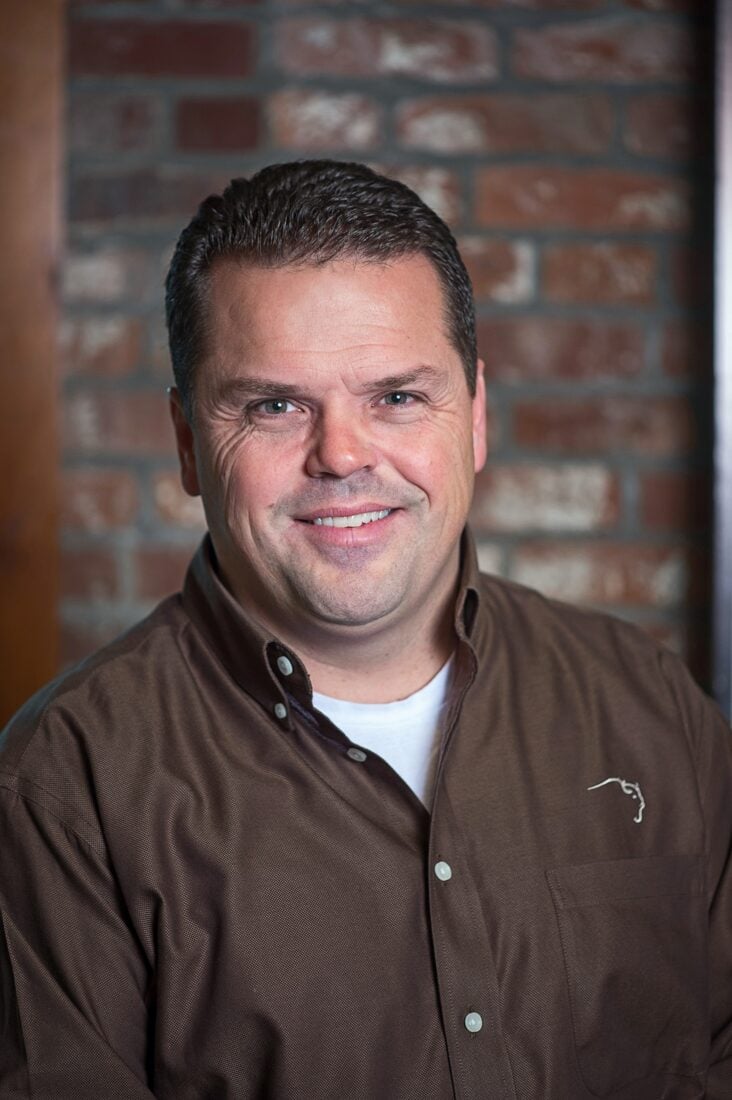
We sat down with the Kentucky native and trained chemical engineer, who joined Buffalo Trace as a supervisor in 1995 and became master distiller in 2005, to talk about the art and science of bourbon, planning for the future, and what he may be pouring during the upcoming G&G Distilled weekend in Naples, Florida, this September.
How do you decide which ideas are worth testing, knowing it may be decades before you taste the final result?
Our team and ownership have always been very supportive of innovation and trying new things. Twice a year we get together to review ideas, look at what’s happening around the world, and decide what deserves our attention next. Some experiments are designed to last twenty years or longer. Sometimes they take years just to get started. When we did the Mongolian Oak project, for example, it took us two years just to acquire the wood. Once we had it, then we had to figure out how to get it here.
Not every experiment is intended to become a new product. Sometimes we’re simply trying to become better distillers. We study every aspect of the process—environment, production, aging, wood, the chemistry of the whole thing. I always say it’s a lifetime’s worth of work—really, it’s more than a lifetime.
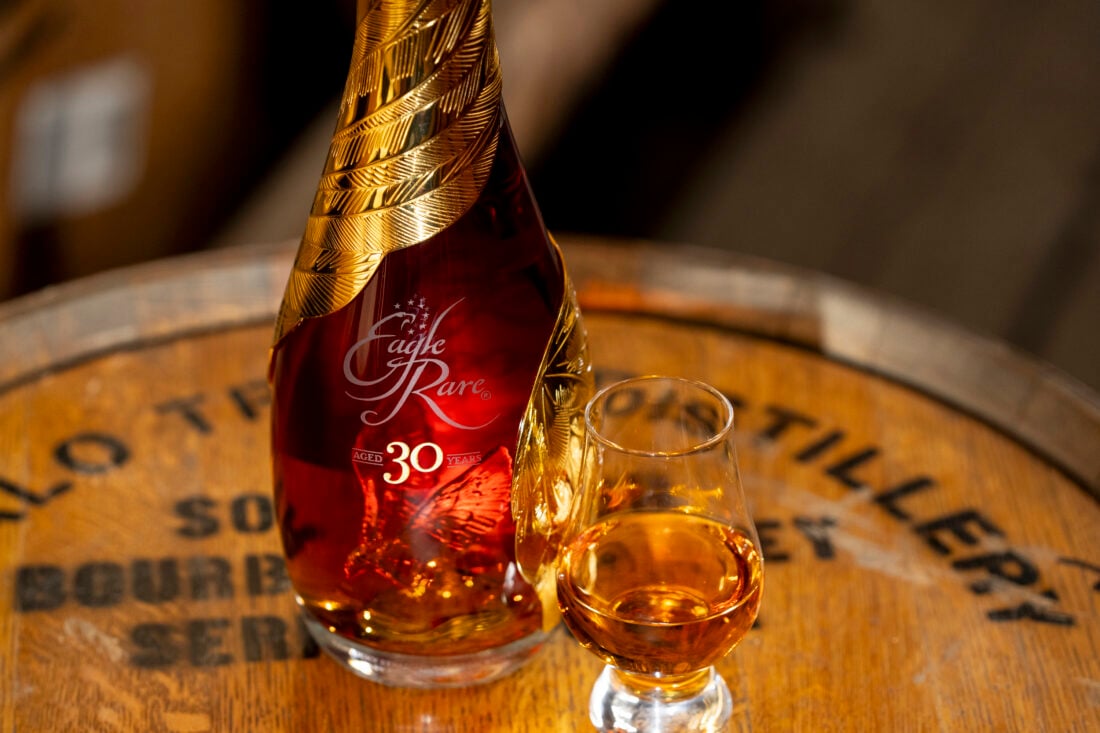
Buffalo Trace has established brands that also serve as different lanes for experimentation. Eagle Rare focuses on maturation, Weller explores wheat, and E.H. Taylor often looks at ways to innovate within tradition. How does that all fit together?
We really didn’t begin large-scale experimentation until about 1996. One of the first questions we asked was, “If we’re going to do these experiments, what are we going to do with them when they’re done?” Some naturally fit existing brands, while others became part of what we call the Experimental Collection. Those are smaller experiments—maybe two or three barrels—and that gives us a way to share those ideas with the public.
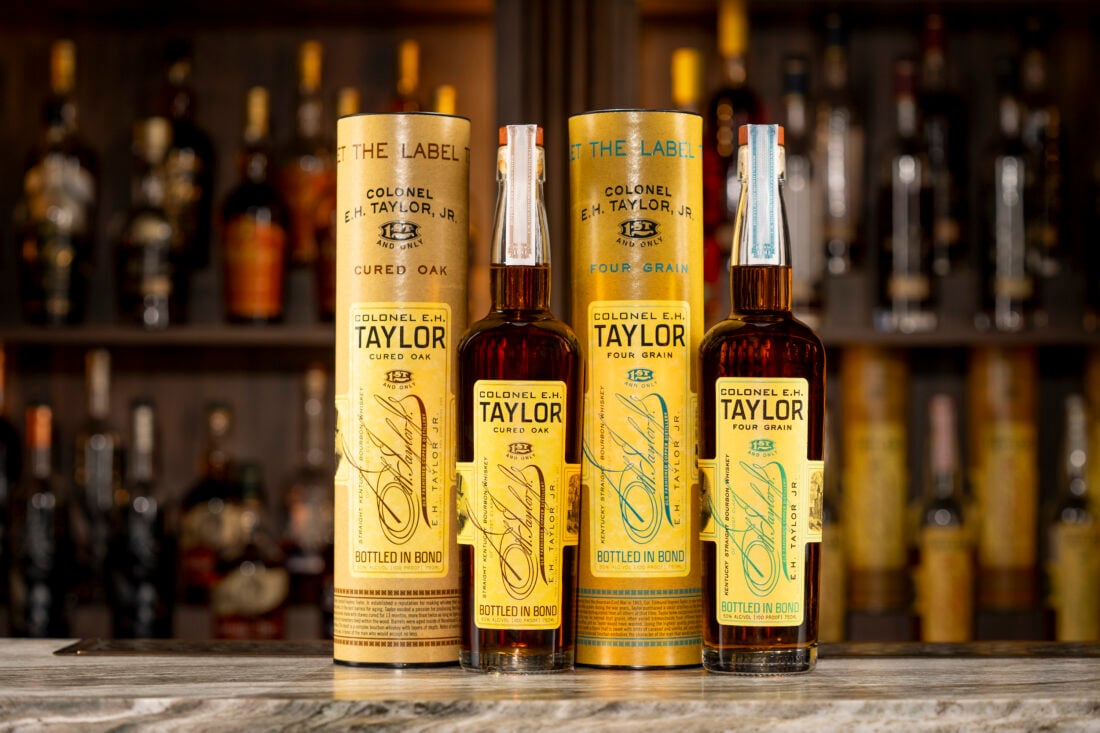
We connected larger-scale experiments to brands like Taylor. Four Grain is a good example. We asked, “What happens if we combine rye and wheat in the same mash bill and make a four-grain bourbon?” We’d never done that before. Then, lo and behold, it won World’s Best Whisky. We said, “I guess we’re on the right path,” and we graduated that experiment to a full-time product.
The challenge is having the confidence to project that something is going to become a great bourbon. If you believe that, you’d better start making more of it, because otherwise you’ll have an eight-, ten-, or twelve-year gap before you can release it again. That does happen. We’ll get tremendous feedback on an experiment, but we don’t have anything in the pipeline. So, we go off and make more, put it in the warehouse, and people forget about it. That can actually be a good thing because years later we get to surprise and delight people all over again. That’s one of the fun parts of the job.
One of the distillery’s warehouses, Warehouse X, was built to house long-term research projects. What are you hoping to learn there?
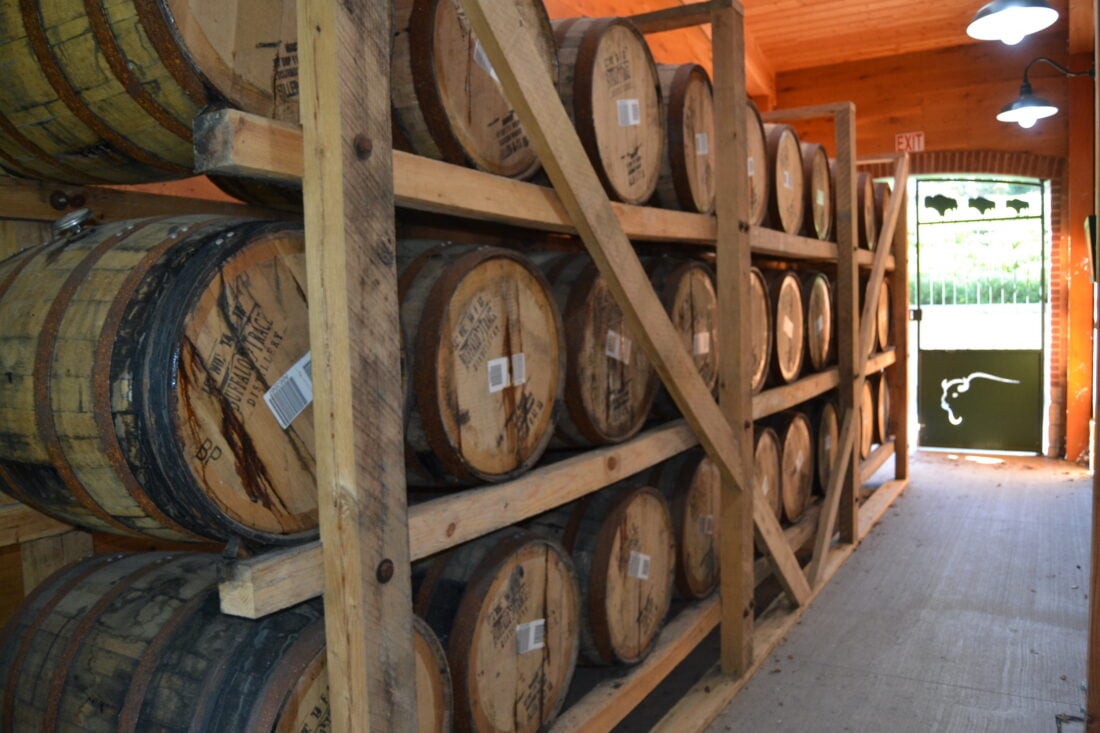
We built Warehouse X in 2013 with a very specific purpose. We wanted what were essentially wind tunnels inside a warehouse where we could control temperature, humidity, airflow, and even surface temperatures created by sunlight. We laid out roughly twenty years of experiments, and I guess we’re about halfway through some of them now. Really, there’s no end to it. We called it “the future of aging” because, ultimately, we’d like to be able to predict, with some degree of accuracy, what a bourbon is going to taste like as it ages.
At the same time, we’re mapping temperature, humidity, and airflow throughout our traditional warehouses. If we can develop a strategy based on what a barrel is exposed to—how many heat days it experienced, how much airflow, all those environmental factors—we should be able to predict some of the characteristics that will develop in that bourbon.
After decades of studying bourbon so closely, does the mystery still remain?
I’m glad you brought that up because I always say that’s the art of the business. You can taste based on current samples, and then you have to have the experience to know, okay, if this bourbon barrel experiences this again for the next four or five years, what do you project this will taste like? So that’s the art of the whole thing. It’s backed by science, but you’ve got to balance the two.
You’re filling barrels today for bottles people won’t drink for many years. How do you plan that far out?
I like taking a little survey when this question comes up. I’ll ask, “How many people were drinking Pappy Van Winkle twenty-three years ago?” Usually only a few hands go up. Then I remind them that, today, we have to project how many of them are going to want a bottle of Pappy Van Winkle twenty-three years from now.
That’s the leap of faith, and one of the things that makes bourbon different from almost any other industry. Every barrel we fill is based on what we think people will want to drink in the future. You also want to think about what markets it will go into. Even with today’s market conditions, we feel like we’re just getting started. We really haven’t made a significant dent in the global market. We’re only beginning to release products in places like India, for example, while also building our sales programs, storage plans, and distribution channels. All of that takes time.
Bourbon isn’t built for the short game.
No. It’s not for the weak of heart, either.
If bourbon enthusiasts shadowed you for a week, what might surprise them most?
Every day is different. We’re working on construction projects, expansion projects, and day-to-day distillery operations. At the same time, I may also stop by the gift shop and sign a few bottles for people. I enjoy doing that.
I also like knowing the details, and I don’t like surprises. I’ll crawl inside a still or a boiler—that doesn’t bother me. I want to see what’s happening because I want to make good decisions based on firsthand knowledge and data. I think people would be surprised by just how much detail goes into making bourbon. The process itself is simple—you take grain and turn it into whiskey—but when you look at each individual step, it’s incredibly complex.
You’re hosting G&G’s Distiller Dinner in Naples this fall. Anything you can share about what you’ll be pouring?
We’ll definitely want to showcase the variety we have, and, fortunately, we have an almost endless variety to choose from. We always try to have something special on the docket. I’m sure we’ll also look at pairing with the different dishes, and I imagine we’ll have something pretty exciting with dessert, too.
Last call: What’s usually in your glass at home?
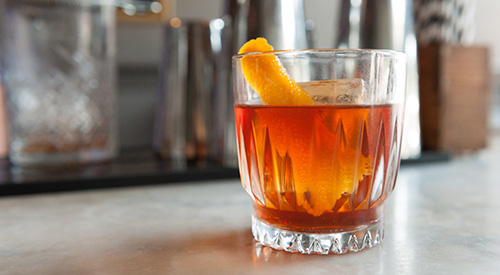
My wife makes a fantastic old-fashioned. She’s perfected it over the years, and there’s been a lot of research involved. We’ll usually have a couple on the weekends. I’ll typically use Buffalo Trace or Eagle Rare—those are my go-tos. I’m a high-rye bourbon guy. I like that spice, and it shows through in cocktails.
But I also love trying new things. That’s one of the things I enjoy most about bourbon. It’s such a versatile spirit. You can make incredible cocktails, or you can drink it neat and appreciate all the flavors. However people want to enjoy it is perfectly fine with me.
Tom Wilmes is a journalist based in central Kentucky who covers bourbon and other spirits, travel, and food. A contributor to Garden & Gun, he has also written for Whisky Advocate, The Local Palate, Southbound, and other publications. A Kentucky Colonel and Certified Executive Bourbon Steward, he has spent years reporting on—and indulging in—the culture he covers, a responsibility he doesn’t take lightly. Follow him on Instagram @americadistilled.