

What exactly is “finished” bourbon? The question is entirely justified given the recent proliferation and sheer variety of expressions carrying that term on their labels. At a basic level, finishing can be as simple as adding oak staves inside a maturing barrel to nudge the taste and complexity of the final product. More commonly, it refers to the practice of transferring bourbon that’s been aged in new, charred oak barrels (as required by law) into a second barrel made from a different variety of oak or that previously held wine or other spirits such as rum or tequila.
The goal of this “secondary finishing” is to push bourbon’s defining flavor profile—vanilla, caramel, baking spices, oak—into new and sometimes surprising dimensions. It’s important to note, however, that most finishers aim to enhance bourbon’s characteristics, not mask them.
While the process is integral to Scotch, 90 percent of which matures in used bourbon barrels, the very act of adding a step and altering flavor would seem to violate the strict rules of what can be called bourbon. Drilling deep into the regulatory fine print reveals potential loopholes, but regardless, distillers walk the line with label language such as “straight bourbon whiskey finished in tequila casks.”
“In some sense, finished bourbon is the Wild West right now,” says Owen Martin, master distiller of Angel’s Envy, the Louisville-based brand widely credited with pioneering finished expressions more than a decade ago. “Eventually the government might need to come in and formalize the practice. We do it here by spelling things out—taking a mature American whiskey and putting it into a second barrel.”
After some initial skepticism from bourbon purists, the last few years have seen a wave of craft distillers specializing in finished whiskeys and major distillers adding finished expressions to their portfolios. As the category grows, it has also become more innovative, with some distillers using non-liquor barrels and blending two or more secondary finishes. (Honey and Brazilian oak? Sure, why not?)
“There are only so many ways to innovate using the existing rules,” Martin says. “Finishes give you a new, expansive tool set to engage new audiences. Internationally, a rum-finished bourbon might appeal to a rum-drinking market, or a port-finished bourbon might appeal to a port-drinking market.”
If you’re looking to explore the category further, here are six whiskeys to try that span the spectrum of finishes, from simple to mad-scientist experimental.
Toasted Double Oak
Green River Distillery
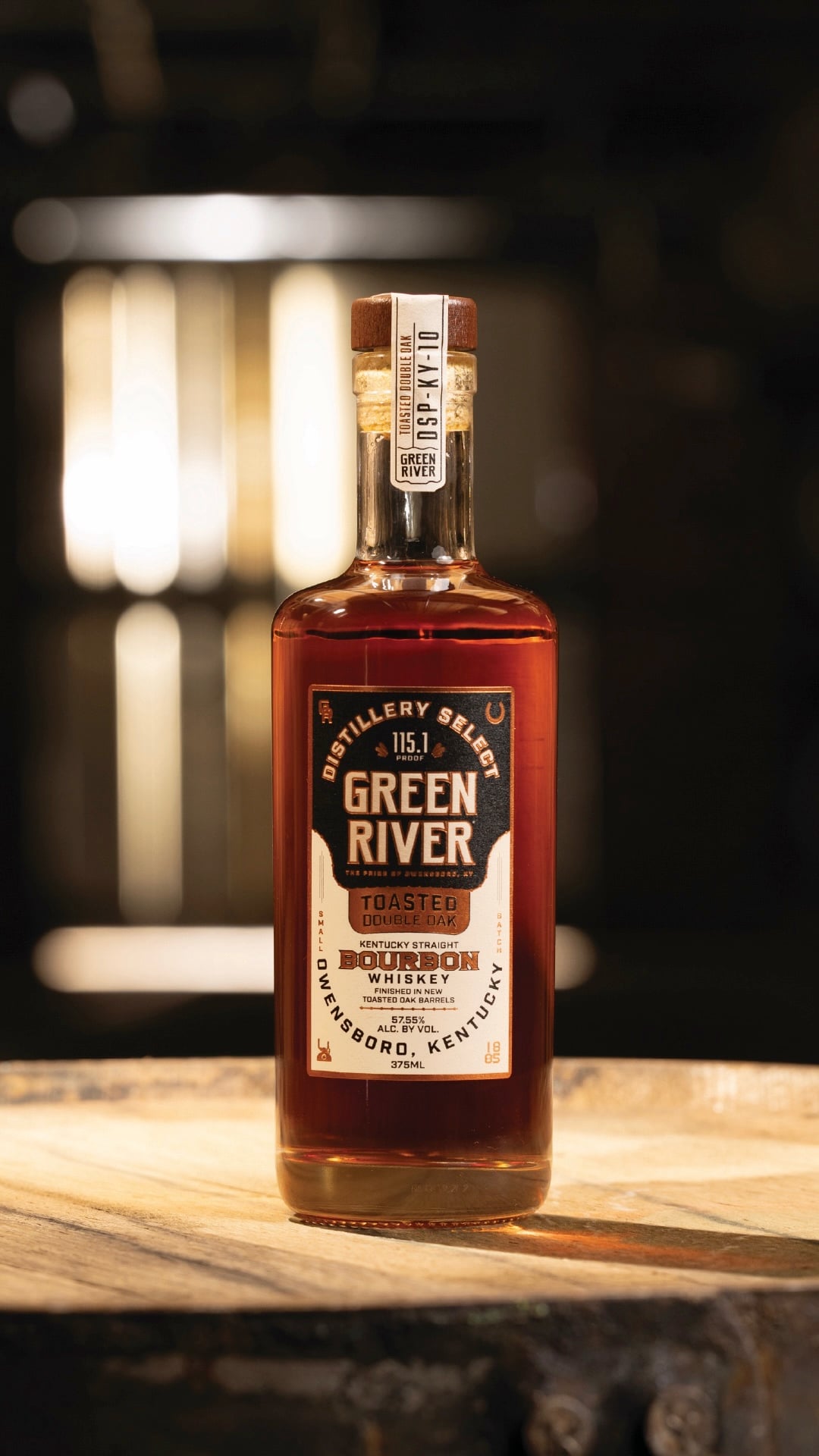
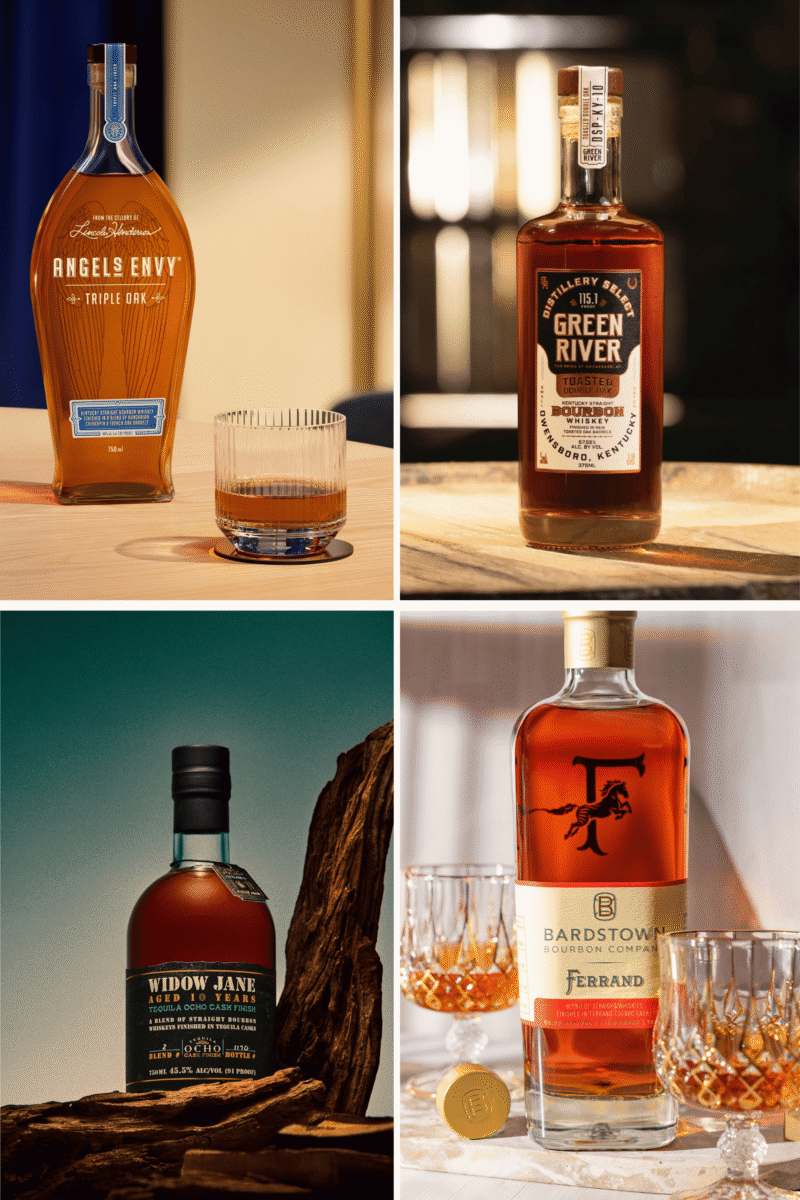
The Owensboro, Kentucky, brand’s new Distillery Select series spotlights specific, limited-edition finishes, proofs, or rickhouses. The inaugural release keeps things straightforward with thirteen barrels of eight-year-old bourbon finished for an additional six months in new, lightly charred barrels that also received a medium toast to coax wood sugars to the fore. “The strong fruit flavors of Green River are ideally suited for a double barrel,” says master blender Dan Callaway. Bottled at 115.1 proof, fairly high for a finished bourbon, the result is a concentration of those fruity notes with elevated toasty smoke from nose to finish. Released in late June, the expression has already been awarded Double Gold at the prestigious San Francisco World Spirits Competition. ($50, 375ml).
Triple Oak
Angel's Envy
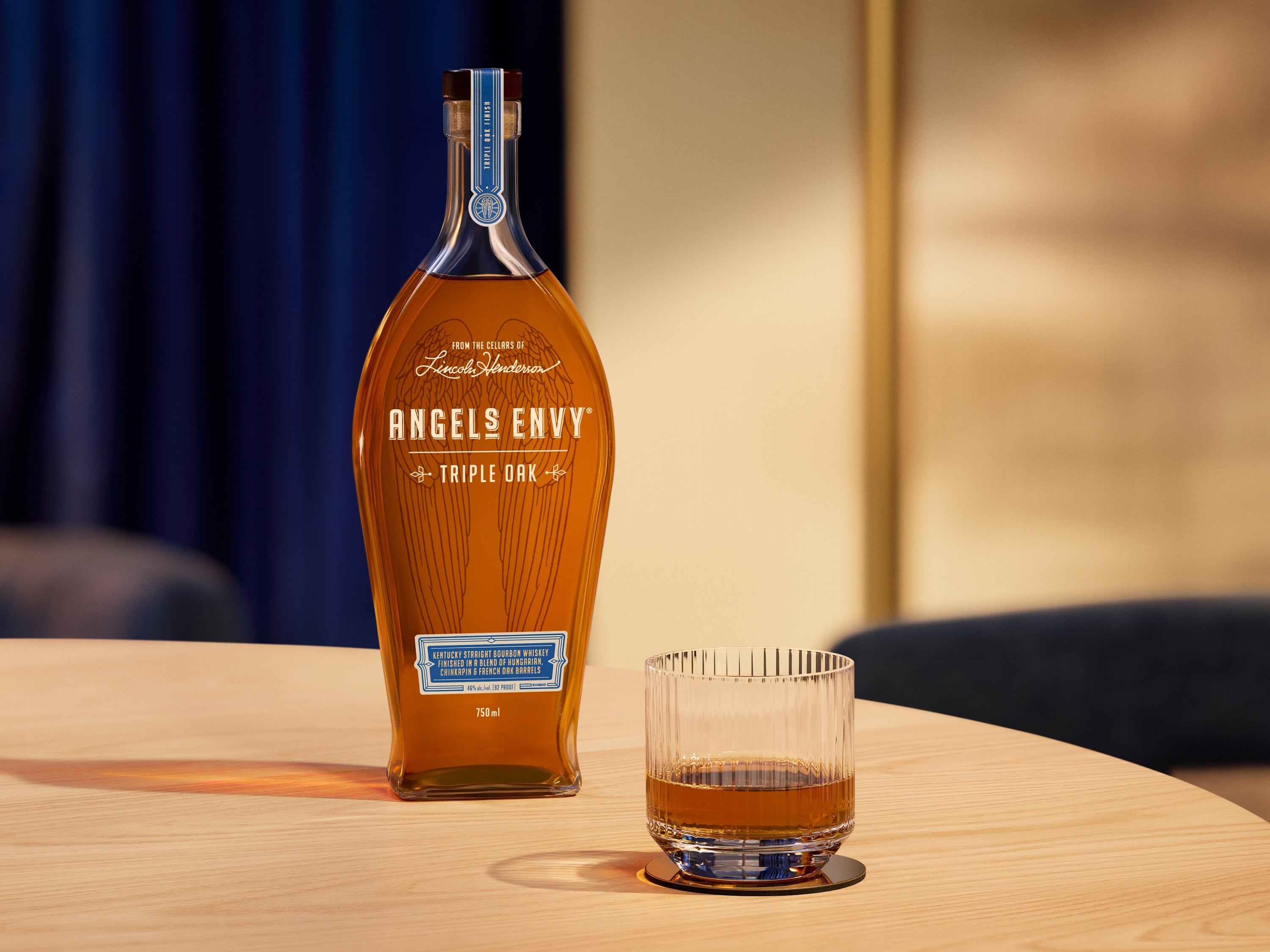
Different oaks for different folks, right? One of Angel’s Envy’s trio of signature whiskeys (along with a port-finished bourbon and rum-finished rye), Triple Oak divides Kentucky straight bourbon into new secondary casks made from three different oaks. French oak is known for warm baking spice; Hungarian oak for dried fruit and nuttiness; and chinkapin oak, an American subspecies, for caramel and spice that leans toward white pepper. After aging for differing periods, those bourbons are blended to 92 proof. In addition to ripe stone fruit and enhanced spice, you might expect the emphasis on oak to yield dryness, but the mouthfeel is surprisingly juicy. ($65, 750ml).
Maison Ferrand Finish II
Bardstown Bourbon Company
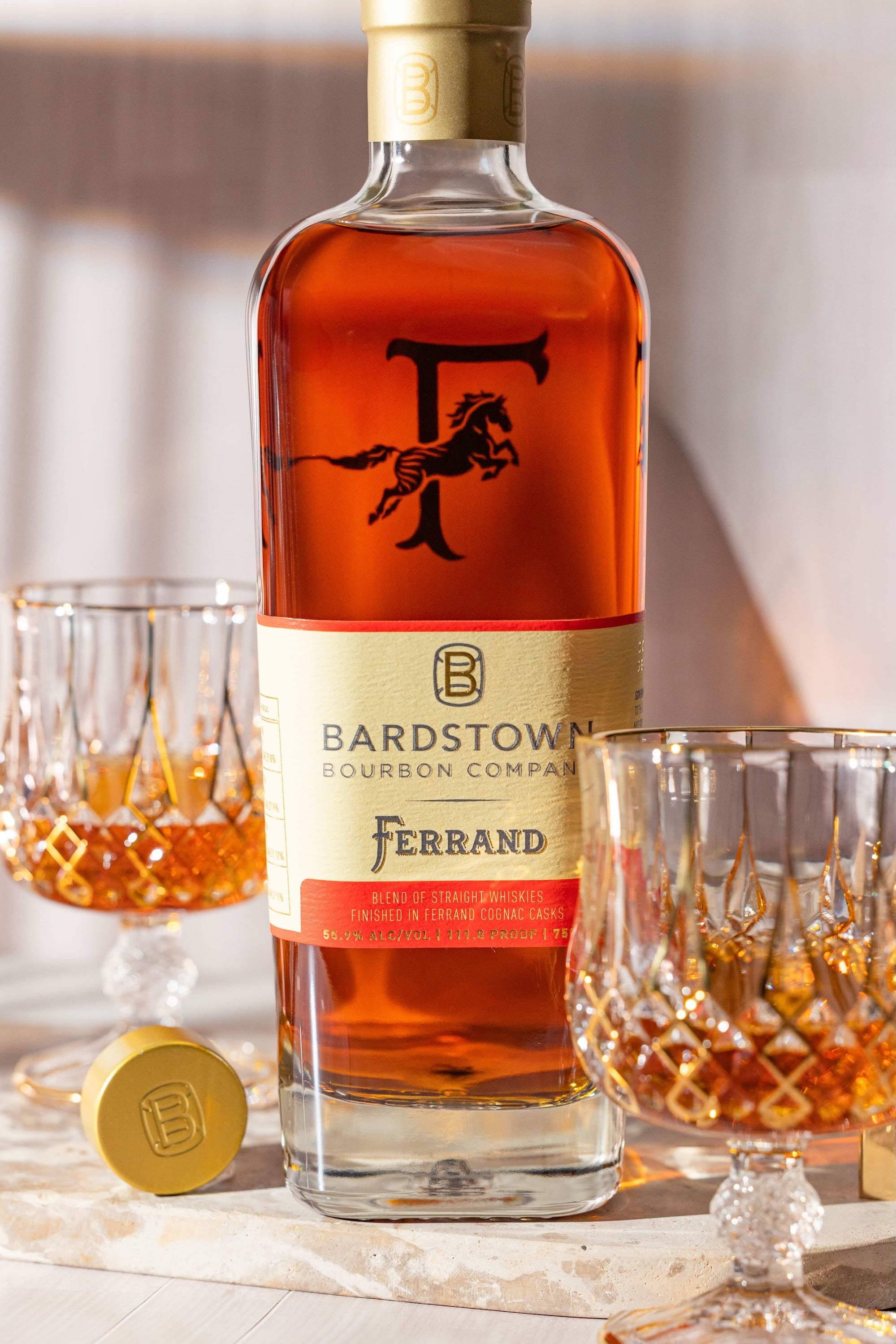
Part of BBC’s Collaborative Series, devoted to finishing in barrels sourced from noted spirits producers around the world, this is the second edition of a popular expression that puts 93 percent Kentucky bourbon aged nine to twelve years and 7 percent rye into barrels shipped from France that previously held Maison Ferrand Cognac. Notably, BBC extended the secondary casking to fifteen months, double or triple the duration of many finishes, before bottling at 111.8 proof. Even so, the cognac influence doesn’t overwhelm but is pleasantly recognizable in floral notes and velvety roundness. ($140, 750ml).
Tequila Ocho Cask Finish
Widow Jane Distillery
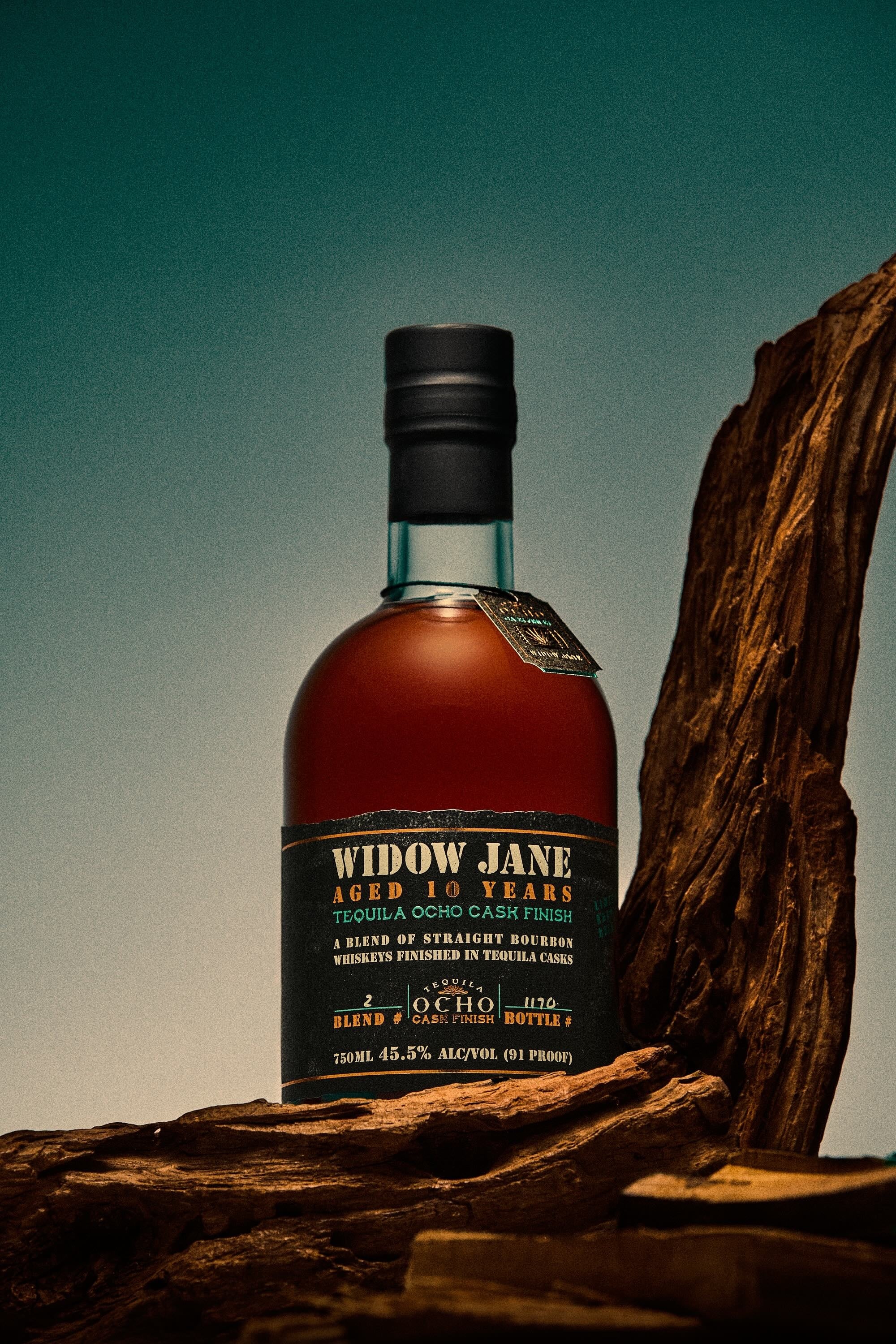
In 2022, New York City’s Widow Jane gave Jalisco, Mexico’s esteemed Tequila Ocho used bourbon barrels to age reposado tequila. Last year, Tequila Ocho returned the favor, for the first time allowing its aged tequila barrels to be repurposed for finishing whiskey. For the occasion, Widow Jane rested its flagship, ten-year bourbon in the tequila casks for eight months and bottled it at 91 proof. Given tequila’s strong flavor profile, it’s no surprise that the outcome delivers a deep note of herbal agave character while not succumbing to it. “We treated the agave character as a prism, not to mask our whiskey but to refract it,” says Widow Jane head distiller Sienna Jevremov. ($75, 750ml).
Dovetail
Barrell Craft Spirits
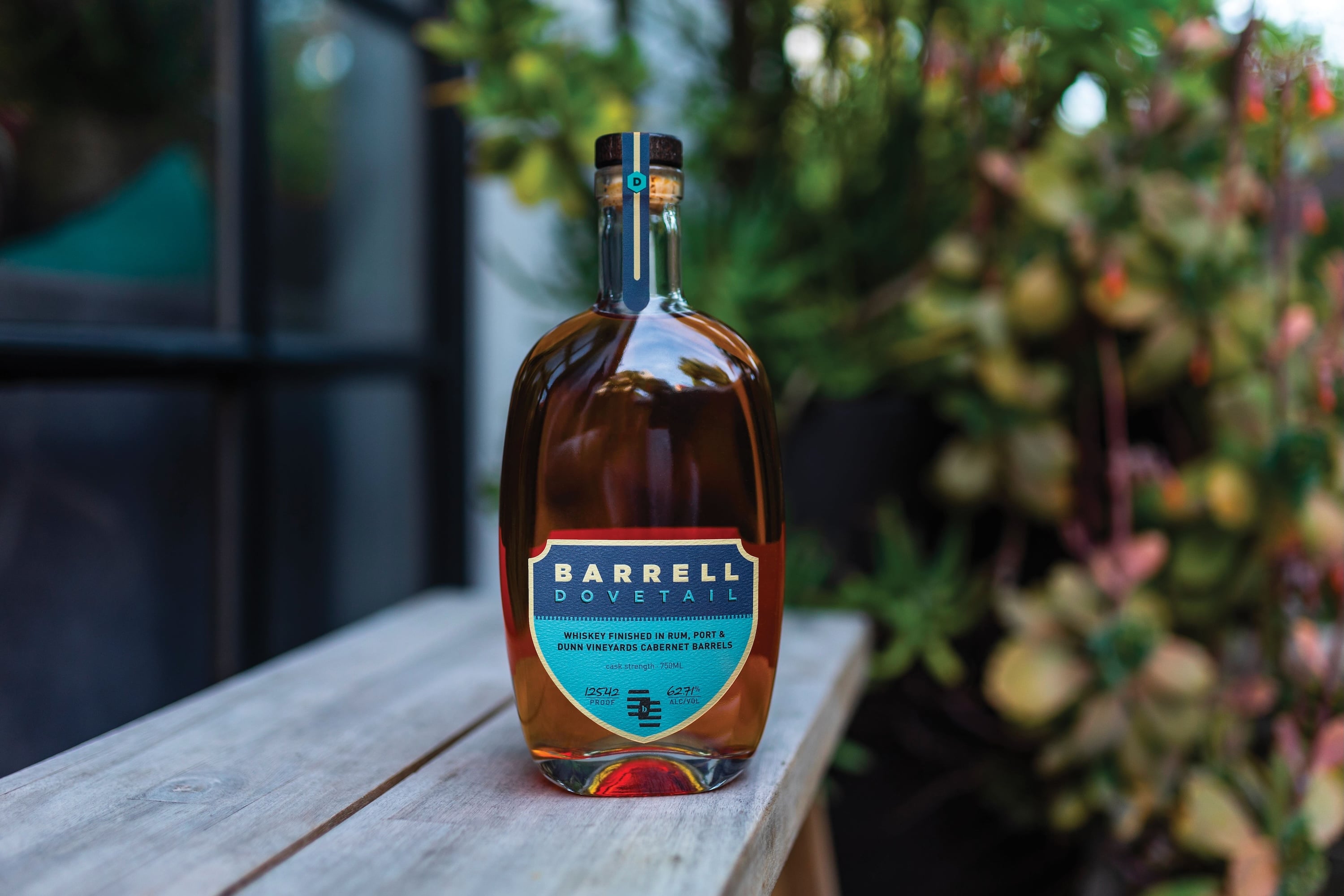
“Our orientation is that finishes should be subtle, not overpowering,” says Barrell Craft founder Joe Beatrice. “We’re trying to elevate the spirit through our finishes, and Dovetail is one of my favorites.” That philosophy explains why a blend of Indiana and Tennessee whiskeys finished in Dunn Vineyards cabernet casks, blackstrap molasses rum casks, and well-aged ruby port pipes (long, tapered barrels) isn’t defined by any one of those components but instead seamlessly merges into what could be taken as a complex straight bourbon with notes of toasted marshmallow and honey, and it sips pleasantly well below its cask strength of 125.42 proof. ($85, 750ml).
Havana
Penelope Bourbon
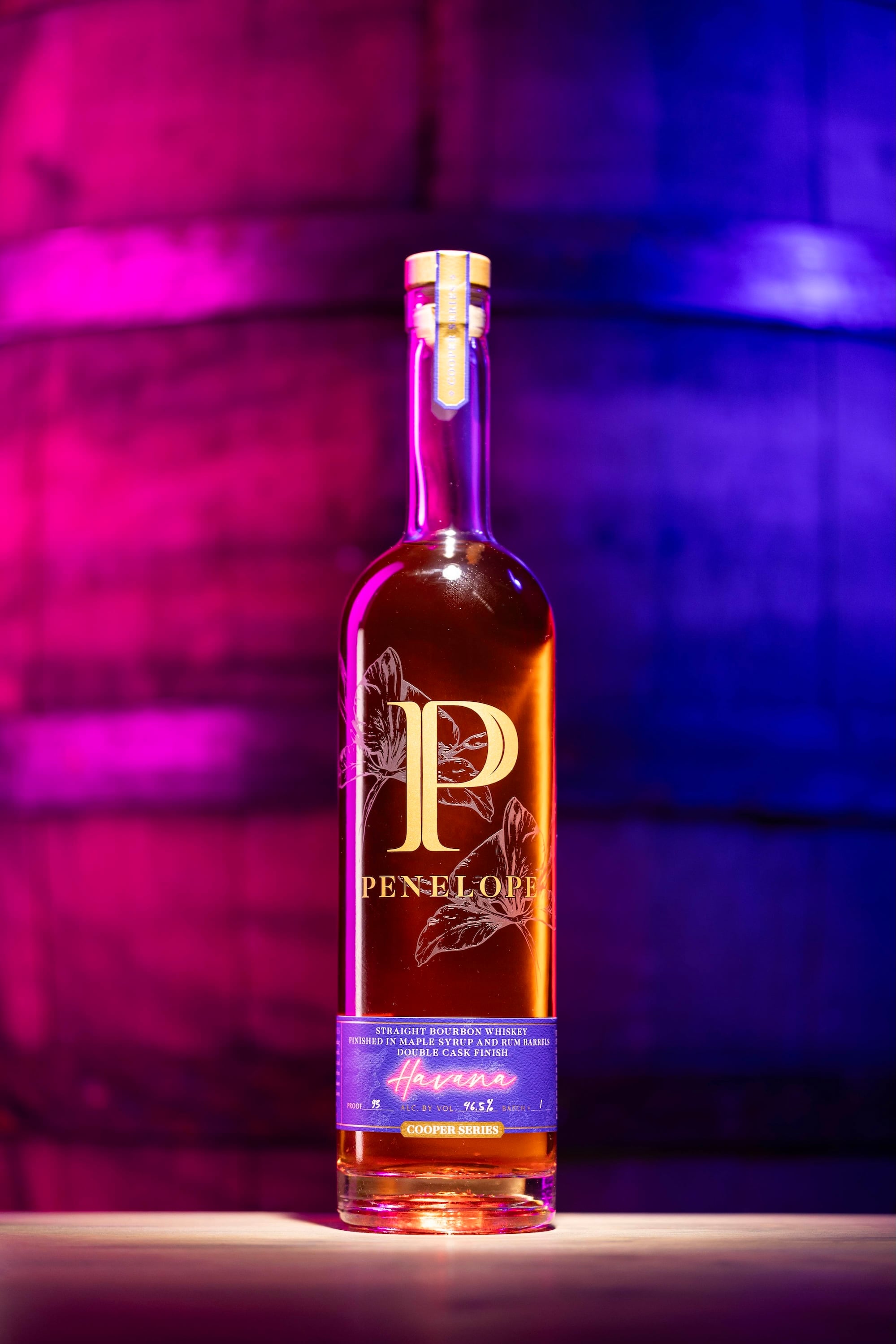
Leaning into the category, this finish takes a stronger hand. As part of Penelope’s popular, globe-hopping Cooper series, Havana finishes four-year-old straight bourbon first in Caribbean rum casks for twelve months and then for another month in maple syrup barrels that—stay with me here—previously held Penelope bourbon. The tropical rum and deeply sweet maple syrup casks take the bourbon for a decidedly rich, full-bodied spin, with flashes of allspice and tobacco across the palate. If you prefer sweeter bourbons or are looking for the whiskey equivalent of a dessert wine, give 95-proof Havana a whirl. ($80, 750ml).
Steve Russell is a Garden & Gun contributing editor who also has written for Men’s Journal, Life, Rolling Stone, and Playboy. Born in Mississippi and raised in Tennessee, he resided in New Orleans and New York City before settling down in Charlottesville, Virginia, because it’s far enough south that biscuits are an expected component of a good breakfast.