

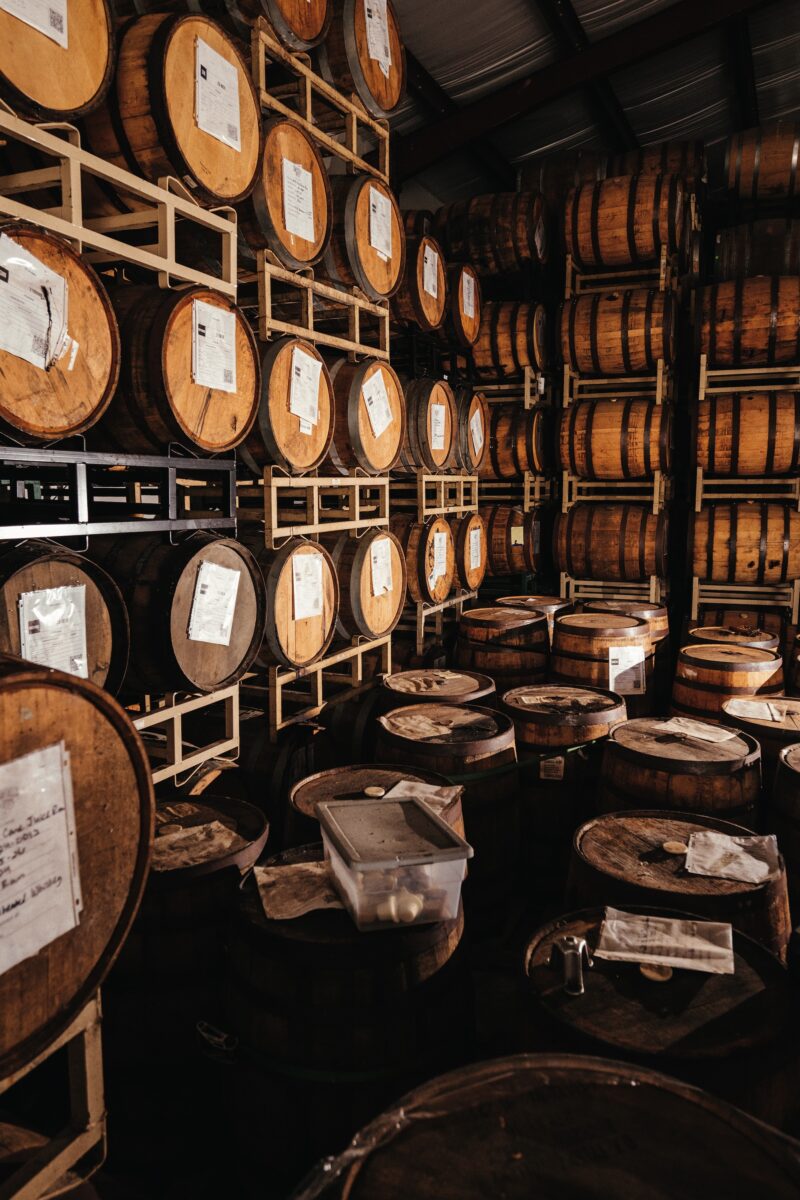
Back in 2016, the distiller of Cheramie Rum in New Orleans received a call he did not want to get. The tanker truck carrying 6,300 gallons of freshly pressed sugarcane juice to the distillery had a flat tire and was sitting idle on the side of the road. The day was very hot, and the service to repair the tire very slow.
The chief problem was yeast. Sugary liquids left unsupervised attract the attention of this microscopic fungus, which can swiftly convert the sugar to alcohol and carbon dioxide. Heat only accelerates the process.
The truck eventually arrived after hours under the Louisiana sun. When the crew uncapped the tank, the laws of fermentation overruled the law of gravity. “Sugarcane juice shot up about thirty feet,” says Jason Zeno, Cheramie’s director of operations, and it sounded like “a train whistle.” Happily, the remaining juice proved usable, and they finished fermenting what was left to distill into rum.
The result? It was some of the best they’d ever made. After that, they began deliberately fermenting at higher temperatures. The happy accident pointed toward something Louisiana distillers are still learning in real time: When it comes to rum, the smallest changes—and the closest possible connection to fresh cane—can yield a distinctive spirit.
American whiskey has had two or three centuries to work out the processes that produce the best results, as have rum distillers in the Caribbean. But Louisiana is just getting started. While the southern part of the state has long been home to sugarcane fields (early planters distilled a rough rum called tafia), only over the past decade or so has craft rum distilling begun to take hold. Because Louisiana distillers have access to fresh cane juice—a product that must be pressed and fermented within roughly twenty-four hours of harvest—they’re also in a rare position to produce a style of rum rooted directly in the field.
Before this new generation of distillers, local rum “was pretty dismal,” says Jeff “Beachbum” Berry, proprietor of the rum-centric Beachbum Berry’s Latitude 29 in New Orleans. He declined even to stock it until quality improved, which disappointed visitors. “Things started to change about four years ago,” he says. “All of a sudden, there were these microdistilleries and small businesses that were actually doing good work, and in some cases, world-class work.”
The rum boom extends beyond Louisiana. Two decades ago, you could have counted all the American rum distillers on one hand. Today the spirit is made in all fifty states, in more than two hundred distilleries. Louisiana is now home to more than a dozen, and many have developed close working relationships with sugar growers and refineries that set them apart.
“We’re one of the few that own the whole process,” says Olivia Stewart, the president of Oxbow Rum Distillery, with a facility in downtown Baton Rouge. Oxbow uses sugarcane from nearby Alma Plantation, which has been in Stewart’s family since 1859 and encompasses some 2,500 acres of cane fields and a vast, noisy mill. On a visit during the fall harvest season, we watch as freshly cut sugarcane flows in great rivers along conveyors to crushing rollers, producing a murky, amber juice. Before a tanker truck full of the cane juice departs for the distillery, the crew empties five-gallon buckets of yeast into the tank to start the fermentation while the juice is at its freshest.
This process diverges from the way most of the world makes rum: from molasses, a by-product of sugar production. A smaller tradition—most famously on Martinique, in the French West Indies—ferments fresh cane juice instead, producing a grassier, more aromatic spirit called rhum agricole.
Since the quality of cane juice degrades so quickly, only distilleries located close to sugarcane fields can make this kind of rum. That also means distillers are limited to production during the three or four months of the sugar harvest, so many make molasses-based rum as well. (Only Cheramie makes cane juice rum exclusively and stays active year-round by producing and bottling other spirits on contract.)
“The fact that it’s something you can only make if you live in cane country, I think is really important,” says Thomas Soltau, a physician who founded Sugarfield Spirits in Gonzales, Louisiana. Every year, Soltau collects hand-harvested sugarcane from the Magnolia Mound Plantation historic site, which dates to 1791; presses and ferments the juice; and then runs it twice through a pot still, a less efficient but more traditional distilling method. “That definitely plays a role in producing a distinct flavor,” he says, yielding a profile that’s fuller and rounder.
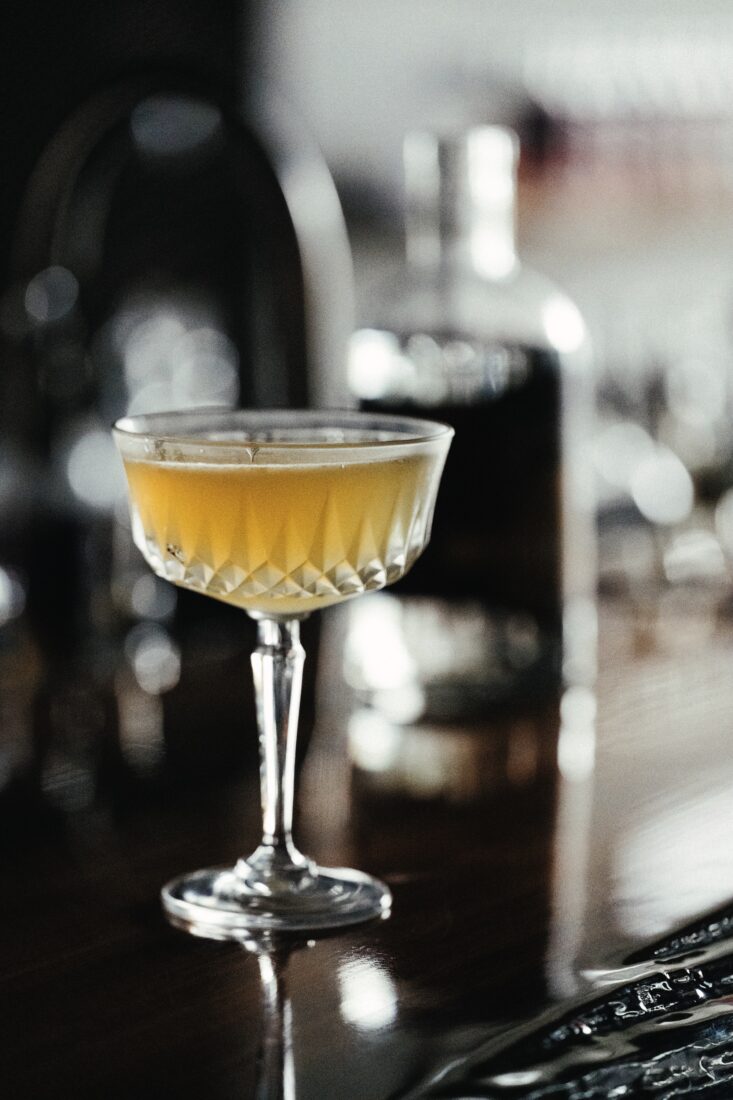
at Louisiana’s
Sugarfield Spirits.
“What we’re making is meant to be an expression of our sugarcane,” Oxbow’s Stewart says. While the state’s distilleries employ different techniques in making cane juice rum, “there’s a flavor component that is common to all of us,” she adds, noting that a side-by-side tasting reveals a profile that differs from rums produced on Martinique or in Hawaii. “For lack of a more eloquent term, it’s just a juiciness that’s unique.”
Those who are unfamiliar with fresh sugarcane rum often discover it’s an acquired taste—there’s a kinship with fresh-cut grass that distinguishes it from molasses-based rums, which tend to have more caramelized notes. On my first taste of a rhum agricole years ago, I thought, well, there’s something wrong with this. Now I seek it out.
The state’s emerging distillers have talked haltingly of formalizing all of this into an official Louisiana rum designation—an appellation that would define and protect what makes it distinct, much like tequila or cognac. But that may be getting ahead of things.
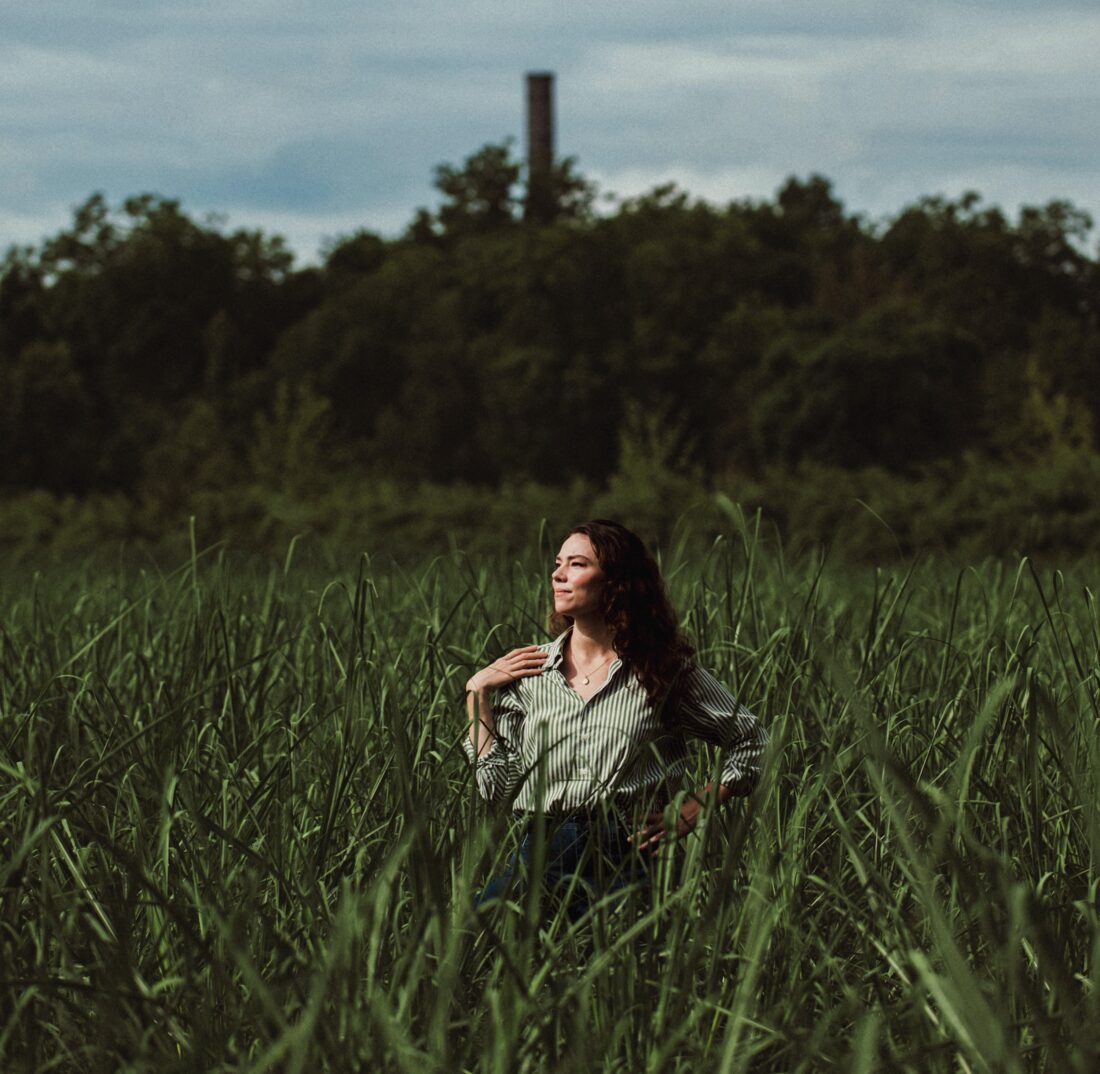
“Let’s make great rum first,” says Maggie Campbell, CEO of American Cane in Lafayette. “And when people start saying, ‘Oh, man, that rum is from Louisiana and they’ve got great rum down there,’” that’s the time to define and protect it. American Cane launched last year and currently produces Banter Rum, a blend of imported rums from various countries. Campbell, who most recently was estate rum manager for Mount Gay on Barbados, plans to break ground next year on a distillery, and she’s hopeful the state’s rum can establish itself as a distinctive spirit in consumers’ minds. “We would love Louisiana to be to rum what Kentucky is to whiskey,” she says.
Louisiana rum is a spirit tied to timing as much as place. Leave cane juice sitting too long on the side of a hot road, and it can erupt like a geyser. Handle it carefully, and it can become something unexpectedly vivid and alive. That tension—between control and wildness, agriculture and chemistry—is what distillers are learning to harness. And it may be what finally gives Louisiana a rum tradition of its own.
“The future is looking pretty bright,” says Jeff Berry, at Latitude 29. “The state is attracting more international experts in distilling and blending, like Maggie. It’s an emerging category, and I think it’s only going to get better.”
Still thirsty? Keep reading:
>> Five of the South’s Best Rum Bars
>> Beachbum Berry’s Latitude 29 Puts a Refreshing Twist on a Tiki Classic
Wayne Curtis is the author of And a Bottle of Rum: A History of the New World in Ten Cocktails and has written frequently about cocktails, spirits, travel, and history for many publications, including the Atlantic, the New York Times, Imbibe, Punch, the Daily Beast, Sunset, the Wall Street Journal, and Garden & Gun. He lives on the Gulf Coast.