

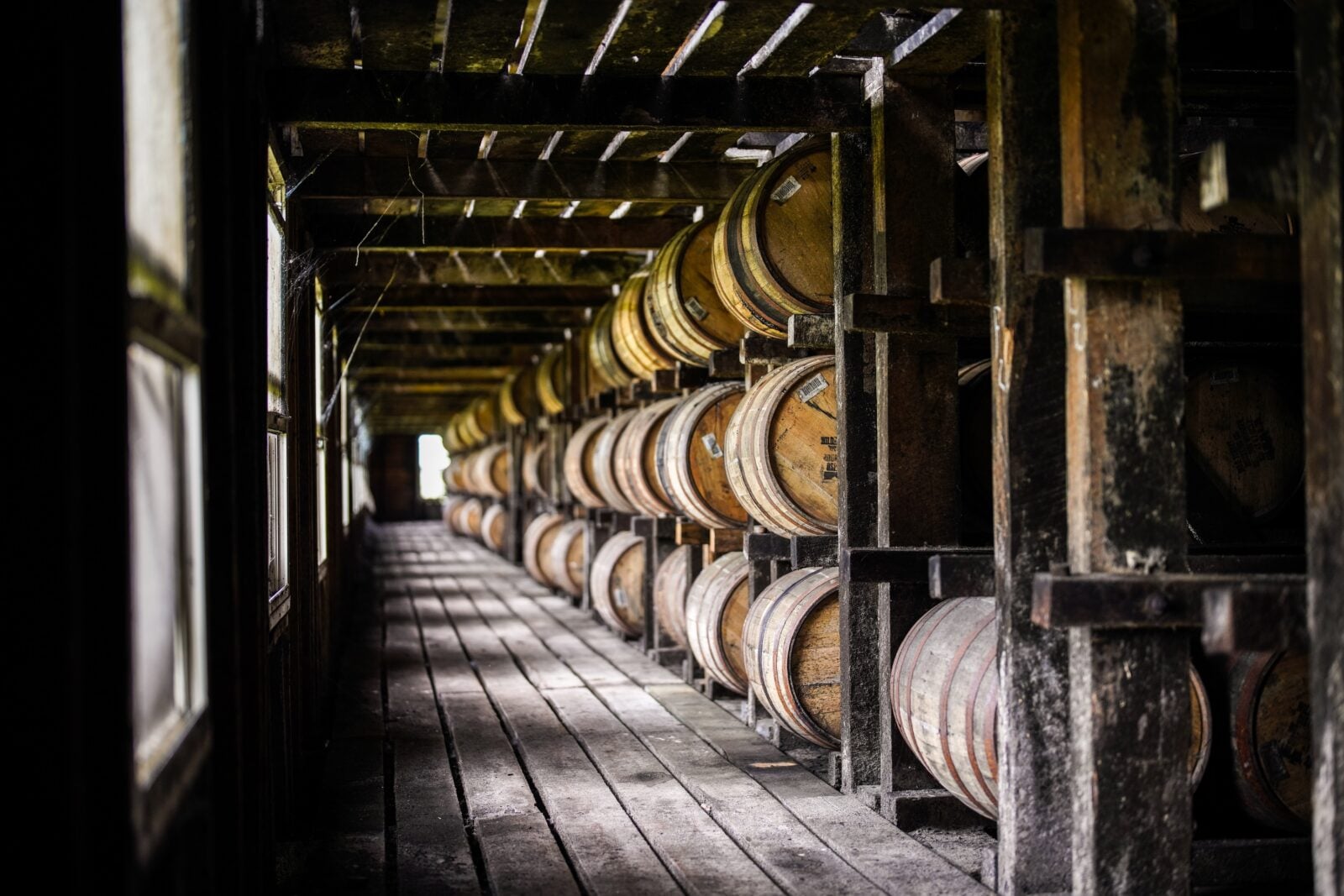
A breeze cuts through the thick midsummer humidity as Jodie Filiatreau and I talk on the covered porch of Warehouse FF at Heaven Hill’s Deatsville aging campus outside Bardstown, Kentucky. “This old site has great airflow,” says Filiatreau, who started at Heaven Hill in 1981 and is now its artisanal distiller. “You can feel it. Parker always said, ‘If you don’t have good airflow, you don’t have good bourbon.’”
I’ve come to Deatsville to get a sense for why these time-worn warehouses were a favorite of the late Heaven Hill master distiller Parker Beam and, like a handful of other aging sites, have taken on a reputation all their own. Built in the 1940s and early ’50s for the former T.W. Samuels Distillery, the barn-like buildings dotting the open fields here resemble Kentucky pagodas. Their distinctive tiered roofs angle upward from the fifth floor to the seventh, creating a chimney effect that draws heat and air upward. Tin-cladding covers the wood-plank walls, intensifying the effect.
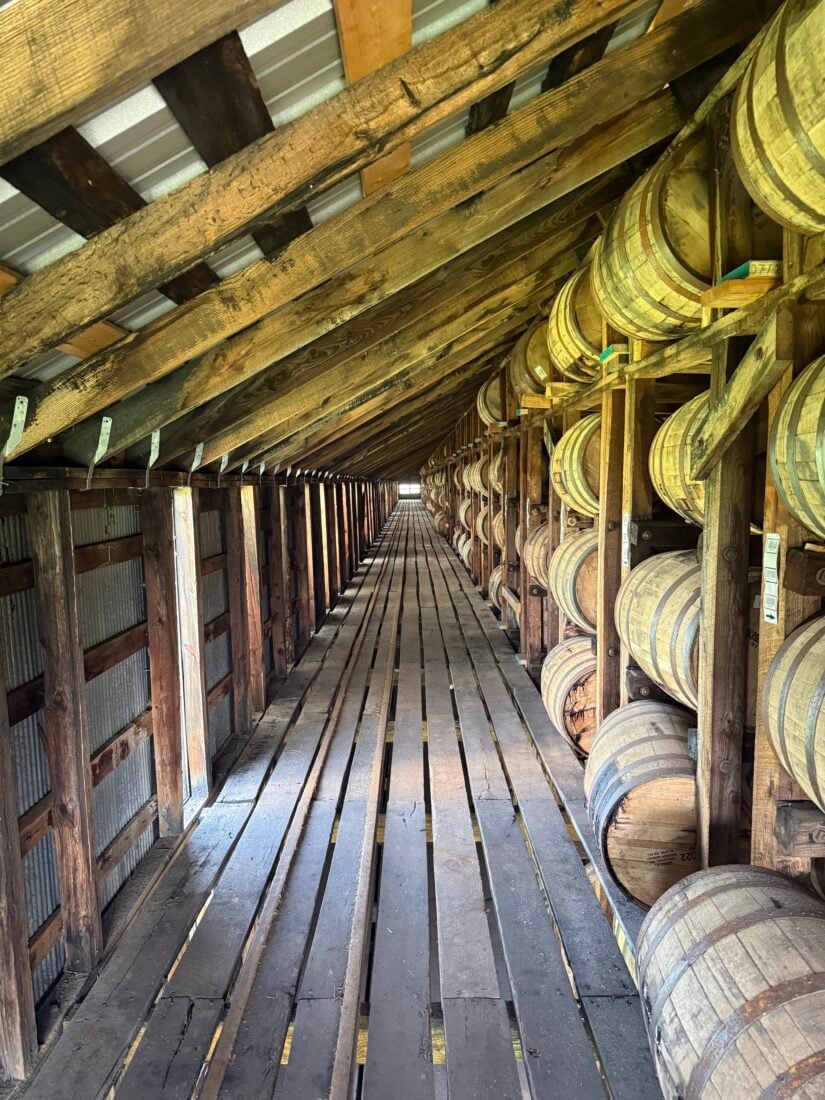
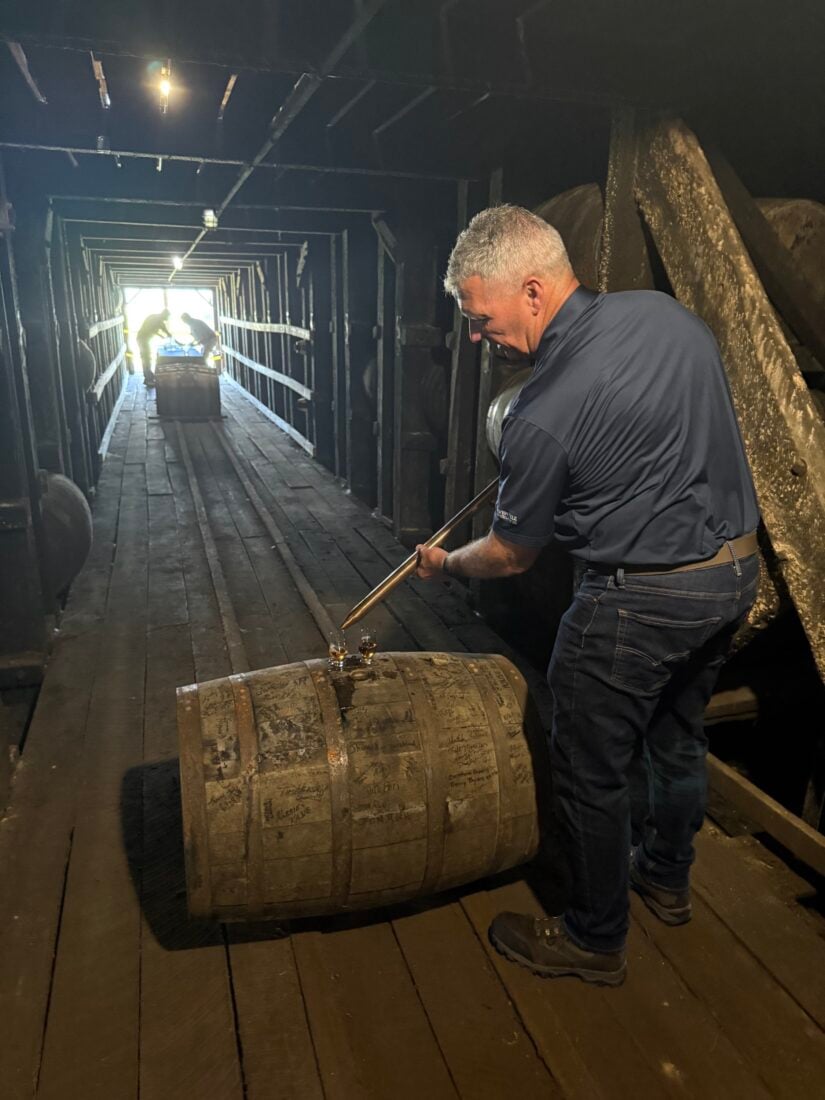
The heat becomes stifling as Filiatreau and I climb to the attic-like top floor. Here, barrels sit just inches beneath the pitched metal roof. The air smells of whiskey and warm oak. “In the summer, we’d start on the seventh floor in the morning and work our way down,” says Filiatreau, who spent decades laboring in these warehouses. In winter, “the wind would howl through here, coming in under the door and up through the floors.”
Those dramatic shifts—from floor to floor, day to day, and season to season—push whiskey deep into and back out of the oak, intensifying flavor and helping develop its unique characteristics. “Once Parker said some of his favorite bourbons came from Deatsville, that reputation just exploded,” Filiatreau says. “It’s kind of taken on a cult following.”
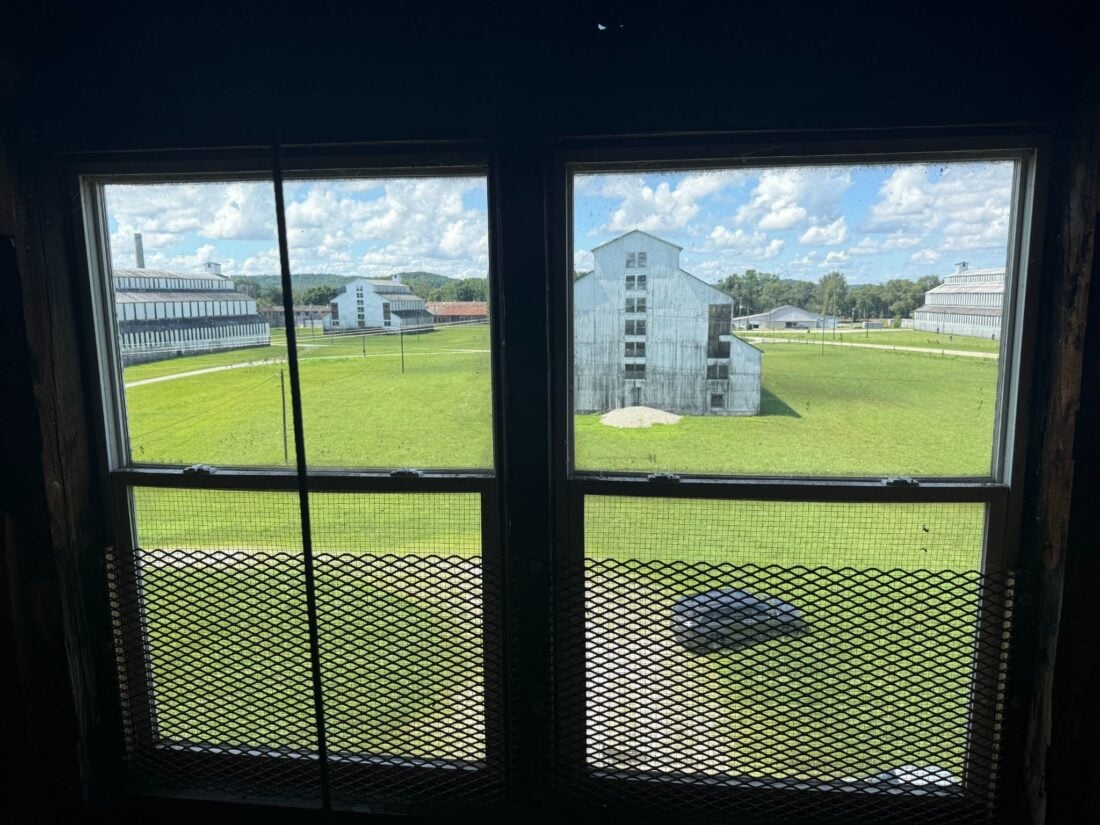
While Heaven Hill is slowly phasing out Deatsville as an aging site for new barrels, its reputation endures. Distillers have long understood that warehouse design, elevation, airflow, and even a barrel’s position within a rickhouse can all influence how whiskey matures. For decades, they largely blended away those differences in pursuit of consistency. Today, however, bourbon enthusiasts increasingly seek out that sense of provenance, transforming once-obscure names like Deatsville, Coy Hill, and others into shorthand for distinctive whiskey shaped as much by where it aged as by how it was made.
“Back in the 1960s and ’70s, when Jack Daniel’s was growing so rapidly, all of our warehouse expansion was about consistency,” says Chris Fletcher, who became master distiller in 2020 and whose grandfather, Frank “Frog” Bobo, served as master distiller for more than twenty years beginning in 1966. “We built warehouses all over the county because Old No. 7 depends on blending whiskey from many different locations.” Over time, though, certain warehouses stood out, and Fletcher began asking a different question. “What if we could tease those differences apart?”
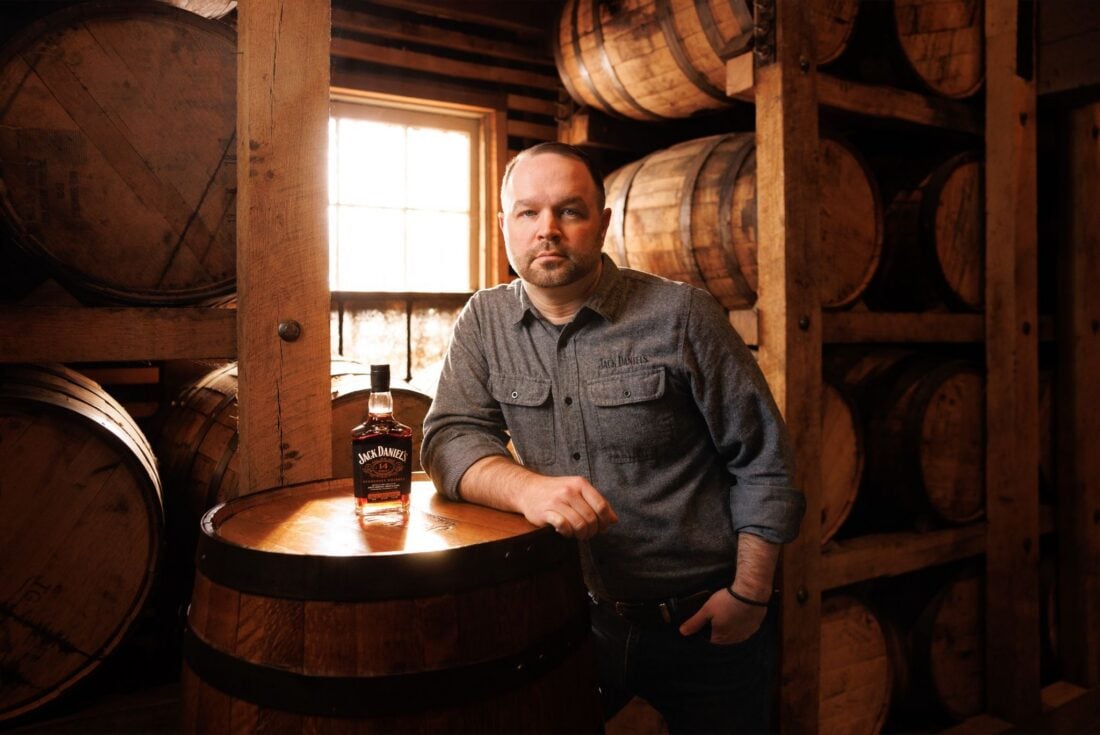
That thinking led to releases drawn exclusively from the five warehouses clustered atop Coy Hill, the highest point on the Jack Daniel’s property in Tennessee. Here, greater exposure to the wind and elements, lower humidity, and broader temperature swings produce some of the distillery’s biggest, boldest whiskey, with some top-floor barrels exceeding 155 proof after only eight years of aging. “That’s the highest exit proof I’ve ever seen,” Fletcher says.
A 2021 release of Jack Daniel’s Single Barrel Coy Hill High Proof helped put the spot on the map for many collectors and led to an ongoing series of location-specific releases. “Whiskey will always throw you curveballs, but general patterns absolutely exist,” Fletcher says. “We want consumers to experience these differences the same way our team does.”
A warehouse’s construction can be just as important as its location. Take Buffalo Trace’s Warehouse H, built in 1936 as part of a post-Prohibition expansion and the only metal-clad rickhouse at the distillery. “Being metal clad, H tends to heat up a bit more than many other warehouses, driving whiskey into and out of the wood to provide a lot of its flavor development,” says Danny Kahn, master distiller and distilling operations director with parent company Sazerac.
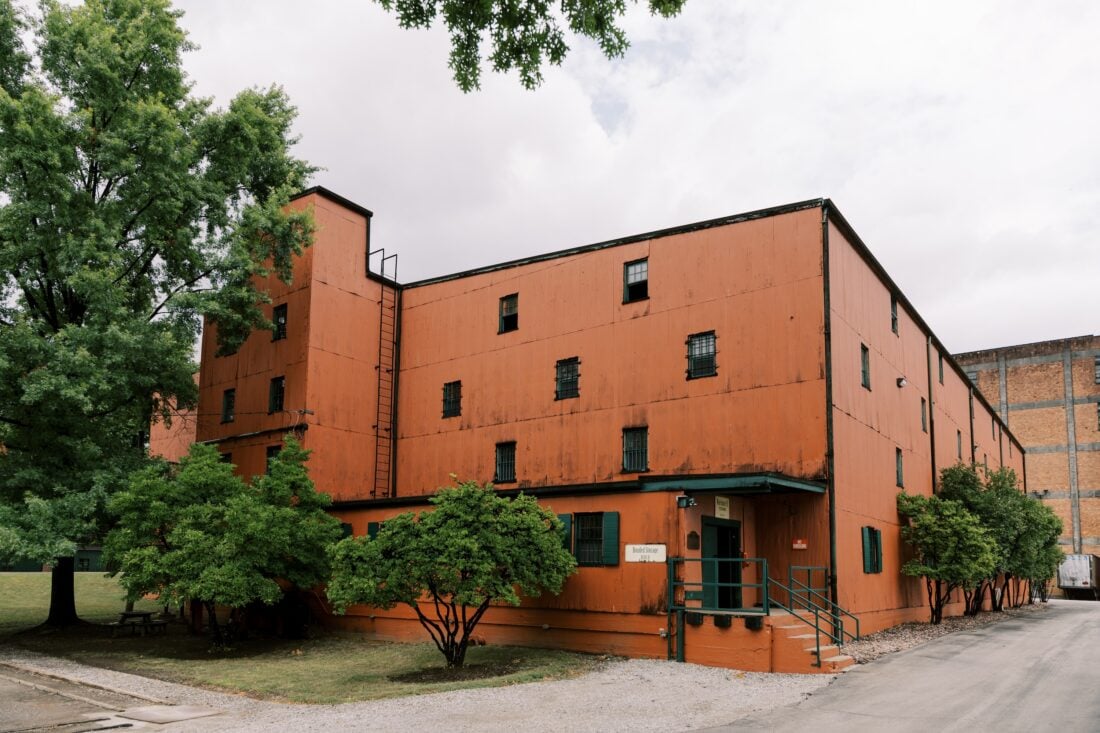
Its connection to Blanton’s bourbon elevated Warehouse H to near-mythical status. Long before Blanton’s became a brand, workers knew that certain locations in the warehouse consistently produced exceptional whiskey. Former distillery president Albert B. Blanton recognized this as well, setting aside choice barrels for private bottlings and giving Warehouse H a reputation that has endured for decades.
Dominic Guglielmi, however, who owns one of the world’s largest collections of Blanton’s and authored a book on the historic warehouse, says the story is more nuanced. “I don’t actually think there’s anything inherently magical about Warehouse H itself,” he says. “If there was something that unique about Warehouse H, everybody would be building only metal-clad warehouses. It’s really about finding those sweet spots—those ‘honey barrels.’”
Sometimes, it’s the consumers who create the legend. When Wild Turkey first introduced private single barrels from its Camp Nelson campus, master distiller Eddie Russell says customers overwhelmingly asked for barrels from the better-known Tyrone warehouses at the main distillery in Lawrenceburg, Kentucky. “But once they started tasting the Camp Nelson barrels, everything changed,” he says. “People started asking what floor it was on, whether it sat next to a window. Camp Nelson became this crazy thing.”
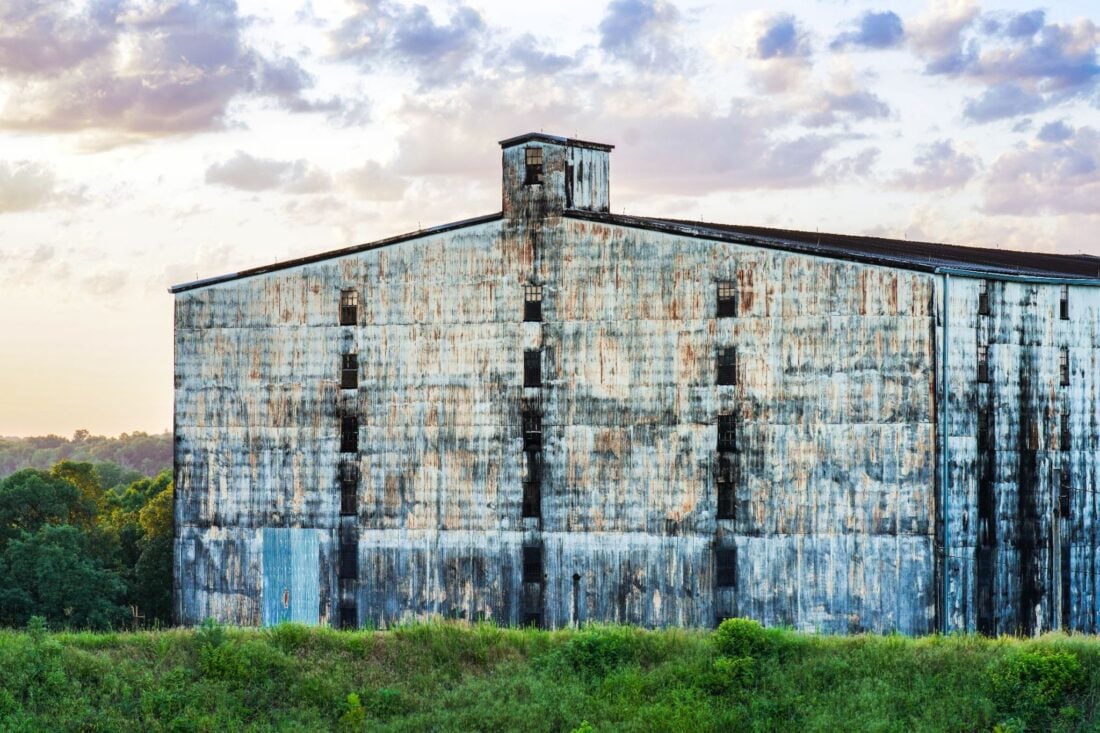
The warehouses at Camp Nelson sit on a high limestone bluff overlooking the Kentucky River. “Where Camp Nelson really stands out is its variety of microclimates,” Russell says. “Each rickhouse sits in a unique spot—some get more sun, some are closer to the river and stay cooler, and all of those differences shape the whiskey over time.”
Exploring those differences eventually inspired Russell’s Reserve’s Single Rickhouse Collection and prompted Russell and his team to study more closely the variables that shape maturation. But nothing can top hands-on experience.
“Dad could walk into a warehouse and instinctively know where he’d find great barrels,” Russell says of his father, the legendary master distiller Jimmy Russell. “But that only comes after decades of walking the floors and tasting. The Single Rickhouse Collection has helped us better understand how those elements—airflow, sun exposure, humidity, elevation, proximity to the river—influence maturation. We pay closer attention to those differences now, but we’re not trying to control them. We let nature do what it does and spend our time tasting and learning.”
Tom Wilmes is a journalist based in central Kentucky who covers bourbon and other spirits, travel, and food. A contributor to Garden & Gun, he has also written for Whisky Advocate, The Local Palate, Southbound, and other publications. A Kentucky Colonel and Certified Executive Bourbon Steward, he has spent years reporting on—and indulging in—the culture he covers, a responsibility he doesn’t take lightly. Follow him on Instagram @americadistilled.