Arts & Culture

Equestrians Through the Ages

The Sidesaddle exhibit at Virginia’s National Sporting Library & Museum illustrates women’s profound influence on horseback riding

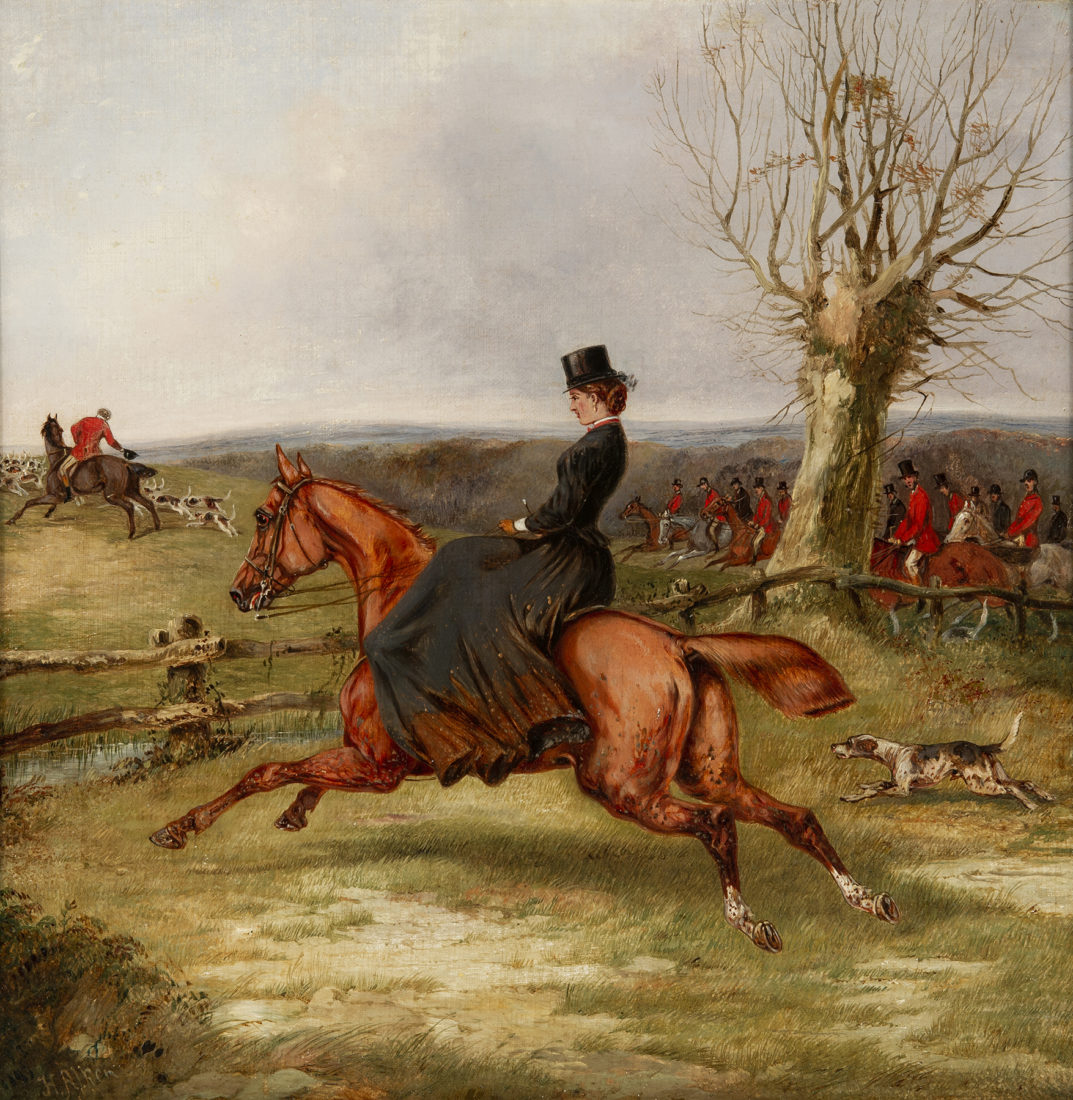
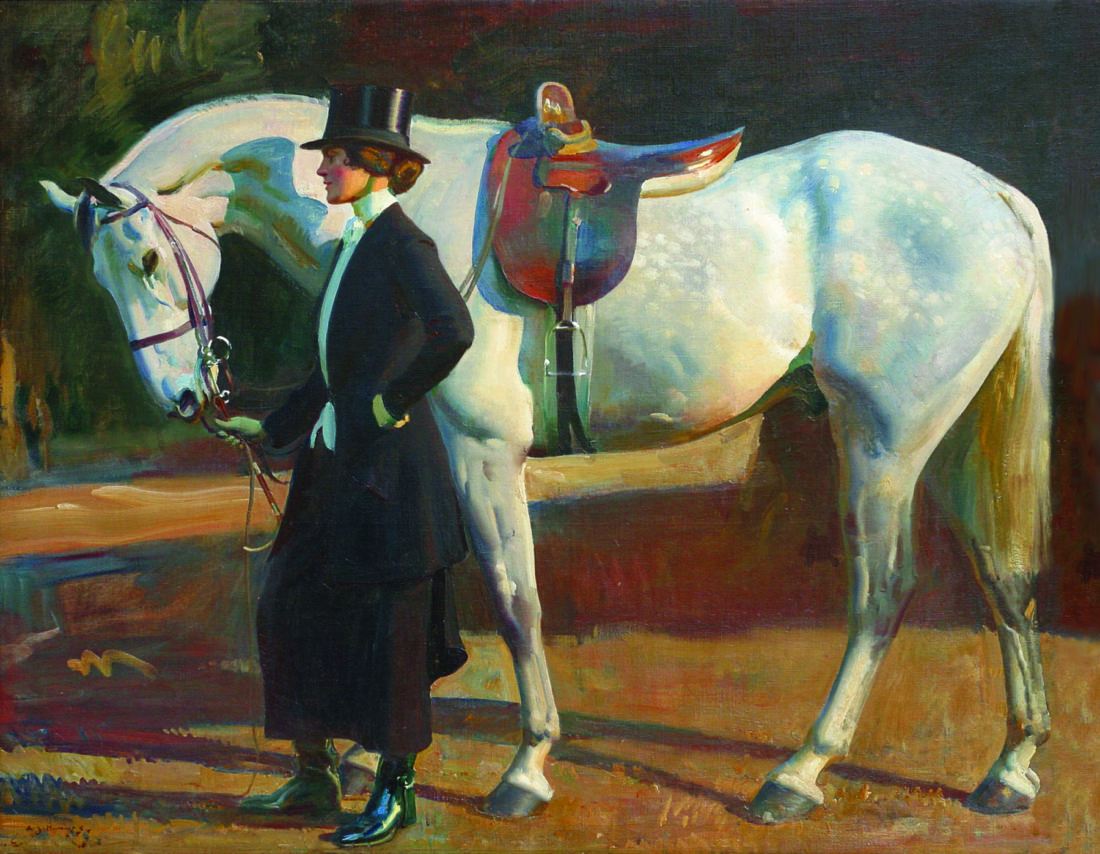
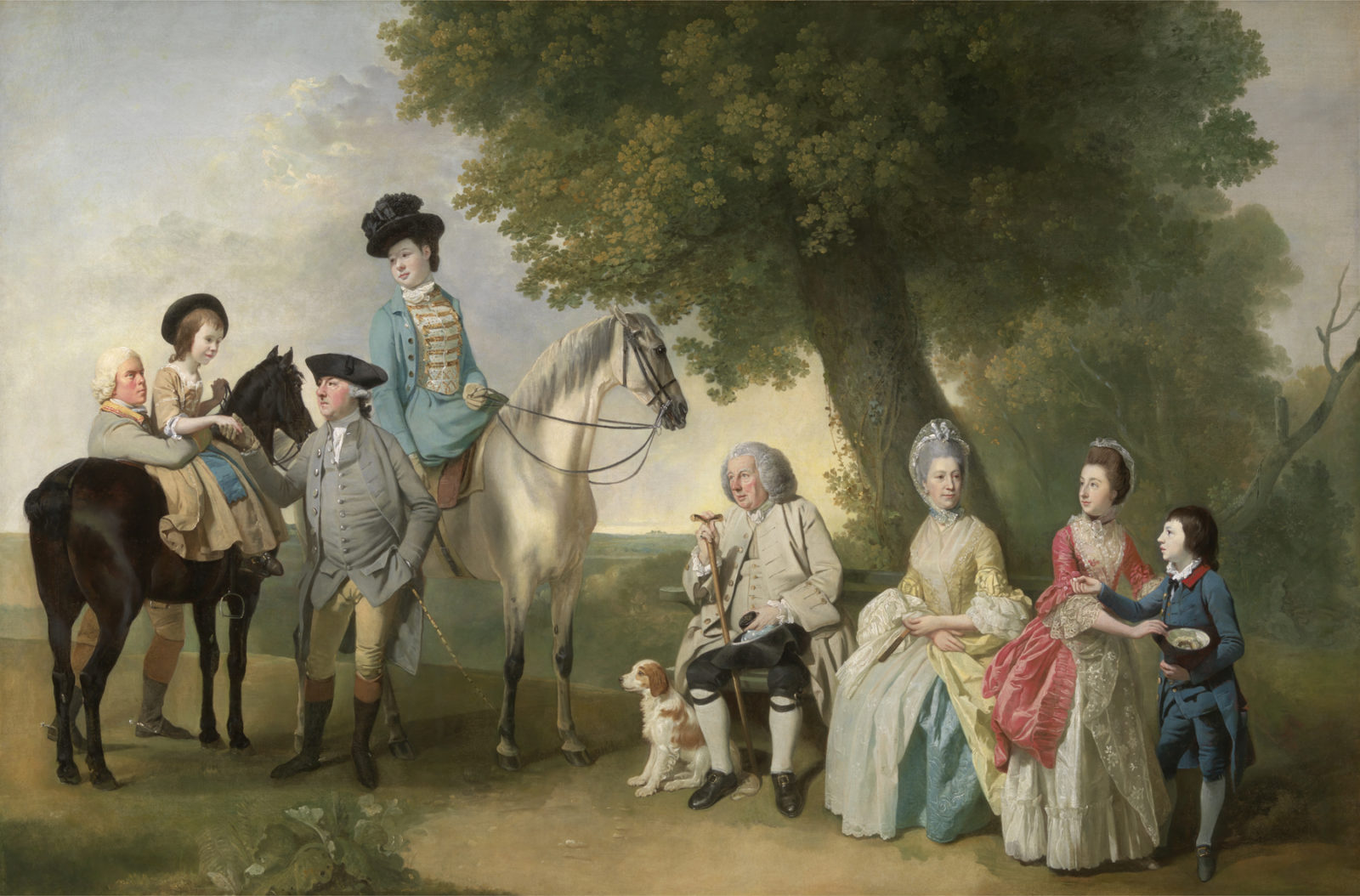
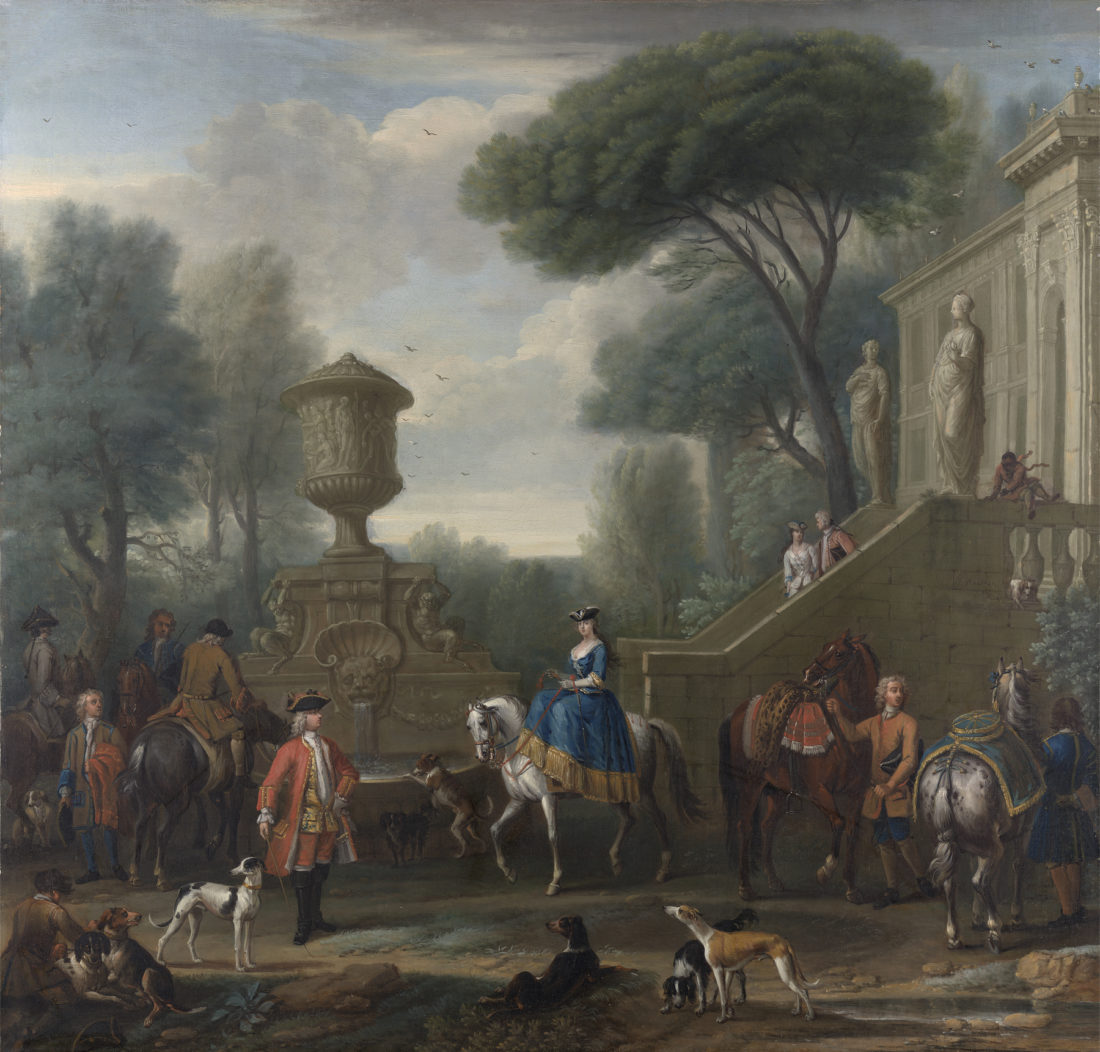
The leaping horn was an invention nearly as revolutionary as the saddle itself. Created in the 1830s, the innovation provided women a firm seat as they rode with a sidesaddle, enabling them to safely participate in pursuits such as foxhunting while wearing the long skirts expected at the time. That’s why Sidesaddle, 1690–1935 (through March 24), a ret­rospective at Middleburg’s National Sporting Library & Museum, is broken into two categories: pre– and post–leaping horn. “These were highly skilled, athletic wom­en who rode and hunted, and because of cultural norms, for a long time they did it all in skirts,” says Claudia Pfeiffer, the exhib­it’s cocurator. The museum is displaying nearly sixty oil paintings, sculptures, and watercolors that illustrate the progres­sion of women in the equestrian world.


John Wootton (British, 1682-1764)
Preparing for the Hunt, c. 1745

John Wootton (British, 1682-1764)
Preparing for the Hunt, c. 1745

Photo: Yale Center for British Art, Paul Mellon Collection
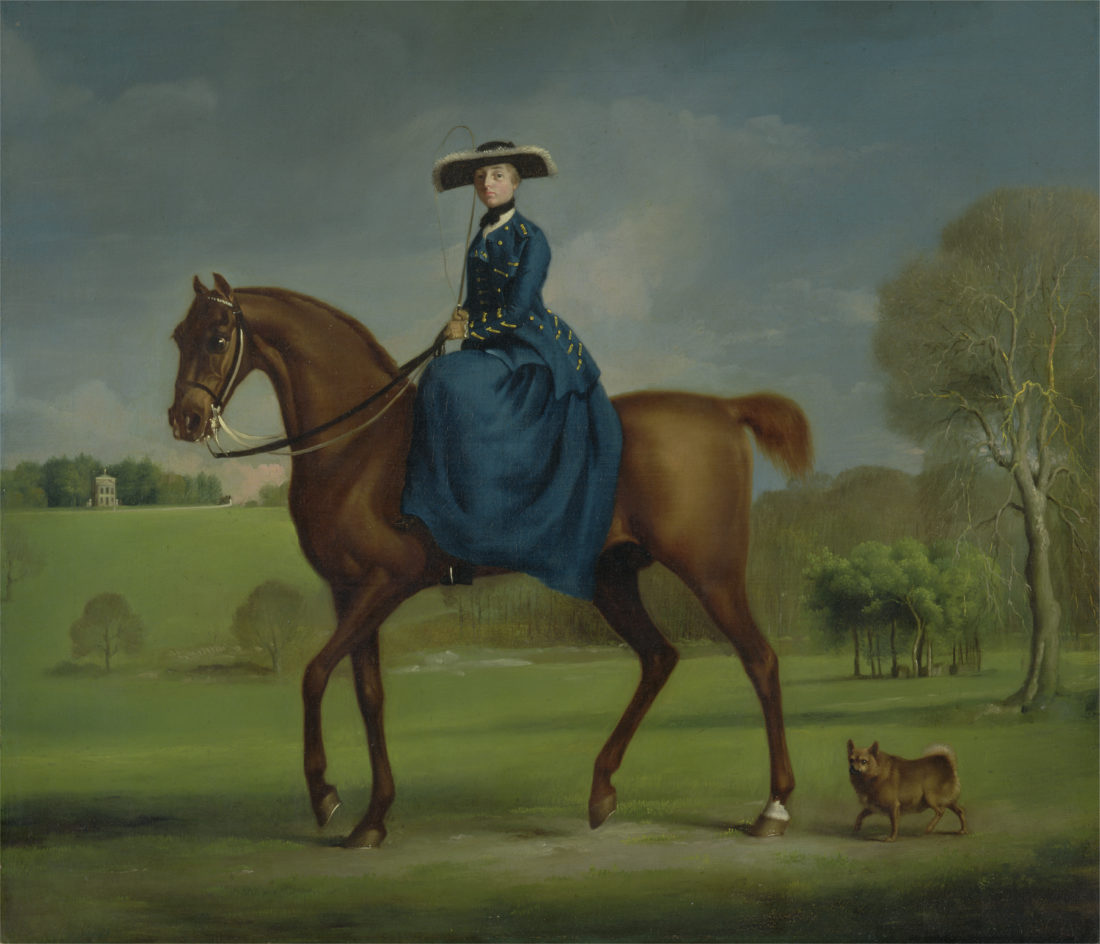
cropped to image, recto, unframed

George Stubbs (British, 1724-1806)
The Countess of Coningsby in the Costume of the Charlton Hunt, c. 1760

Photo: Yale Center for British Art, Paul Mellon Collection
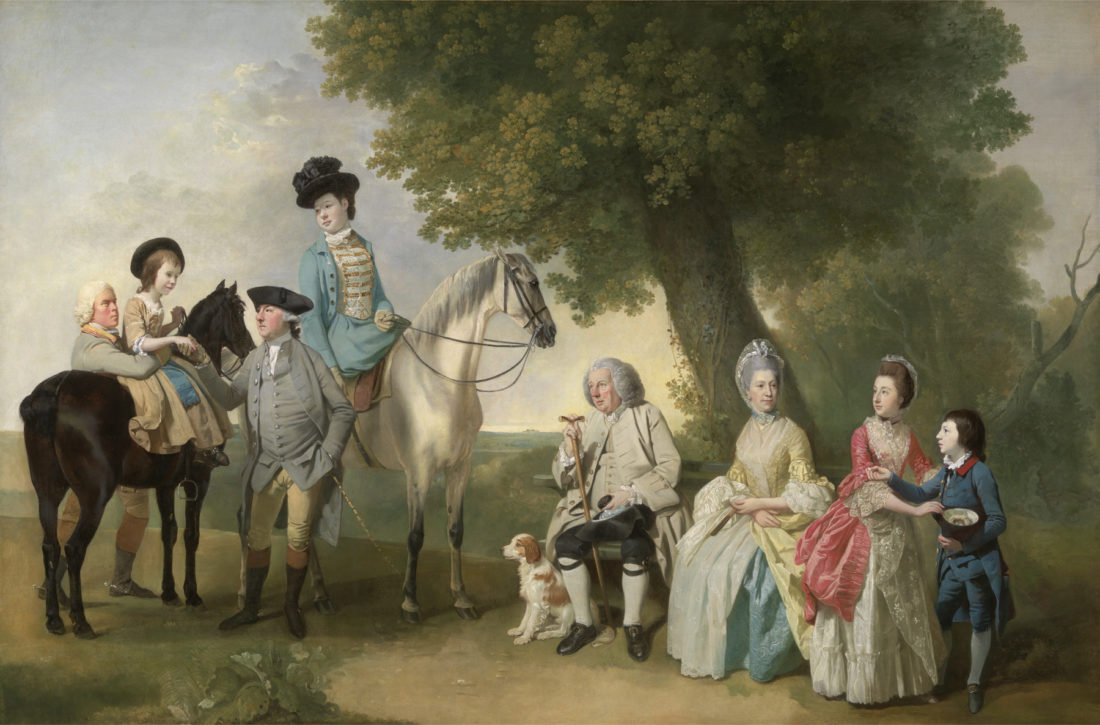
Johan Joseph Zoffany (German, 1733-1810)
The Drummond Family, c. 1769

Johan Joseph Zoffany (German, 1733-1810)
The Drummond Family, c. 1769

Photo: Yale Center for British Art, Paul Mellon Collection
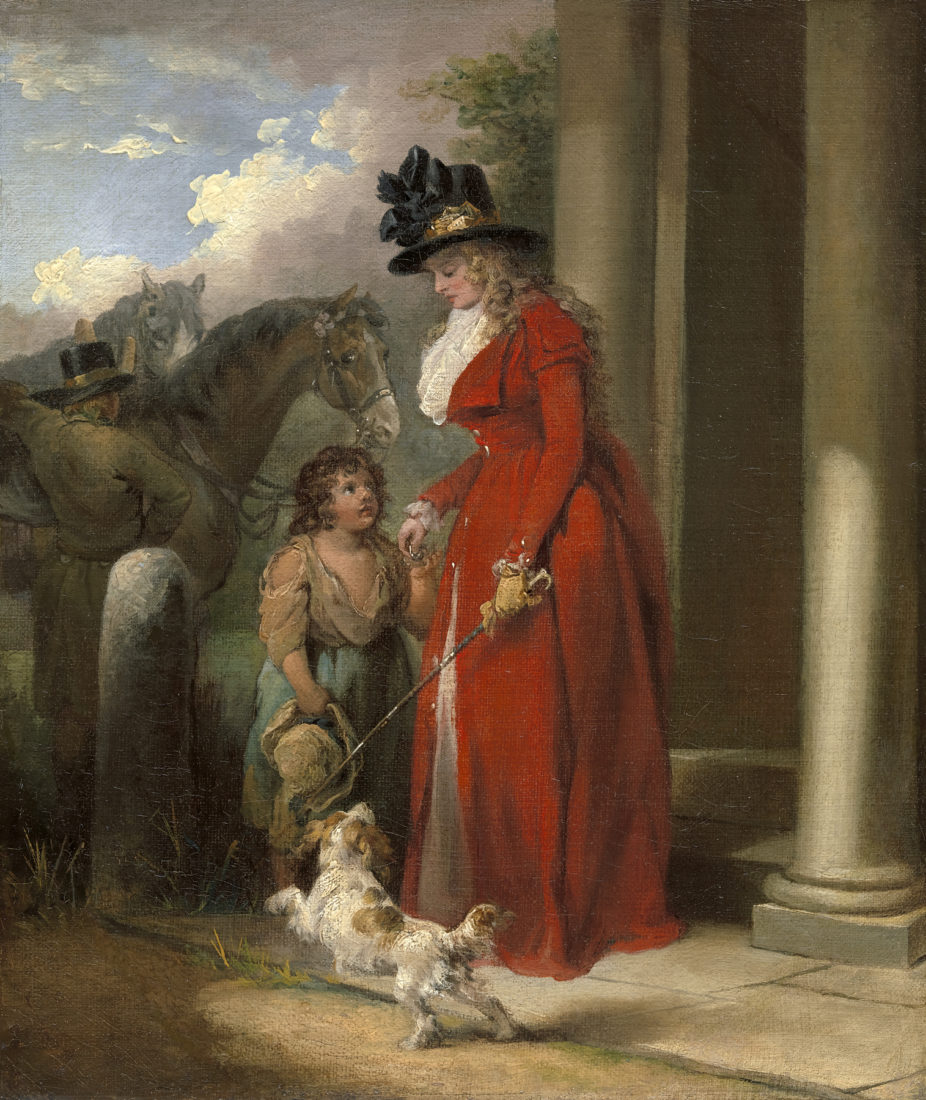
George Morland (British, 1763-1804)
The Squire’s Door, c. 1790

George Morland (British, 1763-1804)
The Squire’s Door, c. 1790

Photo: Yale Center for British Art, Paul Mellon Collection
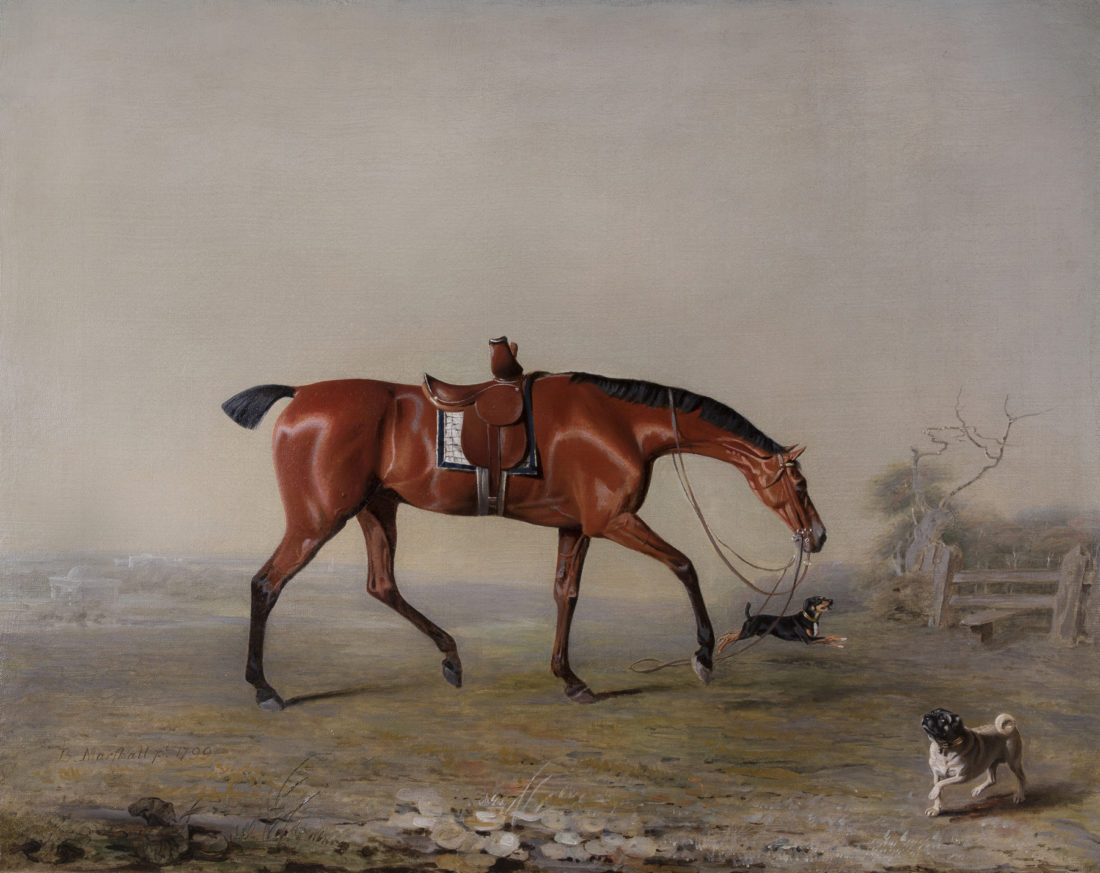
Benjamin Marshall (English, 1768-1835)
A Lady’s Hunter and Her Black and Tan, and a Pug Dog on an Estate, 1799

Benjamin Marshall (English, 1768-1835)
A Lady’s Hunter and Her Black and Tan, and a Pug Dog on an Estate, 1799

Photo: Private Collection

SONY DSC

Henry Thomas Alken (British, 1785-1851)
A Confident Approach, c. 1850

Photo: Collection of Lorian Peralta-Ramos
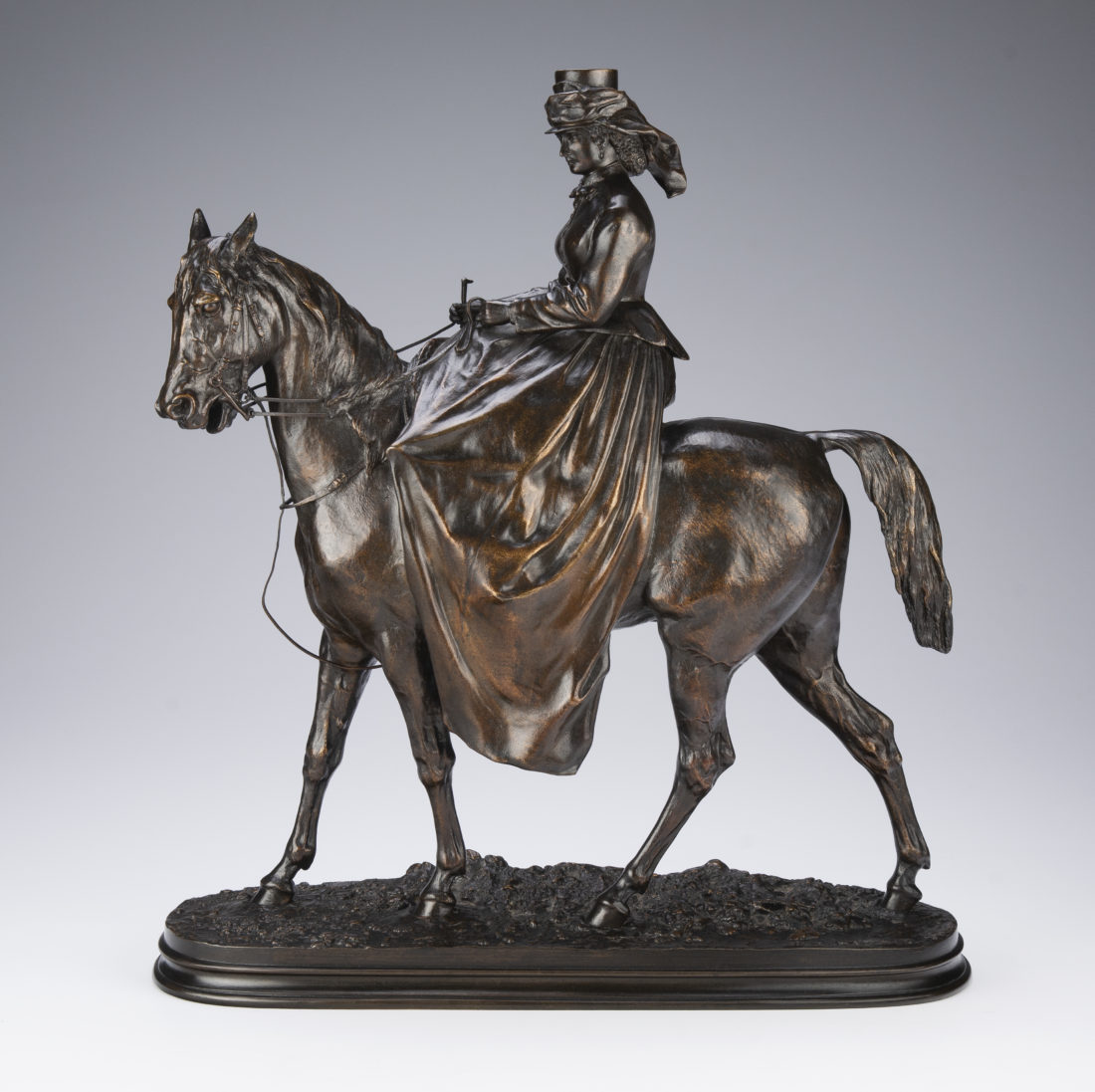
Pierre-Jules Mêne (French, 1810-1879)
Amazone, no. 1, modeled 1865

Pierre-Jules Mêne (French, 1810-1879)
Amazone, no. 1, modeled 1865

Photo: Collection of Monica Lind Greenberg
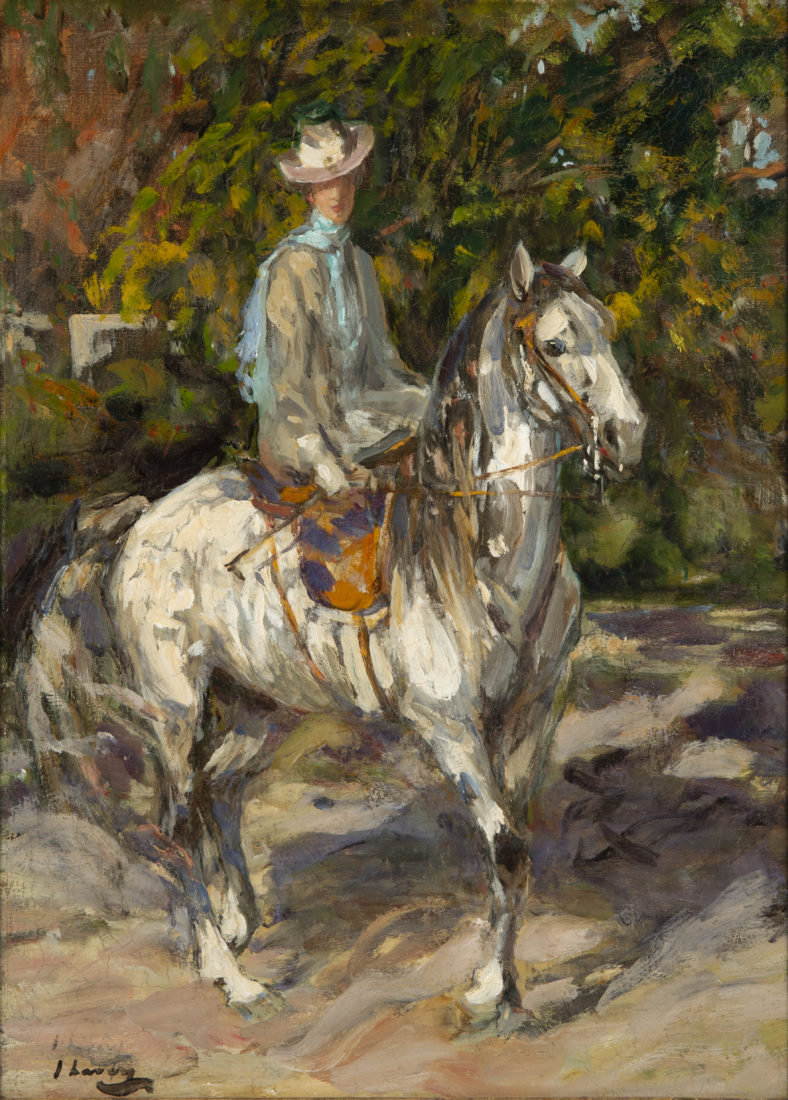
John Lavery (Irish, 1856-1941)
Hazel Trudeau, later Lady Lavery (1880-1935), Mounted Side-saddle on Lily-Beau, c. 1904-6

John Lavery (Irish, 1856-1941)
Hazel Trudeau, later Lady Lavery (1880-1935), Mounted Side-saddle on Lily-Beau, c. 1904-6

Photo: Private Collection

Sir Alfred J. Munnings (British, 1878–1959)
My Horse is My Friend: The Artist’s Wife and Isaac, c. 1922

Sir Alfred J. Munnings (British, 1878–1959)
My Horse is My Friend: The Artist’s Wife and Isaac, c. 1922

Photo: Pebble Hill Plantation, Thomasville, Georgia
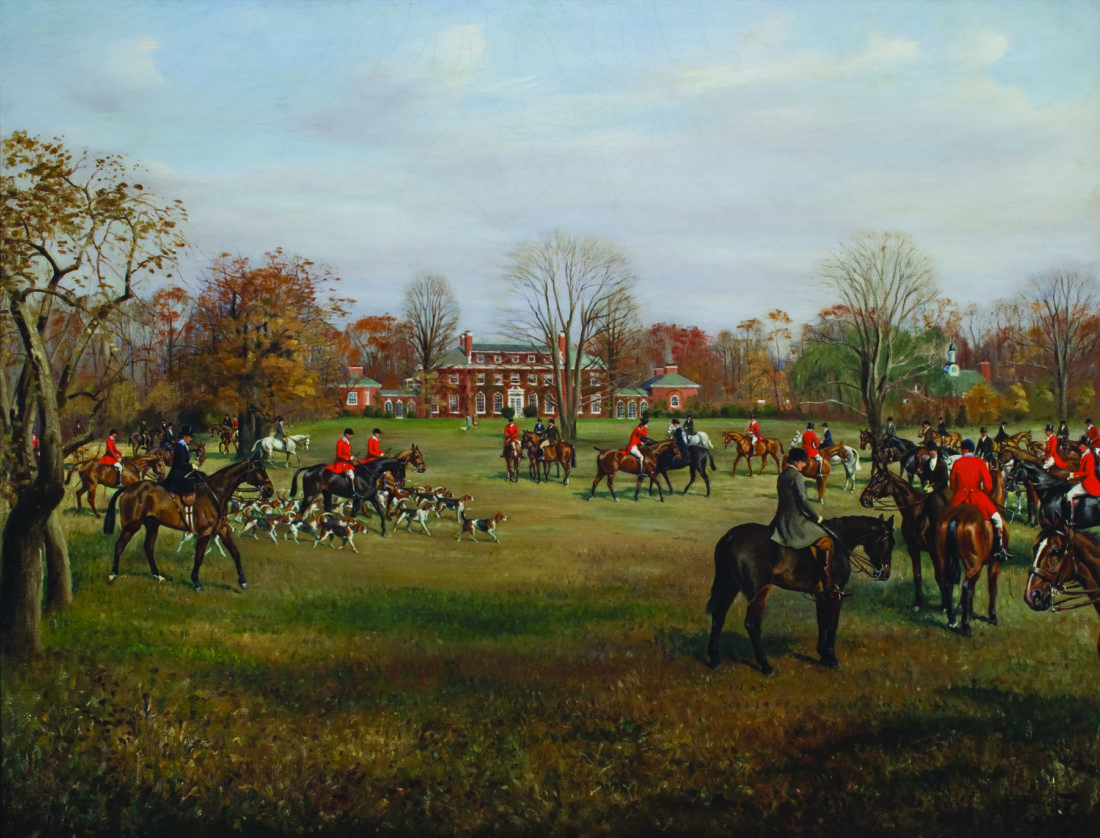
Franklin Brooke Voss (American, 1880-1953)
Thanksgiving Day Meet, the Meadow Brook Hounds, Long Island, 1923

Franklin Brooke Voss (American, 1880-1953)
Thanksgiving Day Meet, the Meadow Brook Hounds, Long Island, 1923

Photo: Private Collection, Virginia


Caroline Sanders Clements is the senior editor at Garden & Gun and oversees the magazine’s annual Made in the South Awards. Since joining G&G’s editorial team in 2017, the Athens, Georgia, native has written and edited stories about artists, architects, historians, musicians, tomato farmers, James Beard Award winners, and one mixed martial artist. She lives in North Charleston, South Carolina, with her husband, Sam, and dog, Bucket.