

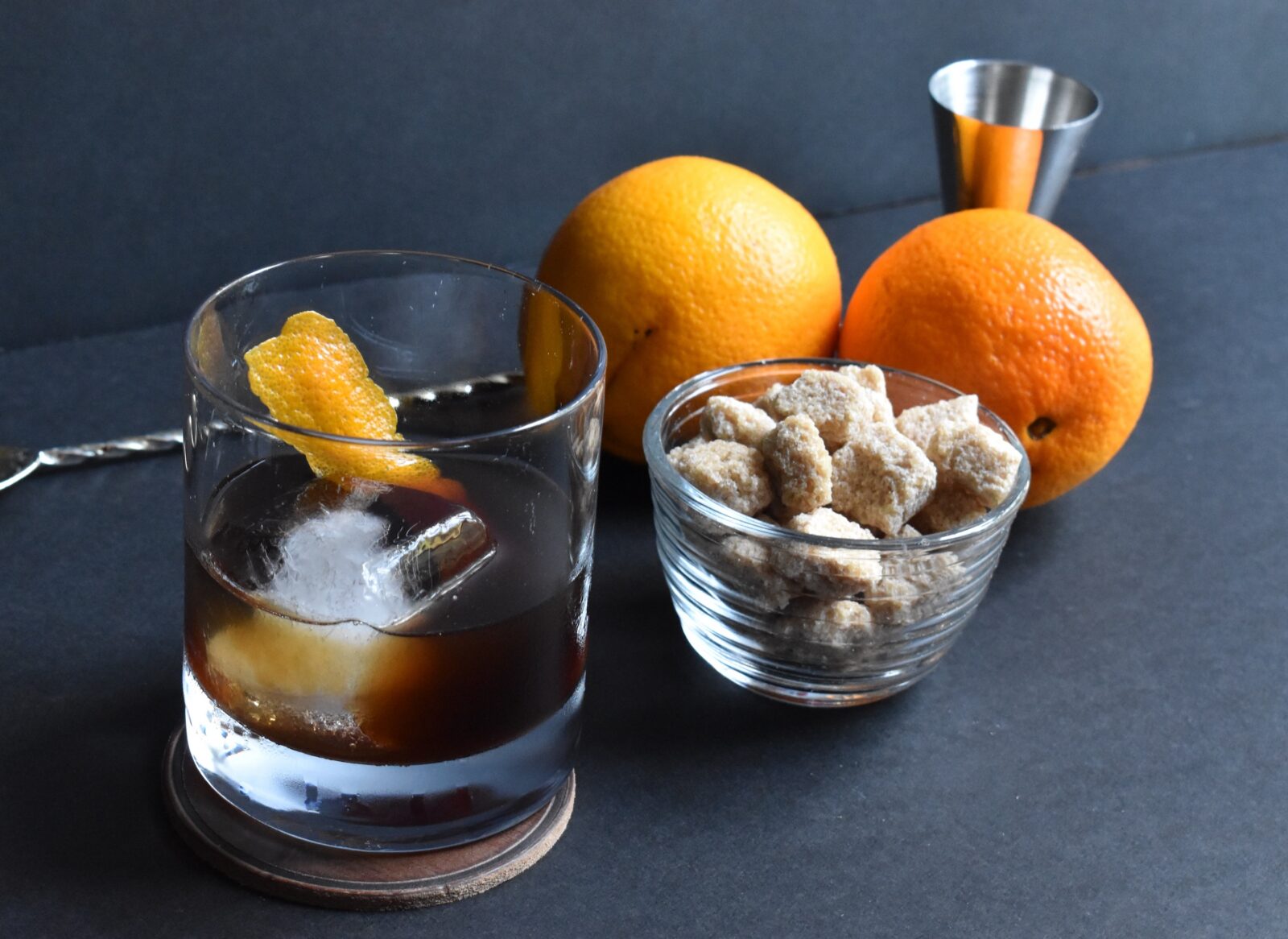
All but forgotten by the 1970s, the old-fashioned has now returned to its proper place as a cocktail menu fixture. Far from a rigid prescription, the drink is more of a flexible formula—spirit plus sugar plus bitters—and each component can be adjusted to suit the maker’s taste and creativity.
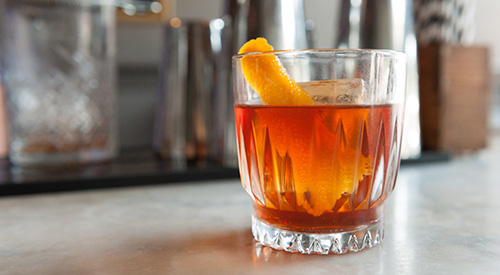
If you stick with whiskey (either bourbon or rye), some form of cane sugar or simple syrup for the sweetener, and a few dashes of aromatic bitters, you’ll stay within the bounds of the original pattern—an old-fashioned old-fashioned. (See these two versions for classic examples.)
That core framework, though, is eminently adaptable, with each component offering fertile ground for experimentation. Take the bitter element. For decades, the classic paper-wrapped bottle of Angostura was the only bitters to be found behind an American bar, but these days dozens of brands offer a spectrum of flavors, from orange to chocolate to habanero. You can go even further afield and use amaro or other herbal liqueurs to provide that key bitter note.
Instead of white sugar or simple syrup, demerara cubes or that old Southern favorite, sorghum syrup, can provide sweetness along with intriguing dark flavors, too. You don’t even have to stick with whiskey, as the format works well with all sorts of spirits. Just don’t go crazy and start muddling in orange slices and assorted fruit, much less finishing things off with spritzes of lemon-lime soda. That’s the territory of the Wisconsin brandy old-fashioned, an entirely different cocktail species (and one I’ll admit I do enjoy on occasion).
A proper old-fashioned is a stiff drink. It should enhance the spirit’s flavor rather than mask it beneath gobs of sugar and blasts of citrusy fizz. Start with a good base spirit, keep the sugar and bitter elements in check, and you’ll have a fine cocktail to sip and savor.
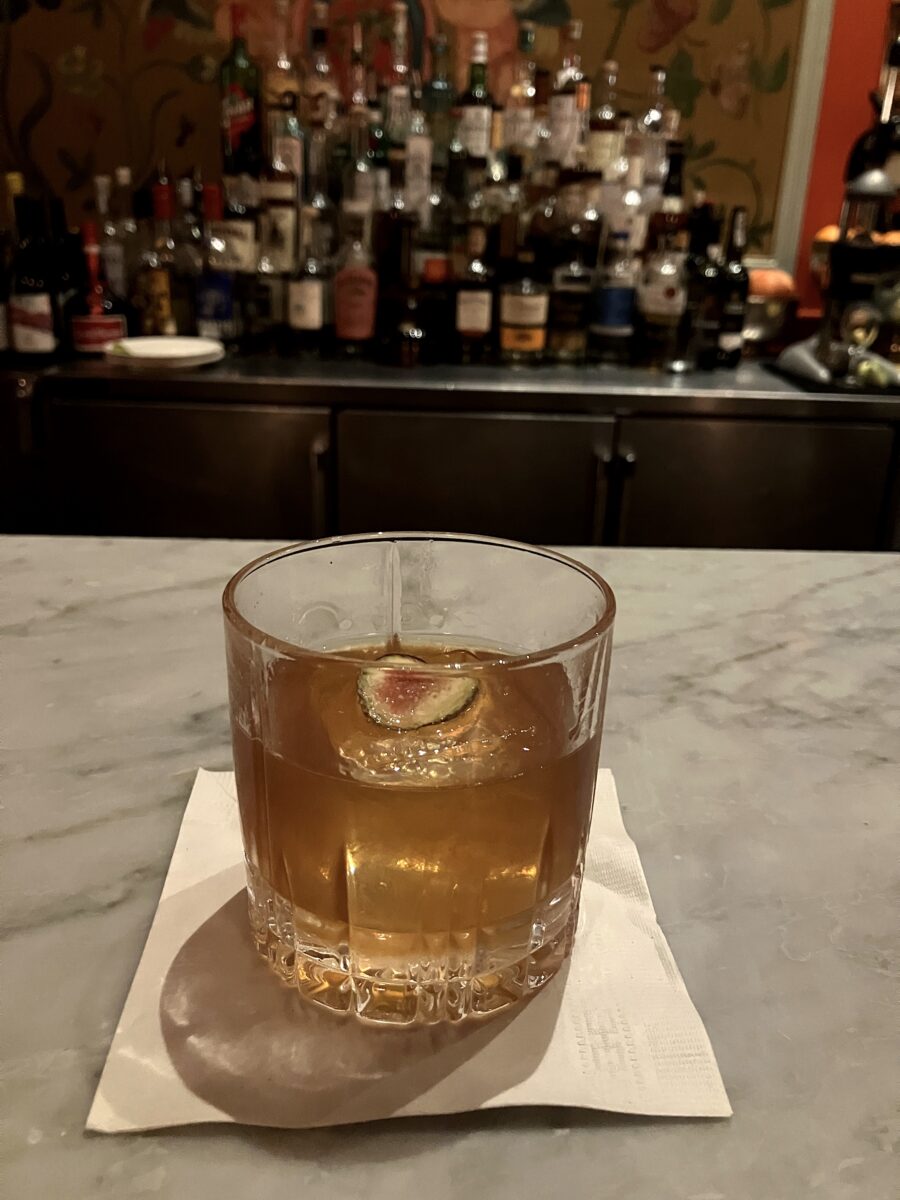
These three variations stay true to the old-fashioned fundamentals while showcasing a few ways creative Southern bartenders are adding their own flavorful twists.
Scroll down for the three recipes.
Robert F. Moss writes about food, drink, and travel. Based in Charleston, South Carolina, he is the author of six books on food and beverages, including Southern Spirits: Four Hundred Years of Drinking in the American South (2016) and The Roffignac (2024). He’s one of the O8s (original members) of the Charleston Brown Water Society.