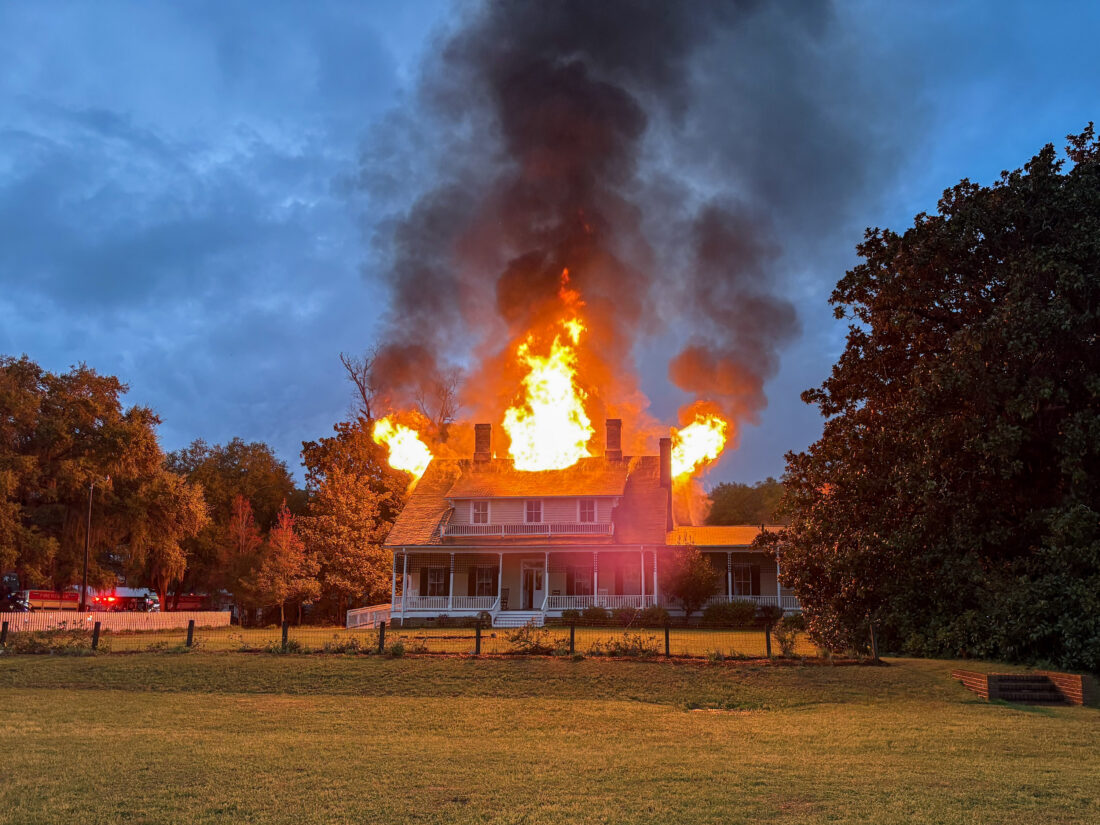
Shortly before the sun rose on Monday, Bill Palmer, the president of Tall Timbers, a conservation nonprofit and ecology research outpost in North Florida, got a call. The organization’s historic Beadel House—the birthplace of modern prescribed fire—was engulfed in flames after a powerful lightning storm.
“Our staff was grabbing stuff and taking it to another building in the downpouring rain,” Palmer recounts. “But then we all sat back and watched her burn.”
The fire broke out a little after 7:00 a.m. when lightning struck twice on the estate, which sits among longleaf pines and Spanish moss–draped oaks in Tallahassee’s Red Hills region. One bolt struck a large magnolia, then a second sent wood shrapnel flying from a nearby oak tree; the resulting conflagration jumped to the roof of the building. Firefighters quickly arrived, but “all they could do was save the trees around it,” says Tall Timbers chairman George Simmons. “That hard pine that the house was made of and unprescribed fire, they don’t mix. I don’t know that anything would have stopped it.”
Built in 1895, the Beadel House served as an epicenter for ecologists long before it became the Tall Timbers offices. Naturalist and avid hunter Henry Beadel moved into the abode, originally built by his uncle, in the early 1900s, and he used controlled burns as a tool to create the ideal habitat for quail breeding—a preservation goal that continues today with the organization’s bobwhite quail programs. Beadel and his friends “were on the forefront of understanding the importance of the use of fire,” Palmer says. “On that porch is where they sat around and discussed creating this research station, and the birthplace of modern fire ecology happened right on those steps.”
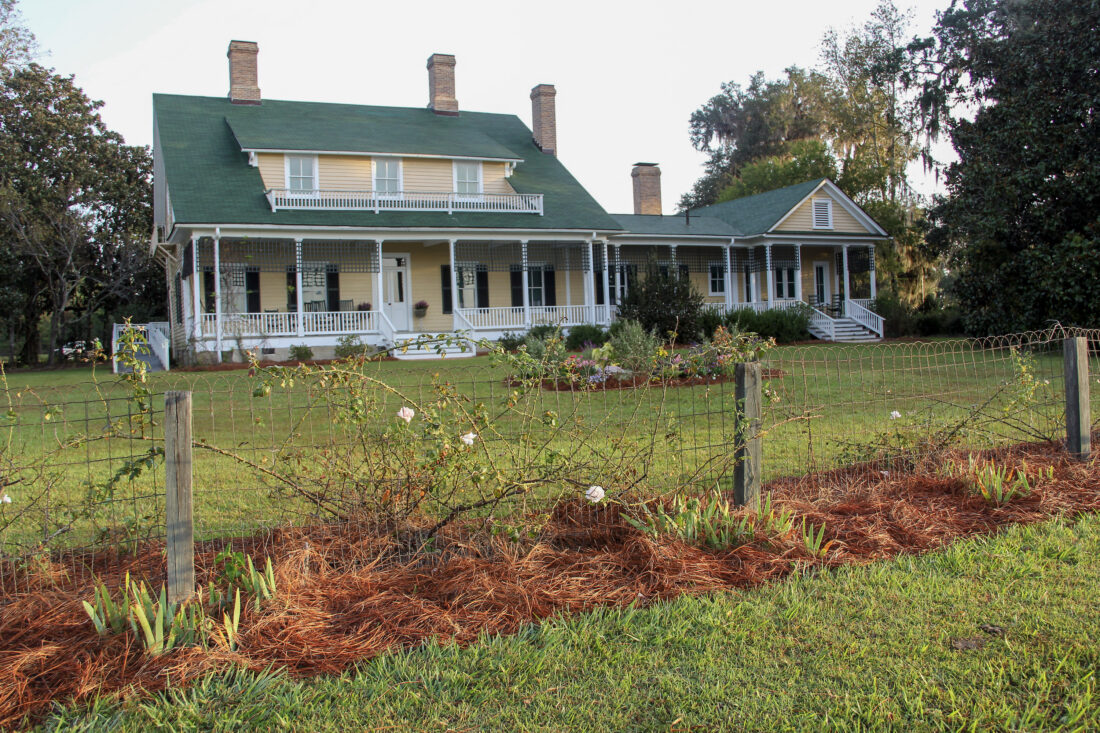
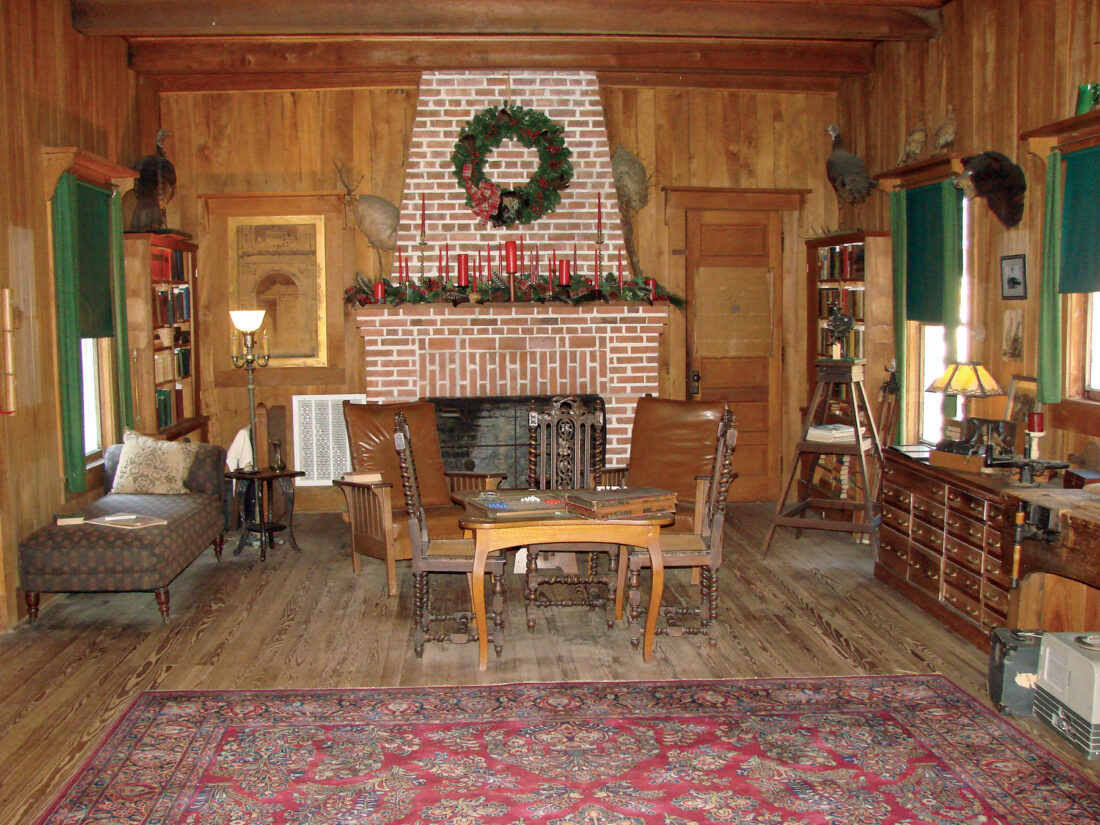
But on Monday, it wasn’t prescribed fire that altered the landscape, but a wild one. After ensuring everyone was safe, the Tall Timbers staff and firefighters watched the structure collapse over the course of two hours, taking with it a bottom-floor museum filled with Beadel’s research tools. The three-story chimneys were among the last remnants of the house to stand, but they, too, eventually crumbled.
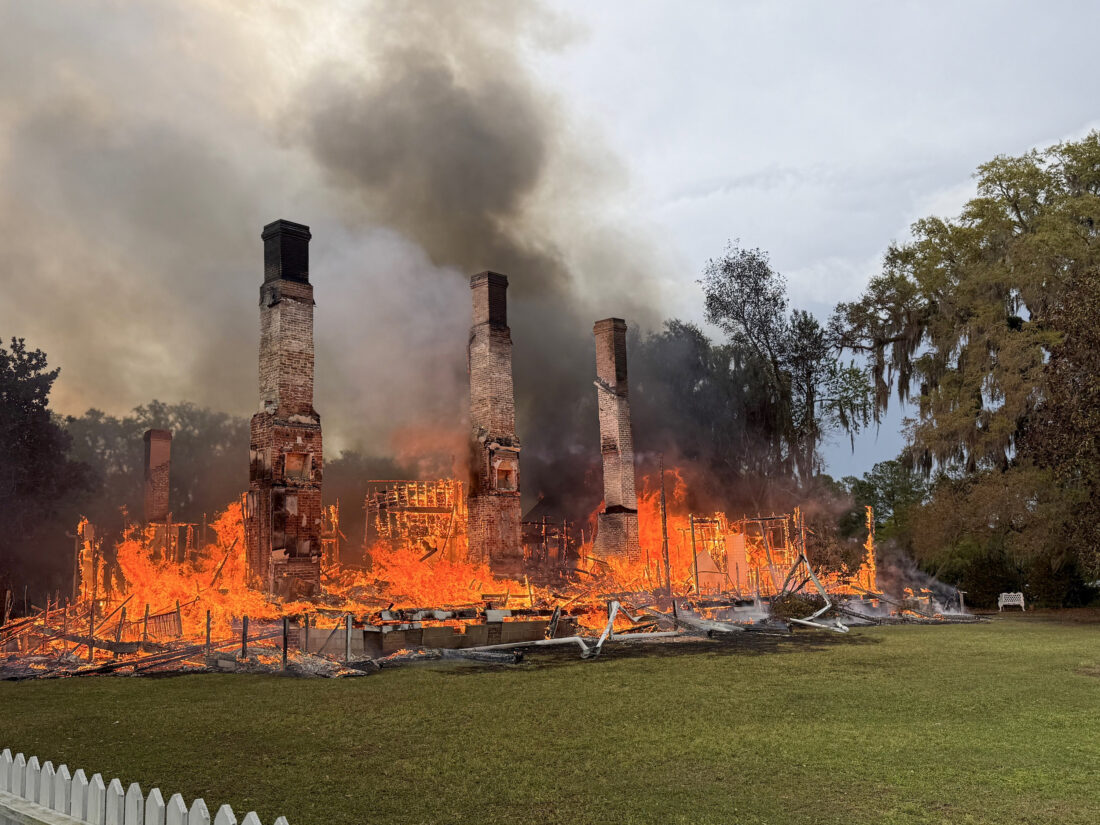
“To see that rubble was just heartbreaking,” Simmons says. “But we’ll gather the bricks and do something special with them. And we were able to save some relics and historical things, pictures, guns.” With the help of the fire department, the team was able to salvage about 10 percent of what was inside, Palmer estimates.
To Palmer, the fire was a reminder of nature’s power. “Aside from the historic loss and the sadness from all the memories there, the reality is, when you watch this thing, the intensity of the inferno was unbelievable.”
But it also could have been worse—and in that way ironically proved the importance of the prescribed fire Beadel advocated for a century ago. “Without it you don’t have longleaf pines, and really all the trees benefit from removing that underbrush,” Simmons explains. “From a safety standpoint, we’re removing the fuel loads every other year. And so when you do get a wildfire, those fires are much easier to contain. We don’t fight fires long here because people manage the ecosystem.”
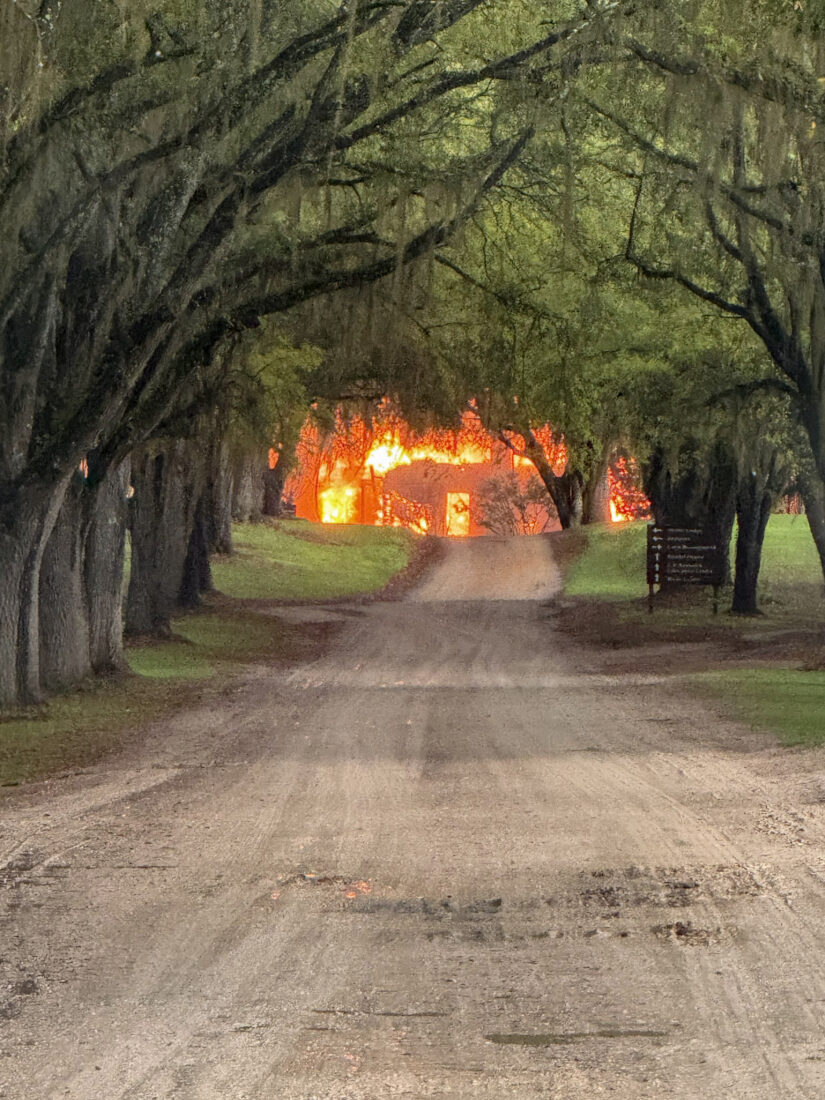
While the loss of the house was a gut punch, it is that ecosystem that gives Tall Timbers its name and underscores why they will rebuild. “We can’t undo the fire,” Simmons says. “But we can work hard to try to honor the history and iconic nature of that structure in something moving forward that’s very similar to the original house.”
“We appreciate the history, and we look back and are inspired by it,” Palmer adds. “But the organization is about making a difference today and in the future.”
To support efforts to rebuild, visit talltimbers.org
Helen Bradshaw is a freelance writer and a born-and-raised Floridian. As such, she has an aptitude for finding alligators and an affinity for the weird and wonderful stories of the South. She graduated from Northwestern University with a focus in environmental journalism.