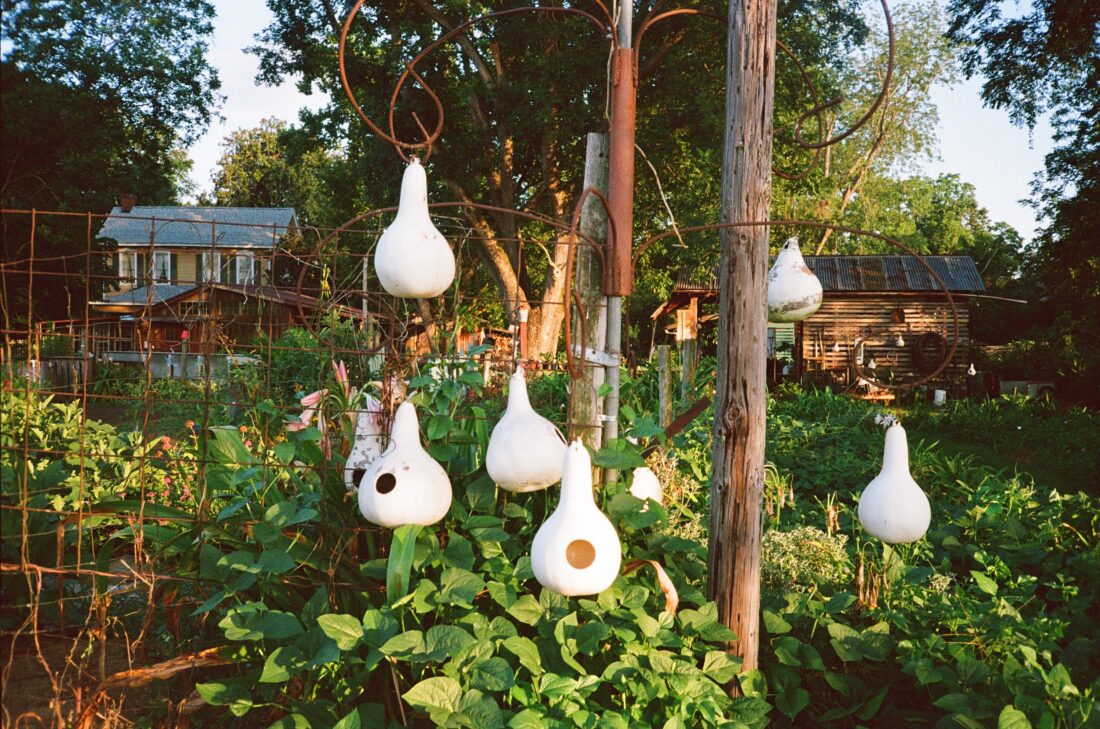
The “return to analog” trend has brought renewed love for vinyl records, handwritten letters, and, for a growing segment of folks, a curiosity for film photography. Just ask Josh Moates of Montgomery, Alabama, who found his way into film two decades ago. Not long after the former rock-band bassist joined a wedding photography business, digital disillusionment hit. “I didn’t think the pictures looked as good as they could,” he says. While he kept using digital, he began shooting a few rolls of film, too, using a medium-format camera, the Mamiya RZ67. The character of film photographs, especially the dynamic colors, blew him away. “They were alive and felt more real,” he says. “It was night-and-day different.”
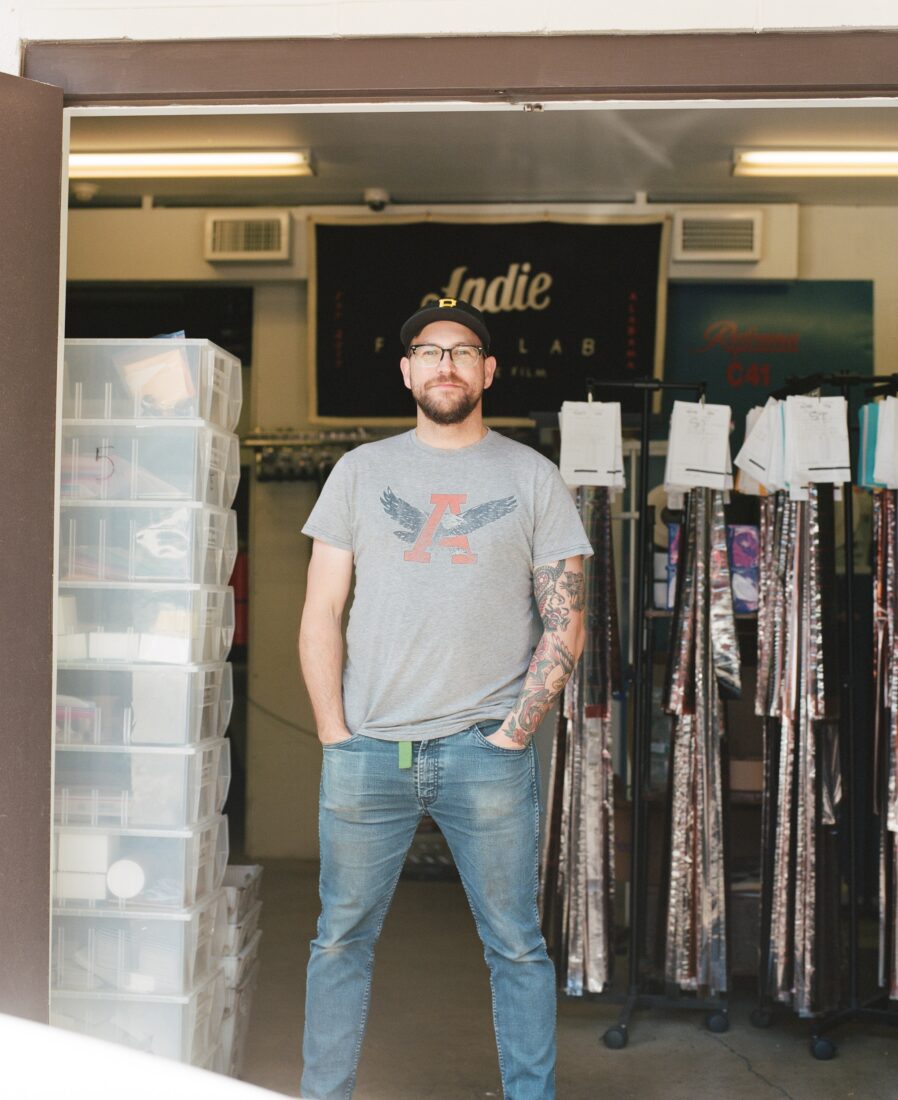
As Moates shot more film and had to send it off to get developed, the processing piqued his curiosity. “I’m the guy who wants to know how stuff works,” he says. So he bought some old equipment and learned how to process his own film. Impressed with the quality of his images, other photographers soon asked Moates to process their film, too, and in 2011, increasing requests motivated Moates to found Indie Film Lab in Montgomery.
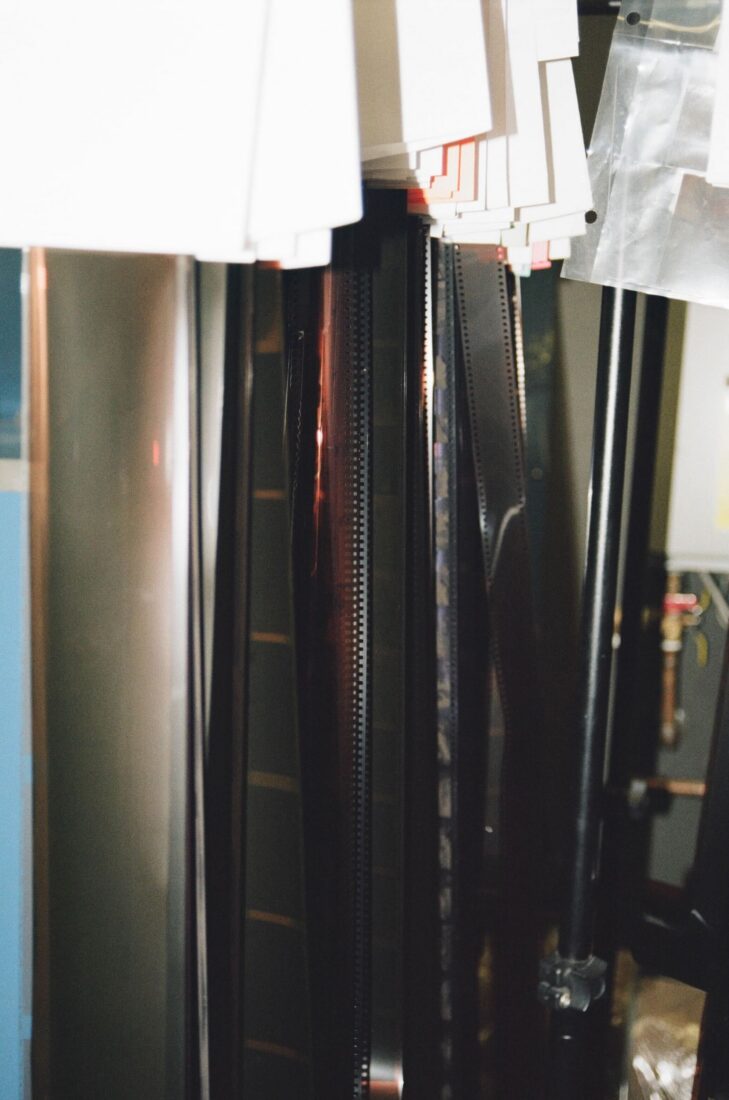
Today, the small retail shop keeps regular hours, but photographers from all over the country mail in rolls for the lab’s respected “dip and dunk” method of lowering film into chemical tanks for development. It’s now ranked among the country’s largest film processors. “Everyone at Indie is an artist,” Moates says, “and takes real time with every project, every step, including careful color correction.”
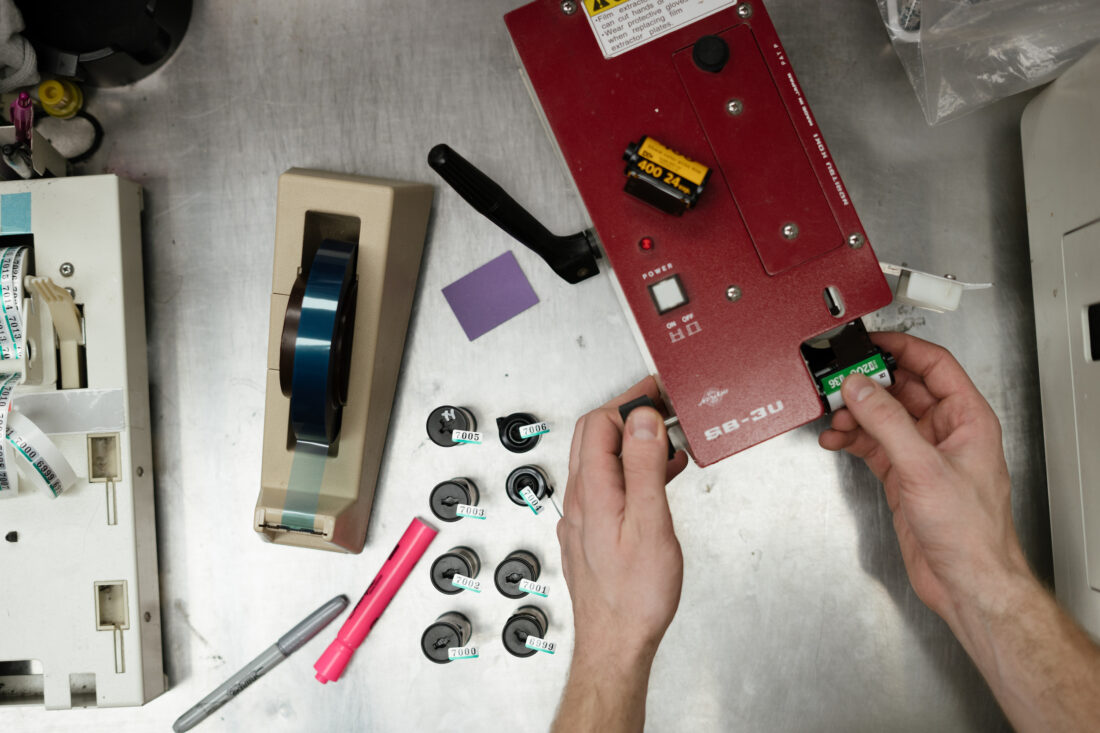
As Indie celebrates its fifteenth anniversary this year, film still energizes Moates. “The camera choices, the choices in film stock and their different grain structures, the slower pace requiring you to be present and focus on each shot—it all stokes creativity in a way I love,” he says. And connecting with Indie’s clients clicks for Moates, too, evident in the Long Live Film online community he started. “I love talking to and getting to know these amazing artists who enjoy what I enjoy. That’s the real fun.”
Indie isn’t the only Southern lab devoted to bringing film photographers’ artistry to light while also creating new film fans. Here are seven more old-school film labs upholding the tradition across the South.
Bleach Film Lab
Atlanta
Since Henry and Nancy Reed opened their lab in 2022, Bleach has grown year over year, but the Reeds still process in small batches, and their commitment to nurturing a community of creatives drives the business. “The exchange we make with our customers has an integrity and honesty that we haven’t found in any other industries we’ve worked in,” Henry says. A drop-off box for film and disposable cameras adds convenience to the mix.
Boutique Film Lab
Nashville
In Music City, Ryan Tolbert delights in the repeat clients at his shop, which sits just a few miles from the airport. “We get familiar with our photographers’ work,” Tolbert says, “and I get inspired by what we develop, seeing the world through others’ eyes.” Boutique processes a range of film types, including rare formats and slides, and offers a large variety of print size options.
Coastal Film Lab
Tampa
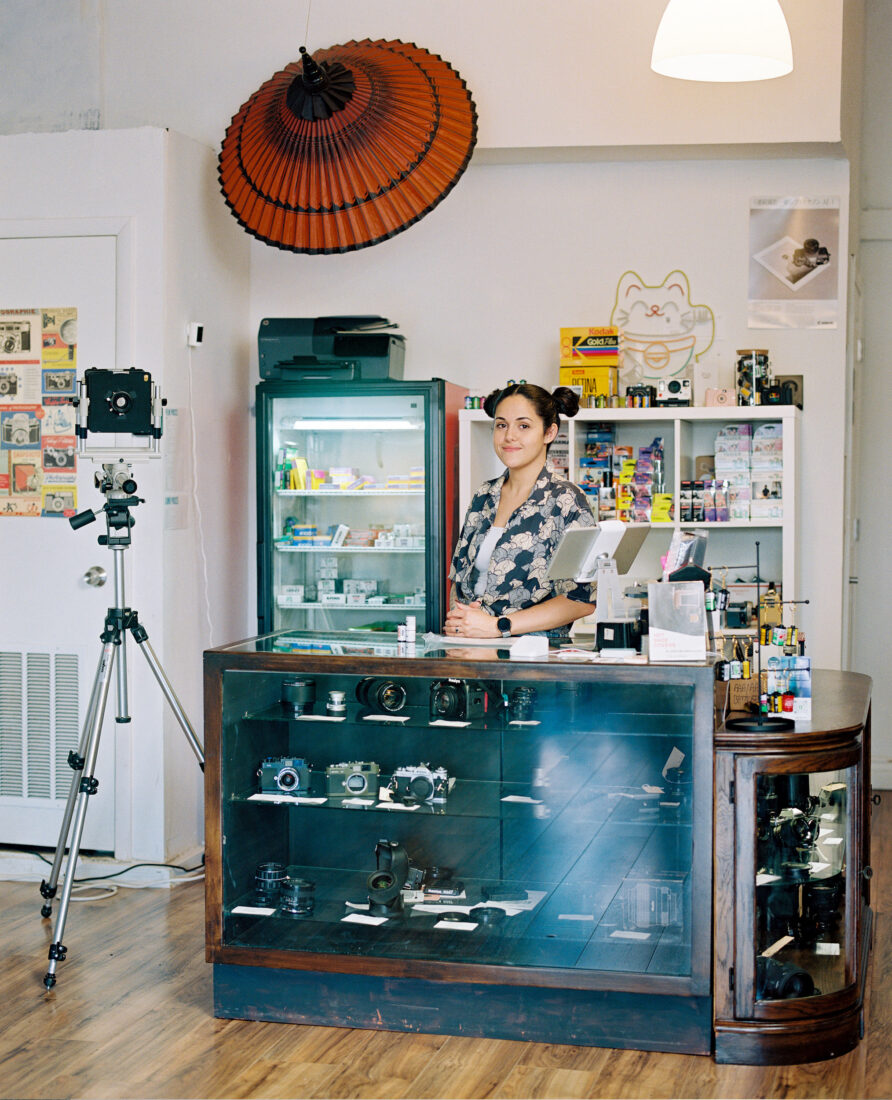
Coastal’s one-stop-shop set-up—selling film cameras and accessories, teaching new shutterbugs how to use them, repairing them if needed, and developing the film shot on them—makes a foray into film photography easy for newbies. “We love helping people understand film and encouraging them along their artistic journey,” says owner Stephen Swett.
Colonial Photo & Hobby Inc.
Orlando, Florida
Open since 1954 in the heart of central Florida, Colonial’s vibe shares the retro feel of film, and its offerings go beyond developing. Regulars bring their cameras here for repair and sensor cleaning, and there’s a huge selection of used cameras and camera equipment for sale.
Electra Film Lab
Birmingham, Alabama
The only film lab in the Magic City, Electra’s approachable atmosphere and friendly folks demystify the medium for its largely eighteen-to-twenty-five-year-old clientele, who might be discovering film for the first time. And by staying stocked with plenty of film, the lab keeps both hobbyists and pros ready to capture the moment.
Prism Photolab & Framing
Mount Pleasant, South Carolina
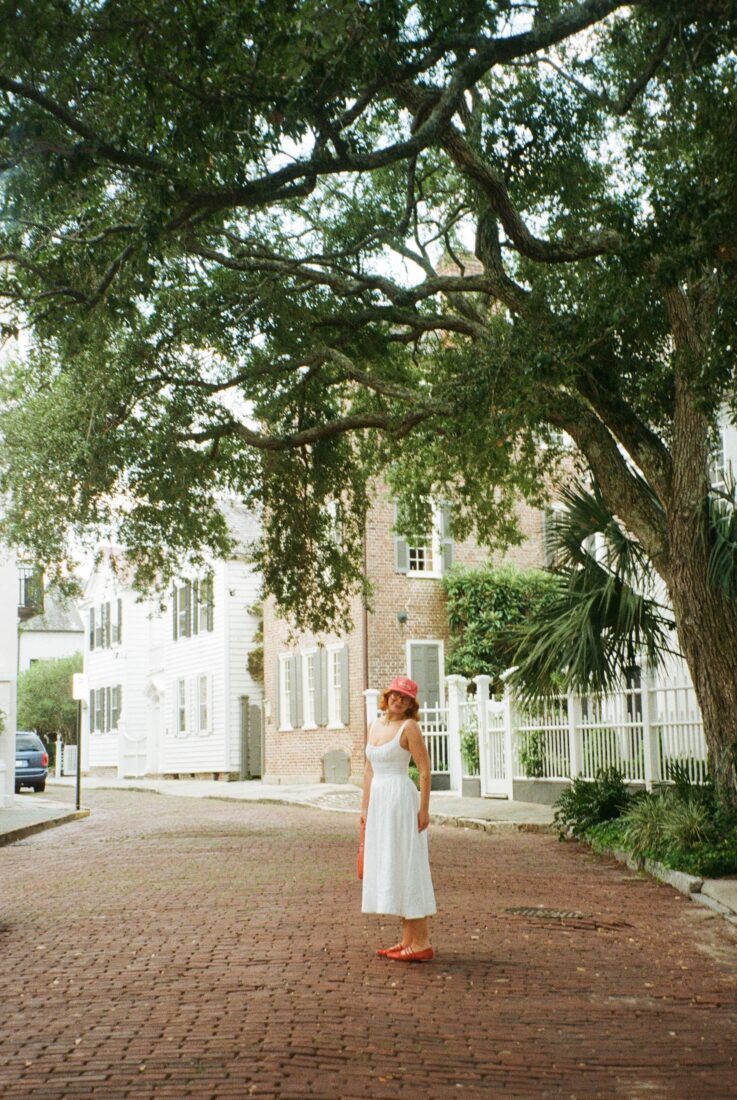
The only film lab for hundreds of miles, Prism prides itself on serving mostly Lowcountry locals. The shop just outside of Charleston also sells a wide film selection, including Polaroid, and offers custom framing services. “I grew up on film, so I’ve seen its ups and downs and all-arounds,” says owner Larry Peterka, who has clocked more than forty years in the industry. “Film coming back like it has, while wonderful, caught some of us old-timers by surprise.”
Prisma Film Lab
Dallas
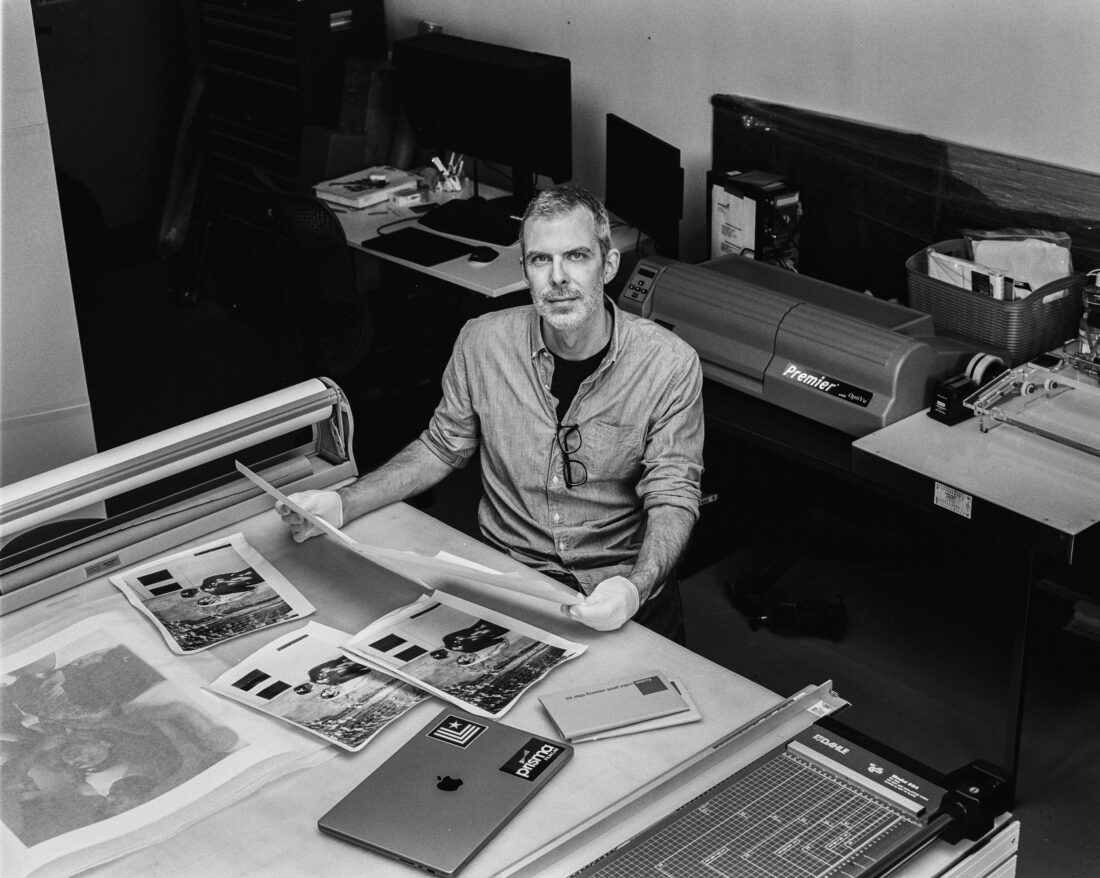
After moving from New York City to Dallas, commercial photographer and Prisma owner Chris Davis couldn’t find a “dip and dunk” lab to develop his film. In 2022, he heard that the owner of Lone Star Darkroom in Dallas was looking to move on, so he decided to create the lab of his dreams. He’s proud he brought the process to Dallas and touts the lab’s gallery-quality prints on archival papers, but he’s equally passionate about promoting the medium. He says, “I love educating folks on film and helping new people get into it.”
Jennifer Stewart Kornegay is an award-winning freelance writer and editor based in Montgomery, Alabama, with work published in Condé Nast Traveler, Food & Wine, Wildsam, The Local Palate and more. Her articles cover a variety of topics, including food and food culture, artists and makers, and travel, but the throughline is emphasis on telling the stories of the interesting people behind them all. Read her work at jenniferkornegay.com.