


In October 2019, three weeks into a grueling cross-country tour of forty-one shows with only five days off, Justin Townes Earle played to a sparse crowd seated at cocktail tables in a dimly lit club in Jackson, Mississippi. The audience, noticeably smaller than the one that showed up to his gig there five years earlier, politely applauded the singer-songwriter’s tunes and smiled at his one-liners.

No one seemed to mind that Earle, while working through a setlist that had become familiar—fan favorites like “Harlem River Blues,” “Mama’s Eyes,” and “Am I That Lonely Tonight?” sandwiched around cuts from his latest album, The Saint of Lost Causes—played looser than perhaps expected from an artist whose sobriety-redemption arc traced to the beginning of his career.
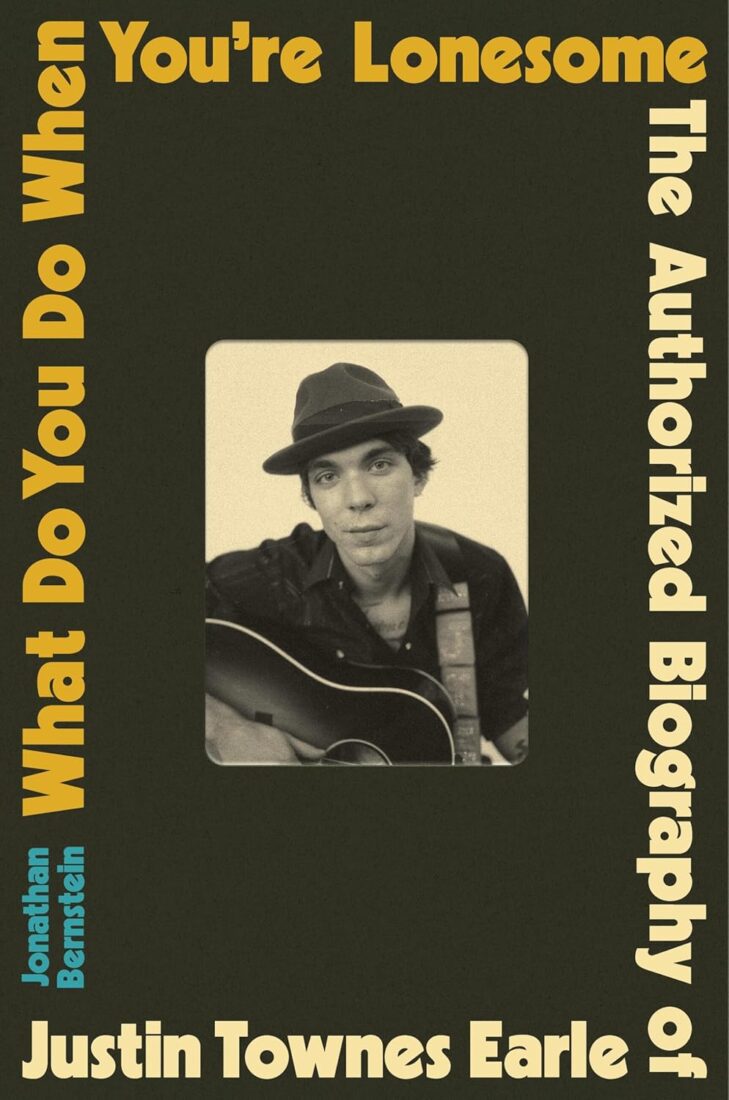
Behind the scenes on his last proper headlining tour, though, the wheels were already coming off. As Jonathan Bernstein details in his new book, What Do You Do When You’re Lonesome: The Authorized Biography of Justin Townes Earle, out January 13, the man on stage that autumn was a shadow of the musical force he’d been just a few years earlier. Consumed by what would become his final relapse into substance abuse, which eventually claimed his life the following August, Earle was determined to keep the show on the road to provide for his family.
As the son of the Grammy-winning singer-songwriter Steve Earle, who named him in part for his mentor, Townes Van Zandt, Earle’s hard-nosed determination and propensity for addiction were tragically in his DNA; Steve’s own substance issues landed him in prison during the nineties. While separating the suffering from the artist here is folly, the brilliant music Earle created, the complicated circumstances of his life, and his enduring influence take center stage in Bernstein’s telling.
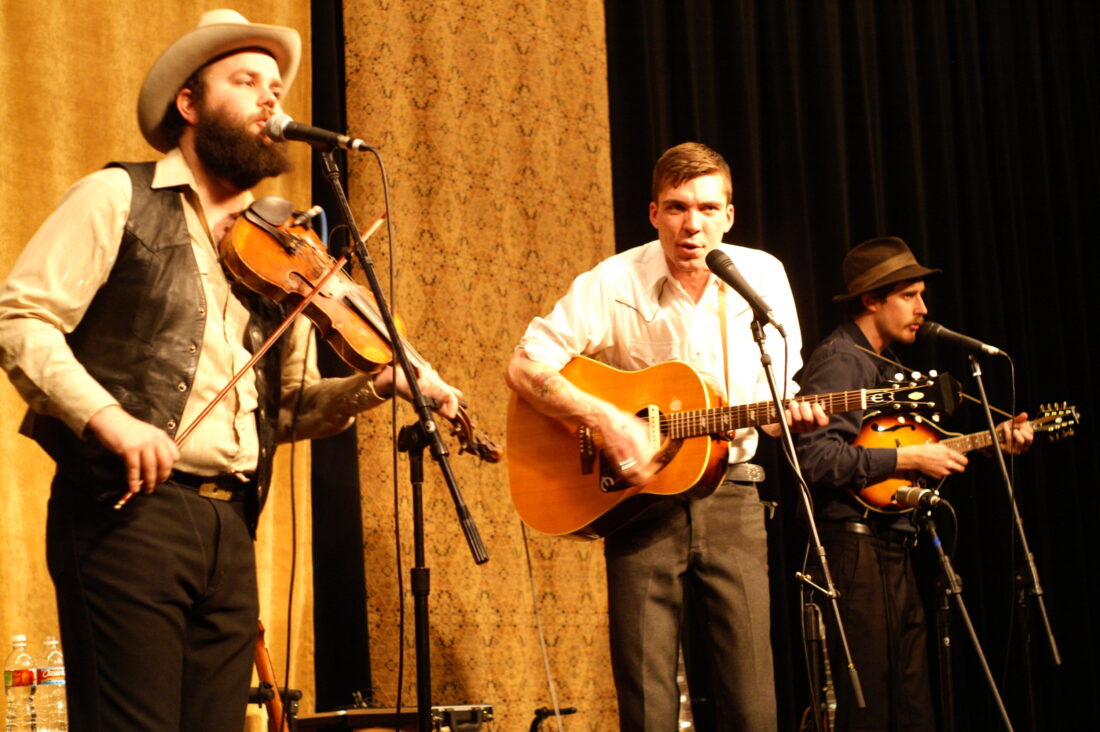
“Justin was someone who quietly has been a major influence and years ahead of his time commercially,” Bernstein says, noting how likeminded roots musicians such as Tyler Childers, Charley Crockett, and Sierra Ferrell have become major recording and touring artists since his passing in 2020. “He’s a really under-acknowledged influence on a lot of American music and culture right now.”
We caught up with Bernstein to talk about Earle’s lasting music, charm, and emotional depth ahead of his book release.
What was the first Justin Townes Earle song that really grabbed you?
I first saw Justin in April of 2009 opening for Jason Isbell and the 400 Unit. He had just put out Midnight at the Movies, and it was “Mama’s Eyes” that hooked me from the get-go. I could just relate to a song that started by saying, “I am my father’s son”—even at nineteen, I related to the way Justin told that story, the spareness of it, the way he turns the song emotionally and kind of knocks you on the head with a sledgehammer when he starts to sing about his mom. The way he sets the scene just before he makes that musical turn with him standing in the kitchen, smoking his last cigarette. It’s a gentle, sort of vulnerable, honest song, and it’s still my favorite of his.
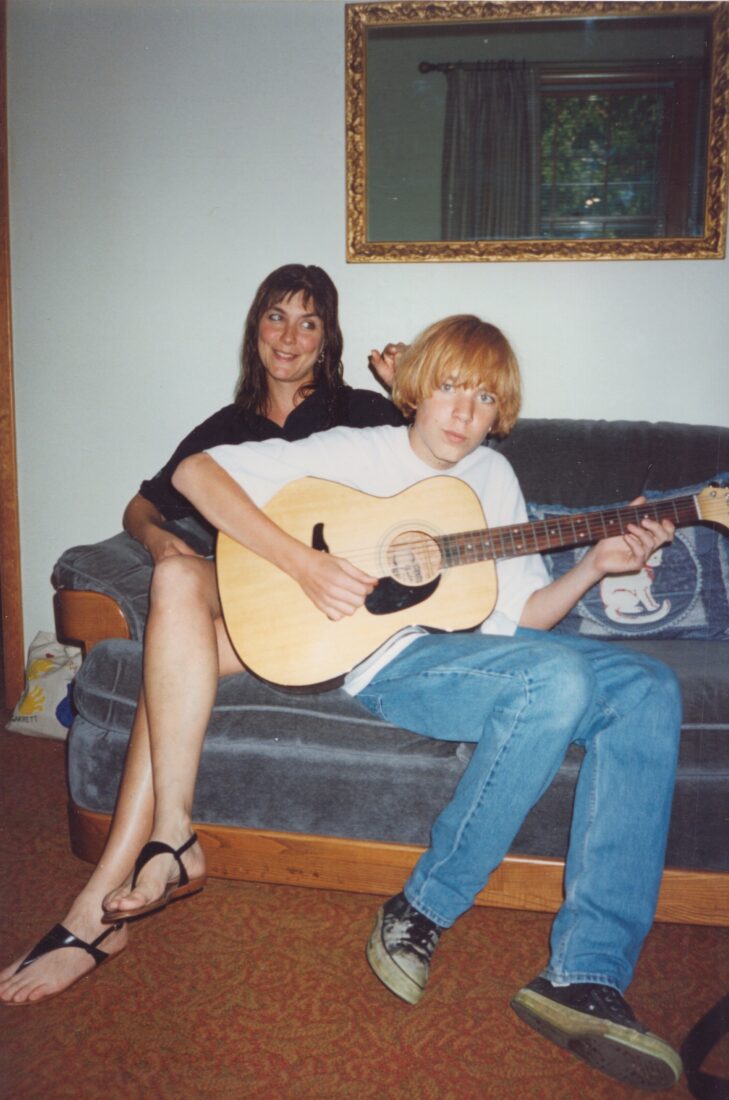
Did your view of Justin or his music change as you got deeper into telling his story?
I came to really appreciate songs like “The Good Life”—these old-fashioned country songs. When I was twenty, I used to think those songs were less serious than a song like “Mama’s Eyes;” that “Ain’t Glad I’m Leaving” was fun, but it wasn’t as deep as the heartfelt ballads. This experience enriched my appreciation for Justin’s art.
Justin was a master at expressing sadness and tenderness in an upbeat way, like on “Harlem River Blues.” Do you think he relished how audiences responded to that duality?
Justin had a wickedly dark sense of humor, and he used humor throughout his life to deflect really painful things. I mean, he would literally end all of his shows with an a cappella singalong about everyone jumping into the river to drown. But he’s writing and performing that song during a period when he is cresting on a year-plus-long relapse that is throwing his life into utter turmoil, after working hard to attain so much professional and personal progress as an artist and as a sober man. It’s a really scary time in his life. I think the musical cheeriness of the song and the almost over-the-top absurdity of the darkness goes back to the idea of these protective layers Justin found in his music. It was a safe way for him to sing about some really painful stuff, but no doubt he appreciated the dark humor of that being the big hit of all of his songs.
What do you think fans overlook in Justin’s music?
Sometimes the bravado and the sort of veneer of Justin’s art—whether it be his presentation, the way he talked, the way he dressed, or the way he dressed up his songs to sound like they were from the 1950s or from the 1930s or Woody Guthrie–inspired—can make it harder for people to see the depth and craft in Justin’s songwriting. There’s profundity in some of the songs on The Saint of Lost Causes and Harlem River Blues, but a song like “Hard Livin’” or “Look the Other Way,” which is this upbeat R&B rave-up, is probably in some part about his mom and a deeply painful, personal song. So, I think people overlook how much work and craft he put into his songs and how much depth is there.
Jim Beaugez writes about music and culture from his native Mississippi. He has contributed to Garden & Gun since 2021 and has also written for the New York Times, Rolling Stone, Smithsonian, Oxford American, and Outside.
Garden & Gun has an affiliate partnership with Bookshop.org and may receive a portion of sales when a reader clicks to buy a book. All books are independently selected by the G&G editorial team.