

Land & Conservation
See the Stunning Wild Heart of Cumberland Island
Photographer David Wright is fresh off his annual sojourn to the Georgia barrier island where bobcats, shorebirds, and dolphins roam and John F. Kennedy Jr. and Carolyn Bessette tied the knot
Cumberland Island always calls David Wright back. Decades ago the British native, a photographer and videographer who has traveled the world for publications like National Geographic, first experienced the magic of the Georgia coast on assignment. “I came here twenty-five years ago to film a documentary on Eastern diamondback rattlesnakes and fell in love with longleaf pine and the wildness of the barrier islands,” he says. Now based in Darien, Georgia, he leads a five-day, ten-person intensive photo retreat on Cumberland Island every year.
The largest of Georgia’s barrier islands at 36,000 acres, Cumberland encompasses maritime forest, miles of undeveloped shoreline, salt marshes, and longleaf pine savannah, all protected as a National Seashore and home to a band of free-roaming feral horses. Human inhabitants have included Timucua Native Americans, Spanish missionaries, enslaved laborers, and, in the Gilded Age, industrial titans like Thomas Carnegie, whose family built the grand Dungeness Mansion, the ruins of which are an iconic Cumberland landmark. And in a tiny church that still stands on the northern part of the island, John F. Kennedy Jr. married Carolyn Bessette in an intimate ceremony that’s back in the spotlight thanks to FX’s TV series Love Story.
Despite—or perhaps because of—its pristine nature, Cumberland Island is not without controversy. A new proposal by the National Park Service, which would double the amount of visitors allowed daily (currently capped at three hundred) and provide amenities like bike and kayak rentals and even an on-island store, has drawn ire of environmental nonprofits like Wild Cumberland. “The future of Cumberland Island is hanging the balance,” Wright says.
But for those who are lucky enough to visit, either on a day trip, an overnight excursion (camping or staying at the stately Greyfield Inn), or during Wright’s spring photo safari, the island holds no shortage of wonders. “Even after coming here for so long, I still have a list of images that I want,” Wright says. “I feel as passionate as I ever did.”
Below, browse a handful of Wright’s images, which capture both the wildness and long human history of Cumberland Island.
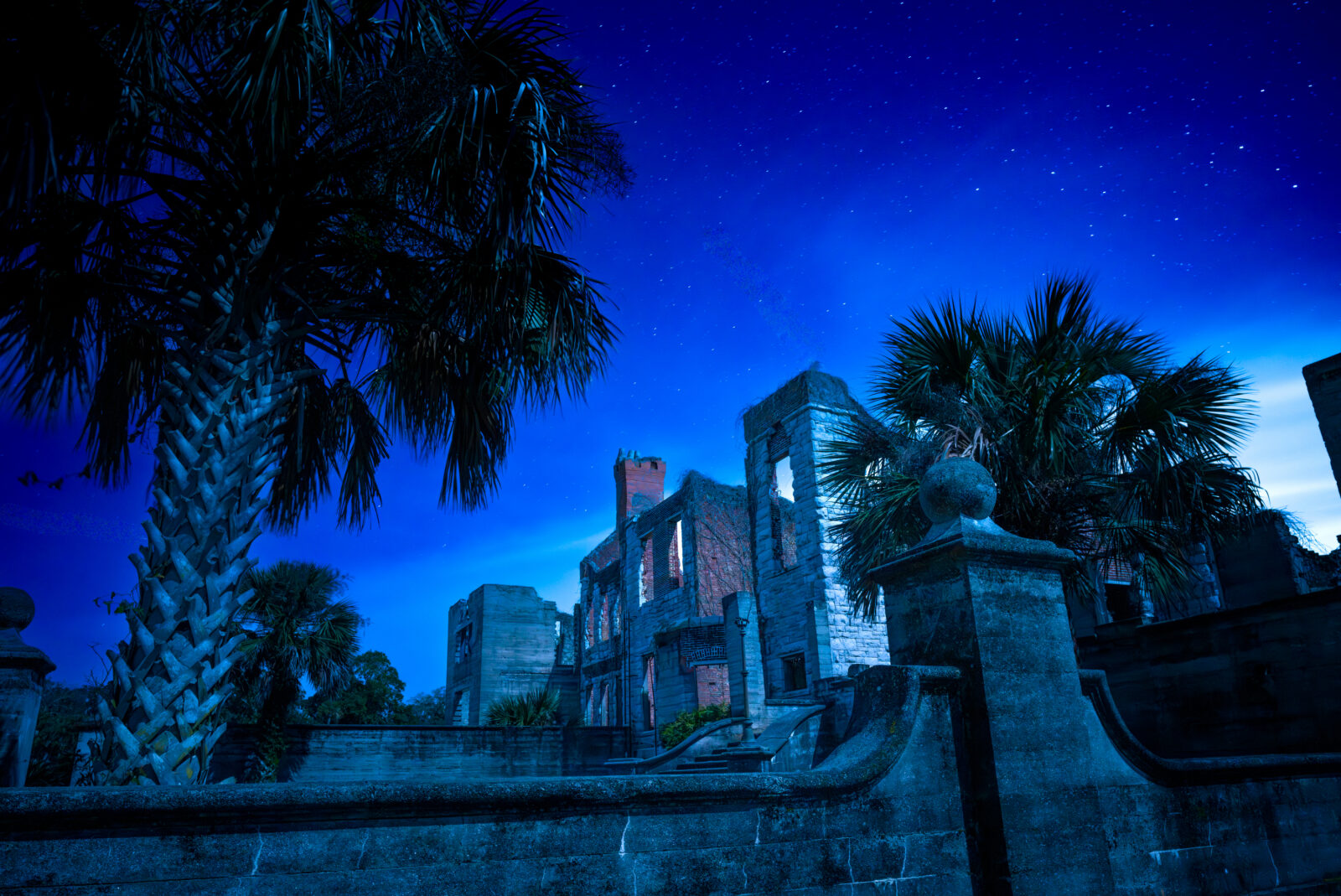
Photo: David Wright
“The Dungeness Ruins is a subject I just keep coming back to because it’s different every time,” Wright says. He loves to take a group there after dark to listen to the sounds of the island and let everyone’s eyes adjust to the night.
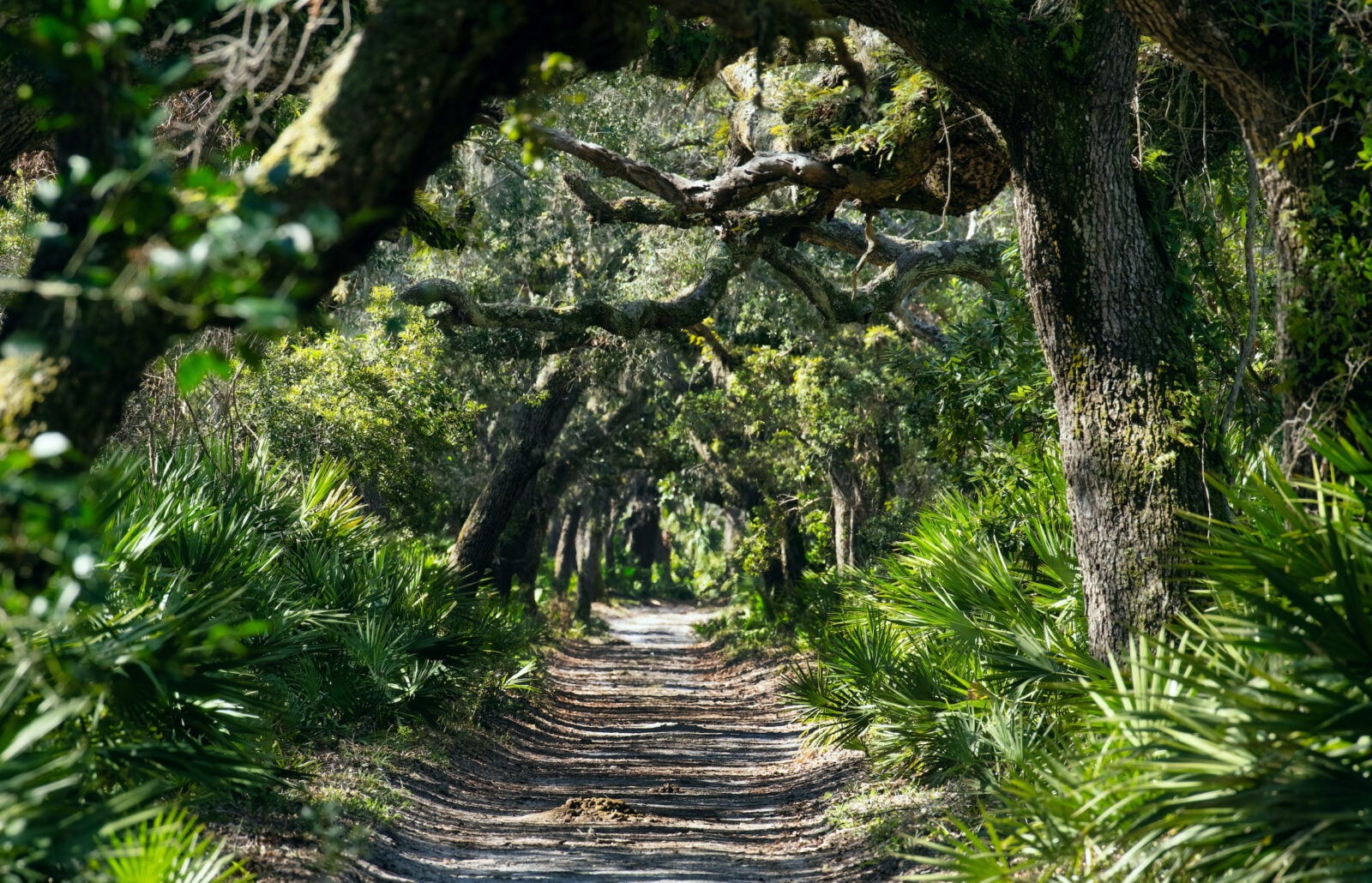
Photo: David Wright
This island’s sandy central road connects Greyfield Inn to the rest of the island. “This is a classic shot of Cumberland,” Wright says, “but I still want an image of this road on a misty morning, with shafts of light coming in.”
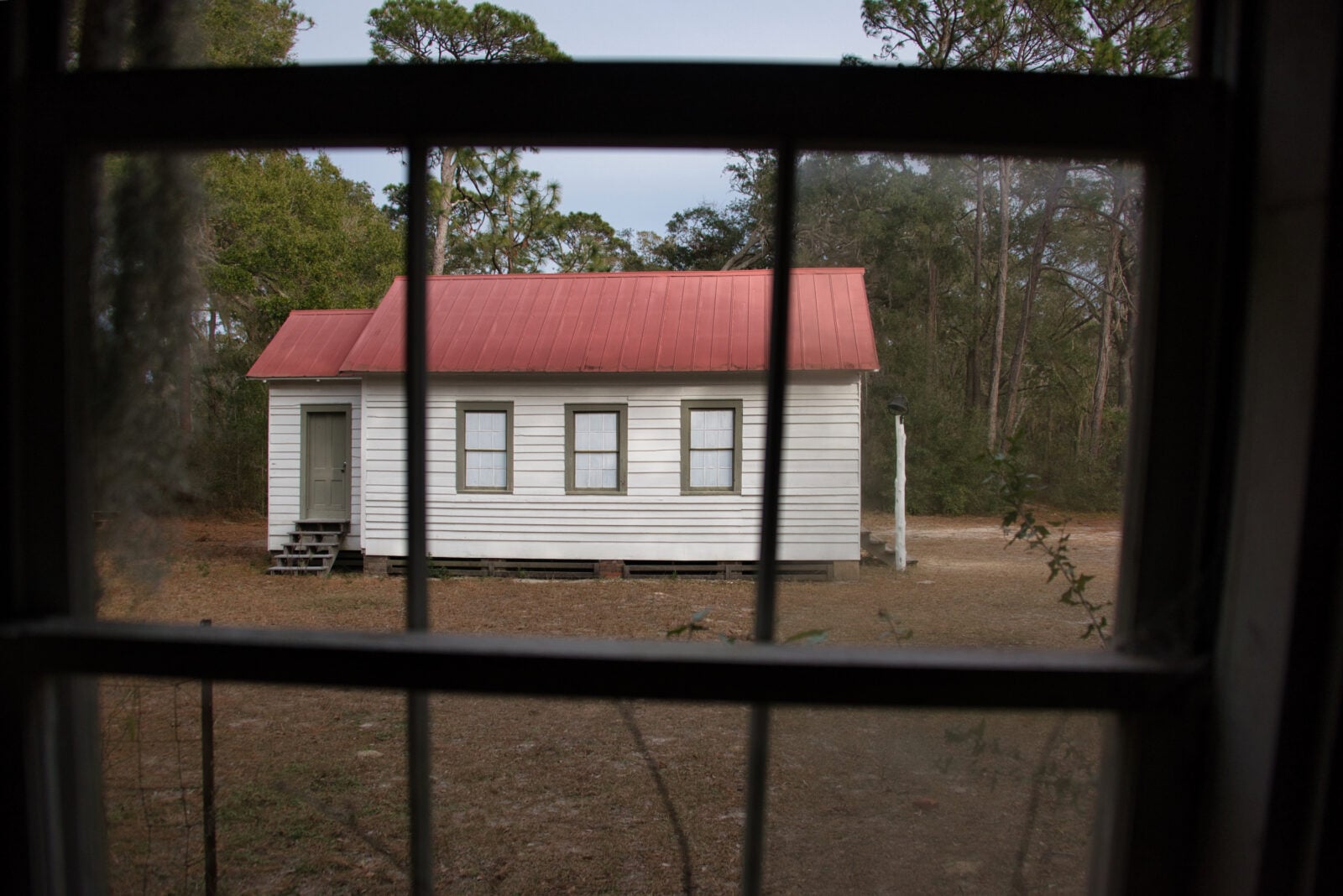
Photo: David Wright
At the northern end of the island in what is called the Settlement, Cumberland’s African American residents—some of whom were born into slavery and emancipated—founded the First African Baptist Church in 1893. In 1996 John F. Kennedy, Jr. and Carolyn Bessette selected the eight-pew church for their wedding, keeping the location a strict secret.
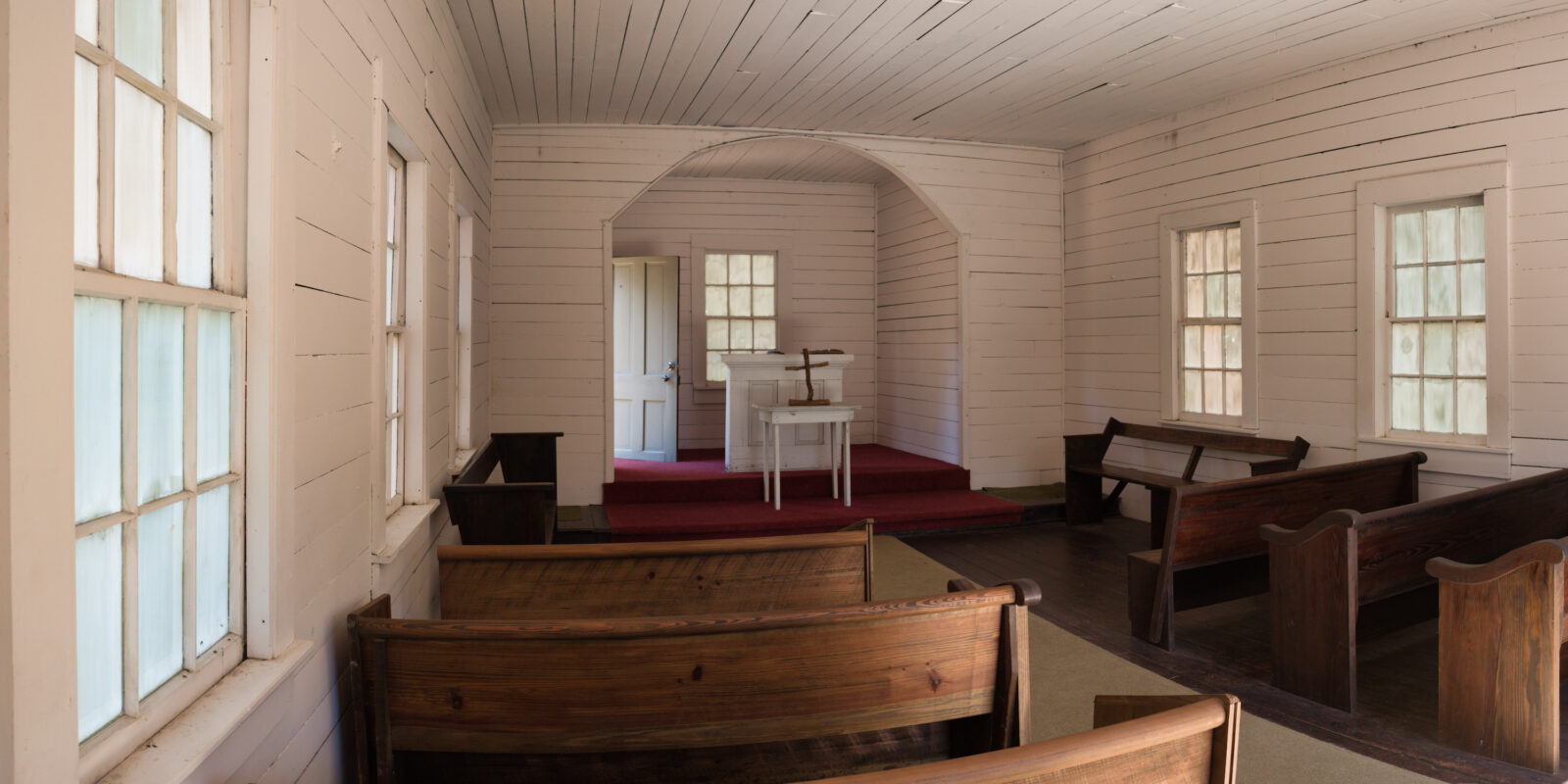
Photo: David Wright
“It’s a beautifully preserved place,” Wright says of the church’s rustic, simple interior. “Of course, it’s popular now because of the renewed interest in John F. Kennedy Jr. and Carolyn Bessette, but I like to think of the history of that little community and to imagine all the gatherings that happened here and the sound of their singing.”

Photo: David Wright
Drawn to the lines and texture, Wright captured this close-up of a shell casting a long shadow on an early morning walk on the beach. “I love the big, epic wide-angle shots, but the beauty of a place like Cumberland is in the details.”
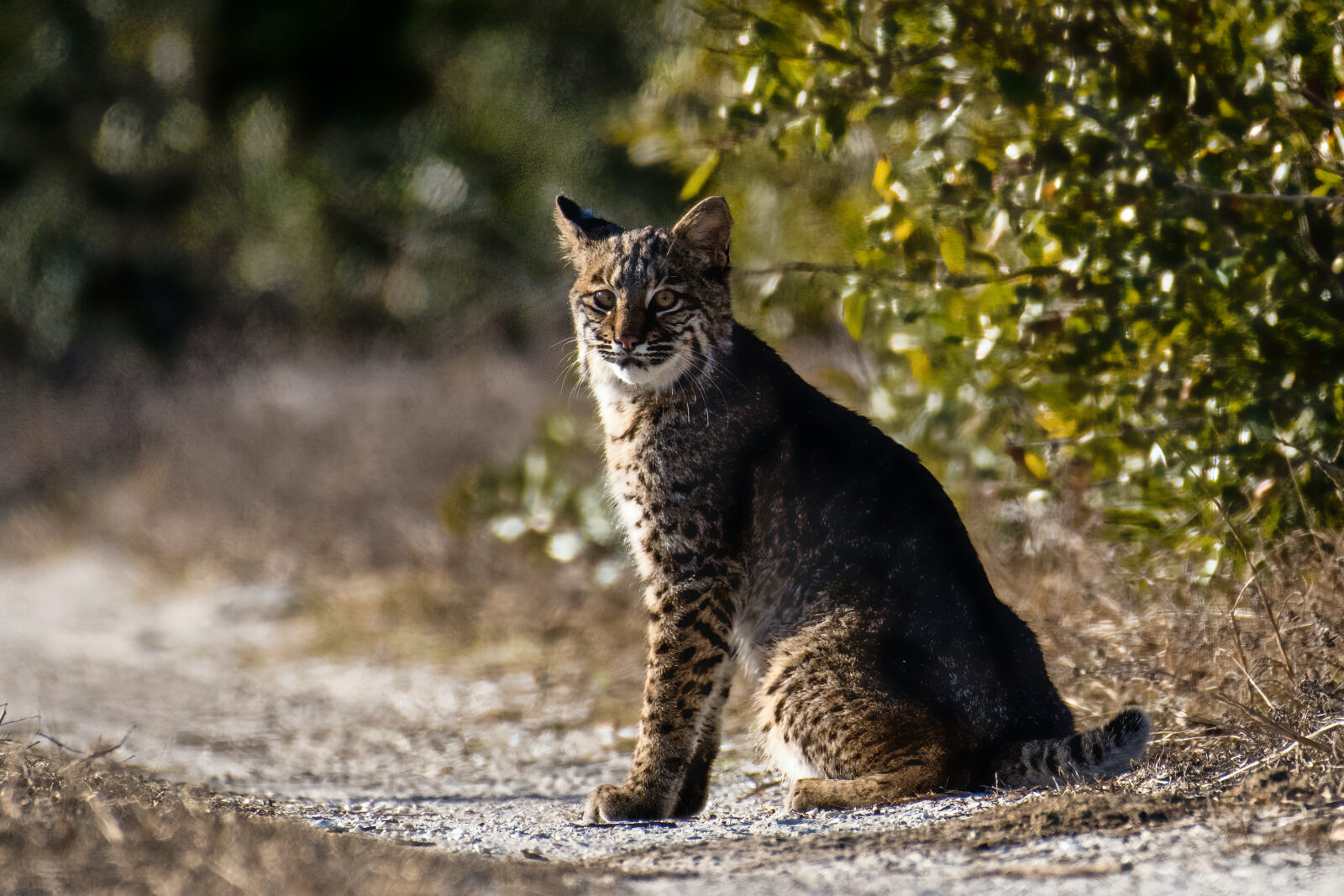
Photo: David Wright
Bobcats are a rare treat anywhere, but Wright has learned that the best chance of a glimpse is along the roads at the northern end of the island, not far from the church. “We probably had less than a minute on this whole trip of a view like this, but if you’re lucky, they’ll materialize, and look at you for a moment.”
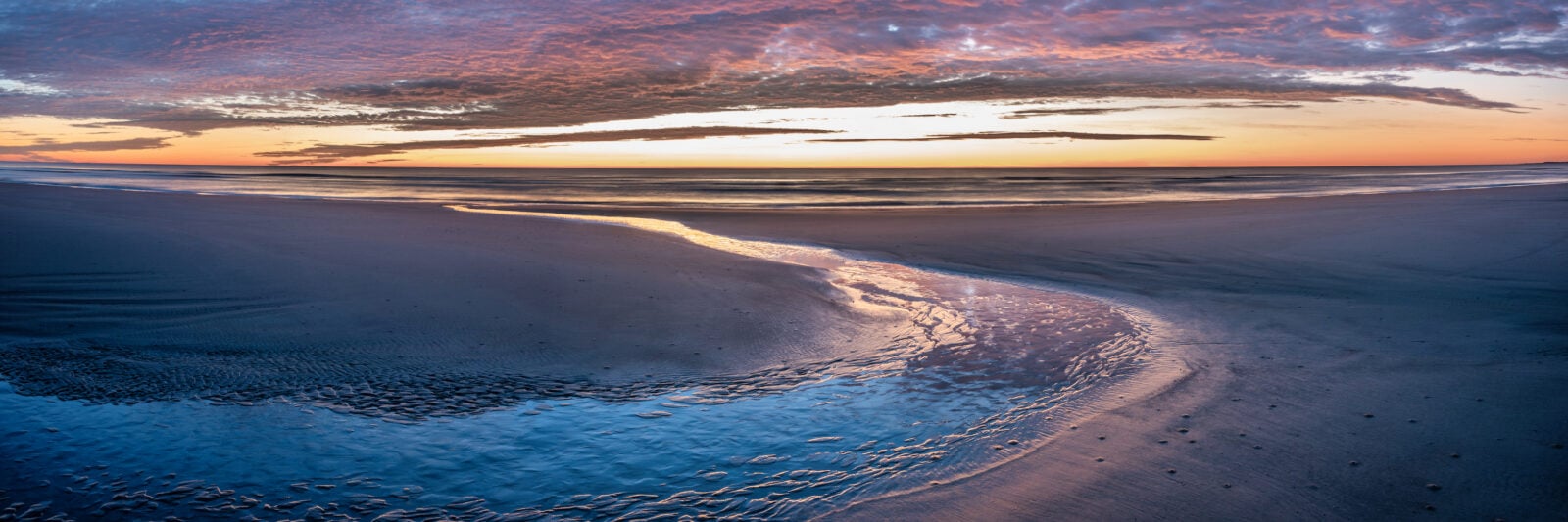
Photo: David Wright
This wide-angle shot captures the essence of Cumberland Island, ethereal and ever changing in the morning light. Wright’s favorite time of day is the half hour before sunrise, when the sun is just peeking over the horizon but the colors are still soft and painterly. “There’s a calmness,” he says,” but the island is still dynamic and it’s moving.”
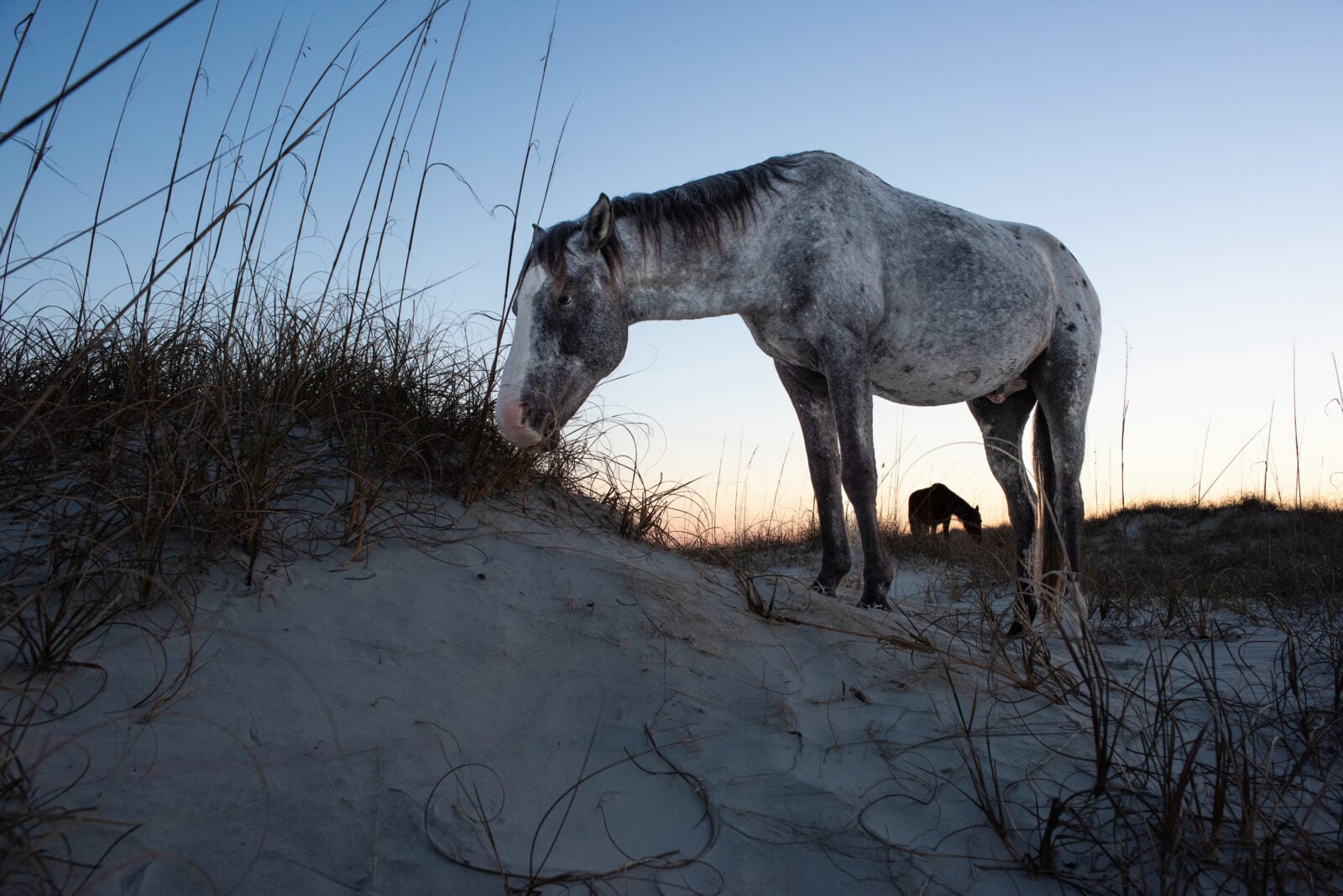
Photo: David Wright
The earliest evidence of horses on Cumberland dates to 1742, when the Spanish and English fought over the fort of St. Andrews. Island landowners kept other horses as free-ranging livestock, plantations ensured that they remained on the island, the Carnegie family brought more, and by the time Cumberland became a National Seashore in 1972, the animals had become feral. Today, some two hundred roam, including these two grazing on the beach in the early morning light.
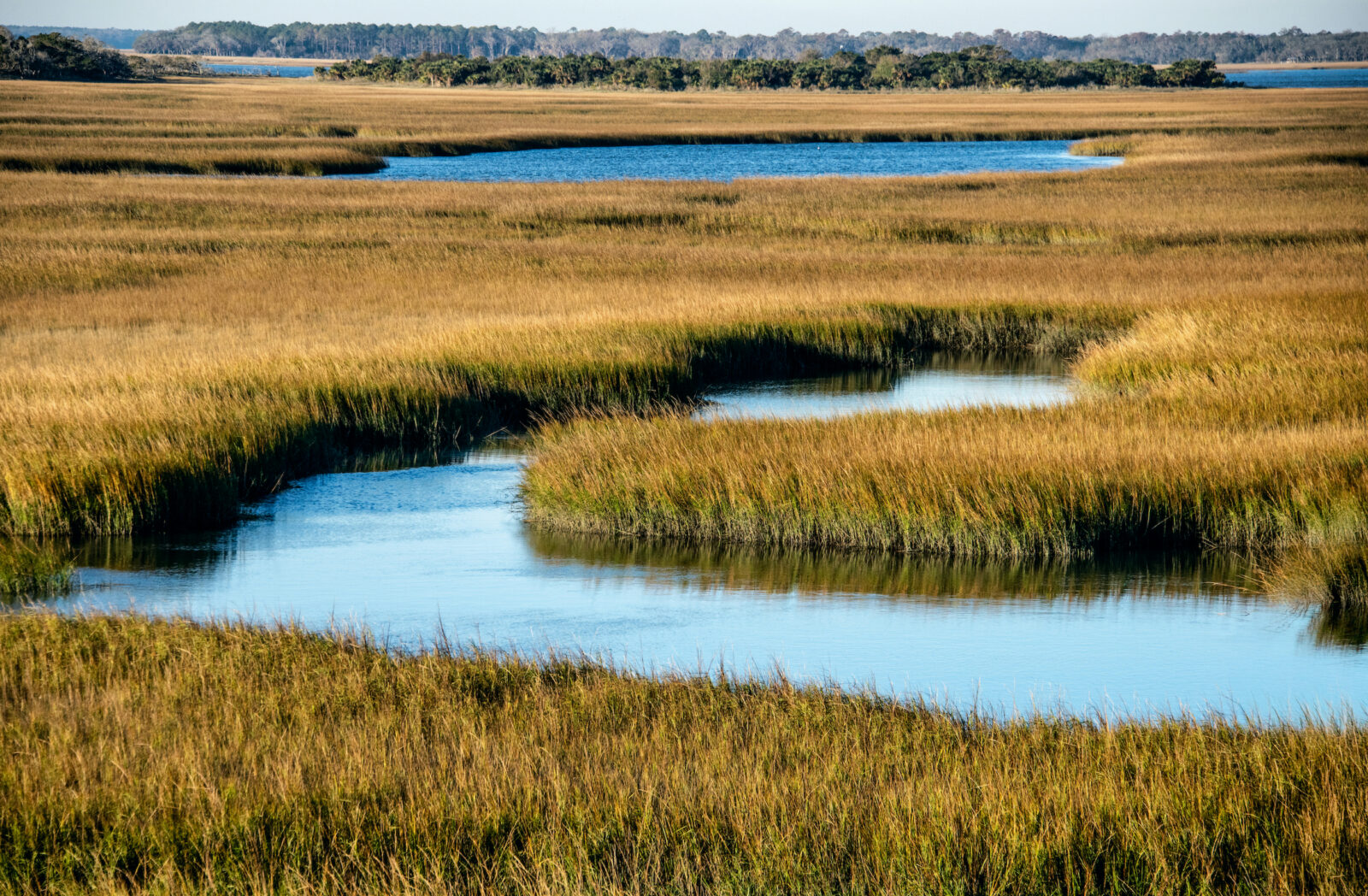
Photo: David Wright
A boardwalk near the Dungeness Ruins leads to a golden view of the marsh. “I love to come here in the early mornings for bird life,” Wright says. “And dolphins come up and down the channels when the tide comes in, hunting mullet.”
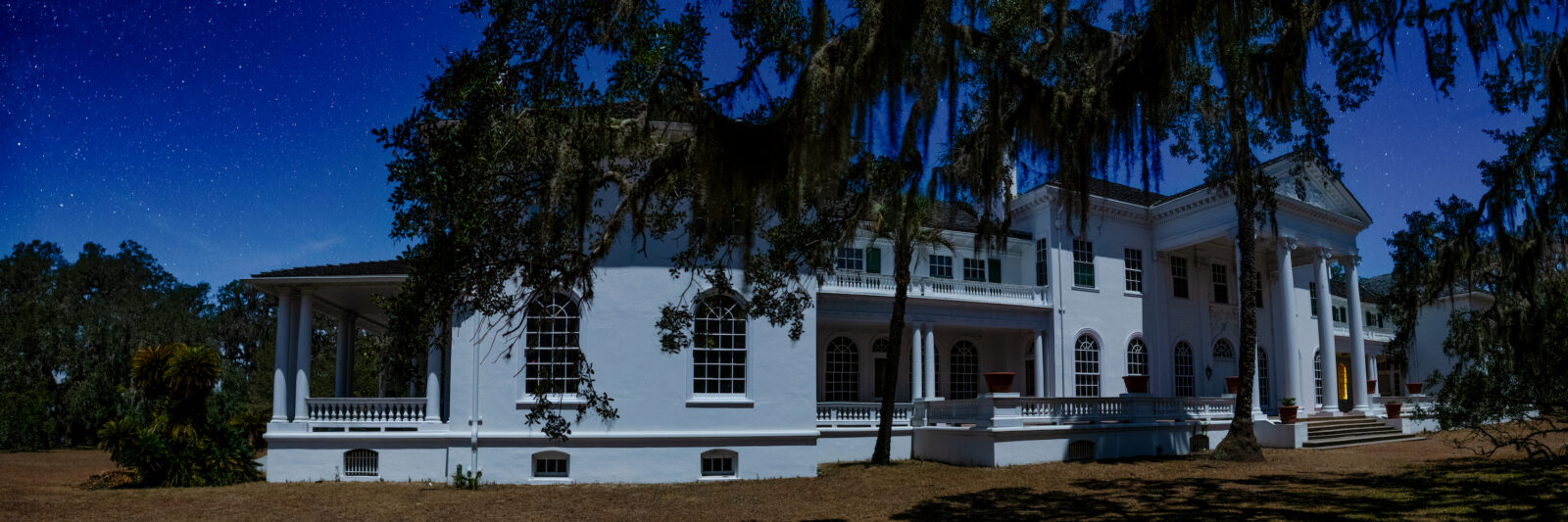
Photo: David Wright
The Carnegie family built four mansions on the island, including Plum Orchard, constructed in 1898 in the Georgian Revival style for the children of Thomas and Lucy Carnegie. Wright stitched together three photographs into a panorama to capture its majesty by night.
Lindsey Liles joined Garden & Gun in 2020 after completing a master’s in literature in Scotland and a Fulbright grant in Brazil. The Arkansas native is G&G’s digital reporter, covering all aspects of the South, and she especially enjoys putting her biology background to use by writing about wildlife and conservation. She lives on Johns Island, South Carolina.
Related Stories:
Sporting
After decades of hunting wild turkeys through the Southeast’s bottomland swamps and hardwood forests, the author heads deep into the Lone Star State’s sandy, mesquite-strewn heart
Conservation
Her longevity hints at a century-long lifespan most of her species will never reach
Conservation
Through the tales of those shaped by its waters, shaded by its cypress trees, and calling for its protection, Georgia’s ancient swamp still speaks
Trending Stories:

Recipe
Garlic, white wine, and a hint of umami from anchovies kick up the childhood comfort food in a new cookbook all about butter

Distilled
Where to belly up for “dusties” in the South and beyond

Home & Garden
Let ’mater master Frank Hyman narrow the field to a delicious quartet