





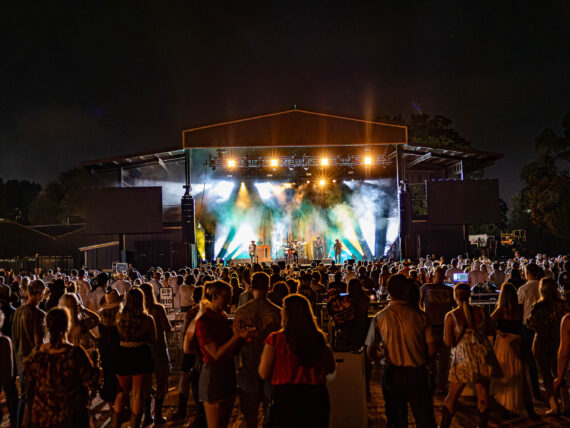
Photo: TIM ROBISON
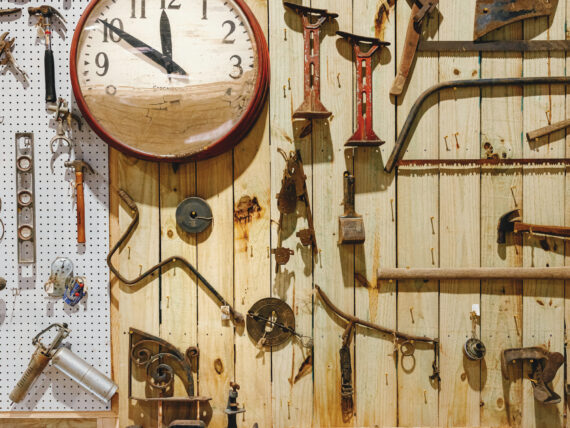
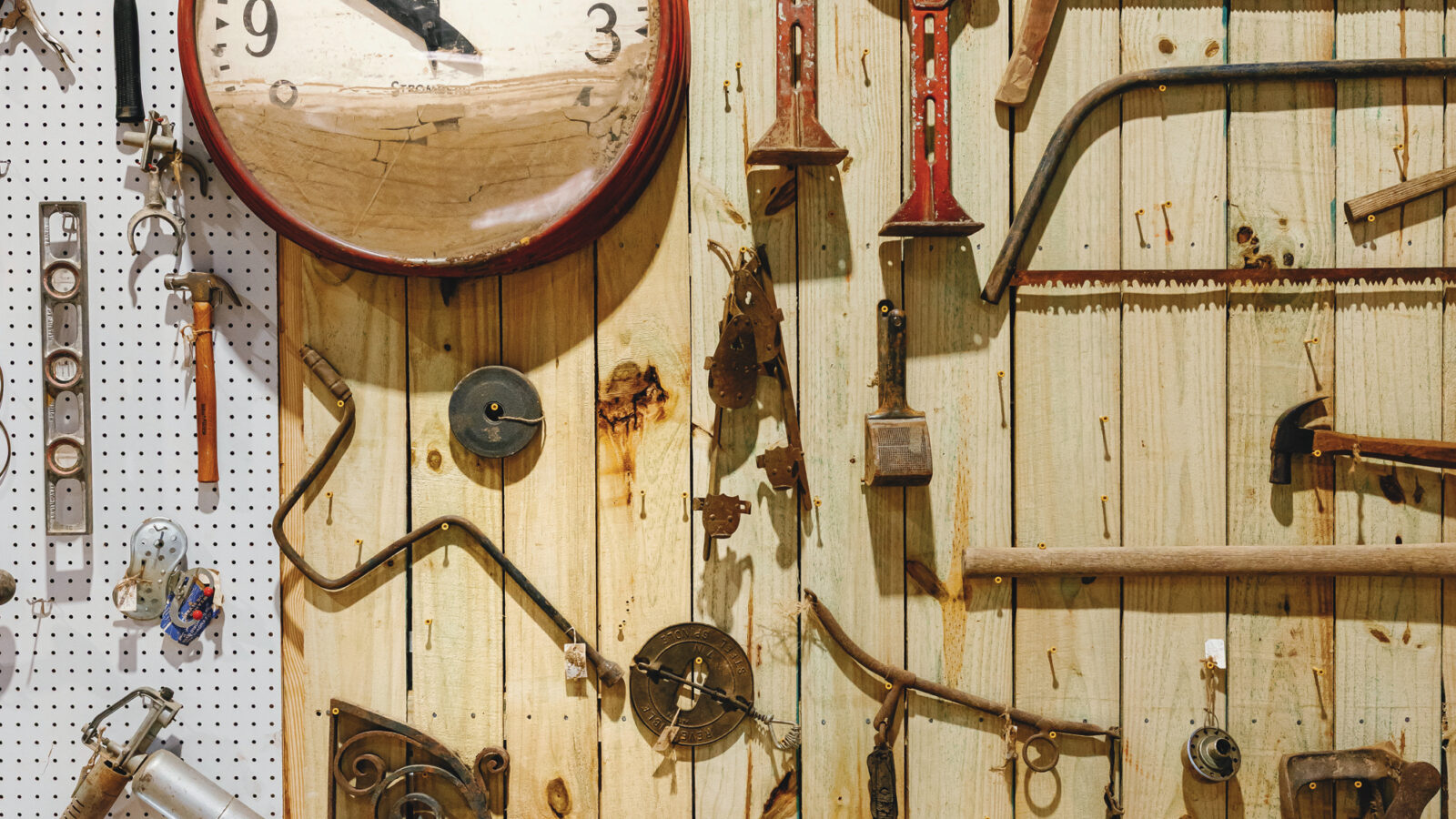
The Antique Tobacco Barn’s wall of salvaged treasures, including a clock laden with sediment after Hurricane Helene struck the region last fall.
After a devastating flood, the beloved Antique Tobacco Barn is back in business
Where: Asheville, North Carolina
When: year-round
If you like: arts and culture, nostalgia
Why you should go: After Hurricane Helene ravaged Appalachia in September 2024, Brit Cort slowly trekked her way past downed trees and over washed-out roads to the Antique Tobacco Barn, the historic Asheville treasure-hunting hub she manages. The walls had buckled, and inside the sagging 77,000-square-foot building, it looked as though a giant had picked up and shaken the contents—chairs, tables, lamps, and quilts piled atop one other, all caked in mud. On a still-standing wall hung a clock that marked the moment time stood still, though sediment filled the face, a remnant of the nearby Swannanoa River that rose and flowed through the Barn. “In that moment, there was perspective,” Cort says. “Even though we couldn’t get in touch with the wider world, I knew this was a disaster for our whole region. This was bigger than just our antiques store.”
After Cort confirmed that her family and staff were safe, she contacted each of the Barn’s seventy-two dealers, and everyone wanted to help. The cleanup effort was almost unbelievable, and the building required a total overhaul. Miraculously, pieces of the historic tin roof had been stored and protected just weeks before the flood during planned repairs. Cort and the construction team used them to frame out a wider layout of booths, refilled again with treasures of the region—pie safes, trunks, handmade farm tables, woven coverlets, and pottery. When the Antique Tobacco Barn reopened last summer, “we had a lot of offers to purchase the clock,” Cort says of the timepiece that is now a centerpiece of the store. “But we’ll hang on to it. It’s been a symbol of recovery for us.”
G&G tip: If you’re in the area, also save time to explore the River Arts District, a charming collective of shops and artist studios that flooded during Helene and underwent a Herculean effort to rise again. Within the district sits the rebuilt Marquee Asheville, another gem of art and antiques.
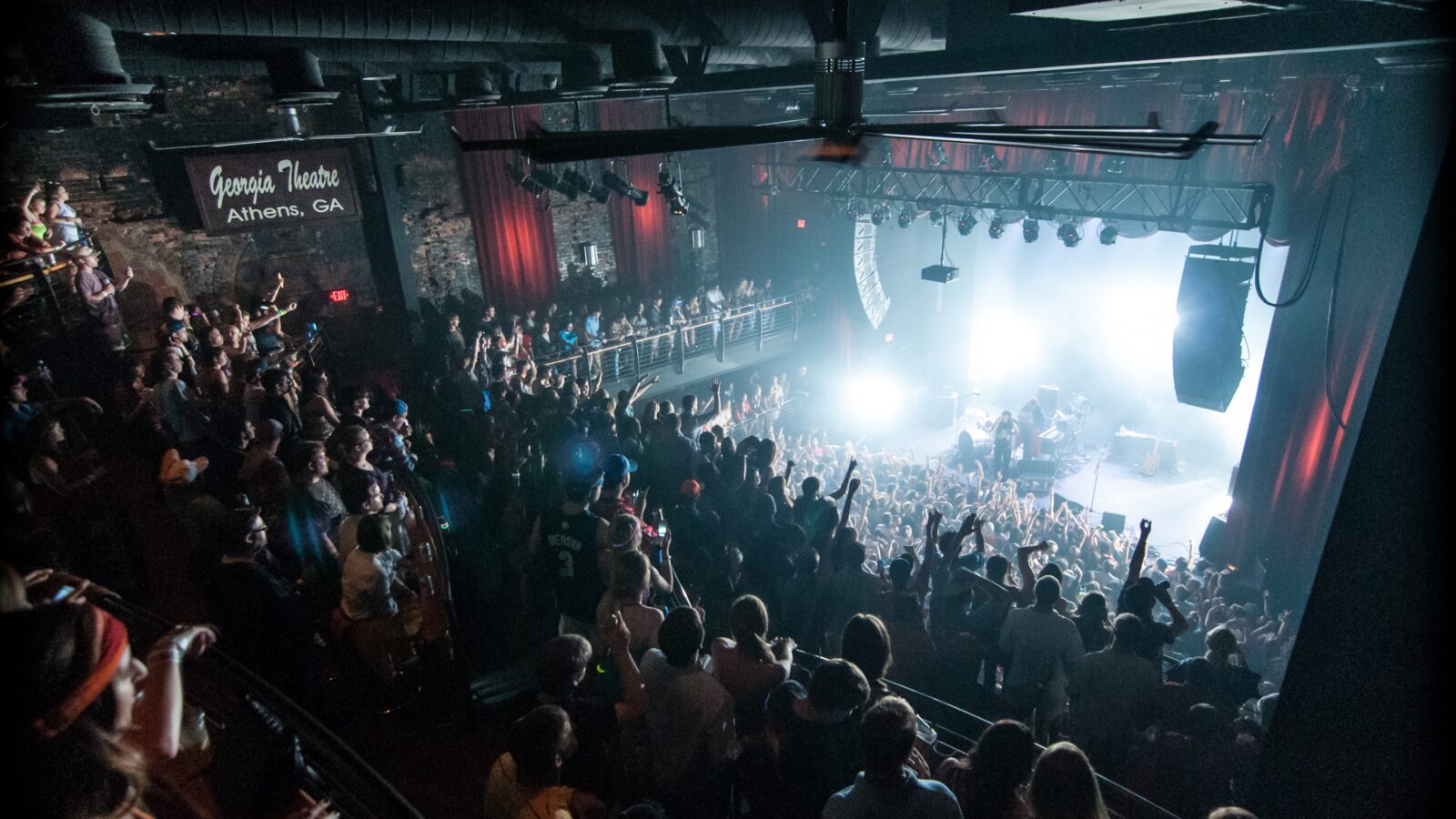
Photo: Elliott Anderson
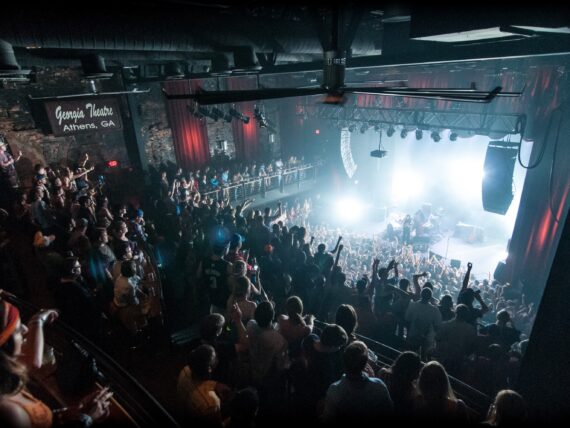
A show at the Georgia Theatre.
Roomy new venues join well-trodden stages and a rocking history
Where: Athens, Georgia
When: year-round
If you like: music
Why you should go: In 1986, the world got a peek into one of the South’s most flourishing music scenes with the love-letter documentary Athens, GA: Inside/Out, featuring now-legendary natives R.E.M. and the B-52s, and cult favorites Pylon and Love Tractor. Forty years later, there’s a campaign to preserve the film for a wide rerelease, and live music in Athens remains as vibrant as ever. The Georgia Theatre still reigns as the premier midsize space, but the new and massive Akins Ford Arena at the Classic Center kicks off the new year with Jason Isbell on January 17 and two nights of bluegrass wizard Billy Strings on February 6 and 7.
Any weekend in this college burg is reliably hopping, and the compact downtown puts most of the venues within walking distance of one another. The legendary 40 Watt Club will host four nights of the Drive-By Truckers early in the year, and two weeks later brings back the Michael Shannon and Jason Narducy R.E.M. tribute extravaganza, this time covering the Athens band’s 1986 classic, Lifes Rich Pageant. Next door to the 40 Watt abides the always reliable Flicker Theatre & Bar, but Athens also boasts a host of other cool dives with music, including Nowhere Bar, Normal Bar, and the World Famous. Locals swear by Hendershot’s, including R.E.M. manager Bertis Downs, who digs the coffee by day and the good vibes onstage at night.
G&G tip: Athens is buzzing about the return of concerts to UGA’s Sanford Stadium for the first time since 2013. Dubbed “Live Between the Hedges,” the inaugural April 25 date features Georgia natives Luke Bryan and Jason Aldean.
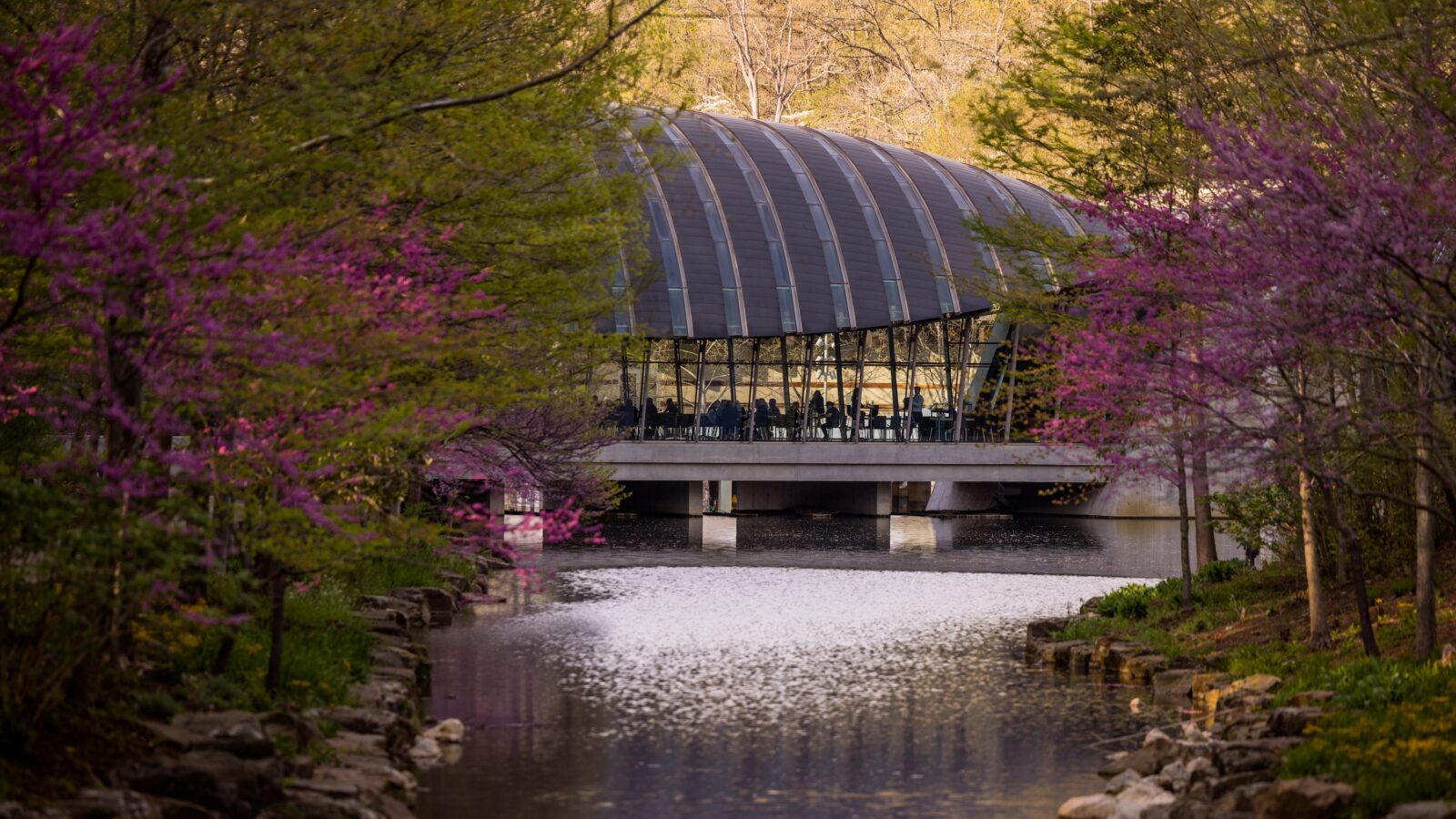
Photo: Iron Lotus Creative/Stephen Ironside
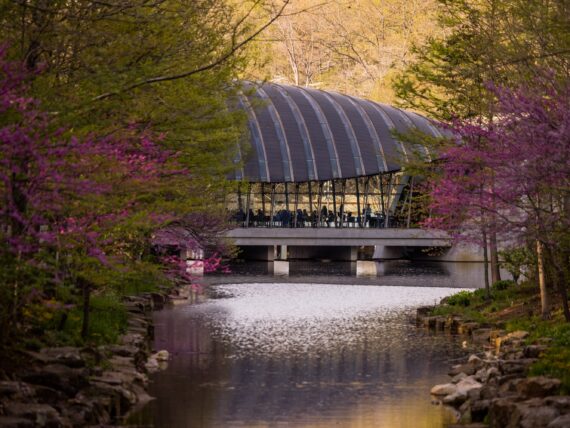
Outside of Crystal Bridges Museum of American Art.
The Arkansas arts beacon celebrates its fifteenth birthday with a dazzling expansion
Where: Bentonville, Arkansas
When: year-round
If you like: arts and culture
Why you should go: Since Crystal Bridges Museum of American Art opened fifteen years ago, the 200,000-square-foot wonder of concrete, glass, and laminated pine pavilions, seamlessly tucked into a verdant Ozark landscape, has welcomed some fourteen million guests. They’ve ogled O’Keeffes and Rothkos, endlessly Instagrammed Yayoi Kusama’s Infinity Mirrored Room, and padded along the Cherokee-red tiles of a Frank Lloyd Wright residence painstakingly relocated piece by piece from New Jersey to the campus.
Come June 6, 2026, however, those visitors will find something they’ve never seen before: a 114,000-square-foot expansion from world-renowned architect Moshe Safdie that echoes the original vernacular while maintaining (and building upon) the museum’s connection to the natural environment. Highlights include, naturally, a fresh slate of showstopping art (notably, a nine-foot stained-glass masterpiece from Tiffany Studios, which was held in a Texas chapel for nearly a century), reimagined galleries (according to executive director Rod Bigelow, Safdie says he accomplished “perfect light” in a new temporary exhibition space measuring “five tennis courts”), and a Learning and Engagement Hub, complete with ceramics, painting, woodworking, and digital art studios for all ages and skill levels.
Yet, even with all the change, what’s particularly compelling is the museum’s redoubled focus on its original intent: to broaden access to art in an unexpected region of the country, as championed by Walmart heiress and museum founder Alice Walton. Because whether it’s the new spaces for field-tripping kiddos, wellness programs (linked to the nearby Walton-backed Heartland Whole Health Institute), or even—yes—a splash pad, the new facility makes one thing clear: You can always go back to the drawing board.
G&G tip: While visiting Crystal Bridges, save time for the Momentary, an extension of the main museum that’s sort of like its younger, art-school sibling. Set inside a decommissioned Kraft cheese factory, the Momentary plays host to visual and performing arts, culinary workshops, and concerts all year long.
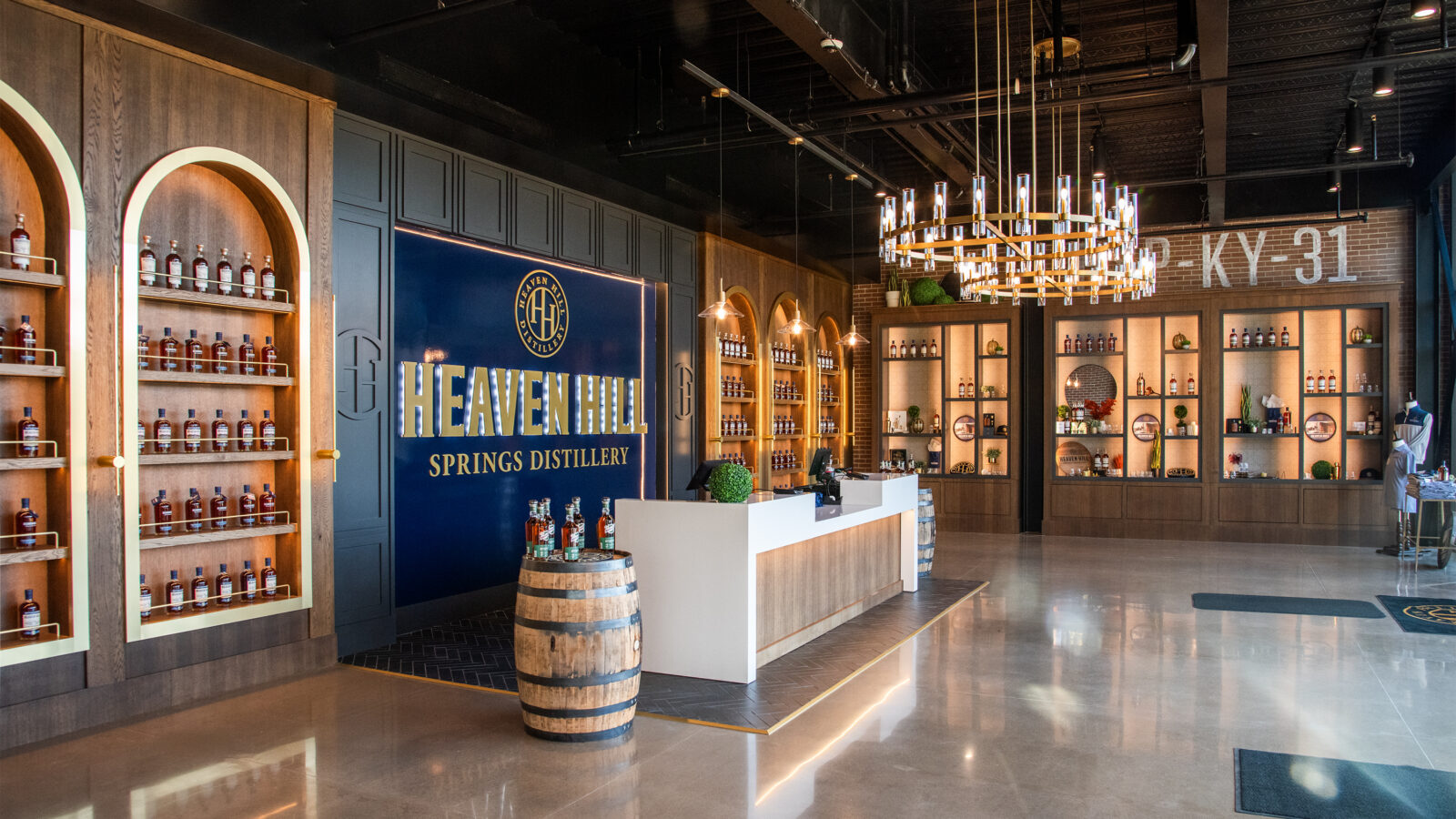
Photo: courtesy of heaven hill distillery
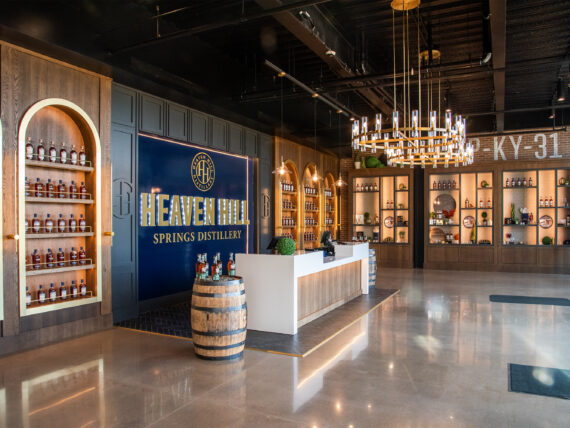
Inside Heaven Hill Springs Distillery.
Heaven Hill reemerges from the ashes
Where: Bardstown, Kentucky
When: year-round
If you like: dining and drinks
Why you should go: On November 7, 1996, a suspected lightning strike sparked a blaze in a warehouse at Heaven Hill’s distillery in Bardstown. Fueled by whipping winds, the fire spread to neighboring rickhouses, igniting barrels of aging bourbon and sending a “river of flaming whiskey” toward the production plant. When the smoke cleared, the Old Heaven Hill Springs Distillery and seven rickhouses—holding more than 92,000 barrels—were destroyed. Nearby distilleries stepped in to help, and Heaven Hill shifted distillation to the historic Bernheim plant in Louisville, where operations have remained for more than twenty-five years.
That changed late in 2025, when the family-owned outfit cut the ribbon on its new Heaven Hill Springs Distillery. The gleaming $200 million Bardstown facility was built for efficiency, sustainability, and ease of operation. Together with Bernheim’s output, it will eventually double production capacity. “The weight of history was upon us,” says master distiller Conor O’Driscoll. “This is a working distillery that visitors can come to, not a visitor attraction that happens to make whiskey.”
G&G tip: The Kentucky Bourbon Trail website lets you build your own itinerary. Keep an eye out for personalized experiences such as Heaven Hill’s Heritage Rising tour, where you can see the full process, sample the results at an on-site tasting bar, and, occasionally, purchase Heaven Hill Master Distillers Unity. The commemorative spirit includes bourbon distilled by past distillers and O’Driscoll, and he might be a bit biased, but he describes the blend simply: “It’s really stinking good.”
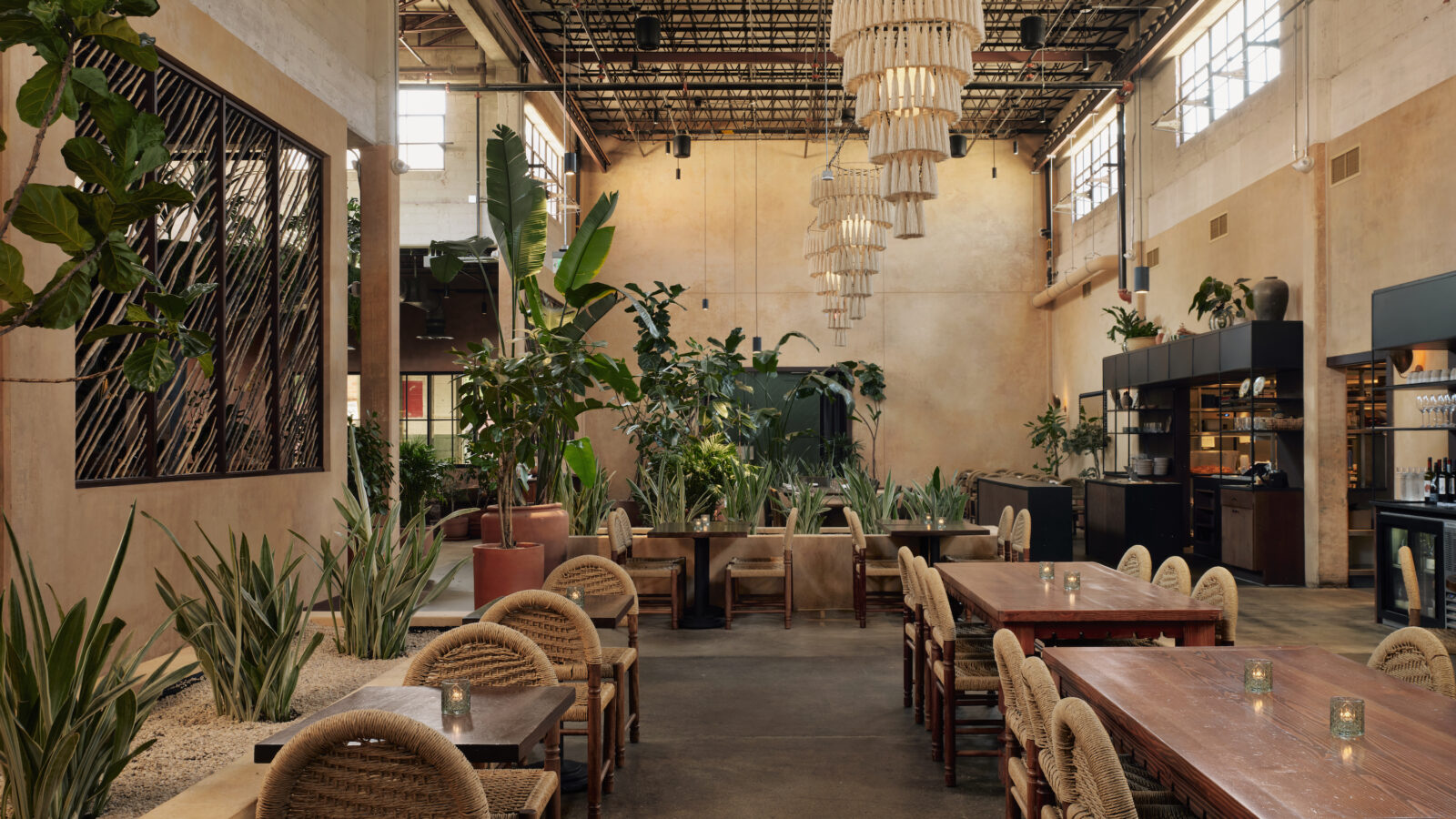
Photo: Casey Dunn Photography
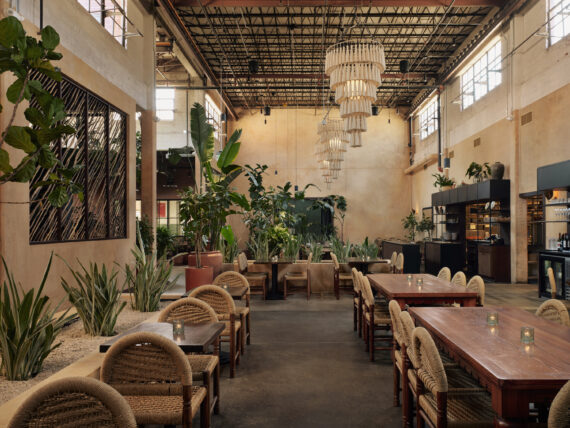
Mezquite’s patio in Pullman Market.
Starting with the Pearl district and its industrial-chic Hotel Emma
Where: San Antonio, Texas
When: year-round
If you like: urban escapes, dining and drinks
Why you should go: They say everything is bigger in Texas, and in San Antonio, that includes your 2026 to-do list. The Pearl district, set alongside the San Antonio River, makes a fine starting point. There you’ll find Hotel Emma, which is marking its ten-year anniversary. It’s an ideal home base for anyone whose New Year’s resolutions include sipping chilled margs, enjoying a state-of-the-art spa, or soaking up semi-scandalous history (the hotel takes its name from a tale involving romance, murder, and three women named Emma). Once the iconic Pearl Brewing Company and now boasting two Michelin Keys, the hotel still pulls pints from its industrial-chic tavern—but the addition of a rooftop pool and rooms outfitted with claw-foot tubs results in what concierge Michele Jacob calls “a combination of high design and historic preservation.”
Steps away, Pearl’s Pullman Market epitomizes the city’s UNESCO Creative City of Gastronomy status. Founded by an all-star cohort of chefs, its restaurant ecosystem includes the lauded Isidore, which celebrates foraging and best-of-Texas ingredients. “To have created something where people who don’t live here can experience the very best showcase of food from our state, in any given season, is just so fun,” says Danny Parada, the Market’s director of restaurants. While savoring Wagyu steaks and handpicked mezcals can (rightfully) dominate a day’s activities, borrowing a hotel cruiser bike to explore the River Walk or catching a concert at historic Stable Hall is easily arranged. After all, Hotel Emma has had a decade to perfect the art of showing off San Antonio’s blend of urban sophistication and old-world charm.
G&G tip: Mark your calendar for the end of October and beginning of November. Each fall, San Antonio plays host to the largest Día de los Muertos (Day of the Dead) celebration in the States.

Photo: mdmountainside.com
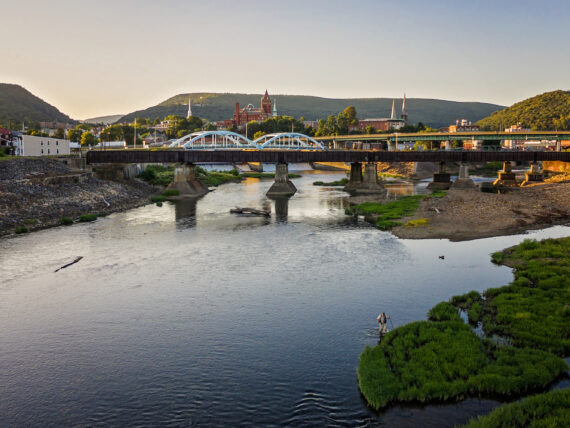
Downtown Cumberland, Maryland.
Cumberland offers architectural interest and outdoor pursuits aplenty
Where: Cumberland, Maryland
When: year-round
If you like: arts and culture, the outdoors and sports
Why you should go: Take it from Brian Gilbride, who fell in love with Cumberland the first time he visited. He was finishing the Great Allegheny Passage, a 150-mile bike trail that connects Pittsburgh to the western Maryland city, and when he rolled in early one morning, he couldn’t believe what he saw. “It’s this perfect little town, like a time capsule. The architecture’s beautiful. Why had I never heard of this place?”
Twelve years later, he and his business partners are set to open the new Wills Hotel in a redbrick Italianate building. His timing couldn’t be better. Cumberland, a mountain destination dating to the colonial era, has just wrapped up a $17 million downtown revitalization project that has already attracted more than two dozen restaurants, shops, and other new businesses—a revival built on history. Once Maryland’s second-largest city, Cumberland acted as a transportation hub; it was the terminus of the C&O Canal, now a National Historical Park with a towpath trail stretching 185 miles east to Washington, D.C. It was also the start of the National Road, America’s first federally funded highway, which was authorized by Thomas Jefferson.
“We were an industrial area, but the industries are gone,” says mayor Ray Morriss. “This is sort of our rebirth.” Not only is Cumberland the meeting point for the cycling trails that connect Washington to Pittsburgh, it’s also home to the Western Maryland Scenic Railroad and neighbors Wills Mountain State Park, which adds access to climbing and kayaking.
G&G tip: The new Wills Hotel, co-owned by Gilbride, has twenty rooms, a bike room for cyclists to store and clean their two-wheelers, and a restaurant and second-floor terrace. It’s the perfect landing spot for parents of students at nearby Frostburg State University, and families seeking a getaway.
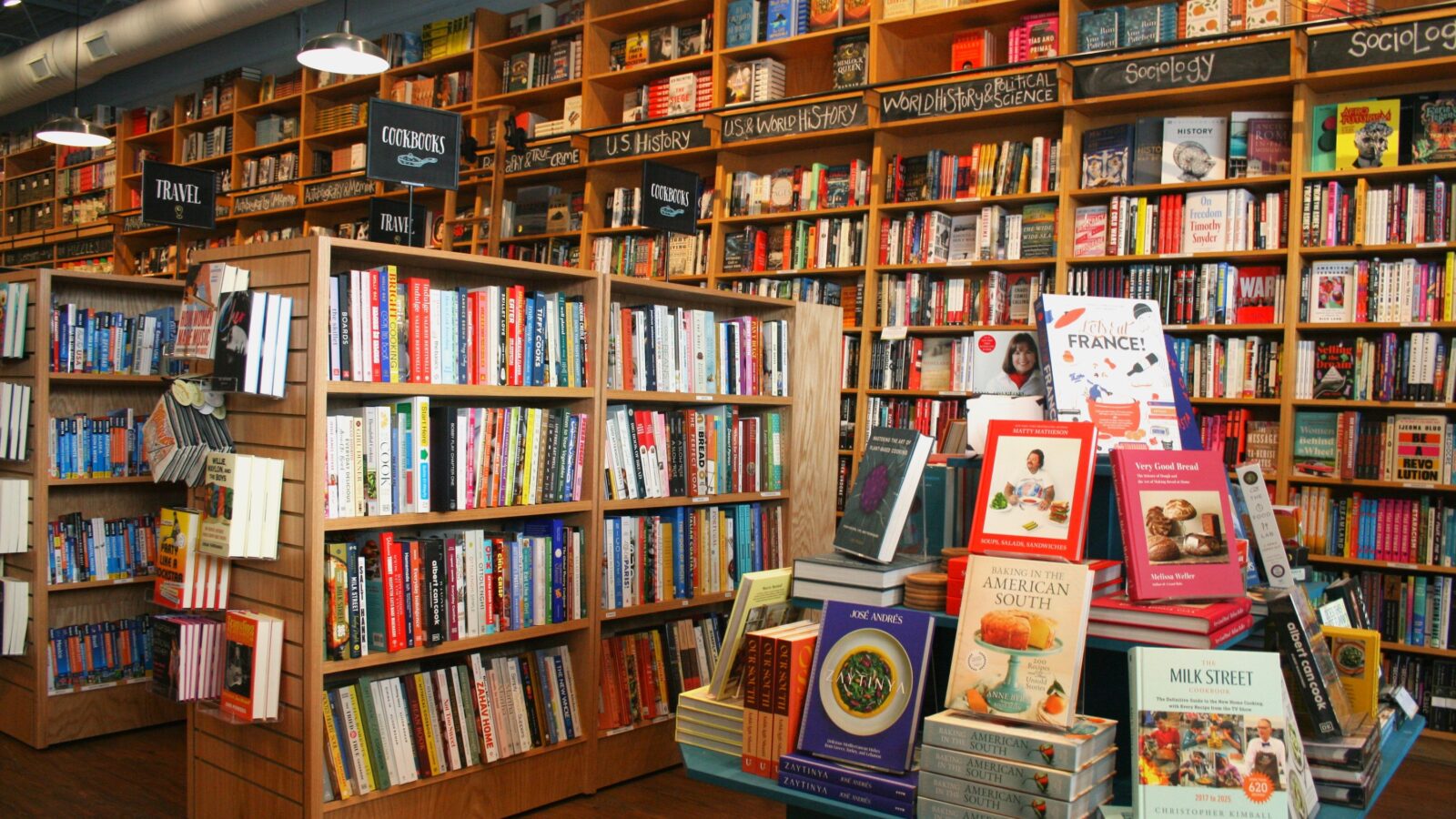
Photo: Courtesy of Parnassus Books
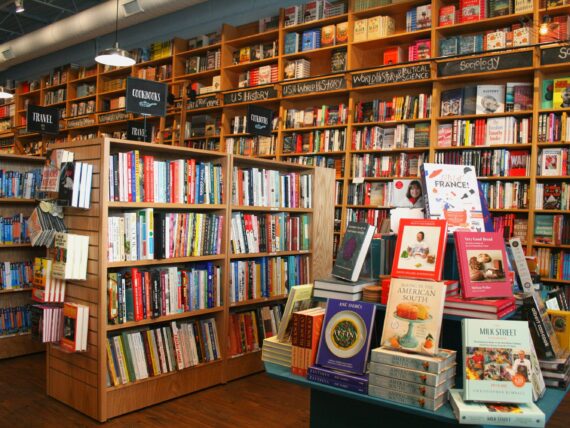
In the stacks at Nashville’s Parnassus.
It’s going to be a busy year at Ann Patchett’s Parnassus
Where: Nashville, Tennessee
When you should visit: year-round
If you like: arts and culture
Why you should go: “You may have heard the news that the independent bookstore is dead, that books are dead, that maybe even reading is dead—to which I say: Pull up a chair, friend. I have a story to tell,” wrote New York Times best-selling author Ann Patchett in her essay collection This Is the Story of a Happy Marriage. Parnassus, a wood-paneled bookstore with charm to spare, is that story. An unflappable optimism, a deep appreciation for books and the people who love them, and no small amount of grit and collaboration have allowed the Parnassus tale to continue nearly fifteen years after Patchett and then–business partner Karen Hayes opened the literary jewel box in Nashville’s Green Hills neighborhood. But it’s the shop’s friendly, well-read staff—a roster of librarians, writers, and teachers with wide-ranging tastes and a rotating cast of shop dogs—who have created the kind of personalized experience that has customers lining up at the door each morning.
“There’s someone on staff who always knows exactly what you should read next,” says marketing and communications director Sarah Arnold. “Looking for a history of the Cold War? Andy knows what you need. A twisty thriller with just the right balance of humor and intensity? Jenness has a great rec for you. A gift for a cinephile? Jake can help.” Along with in-store events featuring powerhouse authors such as George Saunders, Tayari Jones, Jon Meacham, and Lauren Groff (and that’s just in January and February), Parnassus will celebrate the release of Patchett’s new book, Whistler, on June 2 and its own fifteenth anniversary this November.
G&G tip: If a Nashville trip isn’t in the cards for 2026, follow Parnassus on Instagram, where Patchett, her staff, and visiting authors weigh in with new and new-to-you book recommendations, or sign up for one of Parnassus’s five expertly curated subscription boxes, including the Signed First Editions Club.
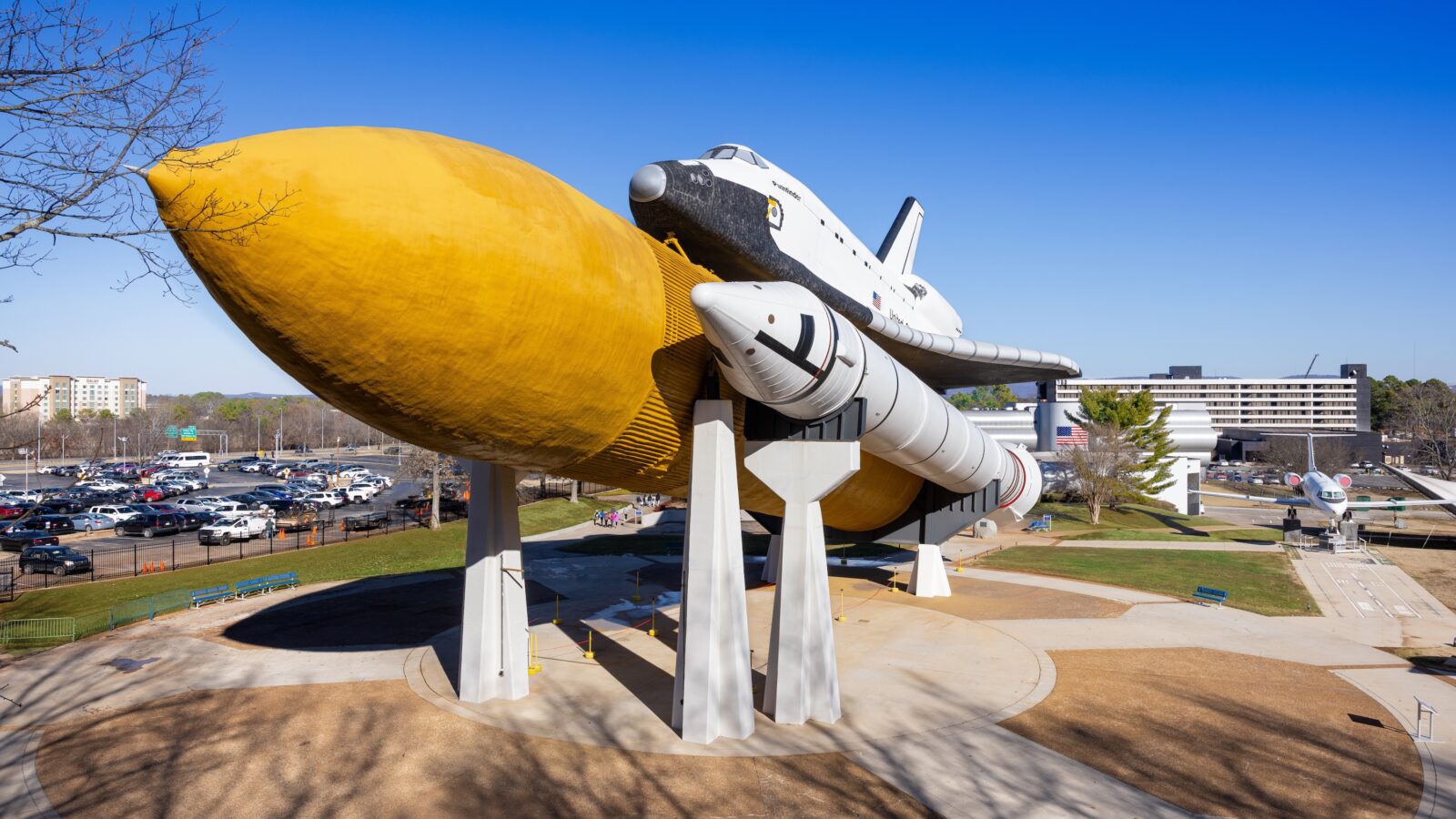
Photo: Courtesy of Huntsville/Madison County Convention & Visitors Bureau
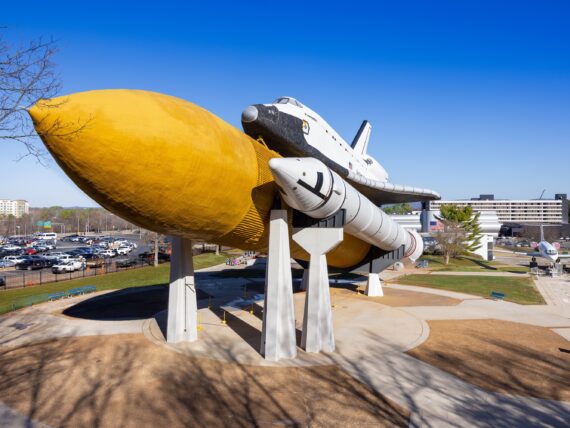
A replica of NASA's Pathfinder space shuttle at the Rocket Park in Huntsville, Alabama.
Huntsville steps back into the spotlight
Where: Huntsville, Alabama
When: year-round
If you like: history
Why you should go: In the 1950s, Huntsville became a hub for U.S. rocket production, including the one that shot the first satellite into orbit. That legacy continues today as the city lays the groundwork for the future headquarters of the U.S. Space Command, and as NASA prepares to launch Artemis II later this year using technology developed at Huntsville’s Marshall Space Flight Center.
When in Rocket City, a trip to the world’s largest space museum, the U.S. Space & Rocket Center (USSRC), is a must. “Even if you’re not normally interested in space, the Rocket Center can surprise you,” says the museum’s curator, Ed Stewart. “We don’t just talk about the rockets and stars. We also talk about the people that worked so hard to accomplish great things, we look at how space exploration and popular culture have influenced each other in unexpected ways, and we use innovative and accessible ways to present our subject matter to our guests.” Journey into the cosmos through virtual reality simulators and a high-tech planetarium, and view rare artifacts, like the five rockets on display in the recently renovated Rocket Park.
When you’re done, stop by the Huntsville Botanical Garden next door, which recently debuted a massive new troll sculpture and “earth garden” from noted Danish artist Thomas Dambo. Then shop, eat, and play lawn games at Stovehouse, a family-friendly complex in a former stove factory in West Huntsville. “One of Huntsville’s best features, in my mind, is the food scene,” Stewart says. “We have so many food cultures represented, spanning the range from food trucks to fine dining.”
G&G tip: If you’re staying the night in Huntsville, out-of-town visitors to the USSRC are eligible for discounts on area hotels. Check out rocketcenter.com/travel for more details.
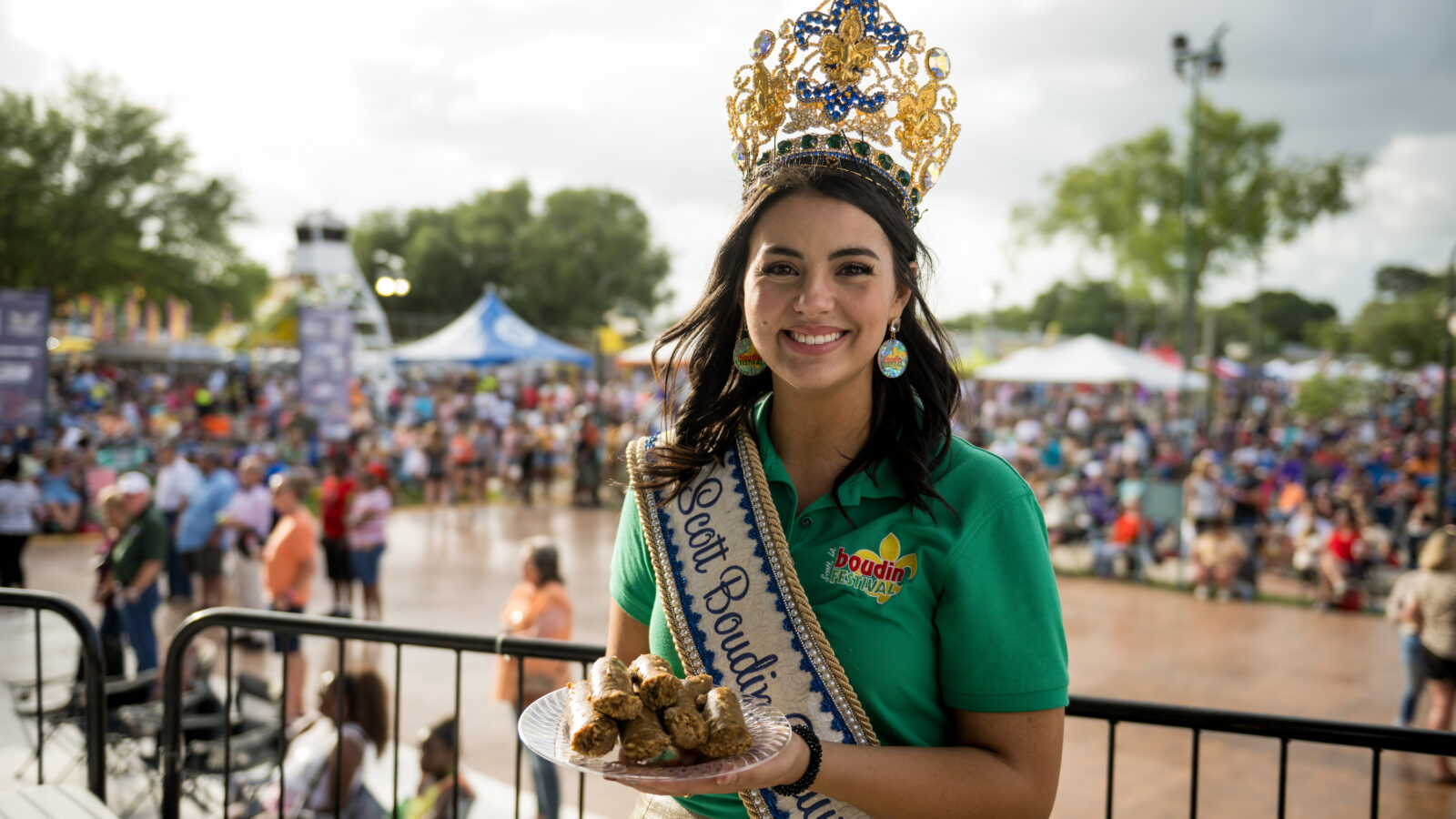
Photo: Louisiana Office of Tourism
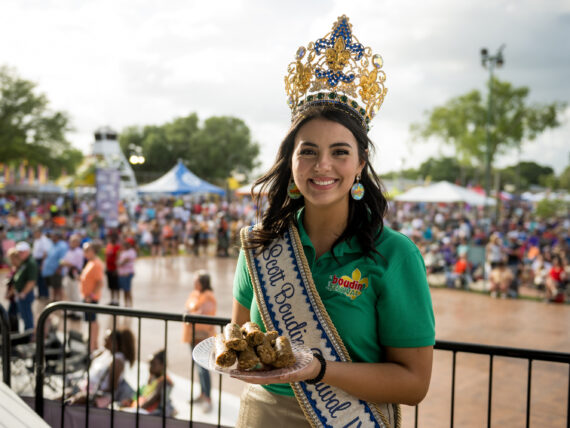
At the Boudin Festival in Scott, Louisiana.
Small towns, sizzling sausage, and boutique hotel stays
Where: Multiple cities in Acadiana, Louisiana
When: year-round
If you like: dining and drinks
Why you should go: You can smell the Best Stop Supermarket before you hit the parking lot of the low-slung red roadside building in the town of Scott. That’s the boudin cooking, sending up puffs of hot pork fat and pepper fragrance. The Best Stop is among the most recognizable purveyors along the Boudin Trail, one of hundreds of places to dig into this traditional food across Acadiana, a twenty-two-parish region settled by the Acadian French in the 1700s. The area has its own Mardi Gras traditions, people still speak the Cajun French language, and the foodways are legendary, including boudin—steamed sausage with a base of slow-cooked, crumbled pork mixed with Louisiana rice and infused with spices, peppers, and onions.
The trail isn’t one route but rather a collection of digital maps and websites, with tourism boards and armchair fans alike directing folks to butcher shops, gas stations, and even fine-dining restaurants. While Lafayette is Cajun Country’s largest city and Scott is the most famous town for boudin (it hosts the Boudin Festival every April), the trail winds through such charming small towns as New Iberia, Eunice, Washington, and Grand Coteau, too.
G&G tip: Thanks in part to boudin pilgrims, Cajun Country is experiencing something of a boutique hotel boom. The vibrant nine-room Hotel Klaus—recently opened on Washington’s Main Street in a circa-1870 building, with a craft cocktail bar and a swimming pool—and Grand Coteau’s Train Wreck Inn, which draws from whimsical Wes Anderson film sets and features four sleeper options (a yellow caboose, a blue train car, the depot, and an old ticket booth), join Maison Madeleine in Breaux Bridge, a French Creole cottage on dreamy Lake Martin that’s welcomed guests since 2005.
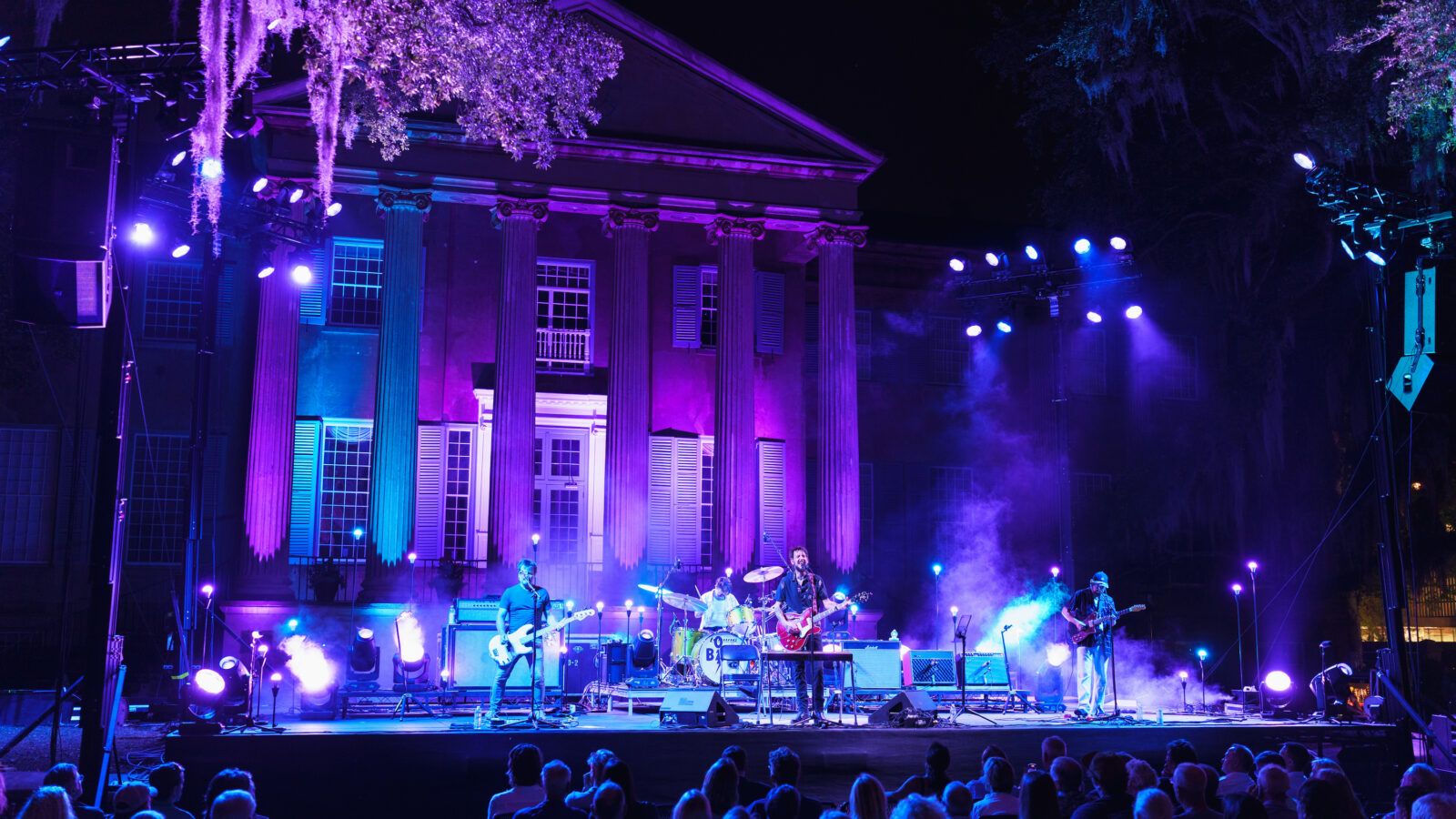
Photo: Mike Ledford
Band of Horses on stage at Charleston’s Cistern Yard during Spoleto Festival USA.
The fiftieth season of Charleston’s beloved performing arts festival promises a kaleidoscope of stages, sights, and sounds
Where: Charleston, South Carolina
When: spring, summer
If you like: arts and culture
Why you should go: “The performances at the Cistern Yard are intoxicating—you’re listening to people like Patti Smith or Jason Isbell in the middle of these mighty live oaks covered in Spanish moss at night, in the midst of the heat and humidity of the Lowcountry summer,” says Mena Mark Hanna, the general director and CEO of Spoleto Festival USA. Italian American composer Gian Carlo Menotti founded the celebration of the performing arts in 1977, and since then, for seventeen days each spring, the Holy City plays host to contemporary concerts and opera, theater, ballet, and orchestral performances at venues across town, including the Dock Street Theatre and College of Charleston’s aforementioned Cistern Yard (the fiftieth festival runs May 22 to June 7, 2026). “In Charleston, the festival has become something that explores multidisciplinary performing arts,” Hanna says. “All of these different art forms spill over into the streets of a city with so much history, and it’s so evocative of the Lowcountry spirit.”
G&G tip: Opening in February on its namesake river, the Cooper—Charleston’s first luxury waterfront hotel downtown, with panoramic views of the harbor—will make for a fitting home base for Spoleto adventures.
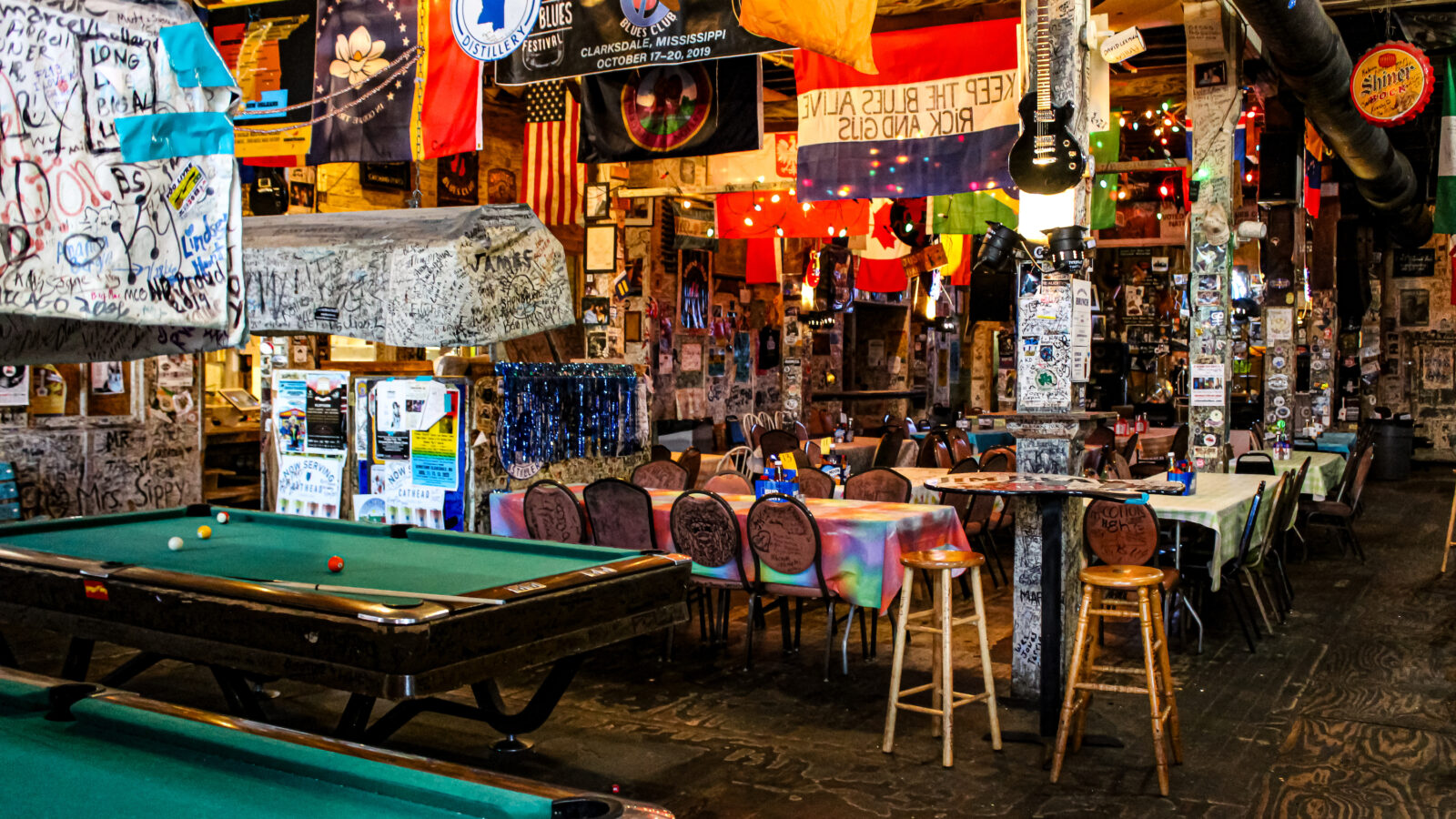
Photo: Courtesy of Ground Zero Blues Club
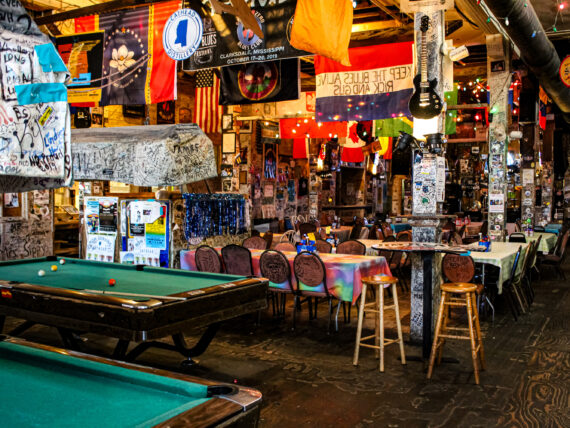
Inside the Ground Zero Blues Club.
The Clarksdale juke joint rings in a quarter century at the crossroads
Where: Clarksdale, Mississippi
When: year-round
If you like: music
Why you should go: Yes, the devil went down to Georgia, but he spent a little time making deals in Mississippi, too. Ground Zero Blues Club in Clarksdale can tell you all about that tale. The crossroads of Highways 61 and 49, where Robert Johnson allegedly sold his soul for musical mastery, is marked as a monument, and not too far away sits Ground Zero. The largest juke joint in the area has hosted plenty of icons, but it’s local musicians like James “Super Chikan” Johnson, who makes his own guitars (dubbed “chikantars”) out of recycled goods, who best highlight the original intent of the place.
The late Clarksdale mayor Bill Luckett and his friend the actor Morgan Freeman opened Ground Zero in 2001 to bring Delta blues to a wider audience. “One of Bill’s quotes that I always tell people is ‘You can meet the world on our front porch,’” says Casey Ladd, one of the club’s managers. Any night is worth a visit, but Ground Zero’s twenty-fifth birthday bash in May will be a weekend blowout, with pork roasted right on the porch, special drinks, and endless blues reverberating through the doors of the club and into the crossroads of Clarksdale.
G&G tip: On Thursdays, anyone can take the stage during Jam Night. As long as you can strum or sing a tune, you’re invited to play the blues. “We don’t cut nobody off,” Ladd says. “Last Thursday night we had a Japanese man who didn’t speak English. With a translator app on his phone, he said his whole life, he had dreamed of coming here and playing on our stage. He was so excited and just glowing. He couldn’t even talk when he got off—he was just shaking. That’s the coolest thing in the world to me.”
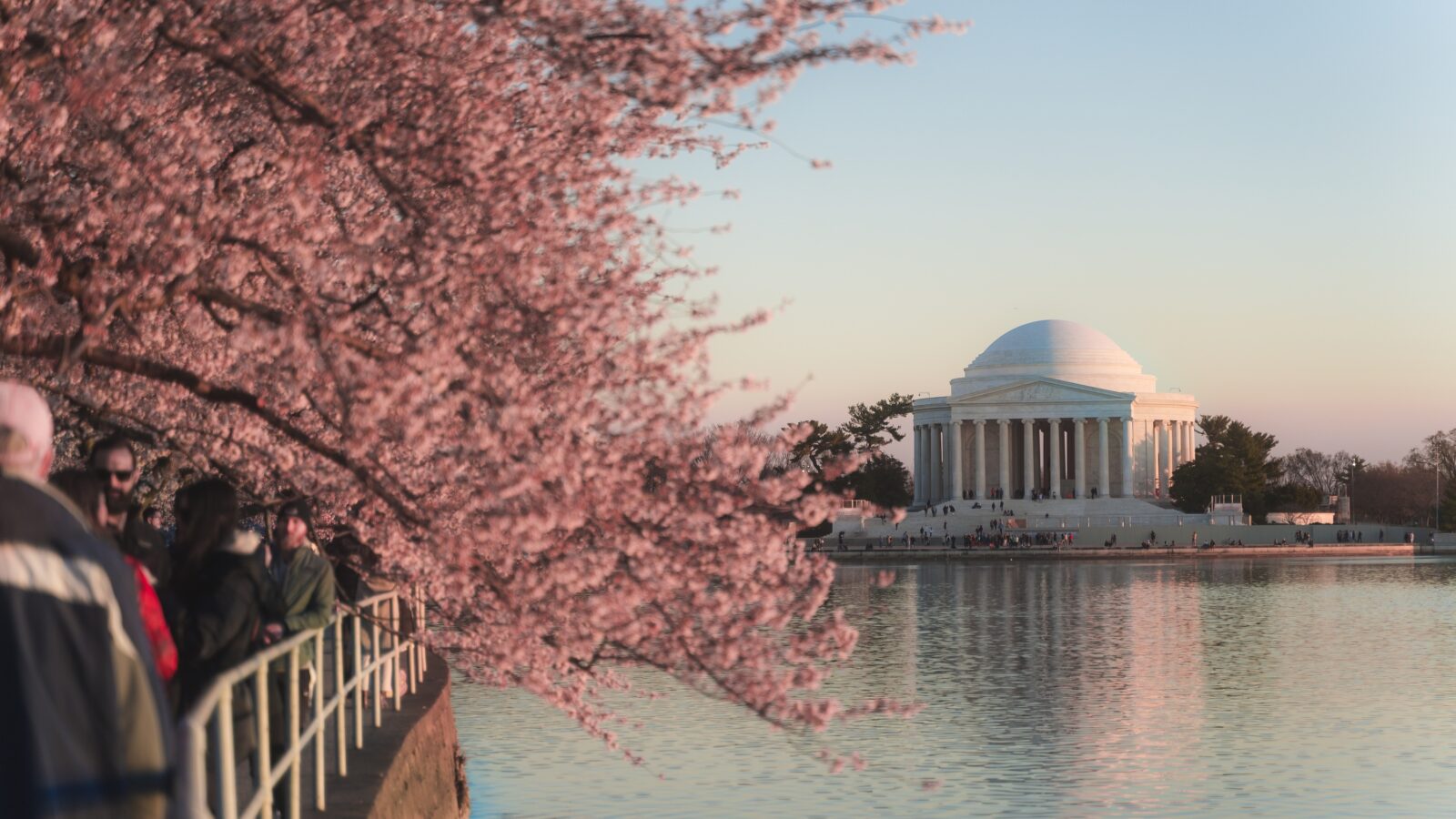
Photo: courtesy of Washington.org
Cherry trees in bloom at the Jefferson Memorial.
The capital will be hopping with America’s 250th birthday celebrations and a slate of new and improved museums
Where: Washington, D.C.
When: year-round
If you like: history, arts and culture
Why you should go: The nation’s capital will be party central in 2026 as America marks its semiquincentennial with new museums, festivals, and events. Celebrations peak on the Fourth of July, with a reenactment of the signing of the Declaration of Independence, a parade, and a massive fireworks display over the National Mall, but that’s just the tip of the birthday candle.
“The 250th calls for a year-round commemoration,” says Elliott Ferguson, president and CEO of Destination D.C. And the district has big plans. He points to a $40 million National Archives renovation, which includes an interactive museum guiding visitors through important historic documents. The Archives will also put on permanent display the Emancipation Proclamation, which declared the end of slavery, and the Nineteenth Amendment, which removed voting restrictions for women.
Also debuting this summer: a museum in the undercroft, or cavernous basement beneath the Lincoln Memorial, an area long closed to the public; the National Geographic Museum of Exploration, with 100,000 square feet of exhibit space, along with a nightly immersive light show projected onto the museum’s entrance; and updated exhibit galleries at the Smithsonian National Air and Space Museum, which opened fifty years ago for the nation’s two hundredth birthday. Fall will bring the reopening of the Hirshhorn Sculpture Garden after a $68 million revitalization.
Organizers hope the festivities will help visitors see their country in a different light. “Together, these events will honor where we’ve been and inspire where we’re going,” says Rosie Rios, chair of the America250 celebration.
G&G tip: Visitors will find plenty happening outside museum doors, too: The National Gallery of Art will hold a block party on June 6, with art making, music, and film screenings. And in July the city hosts the Great American State Fair on the National Mall, with exhibits and events from every U.S. state and territory. That’s on top of annual favorites like the National Cherry Blossom Festival and the Smithsonian Folklife Festival.
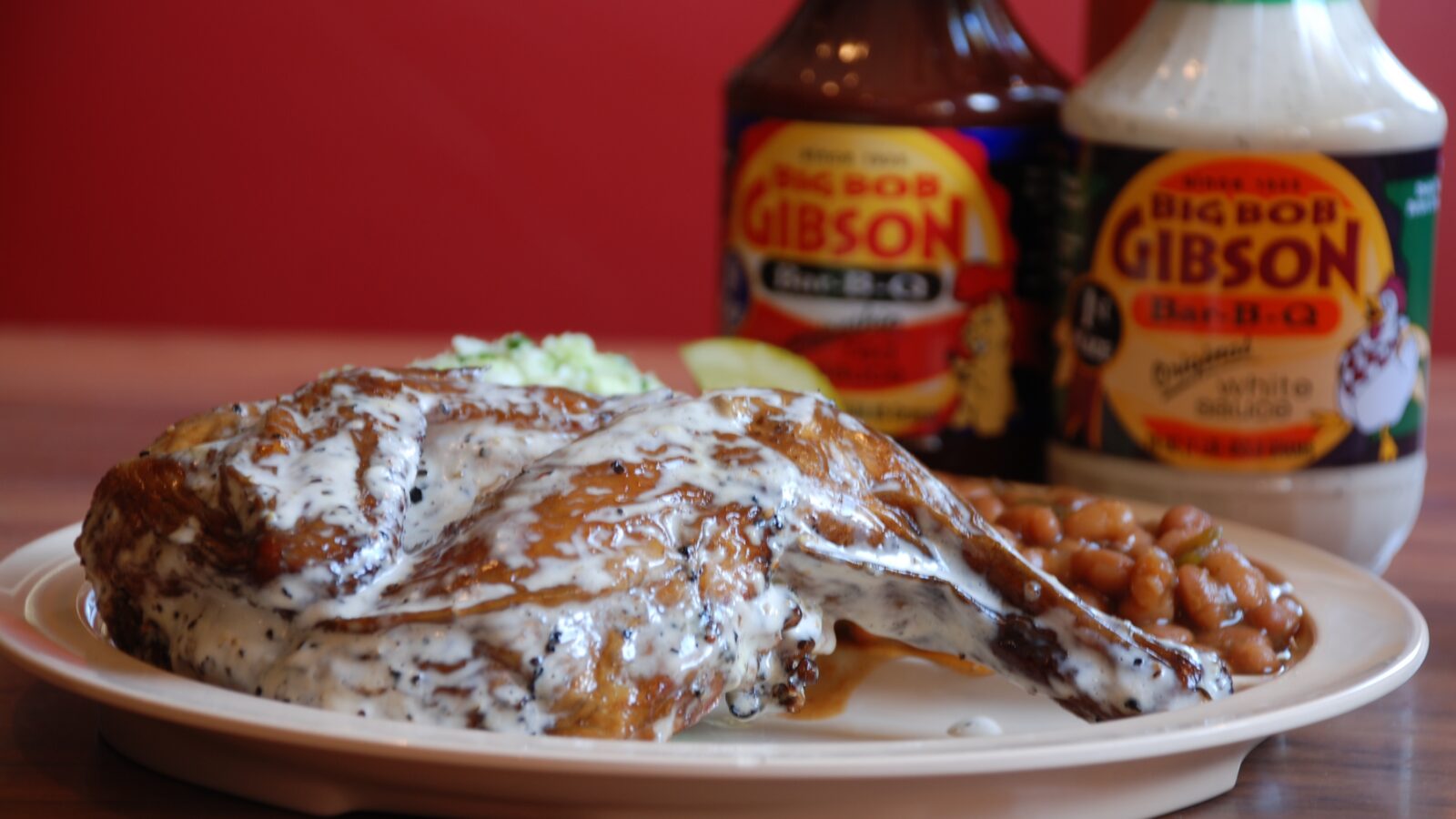
Photo: Big Bob Gibson Bar-B-Q
And celebrate a century of standout ’cue
Where: Decatur, Alabama
When: year-round
If you like: dining and drinks
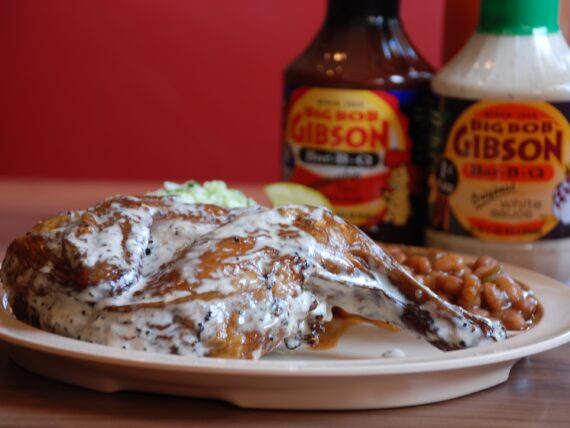
Why you should go: Decatur’s two locations of Big Bob Gibson Bar-B-Q now stand among Southern barbecue royalty, but their story begins humbly, with one determined man and plenty of hickory smoke. Neighbors stopped by Bob Gibson’s backyard a hundred years ago, when the railroad worker began barbecuing in a hand-dug pit for fun. “We found a 1923 newspaper ad for a barbecue Bob threw, and it must have worked, because he opened the restaurant in 1925,” says current pitmaster Chris Lilly, who married into the Gibson legacy. Lilly has left his own mark by racking up eighteen World BBQ Championship wins, cementing the eatery and its standout mayo-based white sauce as institutions.
Today hearty sides like kettle-baked beans and creamy red-skin potato salad join BBG’s pork, beef, and chicken, which often grace North Alabama picnics, birthdays, and holiday tables. The cooking’s good all year, but a special event in March, the Pi(e) Day pop-up shop, supports the community with freshly baked pie sales to benefit the nearby Cook Museum of Natural Science.
G&G tip: Big Bob Gibson’s older Sixth Avenue location boasts a larger dining room where smiling staff provide full service, while the other is a fast-casual, seat-yourself operation. Lilly advises arriving to either location before 11:30 a.m. to beat the lunch rush. Or wait until later. “Dinner is never as crowded,” he says. And if you can’t make it to Decatur at all, look for bottles of BBG’s legendary white sauce at grocery stores across the Southeast, or order some (as well as dry rubs and even fully cooked ’cue) on the company’s website.
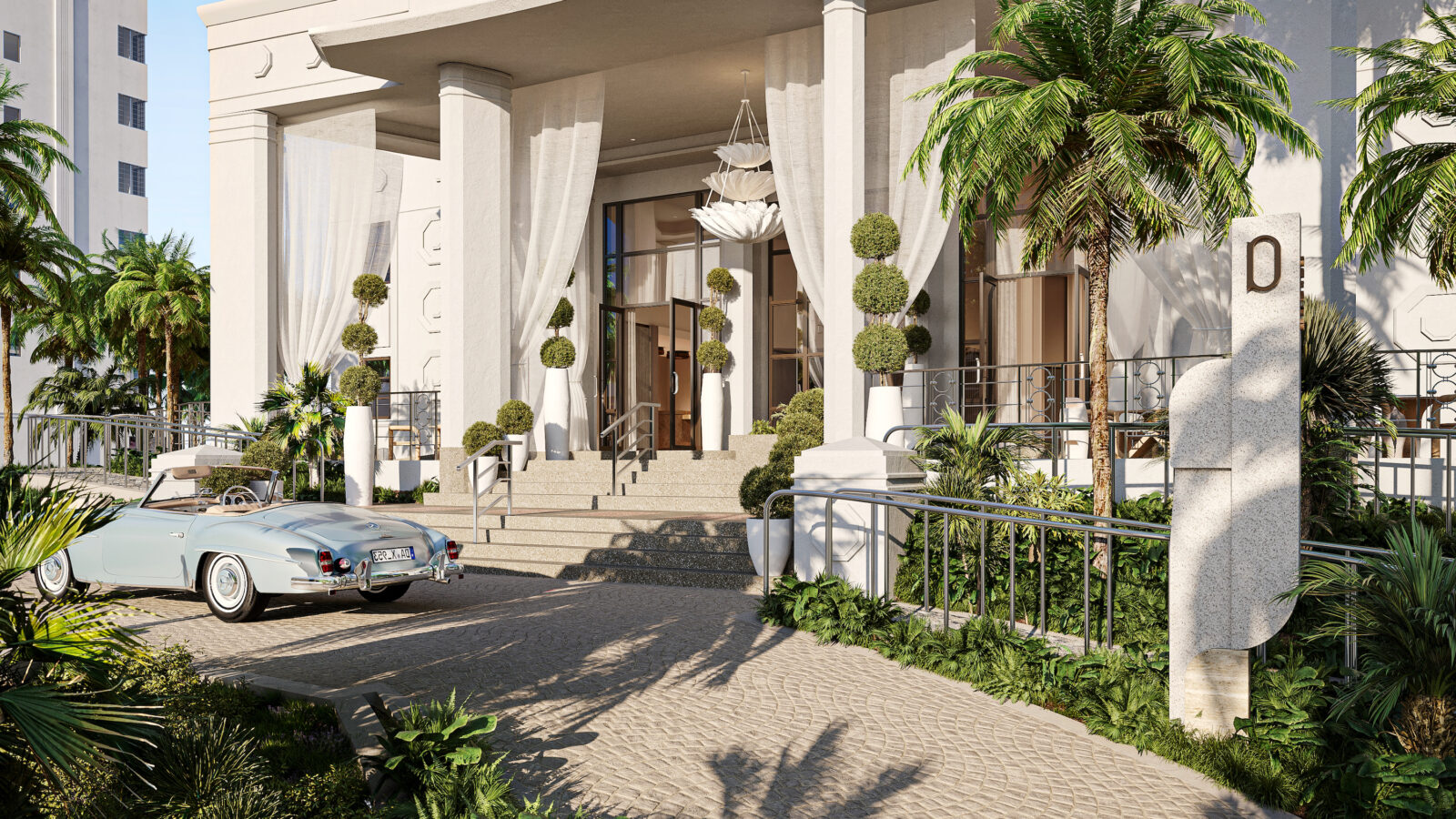
Photo: courtesy of the delano hotel
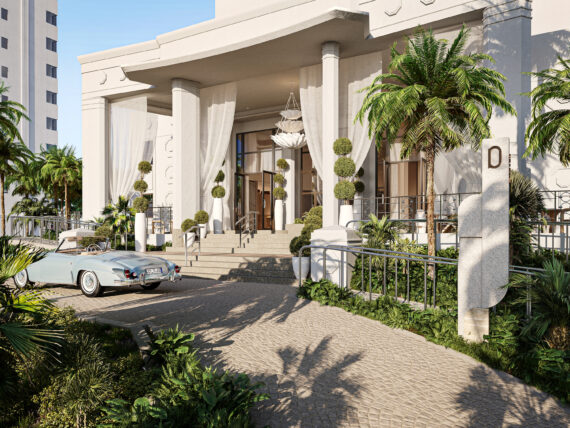
A rendering of the exterior of the Delano.
A sleeping giant awakens on Collins Avenue
Where: Miami, Florida
When: year-round
If you like: urban escapes, arts and culture, food and drinks
Why you should go: The Delano hotel has long been a symbol of the optimism and hope of its namesake, President Franklin Delano Roosevelt. Opened in 1947 on the most popular intersection of Miami Beach, the building received an energetic facelift in the 1990s courtesy of hotelier Ian Schrager and designer Philippe Starck, and its white-curtained lobby and crisp white exterior, which glowed behind towering green hedges, became part of the area’s fashionable renaissance. Madonna celebrated her thirty-seventh birthday there. George Clooney played basketball with hotel staff on the makeshift court outside his suite.
Fresh off a six-year closure under new ownership, the 171-room hotel will enter a new era this spring. Gone will be the all-white aesthetic, replaced by a soft minimalist design that brings in natural tones and highlights the restored terrazzo floors (though, yes, the Delano white is dotted throughout). Guests can explore four culinary concepts, from contemporary fine dining to the revived Rose Bar, a favored hangout of Hollywood royalty primed for the next generation of tastemakers.
G&G tip: The Delano isn’t the only art deco hotel in Miami Beach having a moment. The 1941-built Shelborne debuted a $100 million restoration last year, while the Raleigh and its famed fleur-de-lis pool, a landmark from 1940, will reopen as a resort and residential complex in 2027.
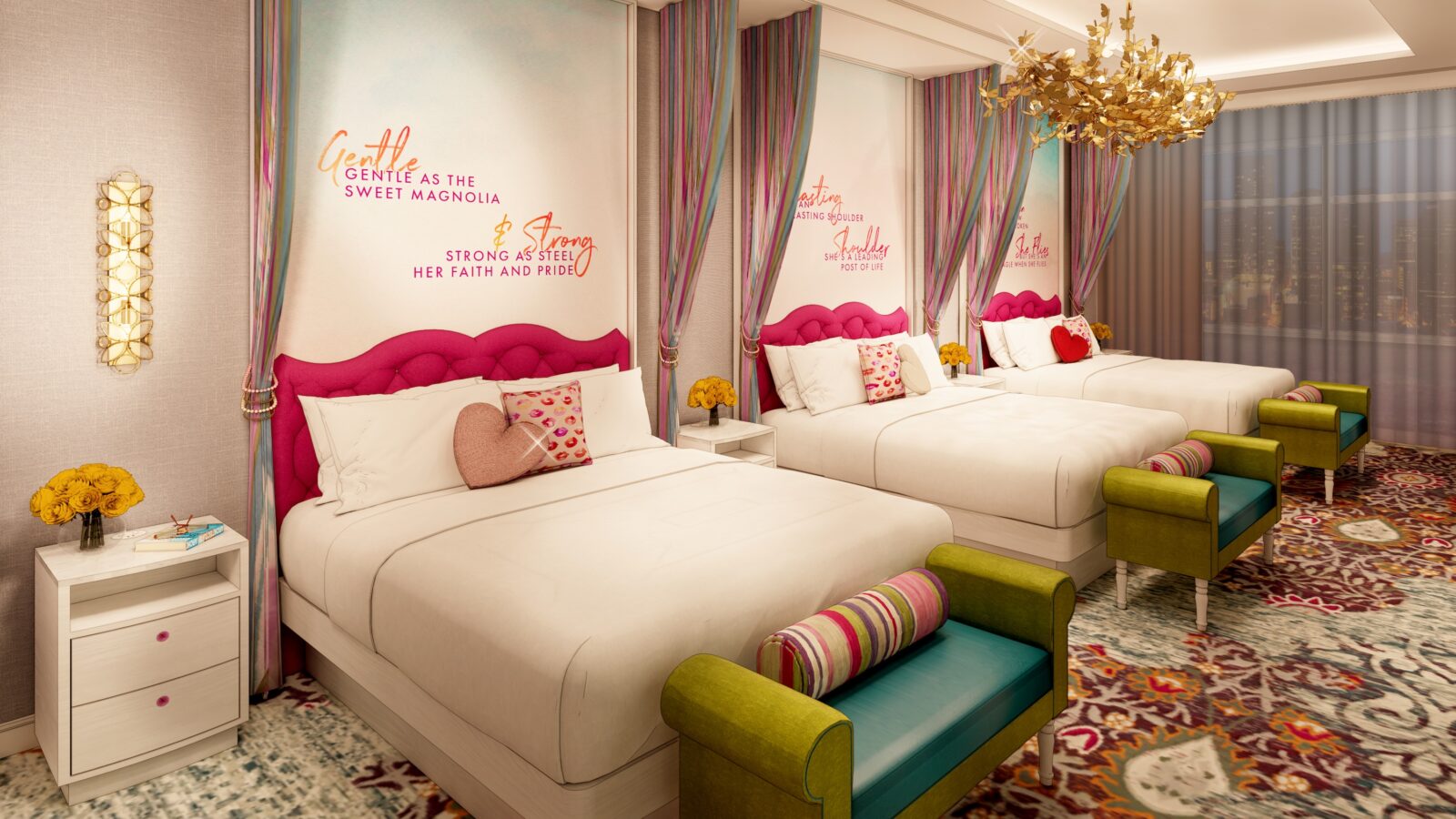
Photo: Courtesy of Dolly Parton’s SongTeller Hotel
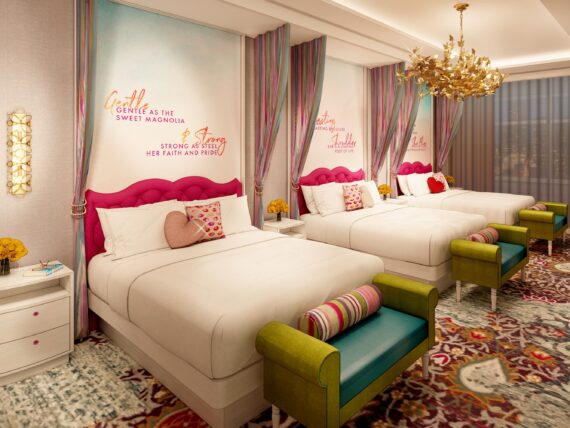
A rendering of a guest room at Dolly Parton’s SongTeller Hotel.
Forty years of Dollywood, a Broadway show, and a hotel later, Parton is going strong at eighty
Where: Pigeon Forge and Nashville, Tennessee
When: year-round
If you like: music, history, nostalgia
Why you should go: In 1986 a forty-year-old Dolly Parton cut the ribbon to her very own theme park in the Smokies, not so far from where she was born, telling the thousands-strong crowd, “Today is the first day I really got to come home, because I have dreamed for many years of bringing something back so you folks will know that I’m as proud of you as you’ve always been of me.” In the four decades since, the 160-acre park, which celebrates Appalachian crafts and music in addition to gravity-defying thrills, has become one of Tennessee’s most popular attractions.
Meanwhile, the colorful legacy of the country music star (100 million records sold), actress, businesswoman, and philanthropist has only grown. On the heels of her eightieth birthday, her new Broadway show, Dolly: A True Original Musical, will arrive in New York this summer, telling the story of her rise to fame and featuring hits like “Jolene” and “I Will Always Love You” as well as new songs she penned for the show. And her latest love letter to Tennessee comes to downtown Nashville in June: the SongTeller Hotel. Designed with her customary flair, it’ll house two live music venues, Dolly’s Life of Many Colors Museum, and guitar-shaped pillows on the beds.
G&G tip: This year Dollywood will unveil NightFlight Expedition, a hybrid roller coaster and white water river raft ride and the largest single-attraction investment in park history. It takes riders on a five-and-a-half-minute journey inspired by the search for bioluminescence in Great Smoky Mountains National Park.
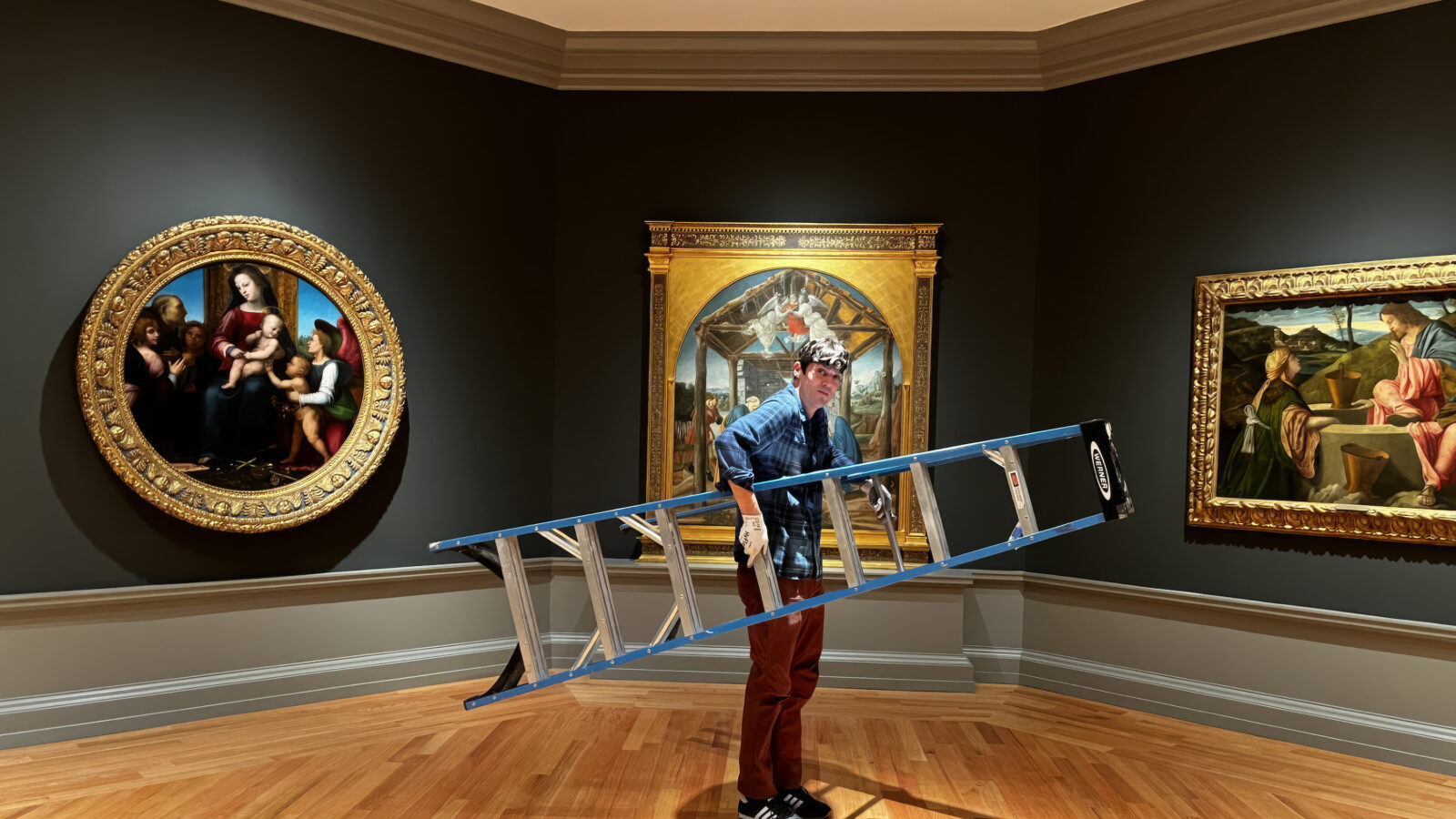
Photo: Laura Garner
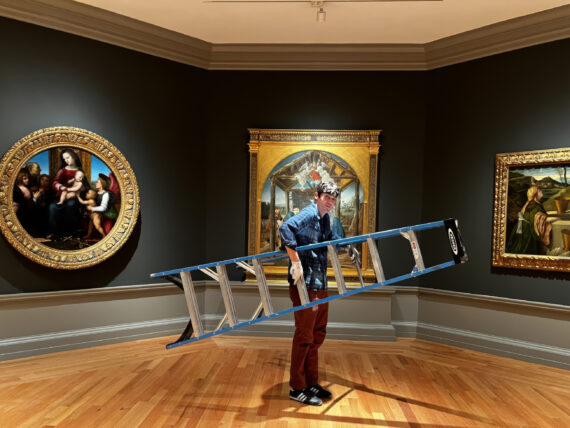
Exhibition designer and senior preparator Daniel Richardson at work in the museum’s Gallery 17.
The CMA gets a vibrant overhaul
Where: Columbia, South Carolina
When: year-round
If you like: arts and culture
Why you should go: Big-city art museums often hog the spotlight, but the Columbia Museum of Art, which occupies a former Macy’s building on Main Street, showcases the advantages of a midsize institution. This month the CMA will debut a reinstallation of its permanent collection—part of a series of upgrades timed to its seventy-fifth anniversary—and while it contains heavy hitters from Rembrandt to Warhol, the collection’s comparatively modest footprint means the curators get to have a little fun.
In 2018, for example, they toyed with the traditional model of arranging works by time period, clustering them instead by theme (e.g., “Gods, Heroes, and Legends”). “If you’re a museum the size of the Metropolitan Museum, you can’t do that with your full collection, but we’re a midsize museum with twenty galleries. It was something we could play with,” says deputy director Joelle Ryan-Cook. The latest installation will synthesize the two approaches, largely organizing works by history but with periodic “disruptions.” A room full of nineteenth-century landscapes from the Hudson River School, for example, features a 2024 abstract by Mario Joyce in which the artist worked soil from his family’s farm into his paint.
The CMA will also play with its physical spaces, arranging one gallery in the salon style (think many works hanging floor to ceiling) and displaying its newly acquired collection of British New Hall porcelain in a period-appropriate room complete with nineteenth-century wallpaper. But perhaps the biggest changes are ones a visitor won’t notice, including overhauled lighting and reinforced walls, especially in the temporary exhibition spaces, which had begun to suffer under countless layers of paint. “We have really cool fragments of those walls where you could see almost, like, the rings of a tree,” Ryan-Cook says. “It’s the story of our exhibitions through color.”
G&G tip: Don’t miss one of Ryan-Cook’s favorite works, a Nativity fresco by Sandro Botticelli that represents the only Botticelli fresco in the U.S. “It’s an absolute stunner,” she says.

Photo: Cassie Stark/The American Chestnut Foundation
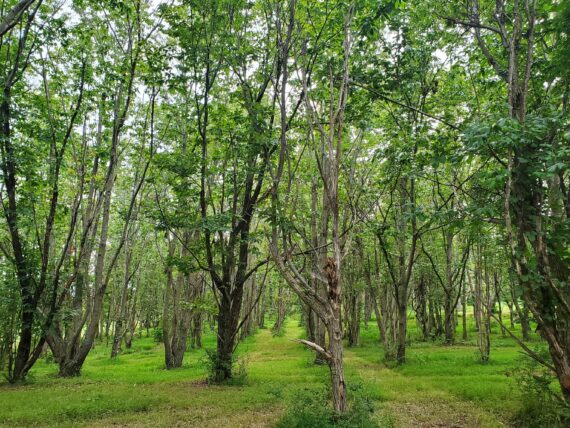
A grove of American chestnut trees.
Decades of conservation work have brought the functionally extinct tree back to public lands
Where: Virginia
When: year-round
If you like: the outdoors and sports, conservation
Why you should go: American chestnut trees dominated Eastern mountainscapes at the time of European colonization, standing one hundred feet tall and ten feet wide at maturity and covering an estimated 200 million acres from Mississippi to Maine. Carpenters prized their lumber. Gourmands regaled their nuts as the world’s finest.
Then came an invasive turn-of-the-century blight that wiped out virtually every wild tree by the 1940s. “The devastation marked one of the biggest changes in natural plant population ever recorded,” says Cassie Stark, director of science implementation for the American Chestnut Foundation (TACF). It fundamentally changed the scenery on what became the Appalachian Trail. “Hikers would have experienced a radically different landscape,” she says, “and been able to roast tasty, foraged treats over fall campfires.”
TACF and an armada of partner conservation organizations have spent about seventy-five years trying to reverse the damage. A groundbreaking program to breed trees with high blight immunity is headquartered in Meadowview, Virginia, and has spearheaded experimental plantings over four generations. Some have not only survived but reached maturity. Virginia’s Lesesne State Forest sits in the Blue Ridge Mountains and holds some of the largest and most successful plantings to date. A one-and-a-half-mile trail leads from the park’s gated entry and circumnavigates a magical-seeming thirty-acre grove of second-growth woods anchored by effectively wild American and hybrid chestnut trees. Some are upwards of seventy-five feet tall and produce the famously delicious wild nuts that few living people beyond foresters and researchers have ever tasted.
G&G tip: Lesesne’s chestnut trees are a sight to behold year-round, but early-fall visits yield a special treat. Nuts drop from mid-September through the first week of October. Retrieving them requires some bushwhacking, so be sure to wear long pants and bring leather gloves to handle the spiky husks.
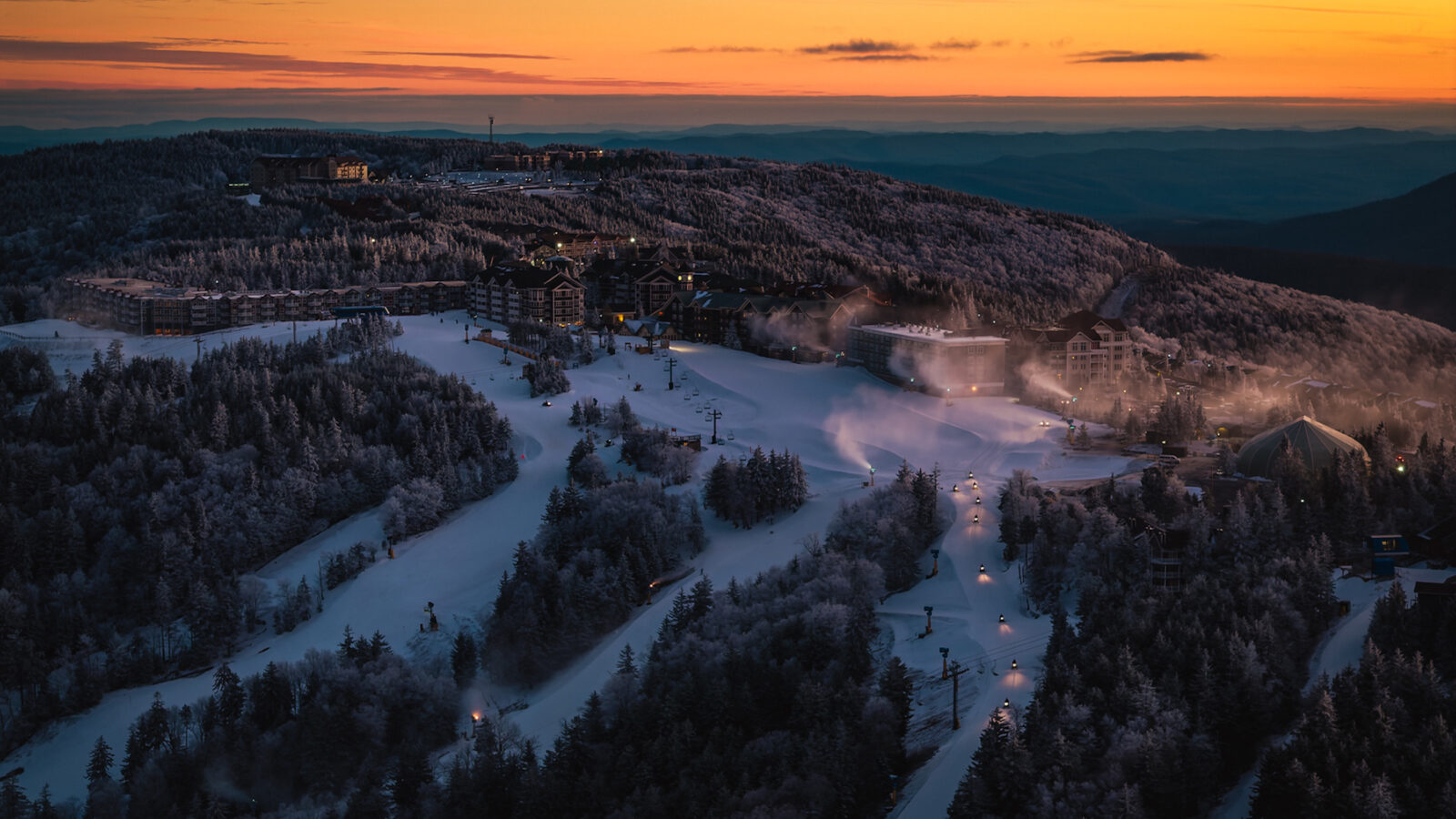
Photo: courtesy of Snowshoe Mountain
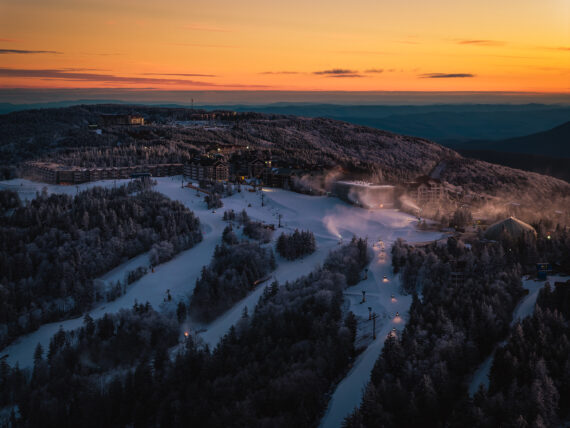
The village at Snowshoe Mountain.
The beloved resort welcomes skiers by winter and mountain bikers by summer
Where: Snowshoe, West Virginia
When: winter, summer
If you like: the outdoors and sports
Why you should go: Every March, as temperatures climb and days grow longer, Snowshoe Mountain throws a blow-out bash. On the final day of its winter season, which starts in early December, West Virginia residents can ski for free, a tradition that has become something of a statewide holiday. It’s not only a bargain, but a great time of year to ski, says Andy Rice, a Presbyterian minister who also serves as the resort’s race team coach. “It’s a little nicer to be outside, it’s getting warmer, but there’s still lots of great skiing to be had.”
Snowshoe, which opened in 1974, has developed a reputation for some of the best skiing in the mid-Atlantic, with 1,500 feet of vertical drop and a range of run difficulties. Its signature Cupp Run, designed by legendary French skier Jean-Claude Killy, stretches a mile and a half. For this year’s closing day, scheduled for March 22, expect the resort to be laid-back and relaxed, with skiers wearing T-shirts, Rice says. There will be music at the mountaintop ski village and a party at the Flume Shack slopeside bar. “It can be a silly, easygoing dynamic,” he says. “It’s worth the trip.”
G&G tip: There’s plenty to do at Snowshoe in the summer, too. Mountain bikers fly down over forty trails serviced by two high-speed chairlifts, and in July, the 4848 Festival—its name a nod to the elevation of the second-highest peak in West Virginia—offers a weekend of live music, craft beer, and scenic chairlift rides.
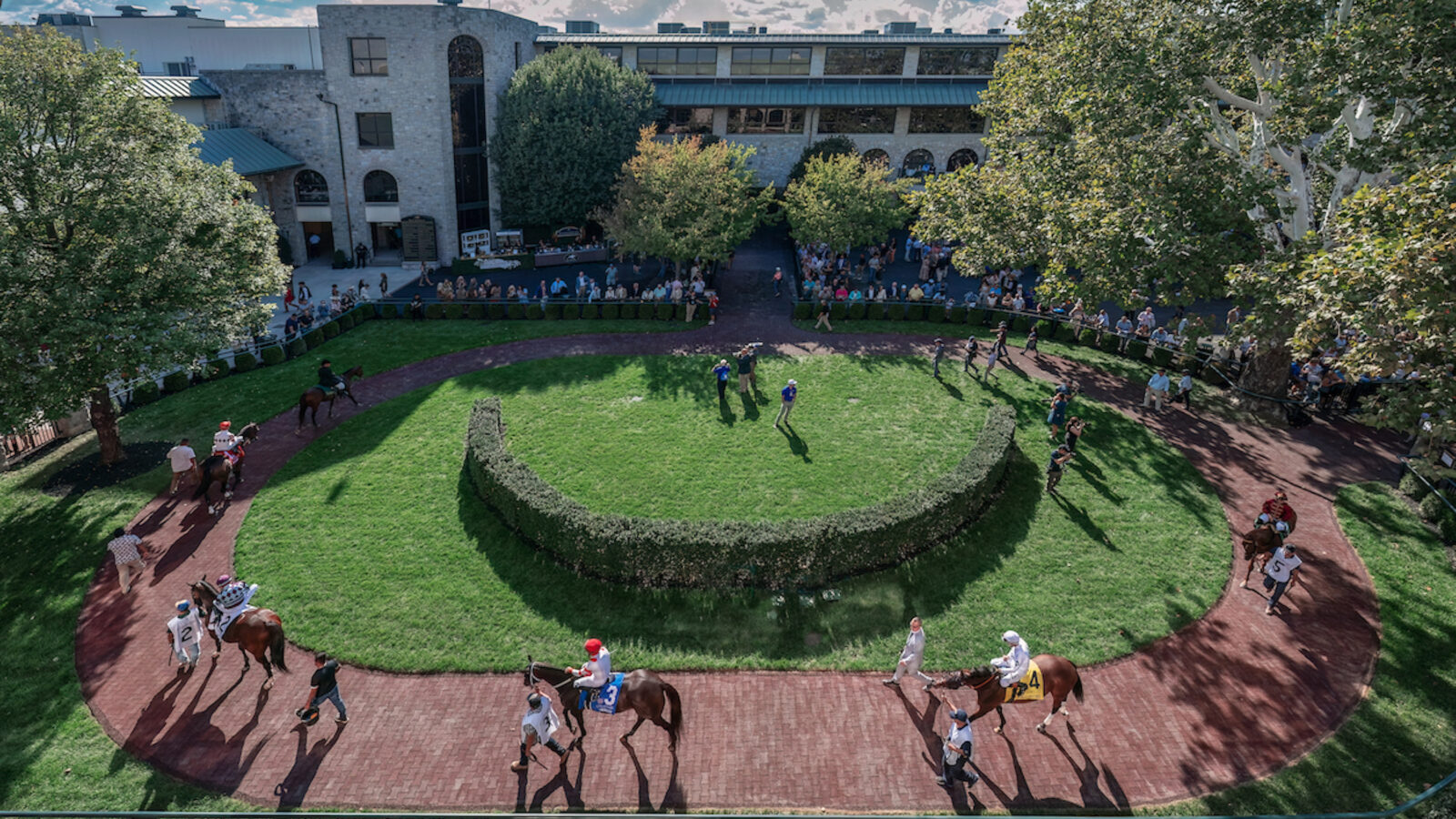
Photo: Keeneland Photo
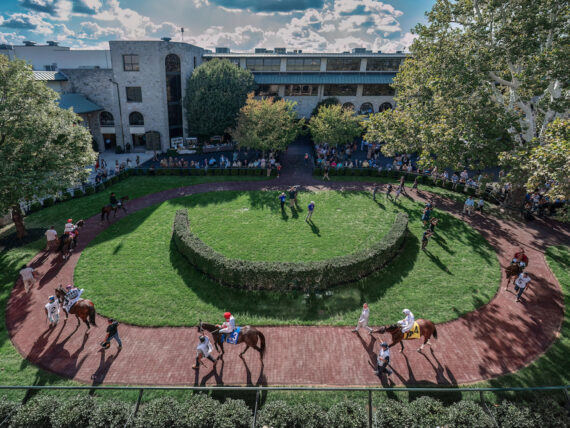
Horses circle the paddock during the 2025 Fall Meet.
The Kentucky track thunders into its tenth decade with new facilities and timeless traditions
Where: Lexington, Kentucky
When: spring, fall
If you like: the outdoors and sports
Why you should go: Visitors from any era in Keeneland’s ninety-year history would find much that feels familiar today. Muscular Thoroughbreds, coats gleaming, still circle the paddock before each race, passing stately limestone buildings and a sprawling sycamore planted around the time the track opened in 1936. When horses and riders thunder down the stretch, a sharply dressed crowd rises in a crescendo of cheers. “Even as certain elements shift or evolve, we want to preserve those iconic race-day moments that fans love,” says Shannon Arvin, Keeneland’s president and CEO.
Change here is always measured against tradition, and this year offers visitors plenty of both. When the spring racing meet kicks off on April 3, fans can enjoy an even closer view of the pageantry from the new $93 million Paddock Building and reconfigured saddling stalls, both designed so seamlessly they feel as if they’ve always been part of the landscape.
The September Yearling Sale, the world’s largest of its kind, will look to top last year’s record-breaking edition. And in October the track will host the Keeneland Championship Sale, just days before the Breeders’ Cup World Championships returns to the venue where the idea for a global contest of the sport’s greatest horses was first imagined. “In 2026 Keeneland will truly be at the center of the Thoroughbred racing world,” Arvin says.
G&G tip: While the action centers on racing meets and horse sales, Keeneland’s grounds are open to visitors year-round. Begin the day with breakfast at the Track Kitchen and take in morning workouts.

Photo: Visit Winston-Salem
The Heritage Bridge in Old Salem at the holidays.
The historic North Carolina community welcomes a modern gathering space and a milestone
When: Winston-Salem, North Carolina
Where: winter, year-round
If you like: history, dining and drinks
Why you should go: Walk down the stone-and-brick pathways of Old Salem—the 1766 Moravian settlement and a living history museum in Winston-Salem—and you’ll stumble upon a surprising new gathering space bringing a modern twist to the neighborhood. Lot 63, named after the historic plot it sits on, is equal parts bakery, café, coffeehouse, pub, and wine bar with a bright, airy ambience. “We wanted a space in Old Salem where people could sit and stay awhile and enjoy the heart of our city,” says co-owner Chelsi Ross Wilkerson, whose great-grandfather Dewey Guy Wilkerson perfected and popularized the recipes for Moravian cookies, sugar cakes, and more at his bakery in the early 1930s. (The shop’s signature Moravian spice blend latte and its line of Wilkerson’s baked goods reflect his traditional ways.) If you’re visiting during Old Salem’s peak winter holiday season, follow the bold red back stairs down to Lot 63 Underground, a newly renovated, sanctuary-like lounge.
G&G tip: After the holiday festivities, the Old Salem museums close annually for the month of January, but after that well-deserved rest, they’ll devote all of 2026 to marking 260 years since the historic district’s settlement.
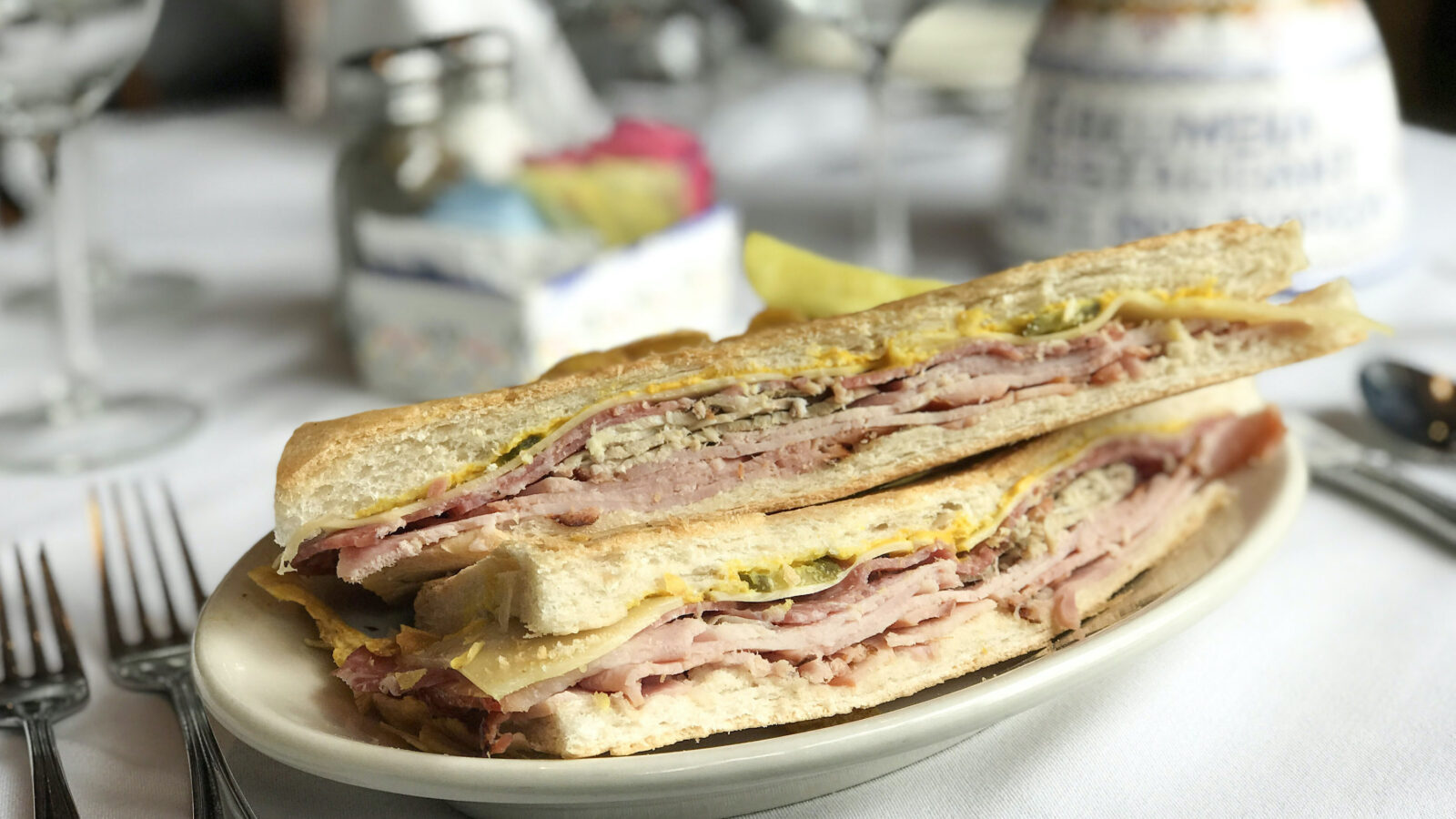
Photo: courtesy of Columbia Restaurant
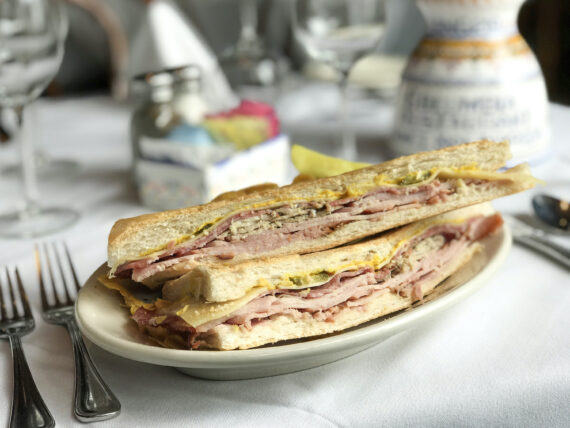
An original Cuban sandwich at Tampa’s Columbia Restaurant.
The cradle of the Cuban sandwich throws an epic street party
Where: Tampa, Florida
When: spring, year-round
If you like: dining and drinks
Why you should go: The details matter in a Cuban sandwich. Here are the original ingredients, according to Victor Padilla: mojo-marinated pork, sweet serrano ham or baked sweet ham, Swiss cheese, Genoa salami, kosher dill pickles, and mustard, all piled on soft Cuban bread, pressed, and sliced diagonally. Ybor City, a neighborhood in Tampa, lays claim to the invention of the sandwich—most folks say it began as the lunch of cigar factory workers in the early 1900s—and Padilla and his wife, Jolie, founded the Cuban Sandwich Festival to honor that heritage in 2011.
On March 29, 2026, the event, which draws chefs from as far as Japan and England, will celebrate its fifteenth birthday with a competition, spin-offs like Cuban sandwich empanadas and sushi, and the construction of a giant, more-than-a-football-field-length Cuban that the festival then cuts up and donates to local charities that feed the homeless. If you can’t swing the fest, that’s okay; it’s worth paying homage to this Southern sandwich all year long. La Teresita, Columbia Restaurant, and La Segunda are the go-tos around town for a great Cuban, Padilla says. “Order a café con leche, too—the milk in the coffee just goes perfectly with the bread and the meat.”
G&G tip: The Cuban Sandwich Festival isn’t the only time to celebrate the city’s diverse heritage. In October, the Taste of Latino Festival, also in Ybor City, offers up empanadas, arepas, and ceviches from Puerto Rican, Colombian, and Mexican chefs.
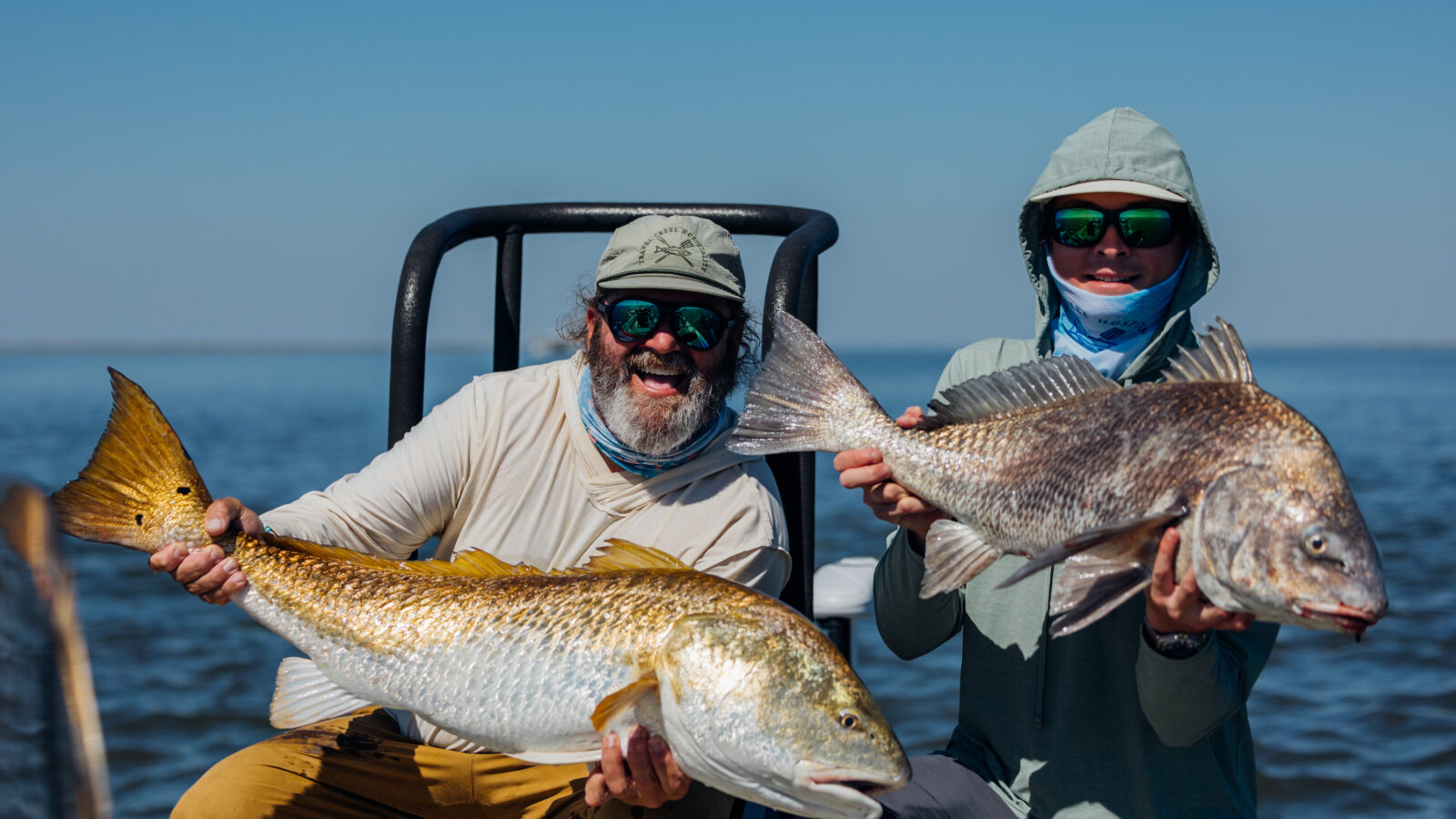
Photo: Jon Coudriet
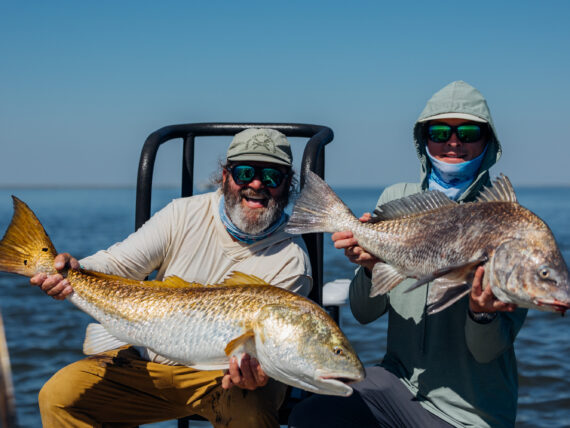
On the water with Travel Creel Hospitality.
The fishing’s grand and the eating even better at Travel Creel’s pop-up lodges
Where: New Orleans, Louisiana
When: fall
If you like: the outdoors and sports, food and drinks
Why you should go: The famed French Quarter and the wild South Louisiana marshes may be miles apart, but Travel Creel Hospitality’s concierge approach to fishing travel makes for a seamless adventure. Travel Creel pairs trained chefs—co-owner Joshua Schwartz among them—with handpicked local fishing guides and curated lodging. “Like me, our other chefs were tired of the restaurant scene and spending years behind the door with little interaction with clients,” says Schwartz, who launched the company five years ago. “Our people really want to take care of the folks enjoying their food, and we’ve all figured out that fishing folks are the ones we want to do our best for.” The company also offers trips to Oregon, California, Colorado, Puerto Rico, Maine, Mexico, and the Bahamas.
Fishing in the vast marshes of Louisiana is just as good as its reputation and more diverse than many imagine. In addition to giant bull reds staging nearshore or crawling through skinny water, fishing for jack crevalle, sheepshead, and other Gulf fish is outstanding. “We do have the traditional scene of redfish crawling the banks,” Schwartz says. “But during this time of year, there are also big groups of fish on the outside of the marsh, chasing bait and boiling and blowing up the water all around the boat.”
G&G tip: If you’re ready to test your fly casting skills, book a day stalking the “bayou permit,” a.k.a. sheepshead on the fly. “They can be pretty spooky,” Schwartz says, “and it takes accurate casting. But chasing those things has the same kind of bayou flair that we try to incorporate in every aspect of our trips.”

Photo: Matthew Pearce/Icon Sportswire
Fans celebrate a goal during the Concacaf Gold Cup group-stage match between the United States and Haiti on June 22, 2025.
A playbook for FIFA fans
Where: around the region
When: summer
If you like: sports and the outdoors, music
Why you should go: The FIFA World Cup comes around only every four years and is the most widely watched single-sport event in the world. From June 11 to July 19, 2026, some of its thrilling matches will play out across four easy-to-reach Southern cities.
Miami has emerged as a major player in the worldwide soccer scene, especially after Lionel Messi signed with co-owner David Beckham’s Inter Miami CF team in 2023. The Hard Rock Stadium will temporarily change its name to Miami Stadium for the World Cup and fill for seven matches, including a quarterfinal and the bronze-medal match. The festivities around Atlanta’s eight matches, including a semifinal, will center on Centennial Olympic Park—exactly thirty years after the city hosted the 1996 Olympic Games.
In between any of the nine matches Dallas is hosting, one of them a semifinal, find time for a stroll at the sixty-six-acre Dallas Arboretum and Botanical Garden. Another Texas city, Houston, will host seven games, including a round-of-sixteen matchup. Make your dinner reservations early. We recommend the tasting menu (and wine pairing) at March and the Michelin-starred Mexican spot Tatemó.
G&G tip: Each of the host cities will stage a massive FIFA Fan Festival complete with live broadcasts, live music, and global food stalls, but you can expect a wealth of cultural programming all around town. In Houston, for example, Ballets Jazz Montréal and Riverdance will time their visits to the World Cup, while in Atlanta, hometown artists Big Boi and the Indigo Girls will headline the free Decatur WatchFest concert series.

Photo: Matt Slocum/Associated Press
Asterisk Talley at the Augusta National Women's Amateur golf tournament.
Top golfers, softballers, and surfers will head to Augusta, Oklahoma City, Virginia Beach, and a sports bar near you
Where: around the region
When: year-round
If you like: the outdoors and sports
Why you should go: Nationwide there’s a growing spotlight on women’s sports, and the South plays host to three events drawing major fanfare. In Georgia, the Augusta National Women’s Amateur kicks off the week before the Masters in April, the seventh time it will invite elite international players to inspire greater interest in women’s golf. (Last year roughly half of the seventy-two competitors hailed from outside the U.S.) Then, from May 28 through early June, Oklahoma City’s Devon Park will host the NCAA Women’s College World Series; last year Texas took the trophy in the Division I softball competition, but the Sooners won it the previous four years—fitting given that nearby Oklahoma City is the Softball Capital of the World. (It’s hosted the College World Series since 1990 and in 2028 will welcome players from around the globe for the summer Olympics.)
Finally, the largest female surfing event in the world will go down on the shores of Virginia Beach in September. For the twentieth anniversary of the Super Girl Festival, more than four thousand athletes will compete in beach volleyball, inline skating, and of course, surfing. Keep an eye out for Florida native and Olympic shortboard gold medalist Caroline Marks.
G&G tip: As the popularity of women’s sports has grown, so has television coverage—and places dedicated to watching it. Two bars in Texas—1972 in Austin, named for the year Title IX passed, and SidePeace in Houston—are devoted to women’s sporting events. In Atlanta, Jolene Jolene broadcasts matches at pop-up locations around town.
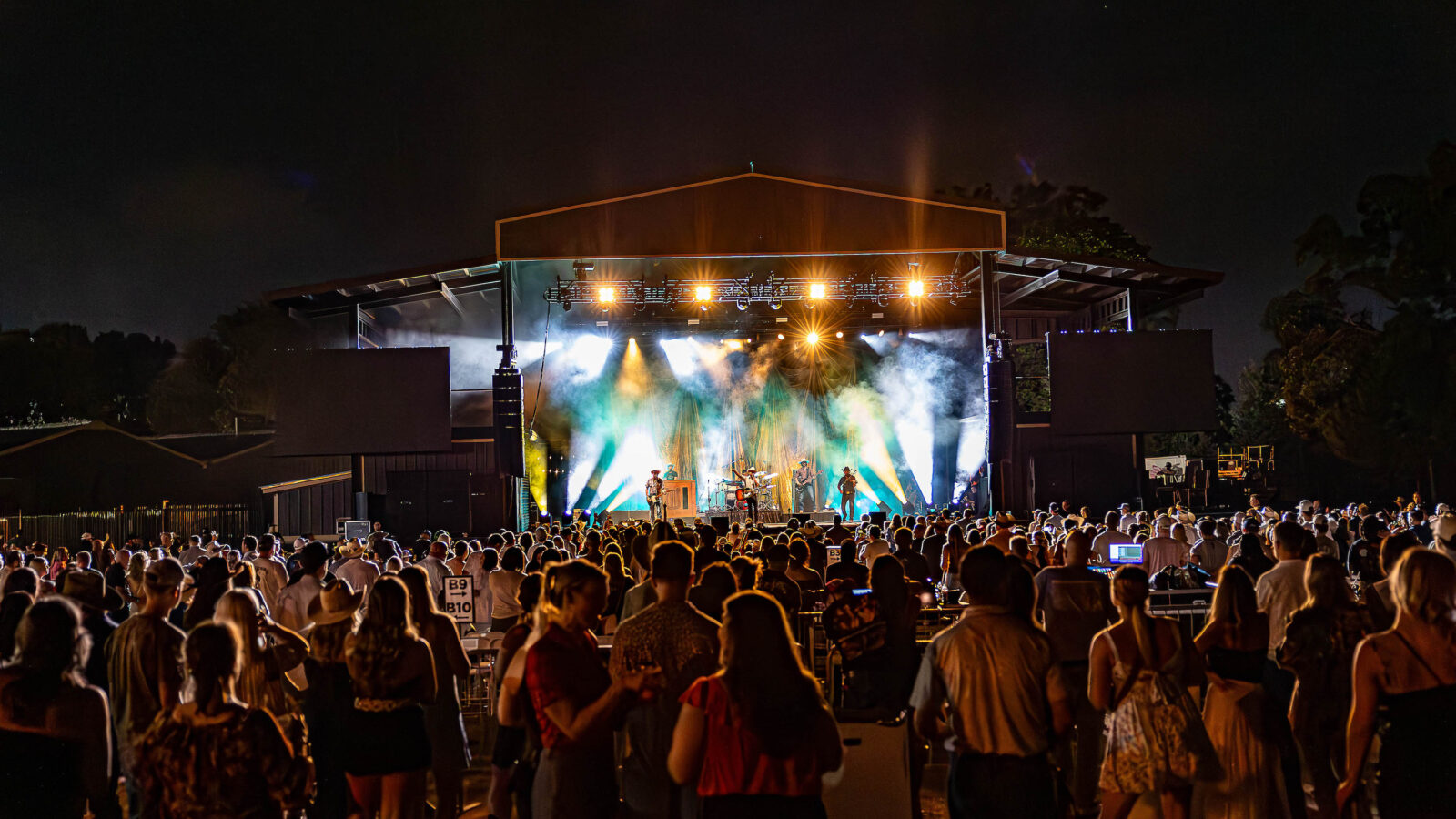
Photo: Andrew Sherman
Randy Rogers at the new Longhorn Backyard Amphitheater.
Fresh off its seventy-fifth birthday, the Longhorn Ballroom debuts an open-air venue
Where: Dallas, Texas
When: year-round
If you like: music, nostalgia
Why you should go: Since 1950, the Longhorn Ballroom in South Dallas has been the headquarters for Texas music. First opened as Bob Wills’ Ranch House in honor of the King of Western Swing, it frequently hosted Patsy Cline, George Strait, Willie Nelson, Loretta Lynn, Waylon Jennings, and—as the years went by—other genres, too, including soul and blues legends Ray Charles, Fats Domino, and James Brown. During a notorious 1978 show by the Sex Pistols, bassist Sid Vicious was hit in the face but finished the set with a bloody nose. (A classic photo from that year in which the Sex Pistols and Merle Haggard shared the roadside marquee captures the Longhorn’s eclectic booking policy.)
But as temples of music often do, the Longhorn fell into disrepair before being resurrected in 2022 by Edwin Cabaniss, a kingpin of the Dallas independent music scene. With the inside fully restored, Cabaniss has now turned his attention to the outside of the venue, and this spring the 6,500-capacity Longhorn Backyard Amphitheater will hold its grand opening. “People love nostalgia, and that’s one of the reasons they love the Longhorn Ballroom,” Cabaniss says. “It’s like stepping into this trip that brings you back to a happier time.”
G&G tip: Go early and grab some ’cue at Smokin’ & Rollin’ next door (get the lamb), and leave time to take in the Longhorn’s extensive collection of memorabilia, rare photos, and show audio.
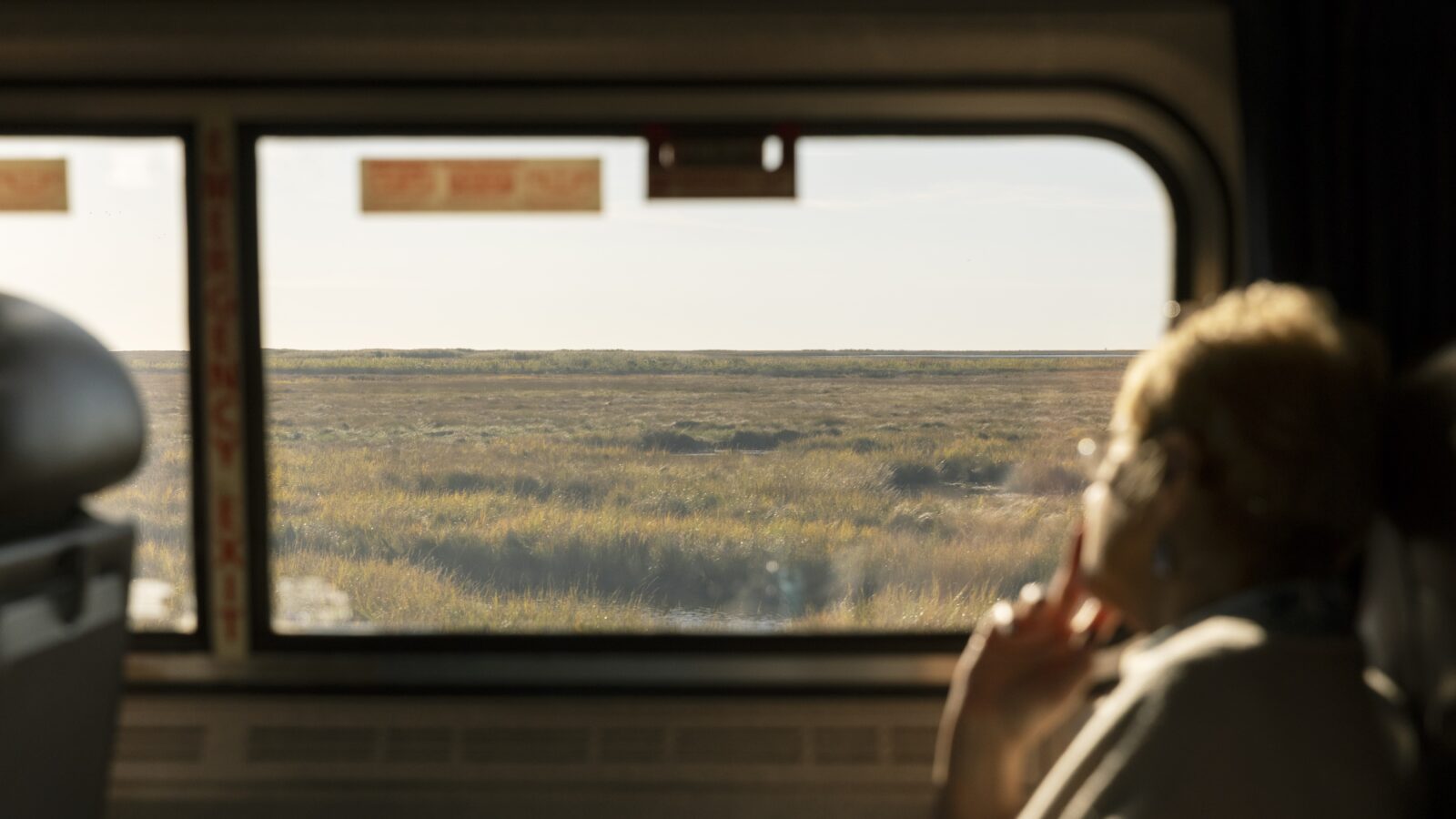
Photo: CEDRIC ANGELES
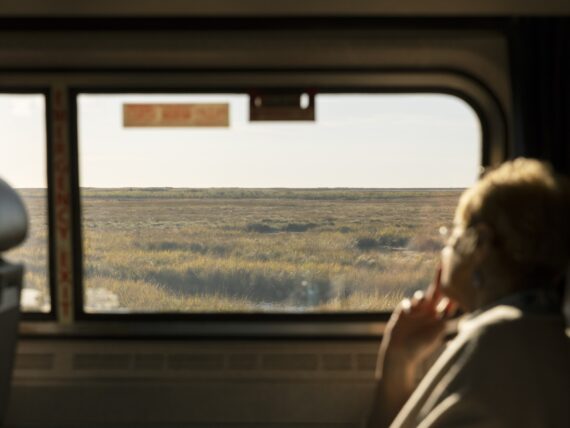
A window-seat view of Gulf Coast beauty.
New and improved rail lines make a case for the scenic route
Where: around the region
When: year-round
If you like: urban escapes, nostalgia
Why you should go: Cruising at 30,000 feet is fine if you like speed, airport stress, and to see only clouds outside of a tiny porthole. Instead, American travelers are rediscovering the joys of retro rail travel, including watching the small-town South and its creeks and forests unspool outside panoramic windows, not to mention the headache-less process of buying a ticket online and rolling up to the station just minutes before departure. “People are coming back to realizing how civilized it feels to have a train station nearby,” says the Southern food writer Matt Lee. “Recent station upgrades on the coastal route and sensible features like the real-time map of all Amtrak trains means that train travel is more pleasant and less of a crapshoot than it was a decade ago.”
The numbers talk: Amtrak booked 34.5 million trips last year, a more than 5 percent increase over 2024—and a record passenger count for the service, which started in 1970. Popular routes span the East Coast, linking Washington, D.C., to Virginia, the Carolinas, Georgia, and much of Florida. Miami itself has added Brightline, a private train service that in 2023 opened a route between Miami and the Orlando airport. And late last year, Amtrak kicked off its new Mardi Gras Service, a twice-daily route that for the first time in twenty years connects Gulf Coast communities by rail—from Mobile, Alabama, to New Orleans, with stops in Gulfport and Biloxi.
G&G tip: Lee recommends visitors to South Carolina’s Florence Wine & Food Festival in March consider taking the train. “Last year, a gaggle of Charleston friends made an adventure of coming up for the day to the festival’s Grand Tasting,” he says, “landing in the Pee Dee just in time for the event, shopping downtown, and grabbing a beverage at the Hotel Florence bar before getting back on the 5:45 p.m. train headed home.” The journey that would have taken at least two hours by car on I-95 required just ninety minutes of smooth sailing by train, with Wi-Fi, wide seats, and huge windows. And, Lee adds, “The café car serves Dogfish Head 90 Minute IPA.”
CREDITS
Editor: Elizabeth Florio
Writers: CJ Lotz Diego, Elizabeth Florio, Lindsey Liles, Jenny Adams, Larry Bleiberg, Helen Bradshaw, Lisa Cericola, Robert Alan Grand, Matt Hendrickson, Jordan P. Hickey, Elizabeth Hutchison Hicklin, Jennifer Kornegay, T. Edward Nickens, Grace Roberts, Nila Do Simon, Eric Wallace, Tom Wilmes
Copy editors and fact-checkers: Stacy Hollister, Donna Levine, Jax Knox, Frances O’Shea, Lilly Stone
Producer: Gabriela Gomez-Misserian
Designers: Eric Capossela, Julia Knetzer
Developer: Robert James Reese
SEE THE 2025 BUCKET LIST
Looking for more travel inspiration? Check out our 2025 Bucket List, full of Southern classics worth revisiting year after year.