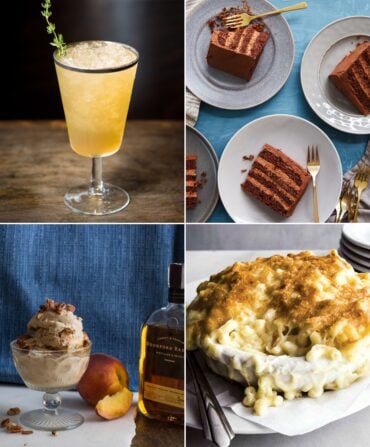
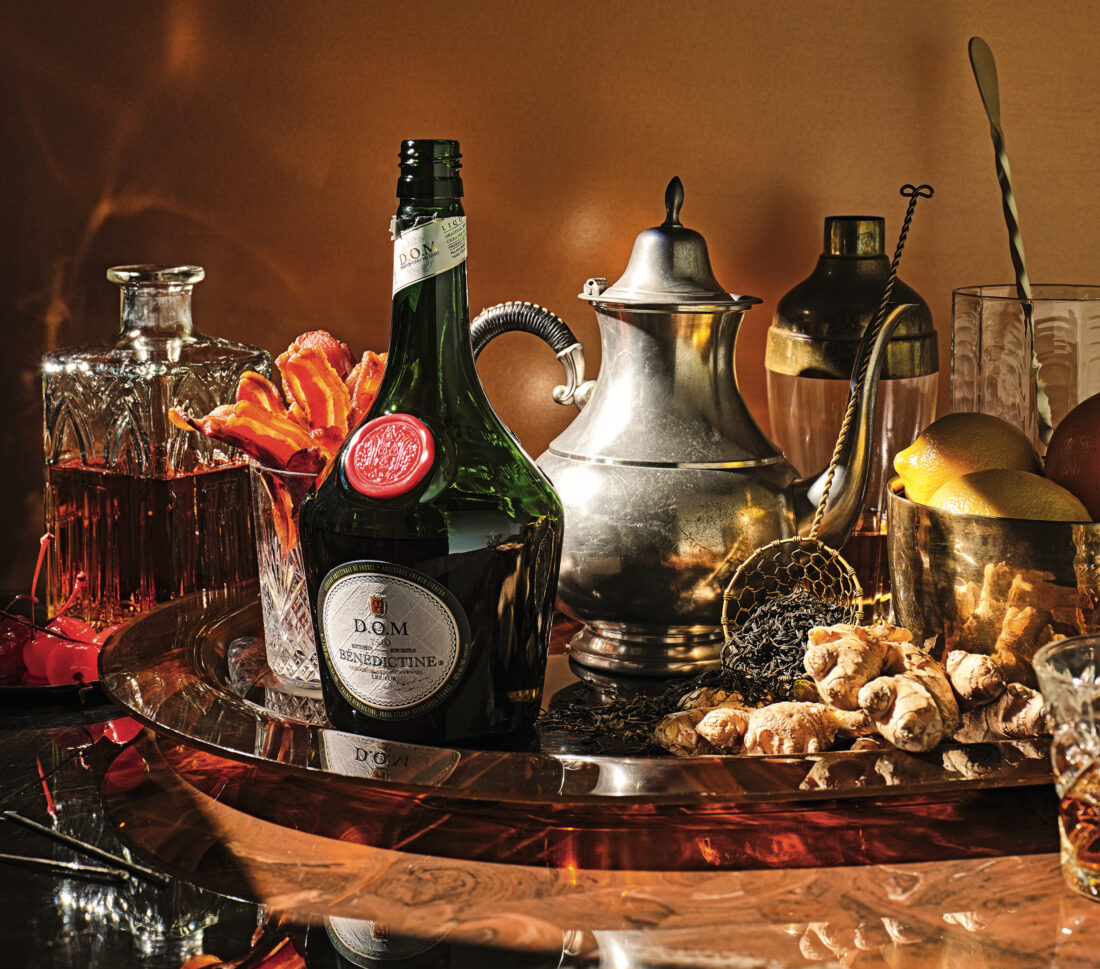
Bourbon’s distillation chiefly from corn can initially make for a spirit that lacks distinct contours. Distillers offset this slackness by using secondary grains, such as rye, and through long aging in oak barrels, which provides a tannic edge as if from a tea bag. Lower-shelf bourbons tend to have more corn and spend less time in a barrel, and so can be rounder and less edgy. Which means they play well with others—a good mixing bourbon is an easy-to-lead dance partner.
So who can do the leading? Bourbon gets along with an array of complementary ingredients, but a few rank among the most consistent and amenable partners. Try these pairings and see how they improve your cocktail choreography.
Wayne Curtis is the author of And a Bottle of Rum: A History of the New World in Ten Cocktails and has written frequently about cocktails, spirits, travel, and history for many publications, including the Atlantic, the New York Times, Imbibe, Punch, the Daily Beast, Sunset, the Wall Street Journal, and Garden & Gun. He lives on the Gulf Coast.